2K11 Krug (SA-4 Ganef) Russian Medium-Range Surface-to-Air Missile (SAM) System
SA-4 Ganef
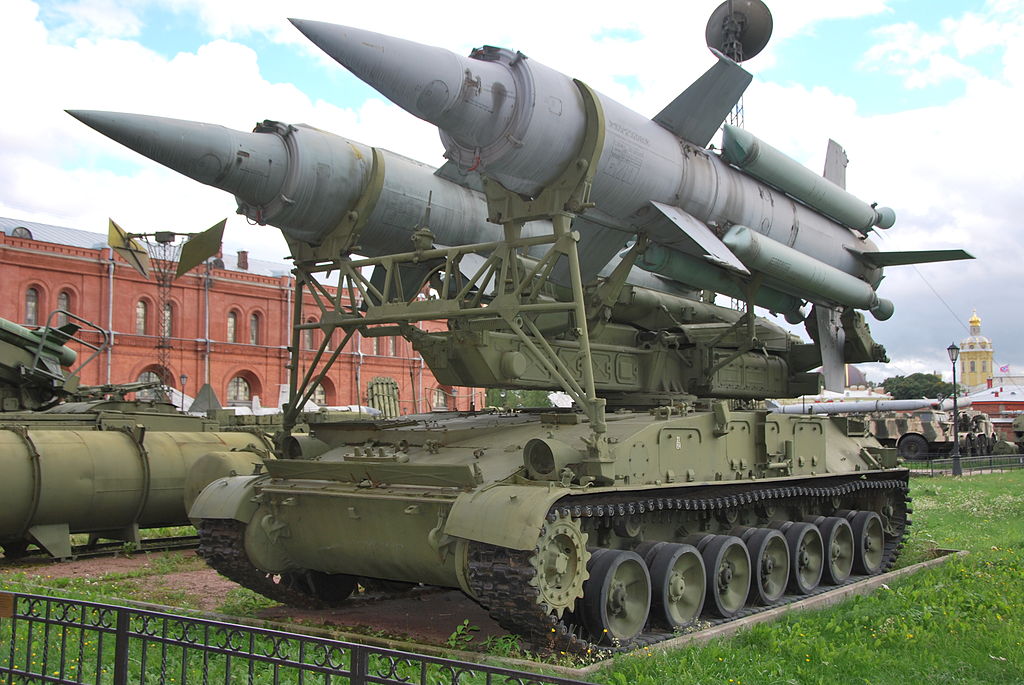
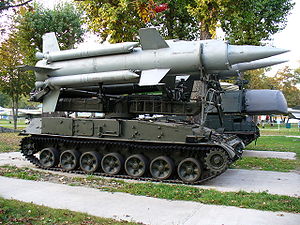
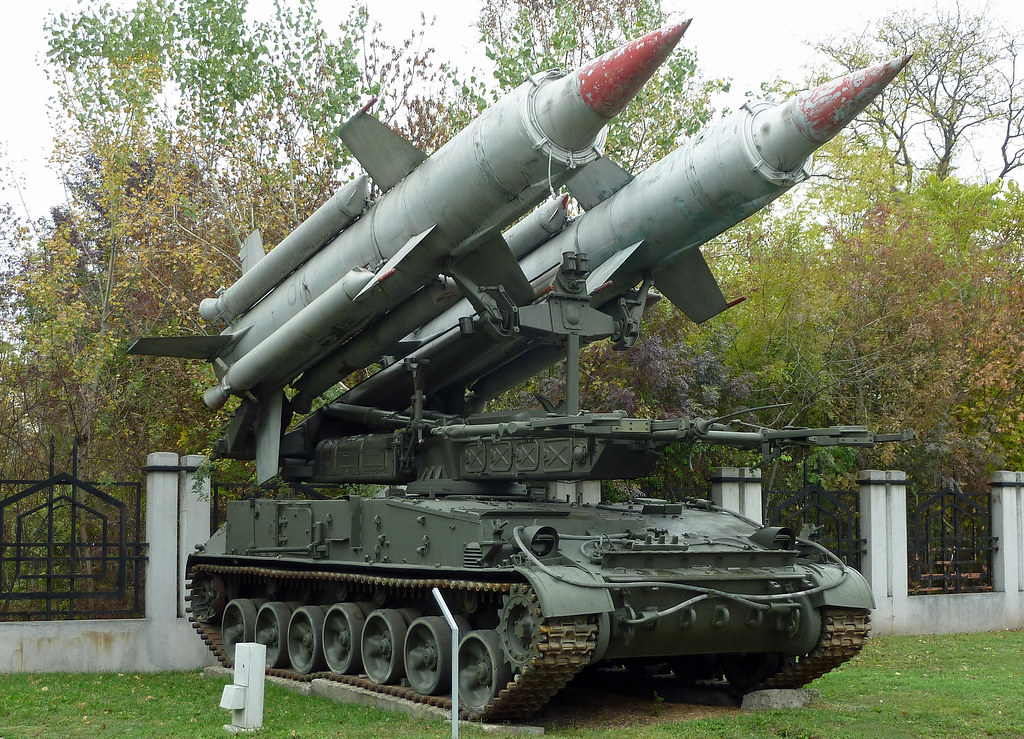
The 2K11 Krug (NATO code SA-4 Ganef) is a Soviet-made medium-range air defense missile. The development of the system started in 1958. The first version, Krug-A, entered service in 1967, with extensively modified versions, the Krug-M in 1971 and the Krug-M1 in 1974, which were developed to rectify problems discovered during army service. It was first unveiled during a military parade in Moscow in May 1965. Modified versions, the Krug-M in 1971 and the Krug-M1 in 1974 were developed to rectify problems discovered during army service. The 2K11 was briefly operated by the Soviet army during the war in Afghanistan in 1979 and 1980, but was withdrawn several months after the initial invasion. In 1997, it was reported that, between 1993 and 1996, some 27 fire units of Krug and 349 missiles had been sold to Armenia. The SA-4 system has three major components: a 2P24 SPU (samokhodnaya puskovaya ustanovka) mobile launcher unit; a Ural-375 TZM ( transportno-zaryazhayushchaya mashina) transporter-loader vehicle; and a 1S32 Pat Hand SSNR (samokhodnaya stantsiya navendeniya raket) mobile missile guidance station mounted on an AT-T chassis. A typical Ganef battery has one Pat Hand SSNR, three 2P24 SPUs and four TZMs. The Ganef launch vehicle carries no onboard radar. The guidance of the missiles depends on the Pat Hand radar. During wartime, a fourth SPU could be added to the unit. The battery also often has two 23-mm ZU-23 towed anti-aircraft guns and a technical support section. A missile launch battalion has three launch batteries and a Long Track early warning radar. A brigade has three battalions, an additional Long Track radar and a Thin Skin B height-finding radar. The Krug had several features that improved the survivability of the radar against anti-radiation missiles. In PI mode (ПИ) the system only briefly illuminated the target and the computer calculated it's prolonged path based on data received from early warning radars. After a longer passive period the main radar illuminated the calculated flight direction of the target for a few seconds and recalculate path of the target if necessary (if the distance between the calculated track and the actual position is greater than 7 km). As a result, the system emitted detectable signals only for a few seconds in every few minutes, making it difficult to jam or launch an anti-radar missile against Krug. The system was also able to tracking the target in full-passive automated PNS (ПHC) mode based on the data provided by "Long Track" mobile EWR via radio datalink. In this mode it was almost impossible to detect the Krug system until the moment of missile launch, because Krug did not emit radiation at all. In 3M mode (3m aka three-point) the krug track on jamming signal emitting container (e.g., AN/ALQ-99). So the jamming signal that supposed to protect the aircraft made it to a target.