P-3C Orion
P-3C Orion


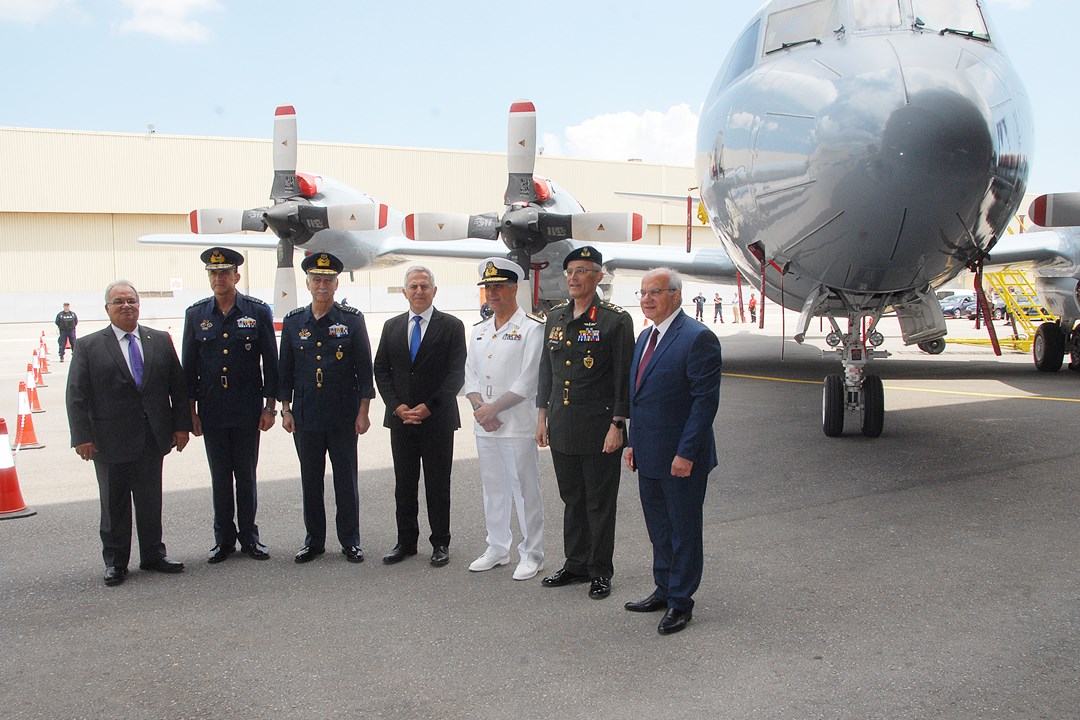


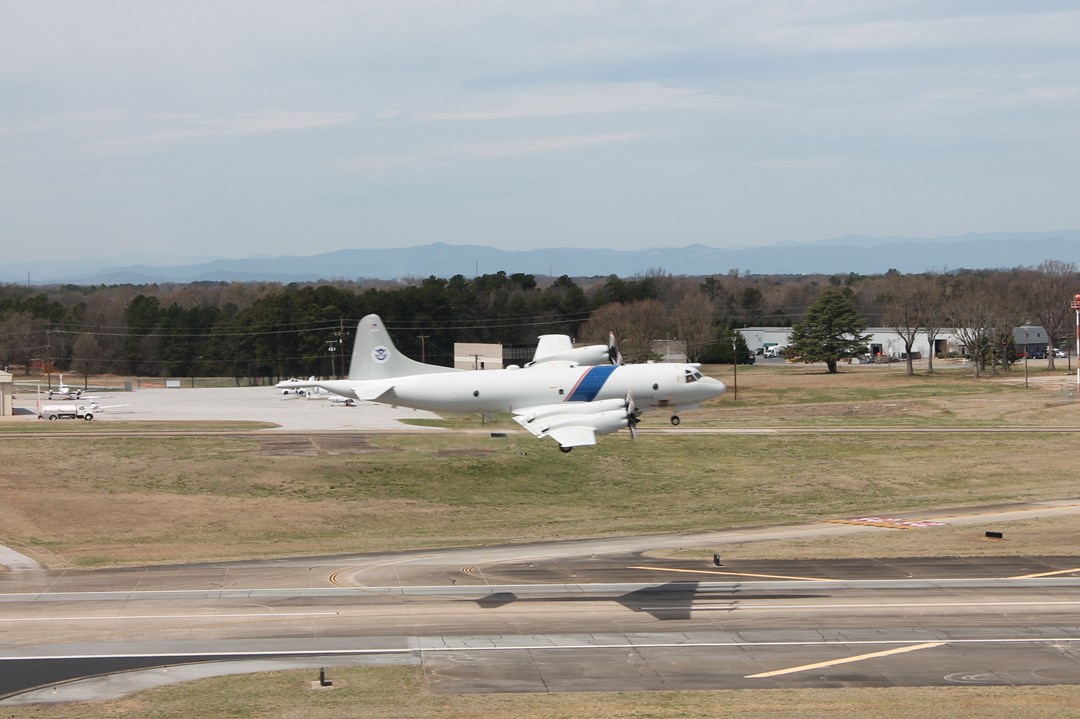


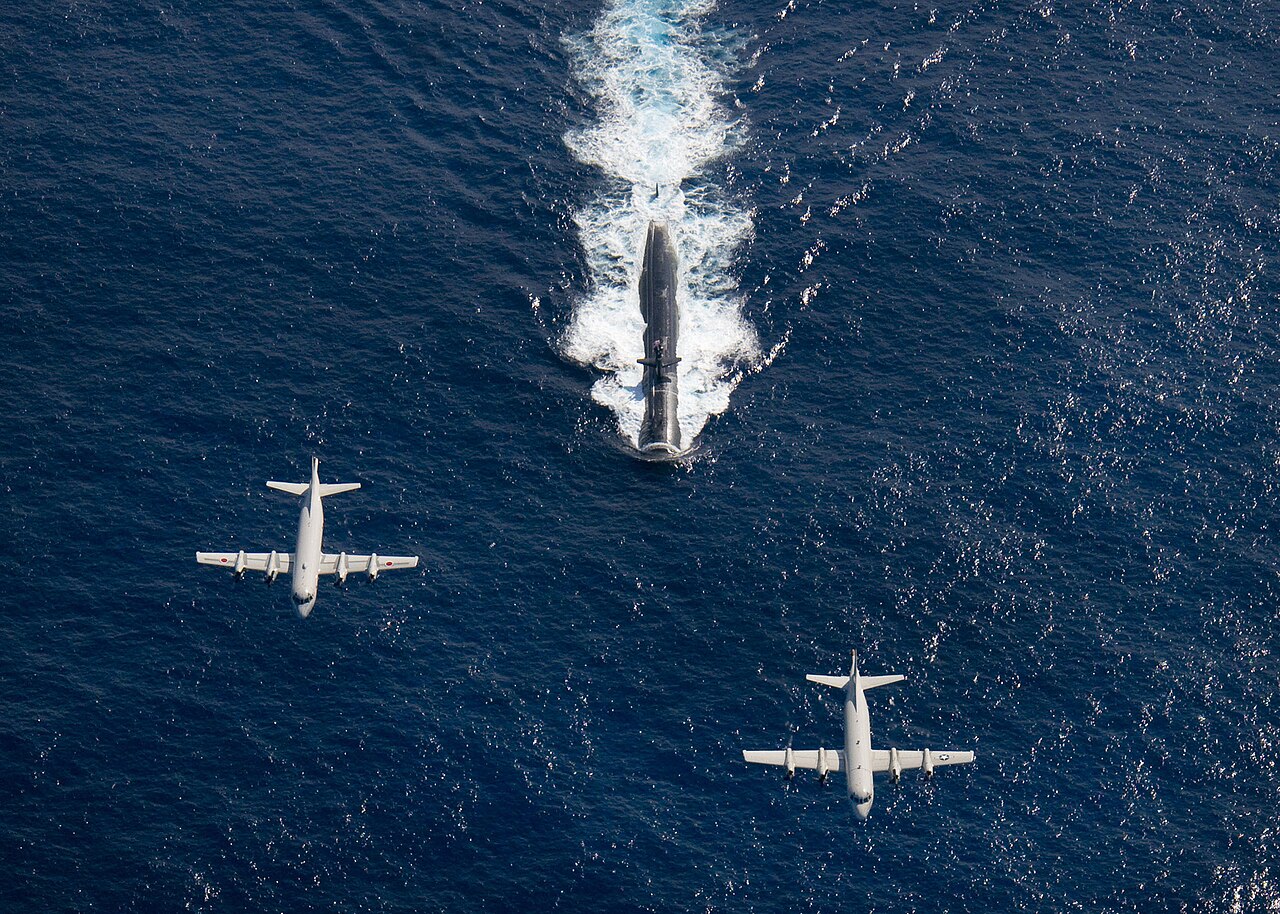
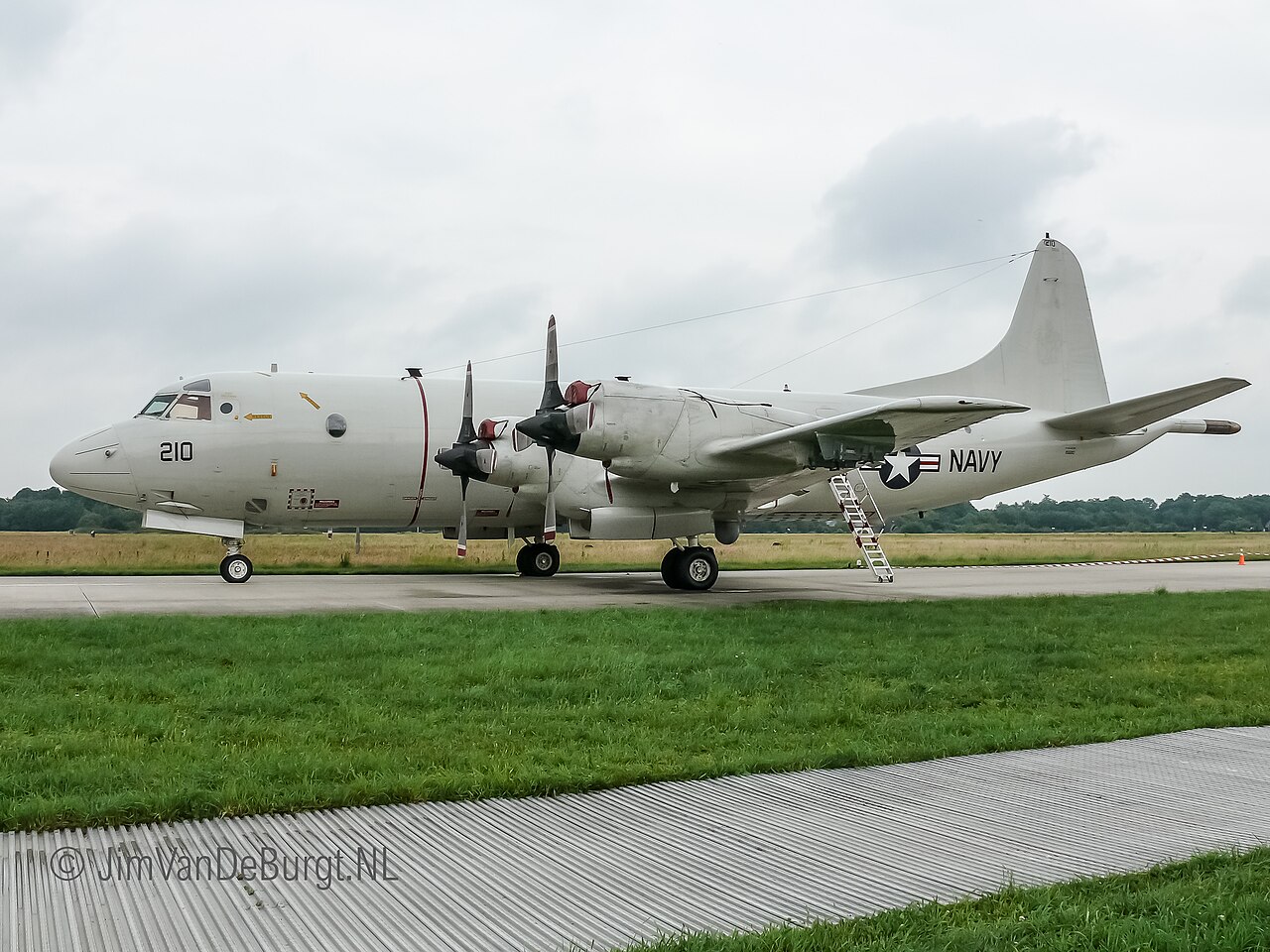
P-3 Orion is an anti-submarine (ASW) and maritime patrol aircraft based on the Electra airliner and developed for the US Navy as a replacement for P-2 Neptune. Originally, it received the P-3V designation but was dropped out in favor of P-3. Since its entry into service with the US Navy in August 1962, more than 700 P-3s have been produced for US allies all over the world. About 450 aircraft came off the production line as P-3Cs. In April 1990, Lockheed-Martin delivered the last P-3 aircraft produced for the US Navy. Currently, P-3 is in service with the US Navy and other 15 international allies. All P-3 models are powered by four T56-A-7/14/15/17 turboprop engines driving four-bladed propellers. P-3A Orion was introduced in 1962 equipped with a Magnetic Anomaly Detector (MAD) for hunting submerged submarines. P-3B was introduced in 1965 and P-3C in August 1969 equipped with AN/APS-115 radar allowing for maritime surveillance of surface vessels. Subsequently, the US Navy upgraded the P-3C model adding sonobuoys, computers, torpedoes, mines, bombs, missiles and other equipment. The weaponry is carried either attached to underwing pylons or into an internal weapons bay. The APS-134 radar was proposed for upgraded P-3 aircraft replacing the APS-115. Upgraded US Navy's P-3Cs are identified as Update I, II, II.2 and III. In the early 2000s US Navy scheduled its P-3C aircraft for replacement by the P-8 aircraft, a modified Boeing 737 airliner, beginning in 2013. To do so, P-3 Anti-Surface Warfare Improvement Program (AIP) would add new capabilities to the P-3C fleet allowing to fill the gap before the more capable P-8 aircraft reaches full operational capability in the second decade of the 21st century. P-3C AIP aircraft may assume a wide range of missions: anti-submarine warfare; anti-surface warfare; command, control communications, computers and intelligence surveillance and reconnaissance; search and rescue; drug interdiction; and exclusive economic zone protection. A total of 73 P-3s (65 Update III, 5 II.5 and 3 II) would undergo modification through AIP. AIP program focuses on the latest commercial-off-the-shelf and non-developmental technology to provide the next generation of mission capability for the US Navy P-3C. New workstations, satellite communication capabilities, and enhanced radar, optical and infrared (IR) sensors significantly increase the aircraft's surveillance role. The capabilities provided have enabled the aircraft to be used extensively in all major US combined forces operations, including those in Iraq, Afghanistan, Kosovo, Bosnia, and others associated with the global war on terrorism. Sixty-five Update III aircraft underwent AIP till 2005. Thereafter AIP concentrates on upgrading older Update II/II.5 aircraft with the first modified Update II.5 delivered in July 2005. Australia has upgraded its P-3 fleet to the AP-3C standard. Brazil operates P-3 under P-3BR designation. Eight P-3BRs are being upgraded by Spanish EADS-CASA. EP-3 are P-3 variants intended for electronic surveillance and electronic warfare (EW). WP-3 designation refers to weather reconnaissance aircraft. EP-3J is an EW trainer. TP-3 is a trainer aircraft for P-3 crews. P-7 was a cancelled upgrade to P-3, actually was P-3C Update IV. VP-3 was a VIP transport variant. Orion 2000 was a Lockheed-Martin upgrade featuring AE 2100 engines. As of December 2005, P-3C is the only P-3 model which remains in service worldwide. The US Navy operates 172 aircraft. P-3C AIP can be equipped with Mark 46 torpedo, AGM-65 Maverick air-to-surface missile, AGM-84 Harpoon anti-ship missile and AGM-84H SLAM ER land attack missile. In addition, 24 P-3C AIP were scheduled to receive a Tactical Common Data Link (TCDL) in 2005/06. TCDL would enable real-time information sharing as a part of US Navy's FORCEnet vision which support network-centric warfare. The EP-3E Joint Airborne Signals Intelligence Architecture Modernization Common Configuration (JCC) Program adds ForceNet, Hostile Forces Integrated Targeting System Multi-Platform Emitter Geolocation, Enhanced Rosetta Stone, automated electronic surveillance measures capabilities, plus active Link-16 transmit to the EP-3E as baseline systems. EP-3E JCC is being developed by L-3 Communications Integrated Systems. The spiral one aircraft passed the US Navy operational evaluation (OPEVAL) in August 2006. Four spiral one aircraft were already ordered under the low-rate, initial production phase with six more to be delivered under the $18 million first full rate production order. The Navy is working on spiral two and spiral three aircraft configurations.
deagel.com: https://www.deagel.com/x/x/a000760