KAPLAN FSRV Turkish Combat Fire Support and Reconnaissance Vehicle
KAPLAN FSRV
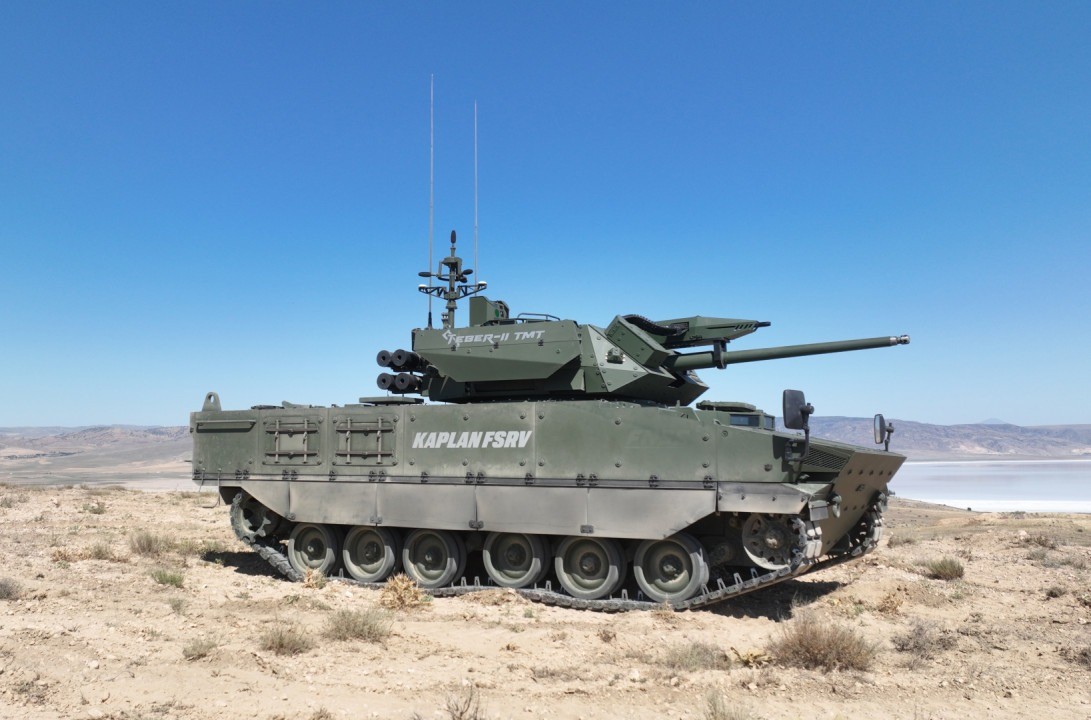
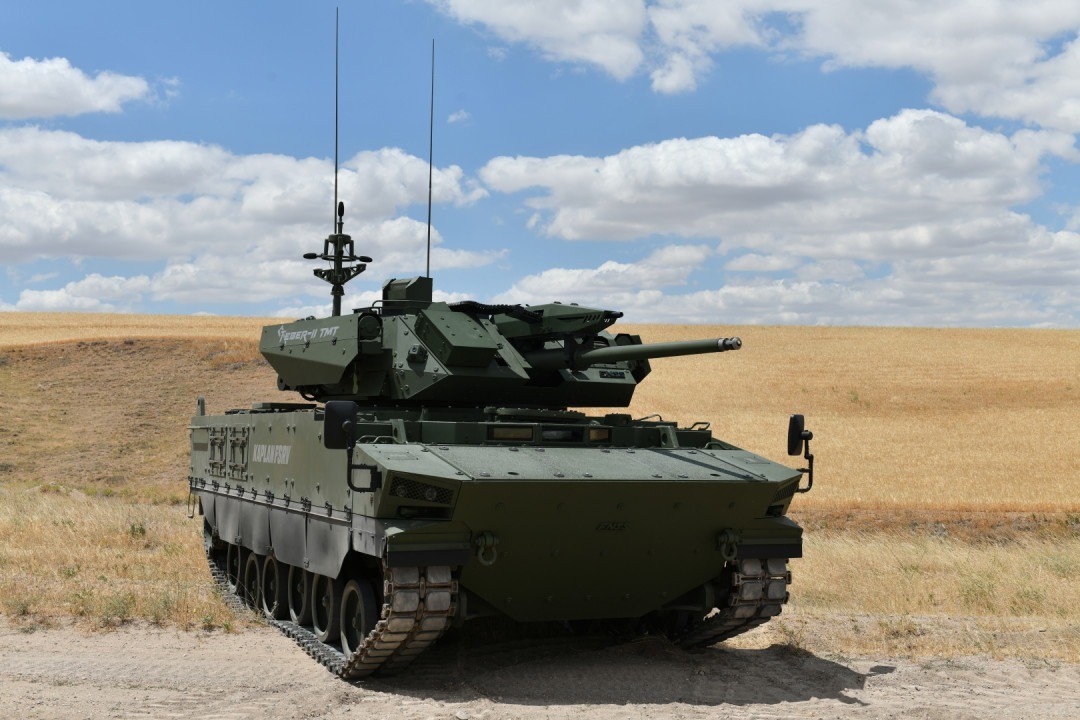
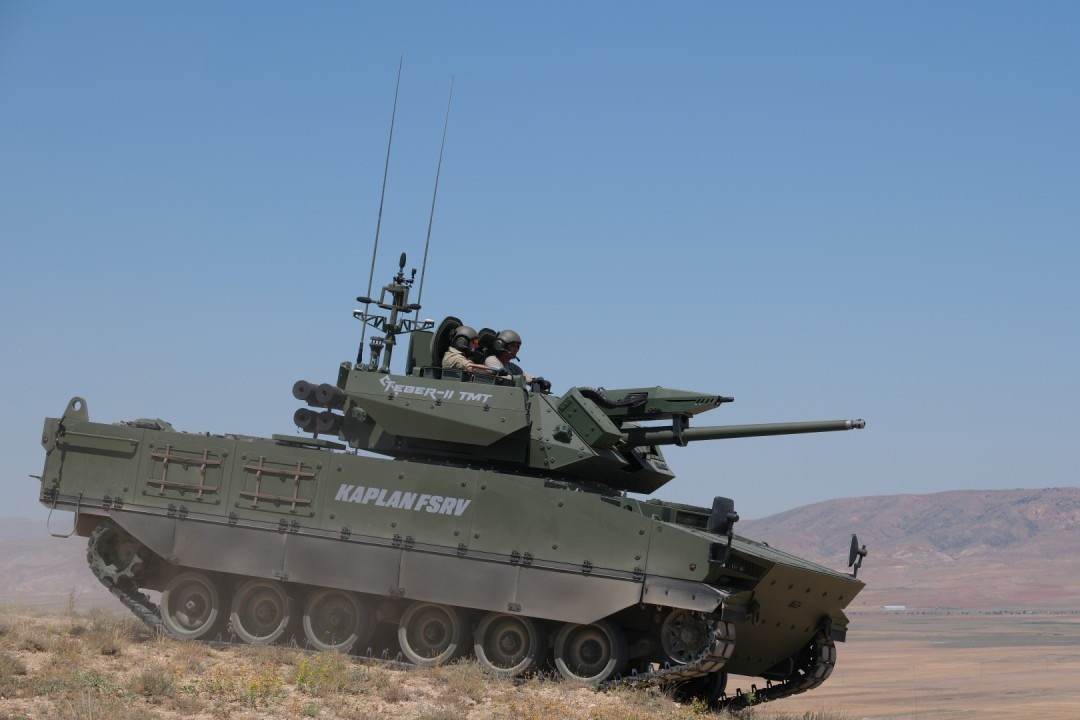
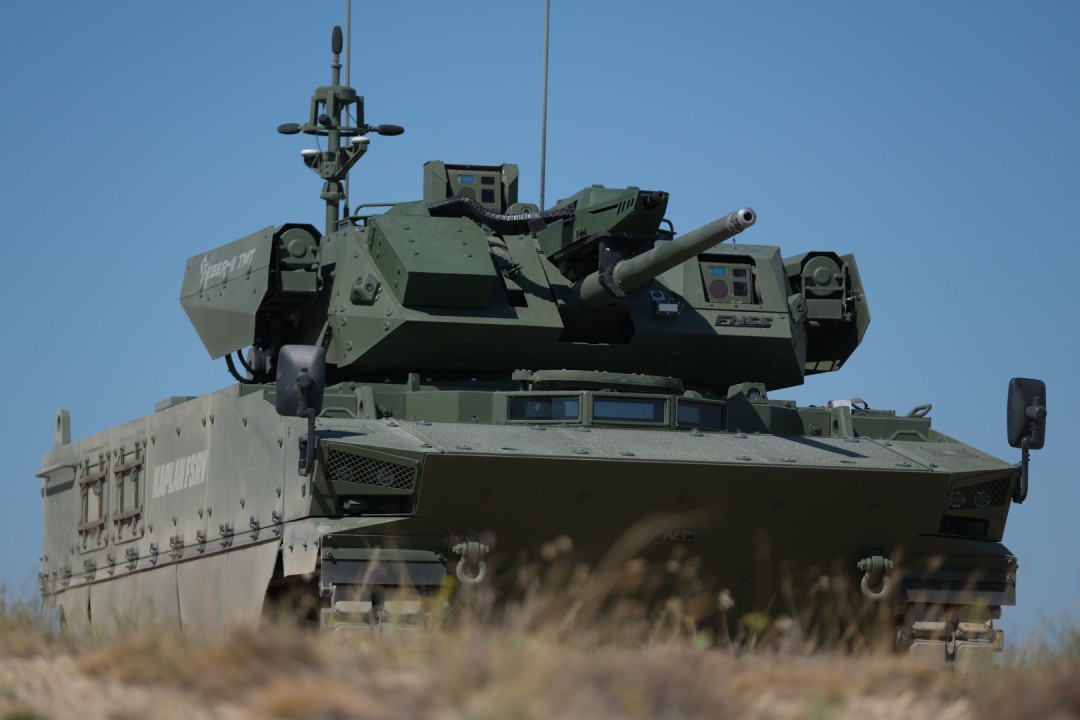
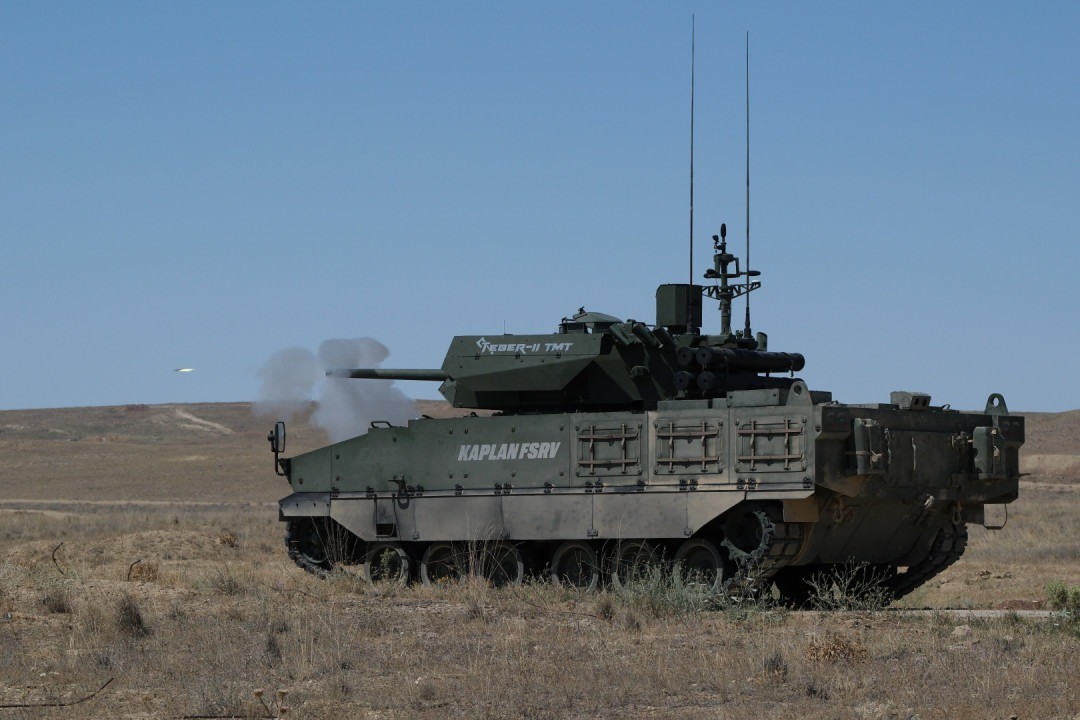
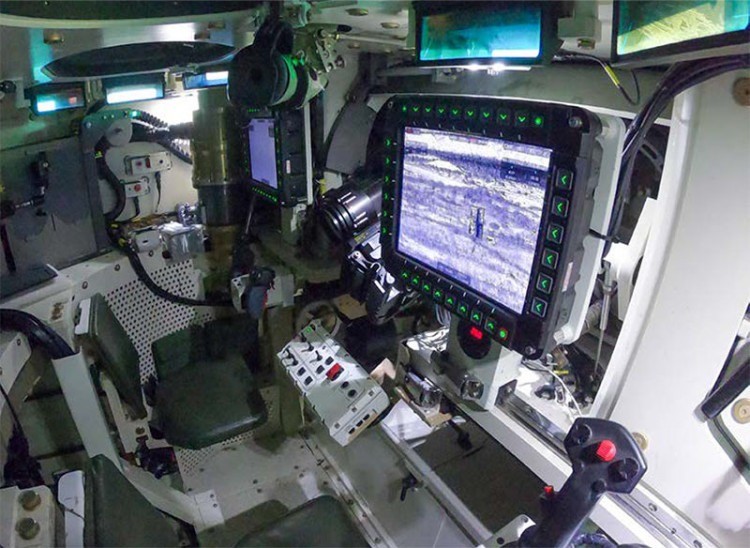
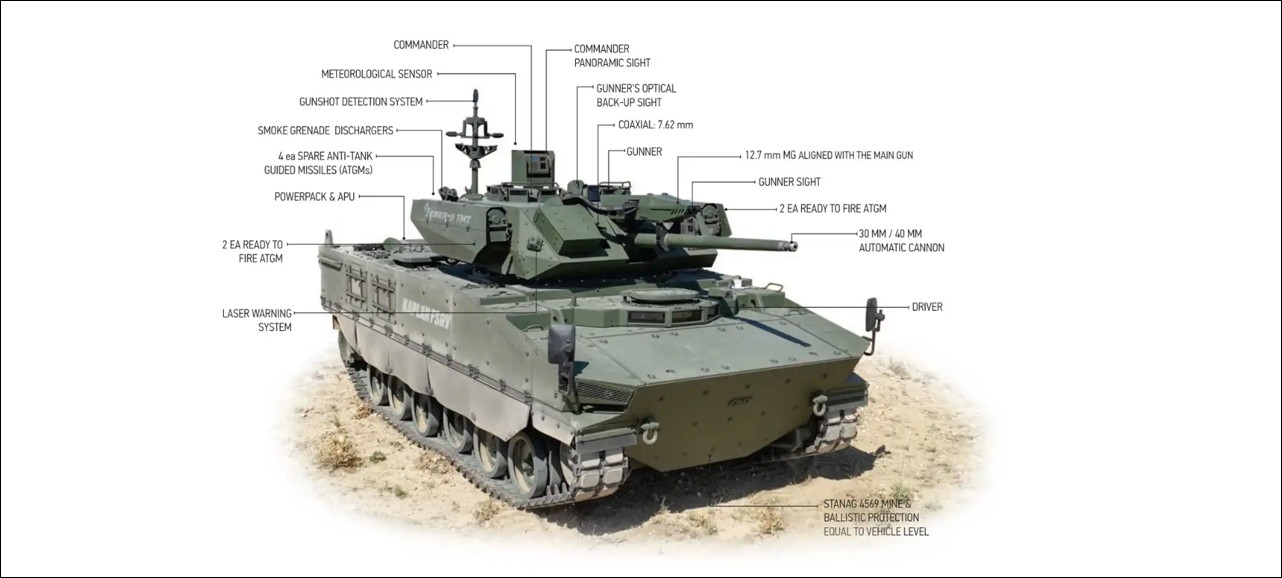
The KAPLAN FSRV (Fire Support and Reconnaissance Vehicle) is an advanced platform designed to address the challenges of both symmetric and asymmetric warfare, inspired by recent operational requirements. This vehicle embodies the latest innovations in military design and operational tactics, reflecting modern NATO doctrine, which prioritizes interoperability, maneuverability, and a network-centric approach to combat. Equipped with state-of-the-art commander's sights and sensors, the KAPLAN FSRV excels in high-speed mobility across all terrains, enabling it to penetrate deep into hostile territory. This capability allows for the gathering of real-time intelligence, essential for strategic decision-making. Such features align with the military’s focus on enhancing situational awareness and facilitating effective intelligence sharing among allied forces. The KAPLAN FSRV includes day and thermal cameras, a multifunctional digital dashboard for the driver, and wide-angle optical periscopes. It can also feature integrated 360-degree situational awareness cameras that provide day and night vision for the crew. Additionally, users have the option to equip the turret with tube-launched surveillance drones or a tethered drone for forward reconnaissance, enabling operations while the vehicle is in motion. To enhance its hunter-killer capability, the KAPLAN FSRV is available with a third-generation high-performance sighting system for both the gunner and the commander. It also includes a Battlefield Management System (BMS) to provide a high level of tactical situational awareness for the crew. Depending on user requirements, electronic warfare (EW) systems can be integrated to improve multispectral capabilities, protect against cyber-attacks, and ensure that operational systems remain secure at all times. The vehicle features the formidable TEBER II Two-Man Turret, which has a conventional configuration with the commander and gunner situated in the turret basket. The TEBER-II 30/40 TMT incorporates the latest advancements in turret drives, fire control, protection, and lethality. It is designed to operate effectively day or night and under various weather conditions and battle environments, thanks to its integrated sensors and electronic systems. Both the gunner and the commander can control all functions of the turret. Moreover, if necessary, the gunner can aim the gun using a backup optical sight and manually adjust the turret in traverse and elevation to engage targets. The main armament consists of the Mk44 30 mm dual-feed automatic cannon, which has 300 ready-to-fire rounds and a maximum rate of fire of 200 rounds per minute. Two types of ammunition can be loaded into the turret's double ammunition box, allowing for the effective neutralization of various target types. Different types of ammunition can be utilized, primarily high-explosive, anti-armor, or programmable airburst rounds. In particular, the programmable ammunition ensures that detected targets can be engaged in the most effective manner. The turret can also accommodate SuperShot 40 mm (40x180 mm) ammunition, as the 30 mm cannon can be easily converted in the field for this purpose through a simple replacement. Additionally, there is a 7.62 mm coaxial machine gun with 1,200 ready-to-fire rounds aligned with the main gun. An external feed 12.7 mm machine gun, positioned on top of the barrel and carrying 300 rounds, is also available. As user options, the commander's independent sight can be replaced with an “Overhead Remote-Controlled Weapon Station” (ORCWS), which can elevate up to +85° and provide low depression angles. This independent weapon system can rotate 360° continuously and allows for target engagement independent of the turret’s position, utilizing either a 7.62 mm or a 5.56 mm machine gun. The high elevation capability is beneficial for addressing threats from elevated positions in urban environments, such as buildings and rooftops, as well as drones approaching from above. Two anti-tank guided missile (ATGM) launchers are integrated on either side of the turret. Depending on user requirements, modern medium-range ATGMs, such as infrared homing "Fire and Forget" or "Laser Beam Rider Command to Line of Sight" (CLOS) missiles, can be installed on the modular launcher. The two ATGM launchers can be operated separately, allowing them to be elevated at different angles to accommodate the most common ATGMs available on the market. Based on user needs, the ATGM launchers can be replaced with "Loitering Munitions" that provide both intelligence, surveillance, and reconnaissance (ISR) capabilities, as well as lethality. The turret drive system is electric, with two-axis stabilization that ensures high accuracy even when firing on the move. The turret can rotate seamlessly 360°, with an elevation arc ranging from -10° to +45° and an angular speed of over 60° per second. The TEBER-II 30/40 TMT features advanced fire control capabilities due to its onboard fire control computer and the two-axis stabilized independent sighting system. It can generate real-time kinematic lead and super elevation solutions with superior automatic target tracking based on range. Thanks to these features, the TEBER-II 30/40 TMT offers a high first-round hit probability for both stationary and moving targets, ensuring more effective ammunition usage. The dual-axis stabilized sight system includes a long-wave or mid-wave thermal imager, a day camera with wide and narrow fields of view, and a laser range finder. The sight is also equipped with an automatic tracking system. This combination enables the KAPLAN FSRV to deliver substantial fire support by engaging multiple target types, including enemy main battle tanks, armored vehicles, gun emplacements, and infantry, thereby ensuring fire superiority across all domains. The KAPLAN FSRV is designed for rapid force projection and is based on the KAPLAN MT medium tank platform, which is currently in service with the Indonesian Army. Its medium-weight tracked armored platform allows it to adapt quickly to different terrains and operational contexts, ensuring effective deployment in various environments, including urban areas with low infrastructure. The platform is engineered for optimal weight and mobility. It features a state-of-the-art power pack combined with advanced electronic control systems, an Auxiliary Power Unit (APU), and a heavy-duty suspension. These elements enable the vehicle to maintain reliable and continuous firepower during expeditionary missions on the battlefield, both day and night. Additionally, the KAPLAN FSRV’s advanced mobility system minimizes vibration, enhancing user comfort and extending the lifecycle of mission equipment. In line with traditional tank design, the power pack of the KAPLAN FSRV is positioned at the rear of the platform. This configuration improves mobility and accelerates performance, particularly on soft soil, sand, and rough terrain. It also enhances situational awareness for the driver by providing a wide optical view without the need to open the top hatch while navigating through cross-country and urban environments. The platform's architecture allows the main gun to have a significant depression angle, a capability that front-engine vehicles converted from personnel carriers or Armored Fighting Vehicles (AFVs) cannot provide. The KAPLAN FSRV is designed for superior battlefield survivability, featuring fully qualified ballistic protection and best-in-class mine protection systems. It also allows for easy integration of modular armor and slat armor, enabling users to tailor their protection level based on threat levels and mission requirements. In line with NATO’s commitment to force protection, optional features like the Laser Warning System (LWS), Gunshot Detection System, and Active Protection System can be integrated based on user needs. The interior design of the KAPLAN FSRV emphasizes ergonomics, ensuring optimal crew comfort and enhancing overall crew performance during operational tasks. As a light to medium weight tank platform, it offers a lower silhouette compared to other armored tracked vehicles converted from personnel carriers or AFV configurations. The vehicle is equipped with two banks of nine 40 mm grenade launchers on each side of the turret, providing maximum coverage. These launchers can be replaced with other calibers according to user specifications. The KAPLAN FSRV is designed for seamless integration into combined-arms operations, a fundamental aspect of NATO's and its Allies' operational strategies. Through advanced communication networks and interoperable systems, the KAPLAN FSRV supports joint missions, enhancing coordination among armor, infantry, artillery, and close air support, thereby ensuring a cohesive operational approach. As future battlefields become increasingly unpredictable and complex, the KAPLAN FSRV provides a robust solution to contemporary military challenges. By combining the capabilities of advanced armored vehicles with the modern operational concepts of today's armies, the KAPLAN FSRV not only improves combat effectiveness but also sets a new standard for flexibility and responsiveness in military operations. In conclusion, the KAPLAN Combat Fire Support and Reconnaissance Vehicle represents a significant shift in operational flexibility for armored units, cavalry, and mechanized infantry. As nations prepare for the complexities of future conflicts, the KAPLAN FSRV is poised to redefine the boundaries of success on the battlefield, ensuring that allied forces remain at the forefront of global security initiatives. The KAPLAN FSRV is compliant with modern military logistics, being transportable on highways and railways and compatible with a fleet of strategic airlifters such as the A400M, C-17 Globemaster, C-5 Galaxy, An-124, and Il-76. With this level of airlift compatibility, the KAPLAN FSRV is always ready to establish dominance wherever the mission requires.