CRJ200 Canadian Transport Aircraft
CRJ200
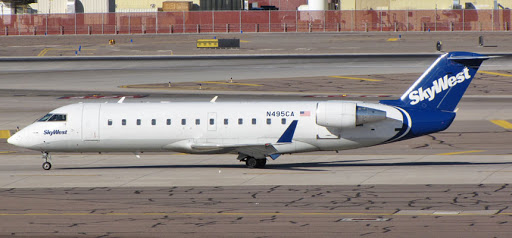
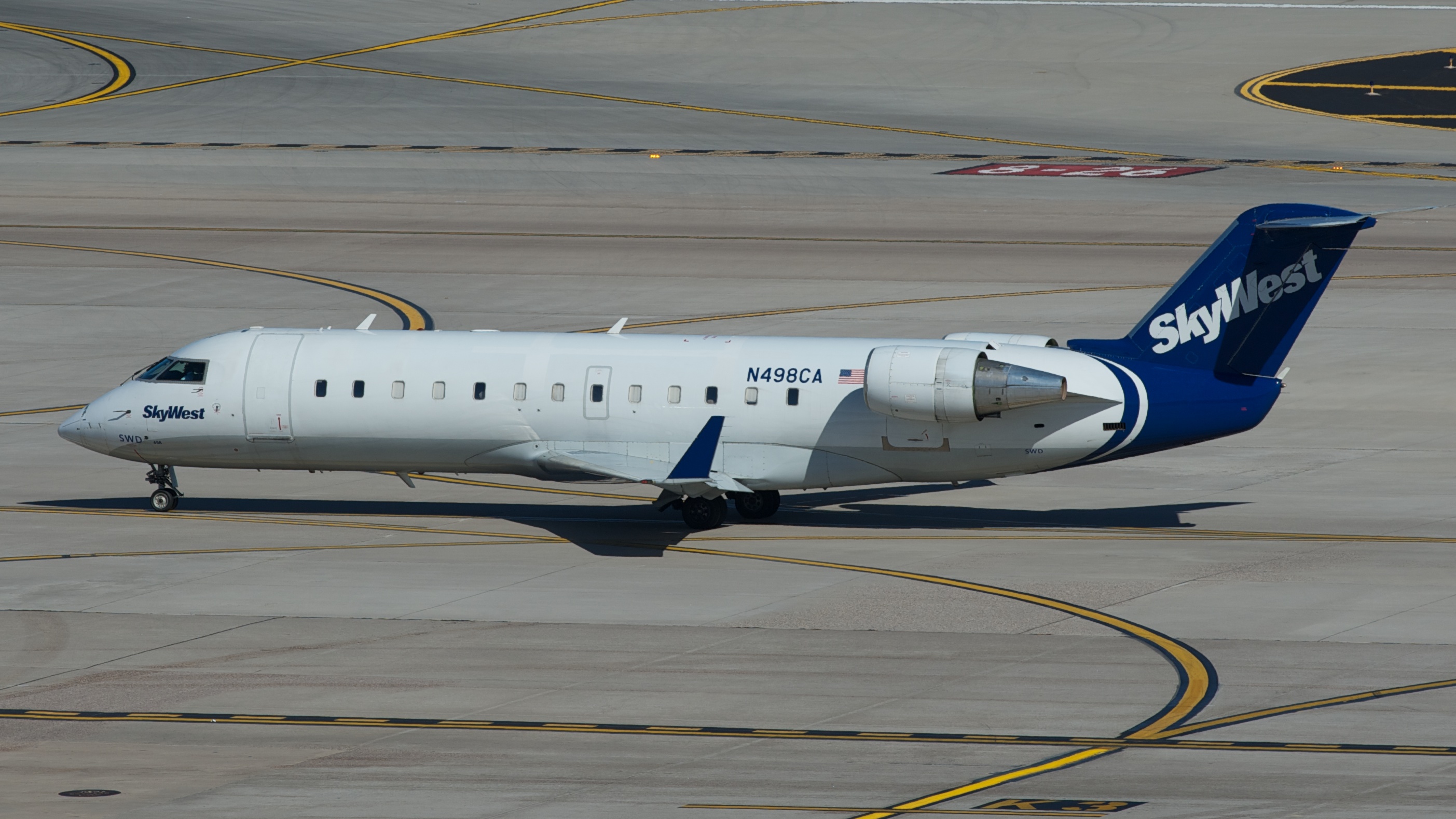
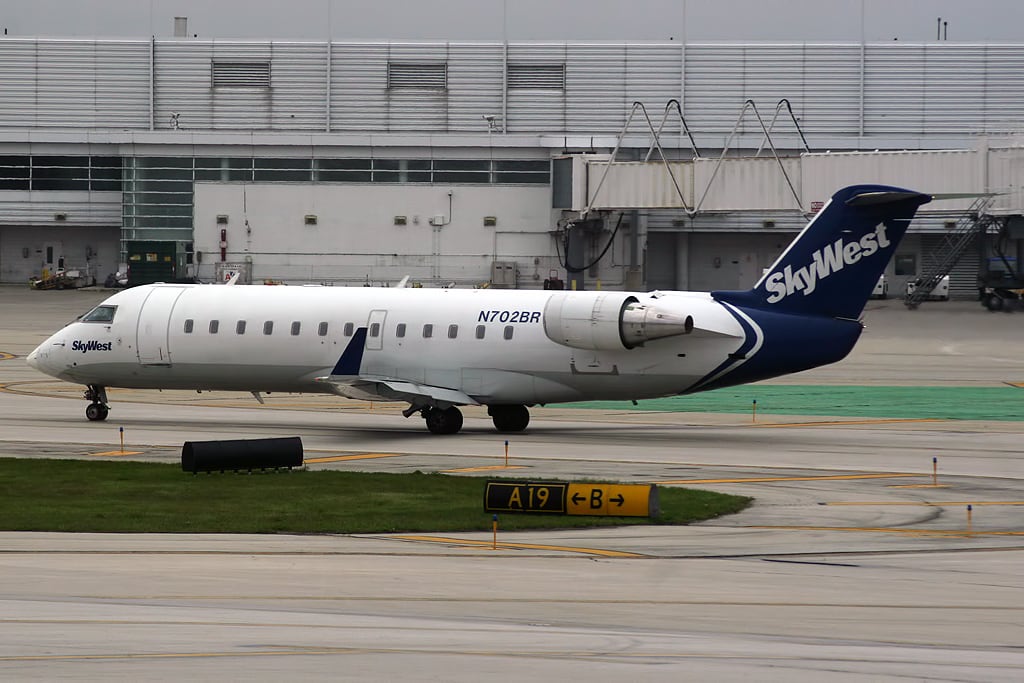
The Bombardier CRJ100 and CRJ200 (formerly known as the Canadair CRJ100 and CRJ200) is a family of regional airliners that was designed and manufactured by Bombardier Aerospace between 1991 and 2006. The CRJ was Canada's second civil jet airliner after the single prototype of the Avro Canada C102 Jetliner (which never entered commercial service). It was based on the Bombardier Challenger 600 series business jets. An initial effort to produce an enlarged 36-seat version of the aircraft, known as the Challenger 610E, was terminated during 1981. Shortly after Canadair's privatization and sale to Bombardier, work on a stretched derivative was reinvigorated; during early 1989, the Canadair Regional Jet program was formally launched. On 10 May 1991, the first of three CRJ100 prototypes conducted its maiden flight. The type first entered service during the following year with its launch customer, German airline Lufthansa. The initial variant, the CRJ100, was soon joined by another model, designated as the CRJ200. It was largely identical to the CRJ100, except for the installation of more efficient turbofan engines, which gave the aircraft lower fuel consumption, increased cruise altitude and cruise speed. During the 1990s, various additional versions and models of the type were developed and put into service. During the late 1990s, a substantially enlarged derivative of the airliner, referred to as the CRJ700, was developed; it was soon joined by the even larger CRJ900 and CRJ1000. During 2006, production of both the CRJ100 and CRJ200 came to an end; the majority of produced airliners have remained in revenue service to date. Additionally, several airlines have modernized their fleets to support extended service. The Bombardier CRJ100 and CRJ200 are a family of jet-propelled regional airliners, based upon the design of the Challenger CL-600 business jet. Roughly, the CL-600 was stretched 5.92 metres (19 feet 5 inches), which was achieved using fuselage plugs fore and aft of the wing, and was matched with the adoption of a reinforced and modified wing, an expanded fuel capacity, improved landing gear to handle the higher weights, and an additional pair of emergency exit doors. When installed in a typical seating configuration, the CRJ100 would accommodate 50 passengers; while in a maximum configuration, 52 passengers could be accommodated. It was powered by a pair of General Electric CF34-3A1 turbofan engines, each of which was capable of generating up to 41.0 kN (4,180 kgp / 9,220 lbf) of thrust. The CRJ100 featured a Collins-built ProLine 4 avionics suite, including a weather radar.