Cygnus
Cygnus


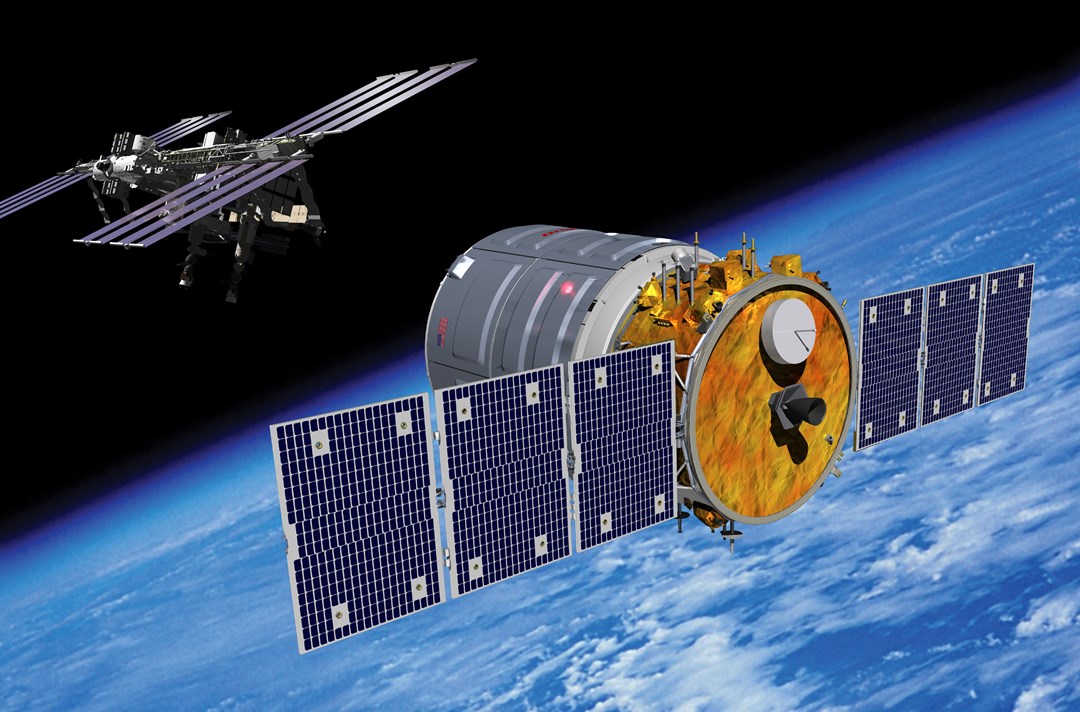

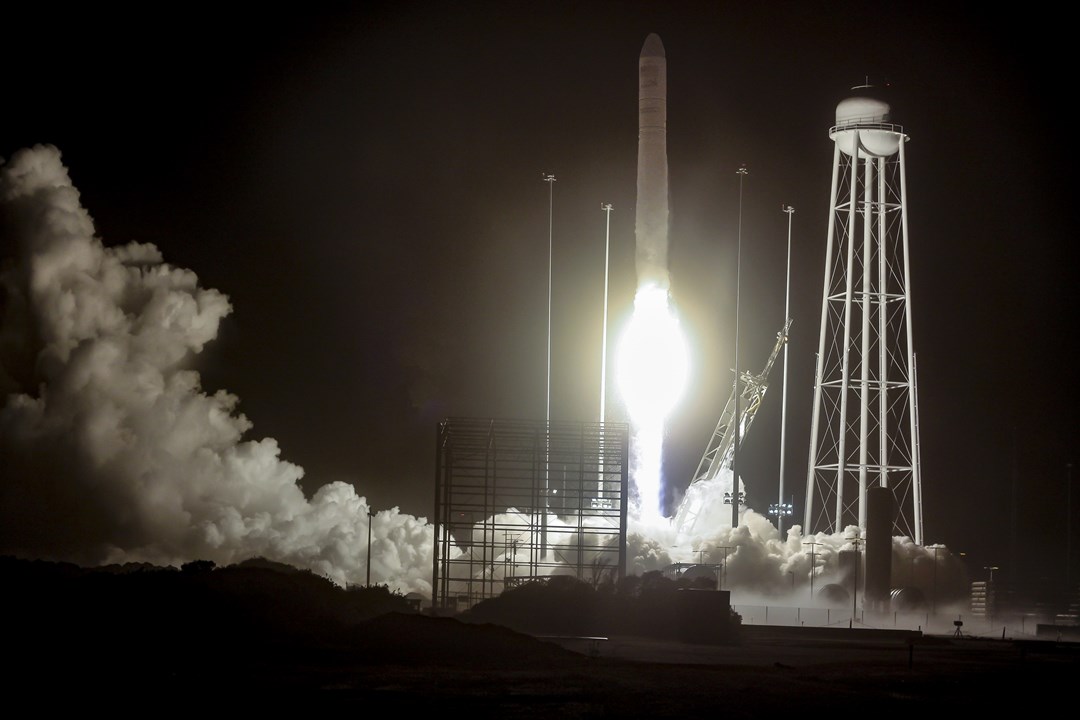
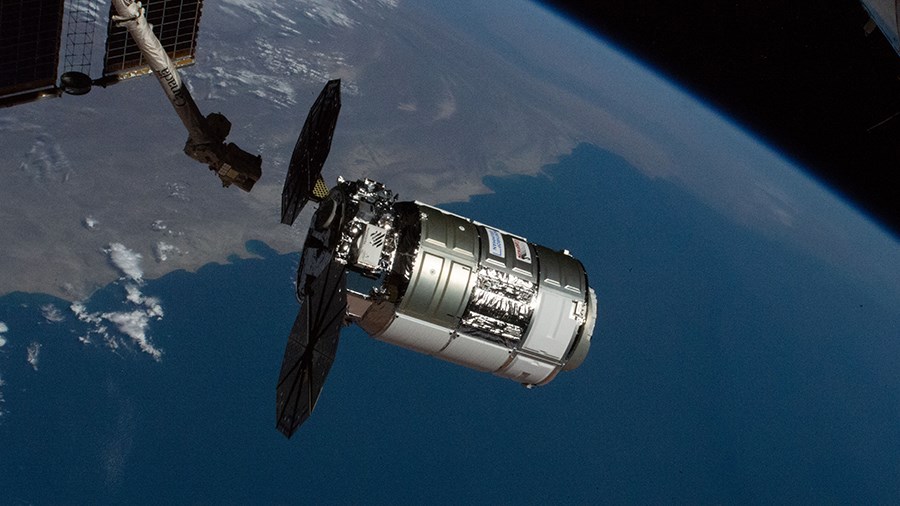
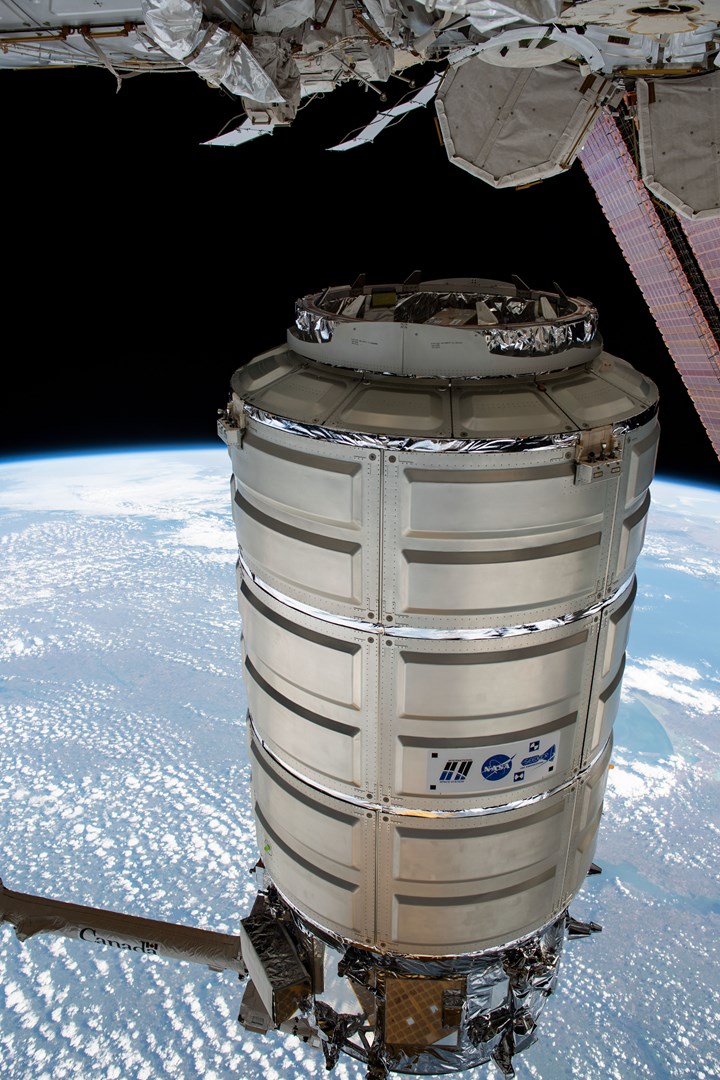
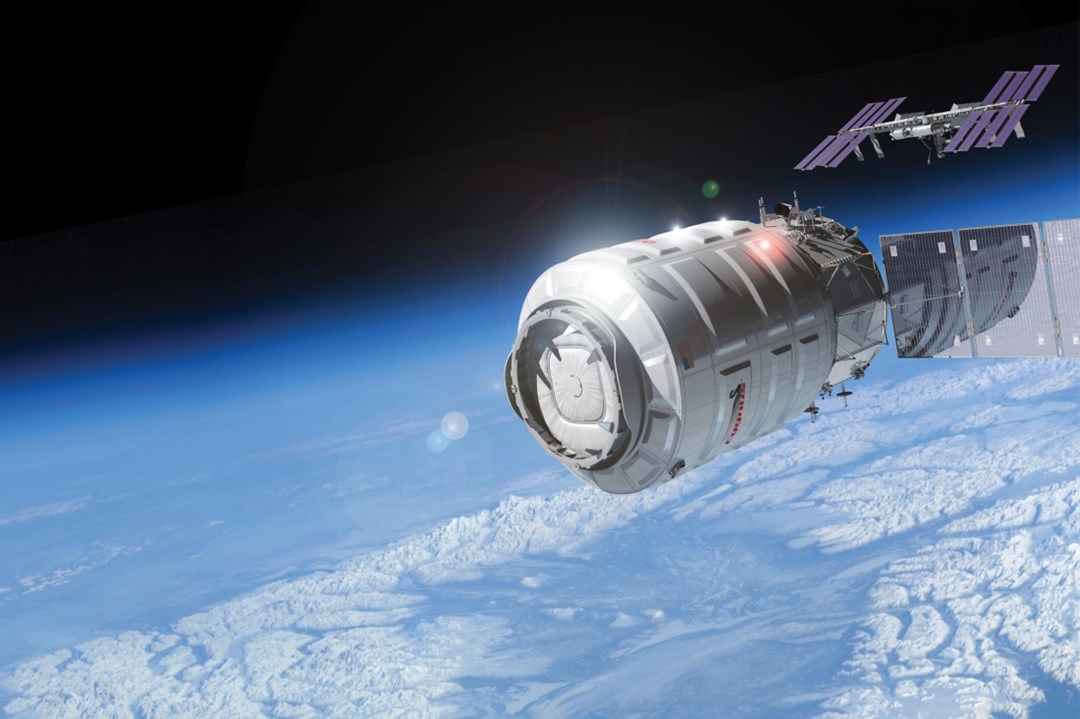
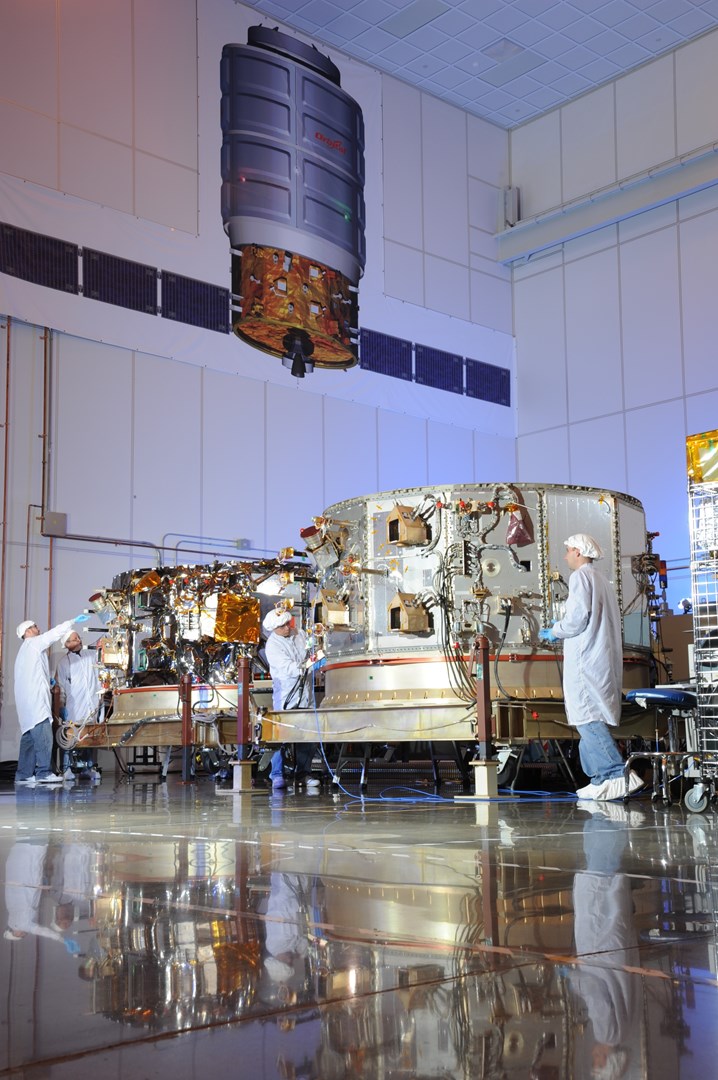
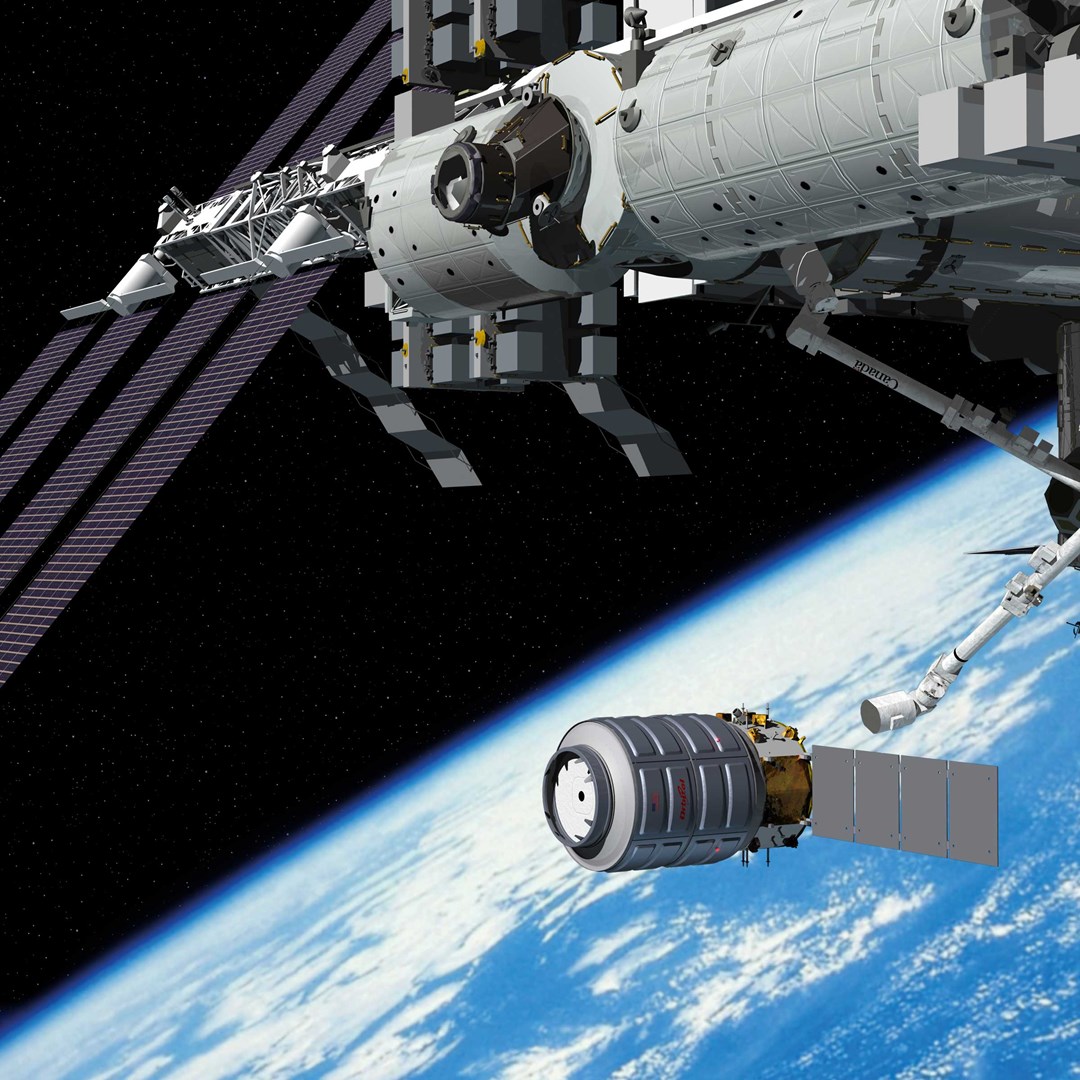
The Orbital Sciences Corporation Cygnus is an unmanned spacecraft designed to deliver cargo and logistics to the International Space Station (ISS) developed under NASA's Commercial Orbital Transportation Services (COTS) program started in 2008. Cygnus consists of a common Service Module (SM) and a Pressurized Cargo Module (PCM). The SM incorporates avionics, power, propulsion and communications systems already successfully flown aboard dozens of Orbital's satellites. The PCM, designed and built by Thales Alenia Space, is based on the Multi-Purpose Logistics Module (MPLM) previously used with the Space Shuttle. The first mission of Cygnus was completed on September 29, 2013, docking with the ISS ten days after the spacecraft launch by Orbital's Antares rocket. The spacecraft carried a payload of 700 kg. With a full load of cargo and fuel, the standard-configuration Cygnus cargo logistics spacecraft weighs about 5,200 kg at launch and generates 3.5 kw of electrical power while in orbit. It is capable of extended-duration missions of a year or longer in space. Cygnus has a total cargo up-mass capacity of 2,000 kg in its standard configuration, expanding to 2,700 kg in its enhanced design for later missions.
deagel.com: https://www.deagel.com/x/x/a002879