ARMSNET
Military Equipment Database
Initializing 0%

TARS

TARS

Surveillance Aerostats
Spotted an error? Sign in to suggest an edit.
Basic Information
Name
TARS
Designation
TARS
Alternate Designation
Persistent Threat Detection System, PTDS, Tethered Aerostat Radar System
Equipment Type
Surveillance Aerostats
Manufacturer
Lockheed Martin
Date of Introduction
1978
Description

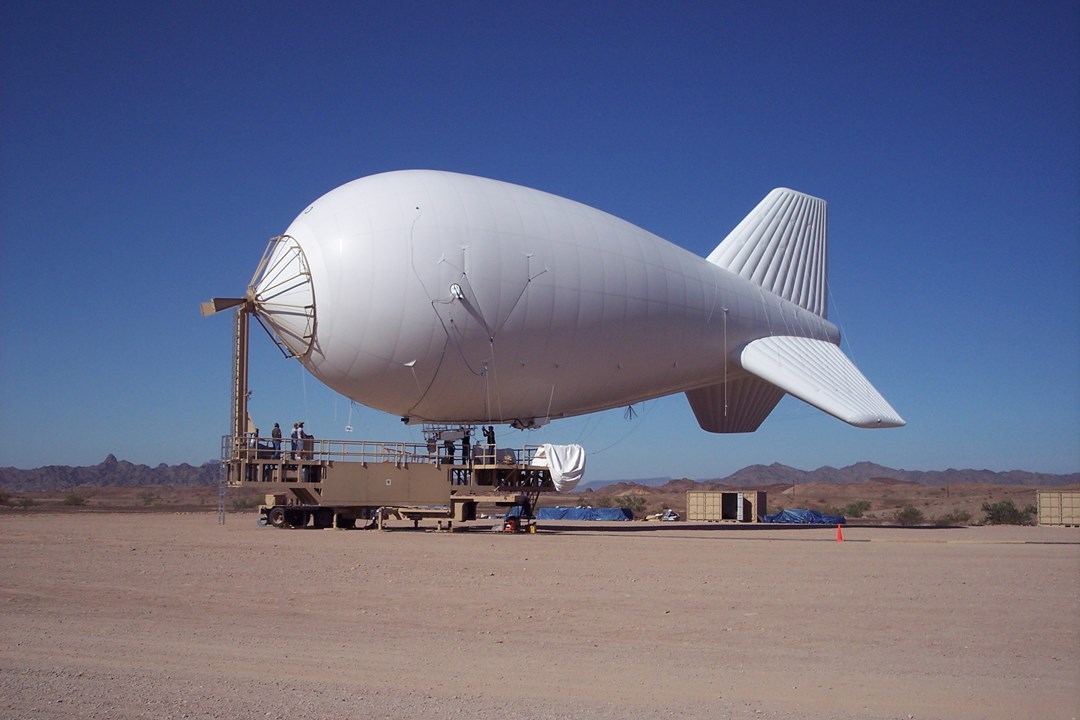
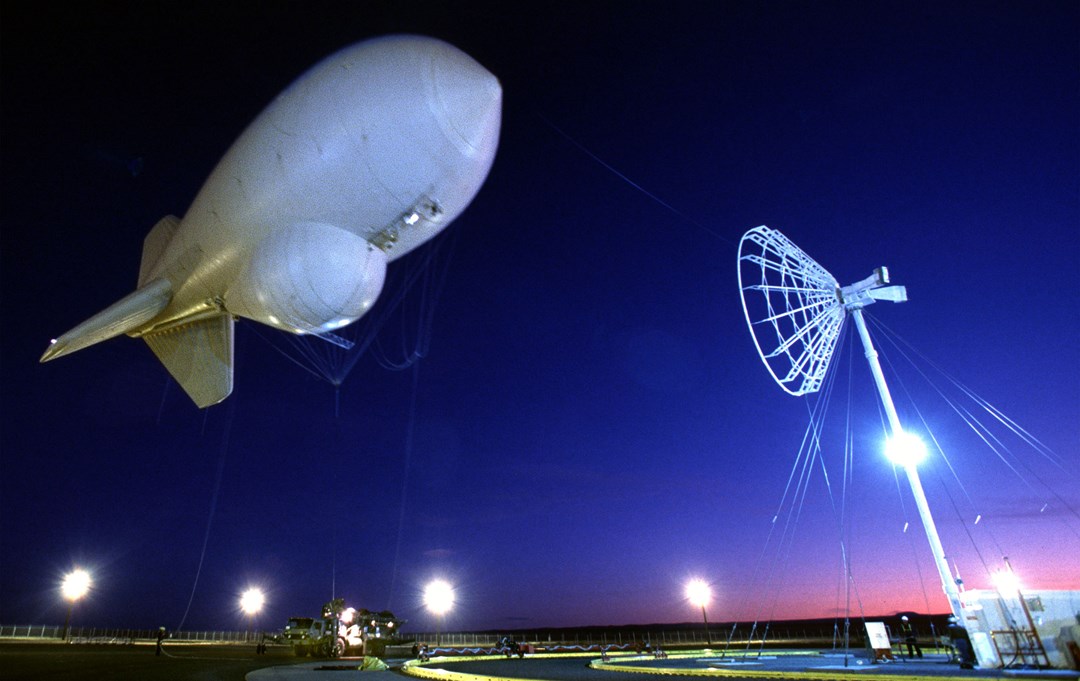
The Tethered Aerostat Radar System (TARS) is a helium balloon borne radar system. Its primary mission is to provide radar data information to US agencies in support of drug interdiction missions. On the other hand, TARS can perform a wide range of long endurance (only limited by the weather) surveillance missions. The TARS has been deployed by the US Air Force for persistent drug interdiction missions since 1984. It can detect targets at 200 miles (around 320 km). In 2004 two aerostat systems were deployed in Iraq to perform surveillance missions against terrorists and insurgents attacks. The TARS consists of three sizes of aerostats raging from 56,000 to 625,000 cubic feet which can accommodate three varieties of radar systems (L-88 radar). The whole system comprises the aerostat, mooring system, airborne power generation system, and radar assembly.

Air & Air Defense Specifications
Range 321.9 km
Service Ceiling 4572 m
Overview (Deagel)
Group Surveillance Aerostats
Status Active
Also Known As Persistent Threat Detection System, PTDS, Tethered Aerostat Radar System
Origin United States of America
Contractor Lockheed Martin
Initial Operational Capability (IOC) 1978
Total Production 8,000
Unitary Cost USD $800,000
Specifications (Deagel)
Crew 0
Mass — Payload 1,542 kilogram
Performance — Ceiling 4,572 meter
Gear (Deagel)
Item 1 Mapping Systems: AN/ZPY-1 STARLite (1)
Details
Country of Origin United States
Classification
Domain
Air & Air Defense
Equipment Status
Active
Operators (1)
United States
Something went wrong. Please reload the page. Reload