Molniya-2 Russian Unmanned Aerial Vehicle (UAV)
Molniya-2
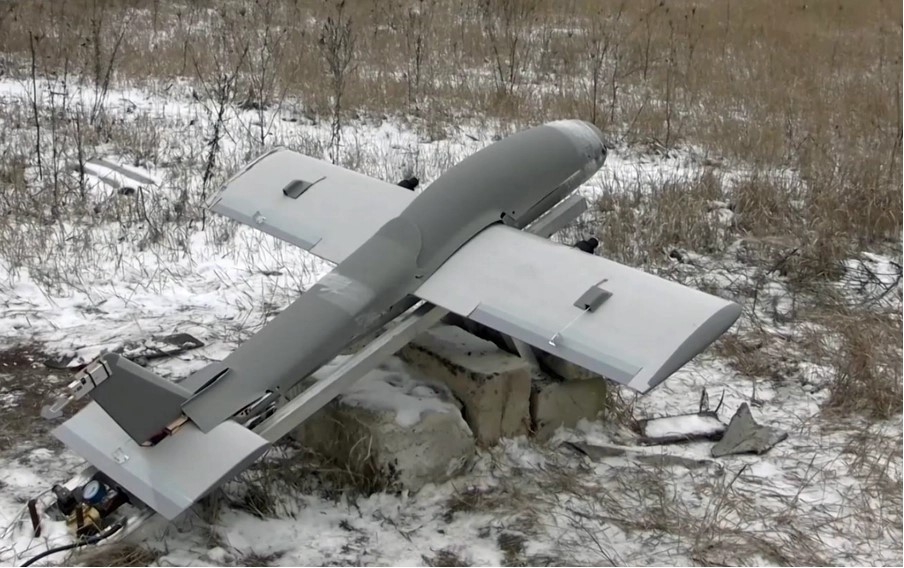


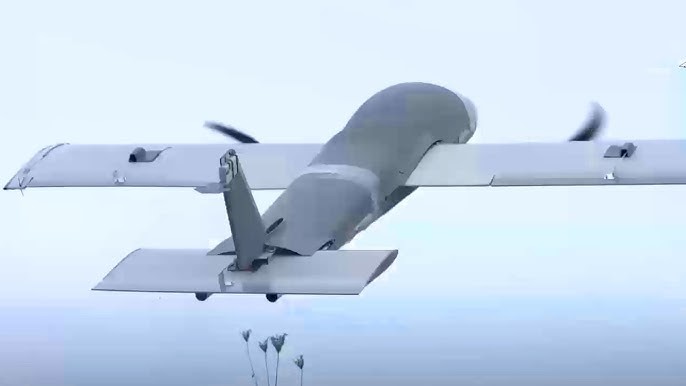
The Molniya-2 Russian Unmanned Aerial Vehicle (UAV) is a fixed-wing, first-person view (FPV) loitering munition developed as a low-cost, mass-produced kamikaze drone for deployment in the Ukraine conflict. The Molniya-2 is characterized by a simple, economical construction, with an airframe consisting of two longitudinal aluminum tubes forming the fuselage, a center section, and wings made from plywood and foam. Additional structural components utilize plastic, wood, and other basic materials, facilitating rapid assembly and field repair. This intentionally rudimentary design emphasizes affordability and mass production over technological sophistication, aligning with the so-called "Kalashnikov of drones" philosophy: reliability, ease of use, and versatility. The system can be transported by three soldiers in ten disassembled pieces, each carried in a backpack. The Molniya-2 is primarily intended for mass deployment and swarm attacks, in which multiple drones are launched simultaneously to overwhelm enemy air defenses. This strategy contrasts with precision-strike drones such as the MQ-9 Reaper, which prioritize accuracy over numerical advantage. The low production cost of the Molniya-2 enables Russia to manufacture large quantities and absorb losses, making it well-suited for attrition warfare. Operators control the drone using a basic first-person view system, receiving video feeds from an onboard camera and displaying them on operator glasses or screens. The standard guidance method employs ERLS control systems with active telemetry, a vulnerability that Ukrainian forces have exploited through electronic warfare jamming. In September 2025, Russian forces began integrating fiber-optic cables into Molniya-2 UAVs, significantly enhancing their capacity for extended-range strikes. The fiber-optic tether provides immunity to electronic jamming and maintains high-quality video transmission, although it reduces both operational range and payload capacity compared to standard models. As of December 2025, Russian units have begun equipping both strike and reconnaissance variants of the Molniya-2 drone with commercial Starlink satellite communication terminals. This modification enables control and data transmission beyond line-of-sight constraints, significantly increasing operational resilience against conventional electronic warfare countermeasures and facilitating precision targeting at extended ranges. Ukrainian forces have developed effective countermeasures against standard Molniya-2 drones. Electronic warfare specialists have targeted the ERLS control systems by jamming specific transmission frequencies using interceptor FPV drones, resulting in documented cases of Molniya-2 drone disablement. However, the integration of Starlink terminals in newer variants largely neutralizes these conventional electronic warfare methods, creating a substantial tactical challenge for Ukrainian air defense systems. Since its introduction to the battlefield, the Molniya-2 has demonstrated high effectiveness, in part due to its simple design. Russian forces have reported numerous successful strikes against Ukrainian personnel, armored vehicles, military facilities, and logistics infrastructure across various sectors of the conflict. The drone's affordability, ease of maintenance, rapid deployment, and increasing technological sophistication have established the Molniya-2 as a central component of Russia's contemporary drone warfare capabilities.