Galileo
Galileo
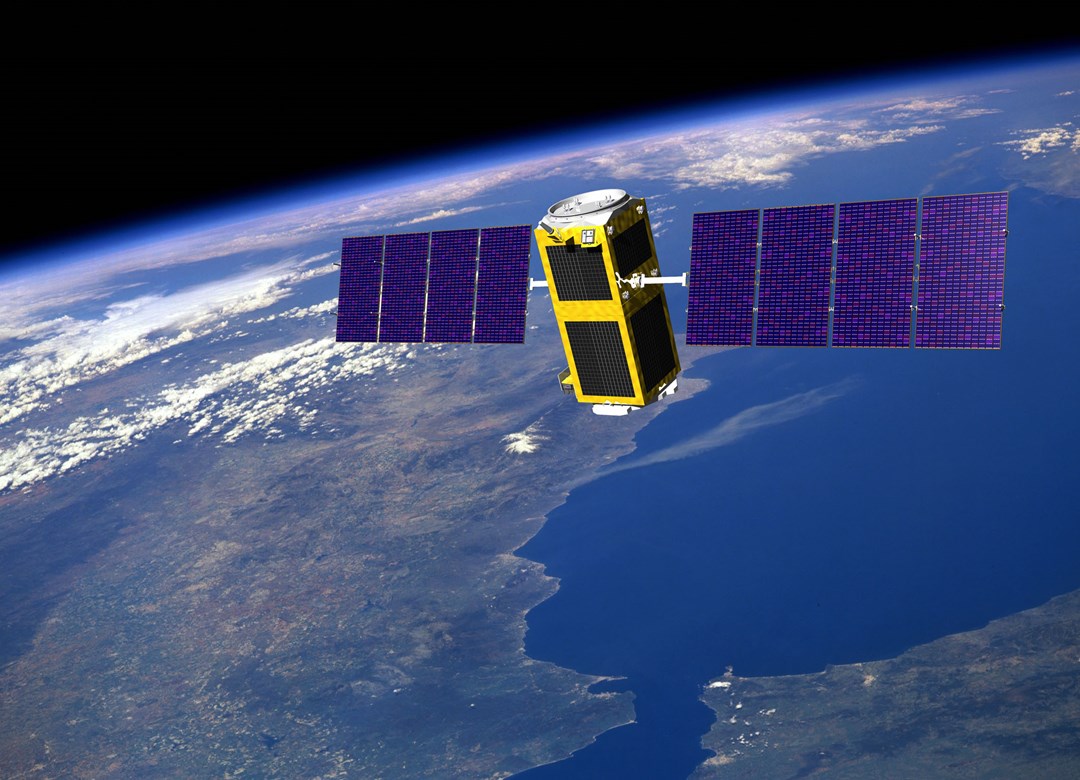
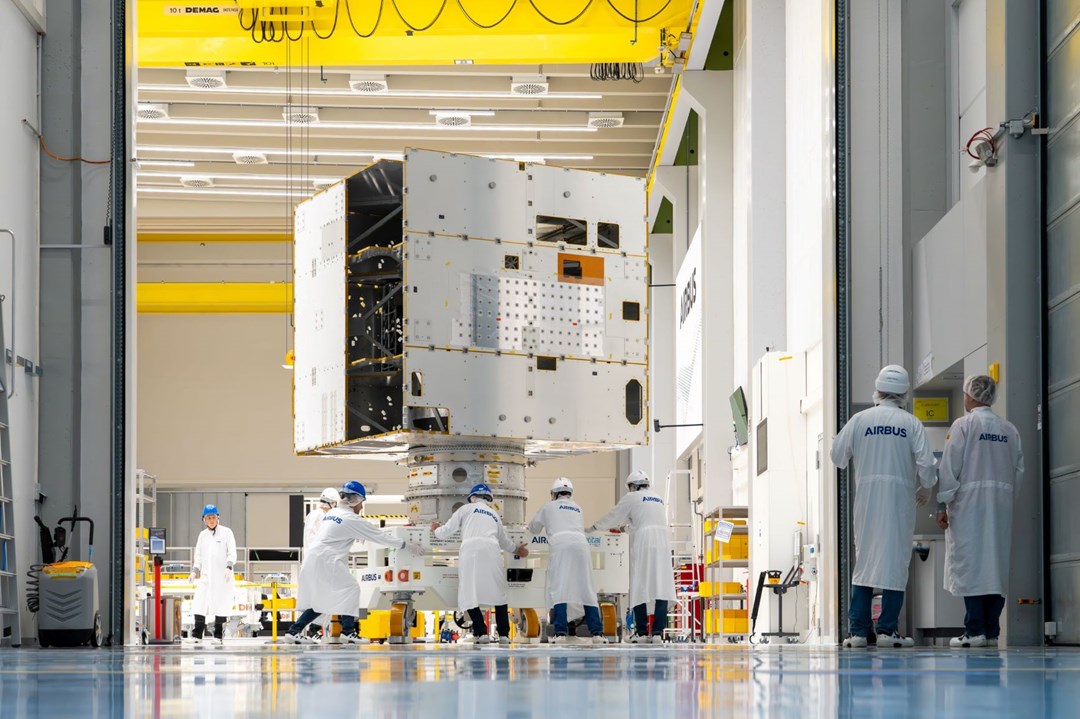


The Galileo is a joint European Union and ESA project intended to provide a global navigation satellite system with superior performance compared to US GPS (NAVSTAR) system or other surrogate systems such as Russian GLONASS. Moreover, Galileo system will be fully compatible with GPS/NAVSTAR and GLONASS. The Galileo Joint Undertaking (GJU) is responsible for the management of the Galileo program and bidders selection. The European Space Agency (ESA) and Galileo Industries will make up a global independent satellite navigation system, under civil control to offer greatly expanded services tailored to mass-markets, professional, and government users. These services include air navigation, synchronisation of GSM networks, electricity networks, international banking transactions, intelligent transport systems and road navigation. As of early 2004, the Galileo project was at its early stage of development and its constellation was set to comprise up to 30 satellites. Three bidders were selected for the final phase/concession with two preferred bidders expected to be selected in December 2004. On December 21, 2004, Galileo Industries, EADS Astrium has 38 percent stake, was selected as the contractor for the In-Orbit-Verification (IOV) Phase. The 20-year financial agreement/contract for the Galileo concession was anticipated in December 2005 following the down-select of one of two consortiums. The IOV Phase valued at 950 million Euro covers the construction and launch of the first four Galileo satellites and the in-orbit testing of this initial part of the overall system. The first four satellites are due for launch in 2008 but this date was delayed three years until 2011. A ground infrastructure is also required in order to develop and operate the system. A further 26 Galileo satellites will follow to make up a 30 spacecraft constellation, which is expected to become operational by the end of the decade (2020). EADS Germany is be responsible for systems engineering and parts of the ground segment. Navigation payload as well as the management and system engineering of the ground control segment which monitors and controls the satellites will be located in Portsmouth, United Kingdom. The Toulouse site in France will monitor satellites signal quality in support of the ground mission segment. In July 2005, Thales was selected to design the security policy of the Galileo satellite constellation. In December 2005 Galileo Concessionaire agreed various key locations for the Galileo program. The program's headquarters was to be located in Toulouse, France. Operations company located in London, United Kingdom; the two control and performance evaluation centers which are responsible for Galileo's constellation and mission in Germany and Italy; and Spain was hosting facilities supporting the control centers. The IOV Phase contract worth €1 billion was signed between ESA and Galileo Industries as the program's prime contractor on 19 January, 2006 in Berlin. Under IOV four spacecraft were scheduled to demonstrate the accuracy of the positioning signals in operational conditions through 2008. Finally these four spacecraft were launched two in 2011 and the other two in 2012. The first two production satellites were placed into the wrong orbit by a Soyuz-ST rocket launched from Kourou on August 22, 2014.
deagel.com: https://www.deagel.com/x/x/a000260