GMD
GMD

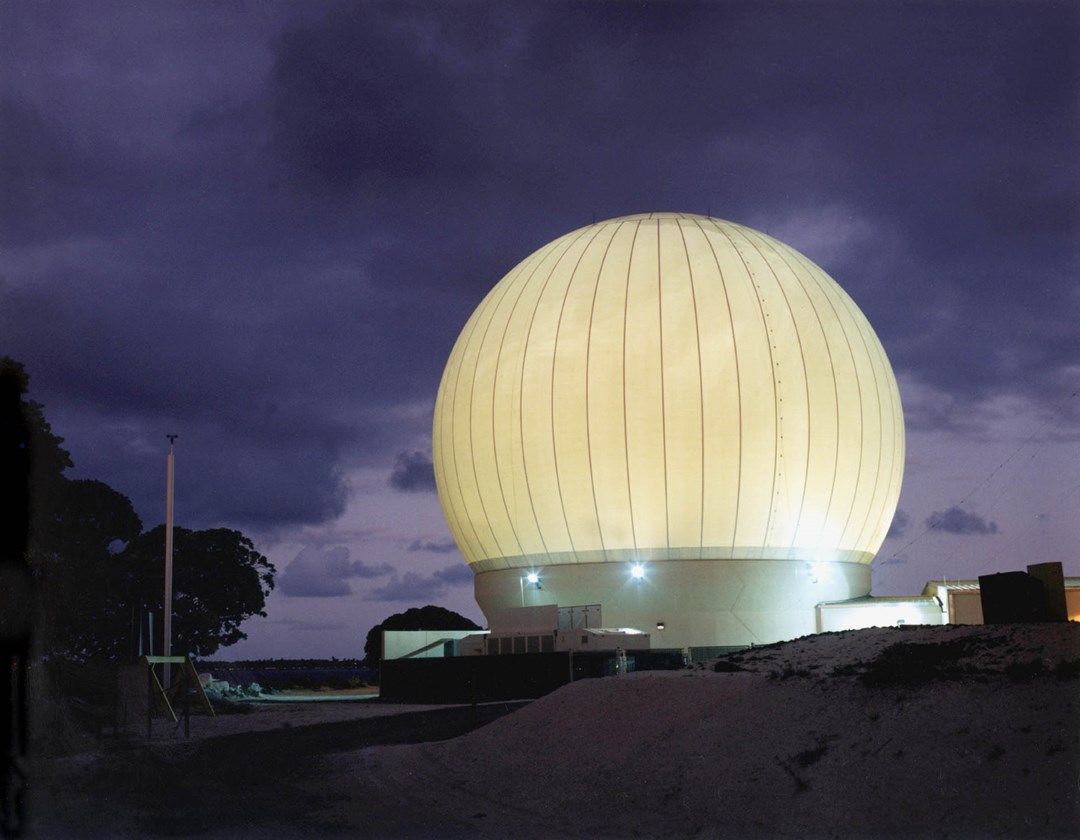

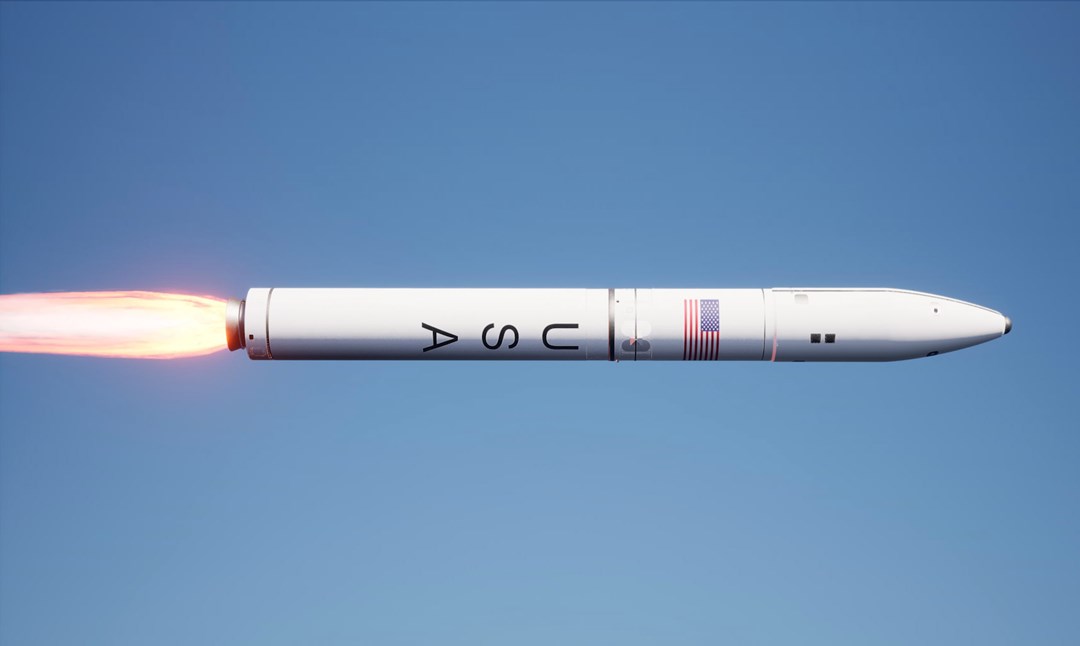
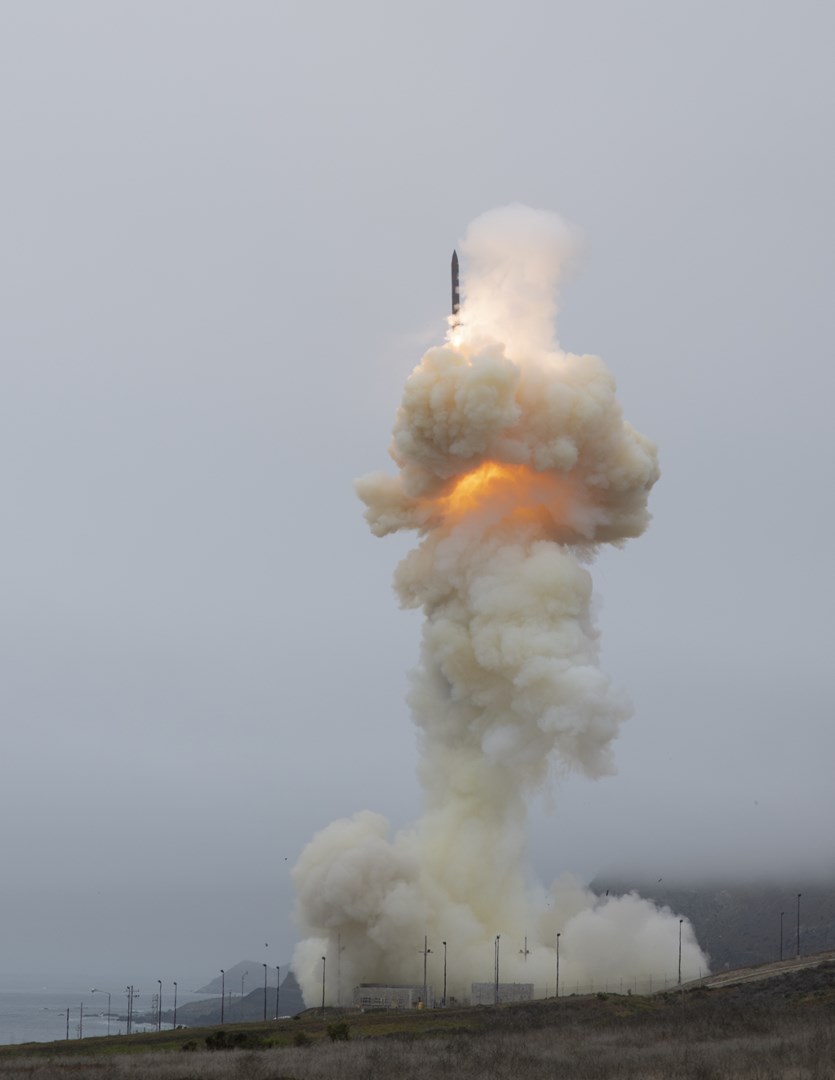
The Ground-based Midcourse Defense Segment (GMDS) was designed to provide homeland defense to the United States of America against ballistic missiles. The GMD is meant to destroy incoming ballistic missiles within a limited attack during their midcourse phase of flight. The system consists of upgraded early warning radars, Battle Management Command, Control and Communications (BMC3) installations, X-band radar, SBIRS and current DSP satellite networks, and the PLV interceptor. The GMD also includes launch installations, interfaces and other support facilities. All the key elements of the GMD such as the PLV interceptor were put into active duty without being fully operational. The US Air Force (USAF) declared initial operational capability (IOC) for this missile defense system in 2004. The SBIRS and DSP satellites provide early detection of ballistic missiles in the boost phase and in-flight track capability jointly with the upgraded early warning radars. The PLV carries the Exoatmospheric Kill Vehicle (EKV) to the engagement area with the reentry vehicle (ballistic missile) discriminating potential decoys and countermeasures. The data requested for such operation will be provided by the BMC3 and the X-band radar while supervising entirely the engagement. The GMD advanced architecture allows to such a system to be deployed within 5 years if the United States authorities request it. The GMD system is continuously improved by the program contractors in two-years Block upgrades while not requested for deployment. In 2002, President George Walker Bush directed the Department of Defense (DoD) to field initial missile defense capabilities beginning in 2004. Up to 20 (20+20) ground-based interceptors were located at Fort Greely and Vandenberg Air Force Base defending the United States against long range ballistic missiles. Up to 20 Standard SM-3 missiles were deployed by the US Navy in the same period providing defense against short and medium range ballistic missiles. The US Navy's sea-based missile defense and the GMD operated by the Northern Command might be cleared for operational use protecting America against a limited long-range ballistic missile attack in late 2005. On 22 July 2004, the first GMD interceptor was emplaced into its underground silo at Fort Greely, Alaska. The first GMD interceptor was emplaced at Vandenberg Air Force Base, California, on December 10, 2004. Vandenberg received two GMD interceptors and 15 additional interceptors joined the first interceptor at Fort Greely before the end of 2005, totaling 18 interceptors. In December 2004, the Missile Defense Agency (MDA) awarded Boeing a cost-plus-award fee to undertake construction and non-construction efforts required to field the Ground Missile Defense (GMD) Block 2006 Enhanced Capability program. The funds allocated to this effort ere $928 million from fiscal year 2005 through fiscal year 2007. As of June 2014, the United States of America has spent more than $40 billion with the system having 40 interceptors plus 14 additional by 2017. The reliability of the system is under scrutiny with the fear that the GMD system is unable to intercept poorly designed ballistic missiles launched from North Korea or Iran. Potentially the GMD may need four to five interceptors launched at once to achieve a single successful intercept of an incoming ballistic missile. If the ballistic missile was equipped with decoys or some sort of advanced countermeasures the intercept could be near impossible due to limitations of the EKV warheads. So far, each EKV is manufactured manually with no built standard among the warheads.
deagel.com: https://www.deagel.com/x/x/a000490