ARMSNET
Military Equipment Database
Initializing 0%

LUCAS American Unmanned Aerial Vehicle (UAV)

LUCAS
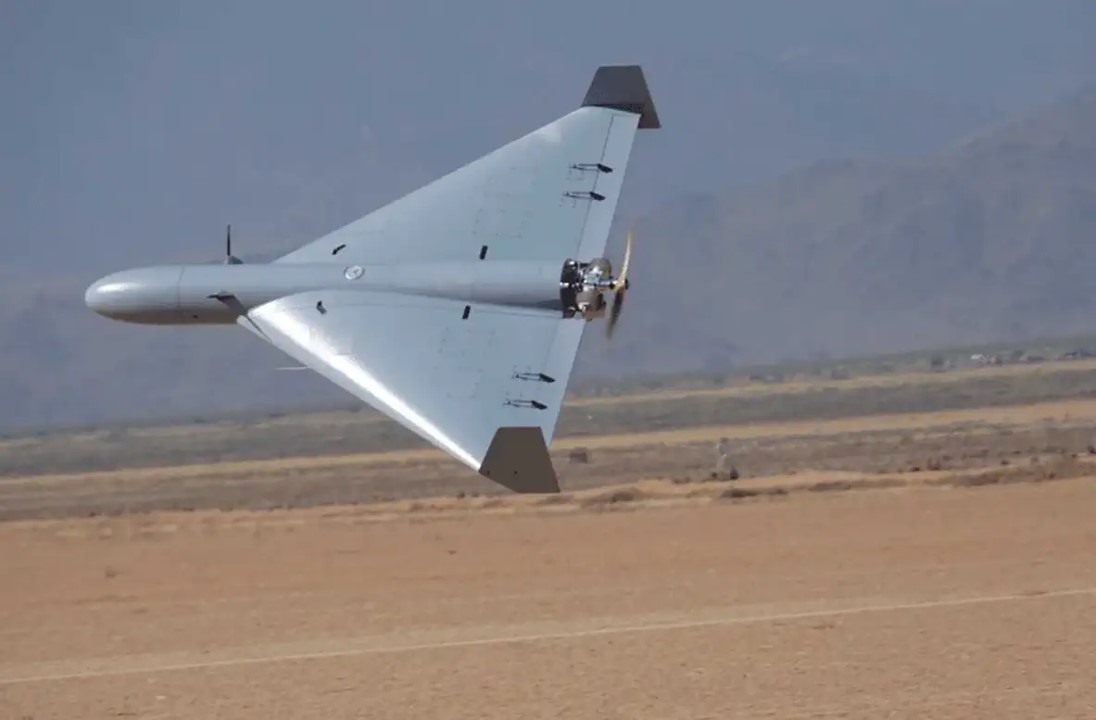
Tactical Unmanned Aerial Vehicle (UAV)
Spotted an error? Sign in to suggest an edit.
Basic Information
Name
LUCAS American Unmanned Aerial Vehicle (UAV)
Designation
LUCAS
Alternate Designation
LUCAS
Equipment Type
Tactical Unmanned Aerial Vehicle (UAV)
Manufacturer
SpektreWorks
Date of Introduction
2025
Description

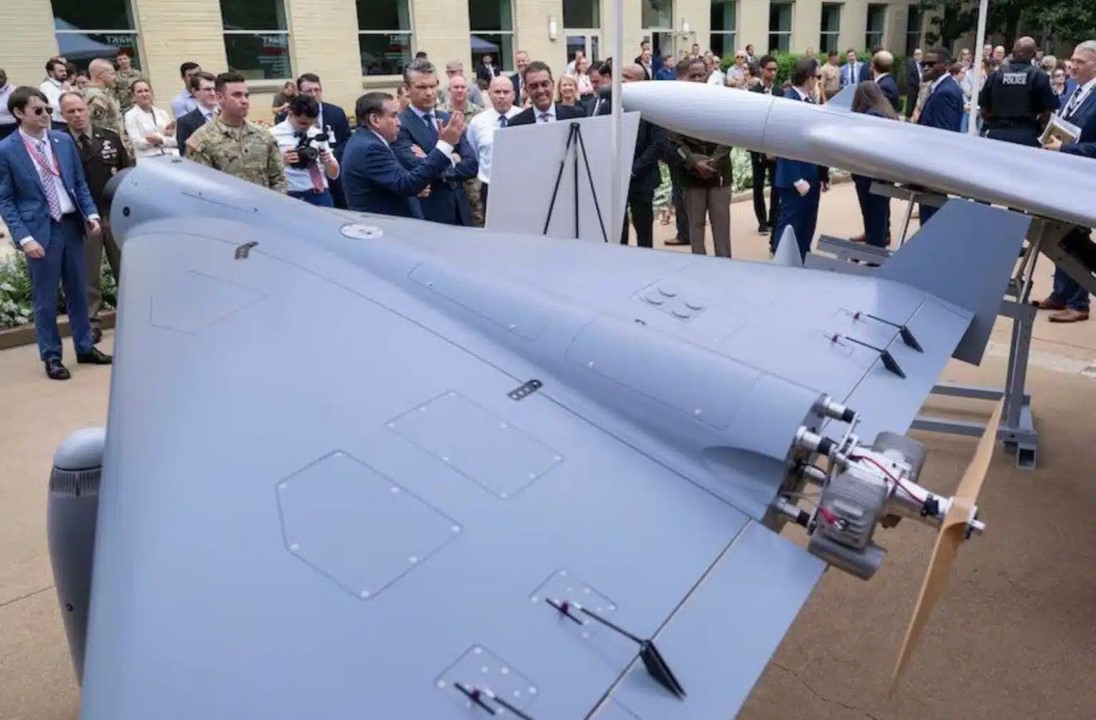
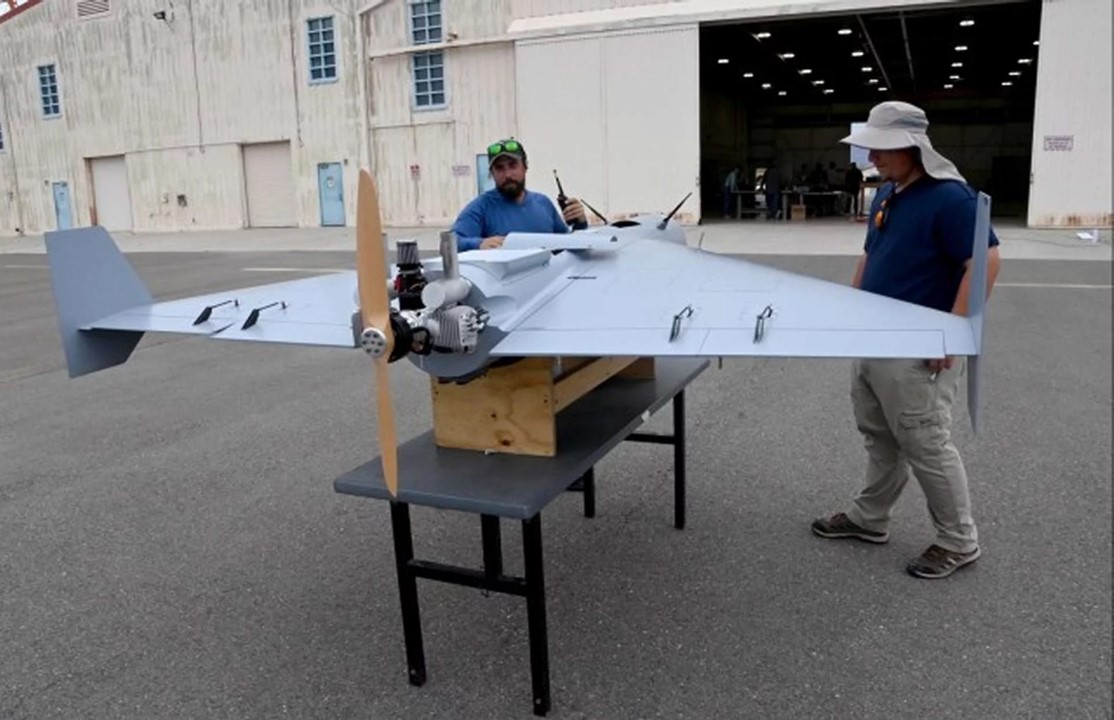
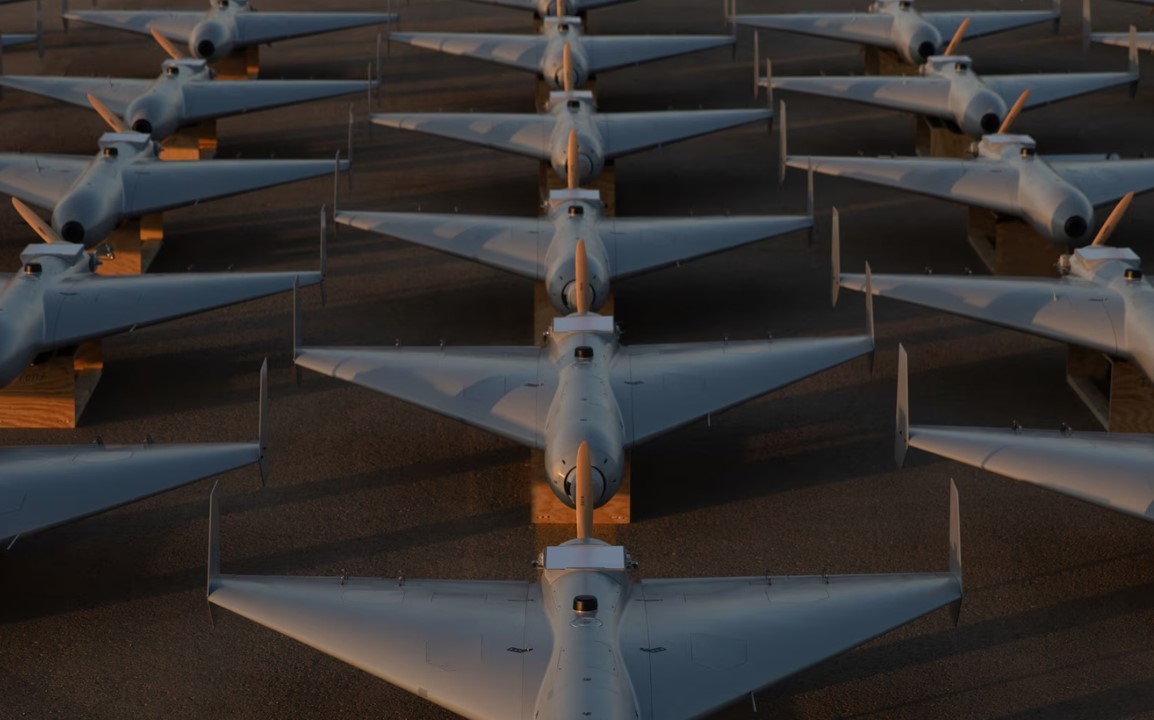
The LUCAS American Unmanned Aerial Vehicle (UAV) marks a significant shift in U.S. drone strategy, focusing on affordable, mass-produced "one-way attack" (OWA) capabilities that draw directly from adversary technology. Priced at $35,000, a LUCAS drone is exponentially cheaper than the missiles required to shoot it down, such as the $2 million Patriot missile. This cost-effectiveness allows U.S. forces to create cost dilemmas for their adversaries, a tactic that has previously been employed against American forces. Traditionally, the U.S. military has favored expensive, high-precision platforms like the MQ-9 Reaper. However, the LUCAS drone offers a "good enough" capability that can be deployed in contested environments without incurring significant financial or strategic losses. Designed to be manufactured by multiple vendors, the system circumvents the bottlenecks of complex aerospace supply chains, following a "Liberty Ship" production model suited for high-volume warfare.

Air & Air Defense Specifications
Engine Piston Engine/Electric
Max Speed 300.0 km/h
Cruise Speed 185.0 km/h
Range 1500.0 km
Wingspan 2.40 m
Payload Capacity 50 kg
System
Alternate Designation LUCAS
Type Unmanned Aerial Vehicle (UAV)
Manufacturer SpektreWorks
Airframe Delta-wing configuration. Minimizes radar cross-section; high lift-to-drag ratio.
Payload Capacity 50 kg
Advanced Autonomy & Swarming A key upgrade over the Shahed is the inclusion of mesh networking. Multiple LUCAS units can communicate in flight to form a "swarm," sharing target data and coordinating time-on-target strikes to overwhelm air defenses.
Guidance System Primary: GPS/INS (Anti-jamming resistant). Terminal: Some variants are equipped with nose-mounted EO/IR (Electro-Optical/Infra-Red) turrets for visual target recognition and "man-in-the-loop" terminal guidance, allowing operators to abort or redirect strikes.​ Threat Emulation: The system is also used as a high-fidelity target drone to train U.S. air defenses against Shahed-style attacks.
Launch The system is runway-independent. It uses RATO (Rocket-Assisted Take-Off) and can be launched from: Rail-mounted catapults​; Modified logistics trucks; ​Mobile ground vehicles (shoot-and-scoot capability).
Dimensions
Length 3.0 m
Height INA
Wingspan 2.4 m
Maximum Takeoff Weight 200 kg
Automotive
Engine Name INA
Engine Type Piston engine or Electric
Engine Power INA
Maximum Speed 300 km/h
Cruise Speed 185 km/h
Maximum Range 1,500-2000 km
Service Ceiling INA
Endurance INA
Details
Country of Origin United States
Category UAVs
Air > UAVs
Filter Label
L
Classification
Domain
Air & Air Defense
Equipment Status
Active
Dimensions
Length
3 m
Width
Height
Weight
200 kg
Operators (1)
United States
Something went wrong. Please reload the page. Reload