Luna
Luna
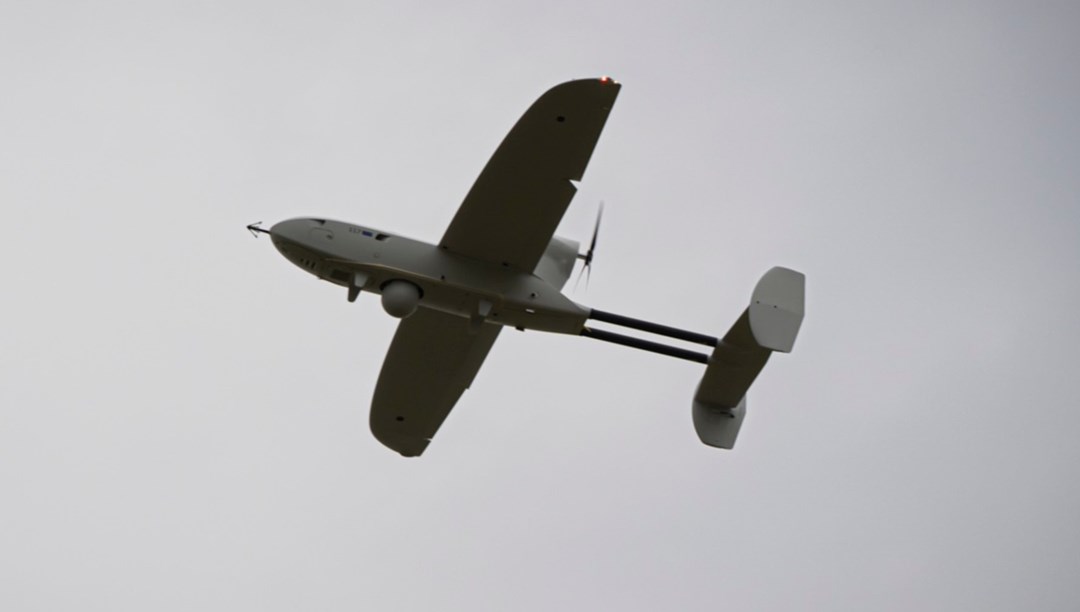
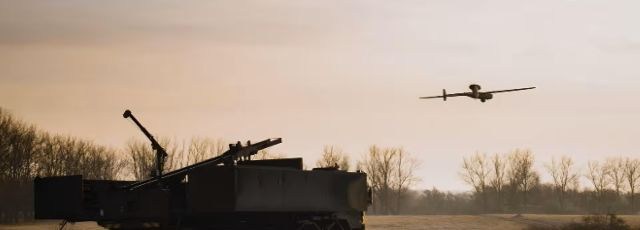
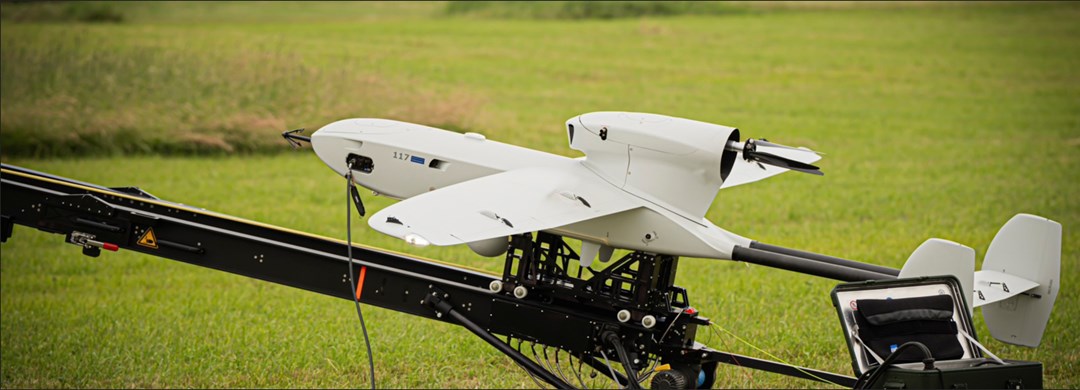
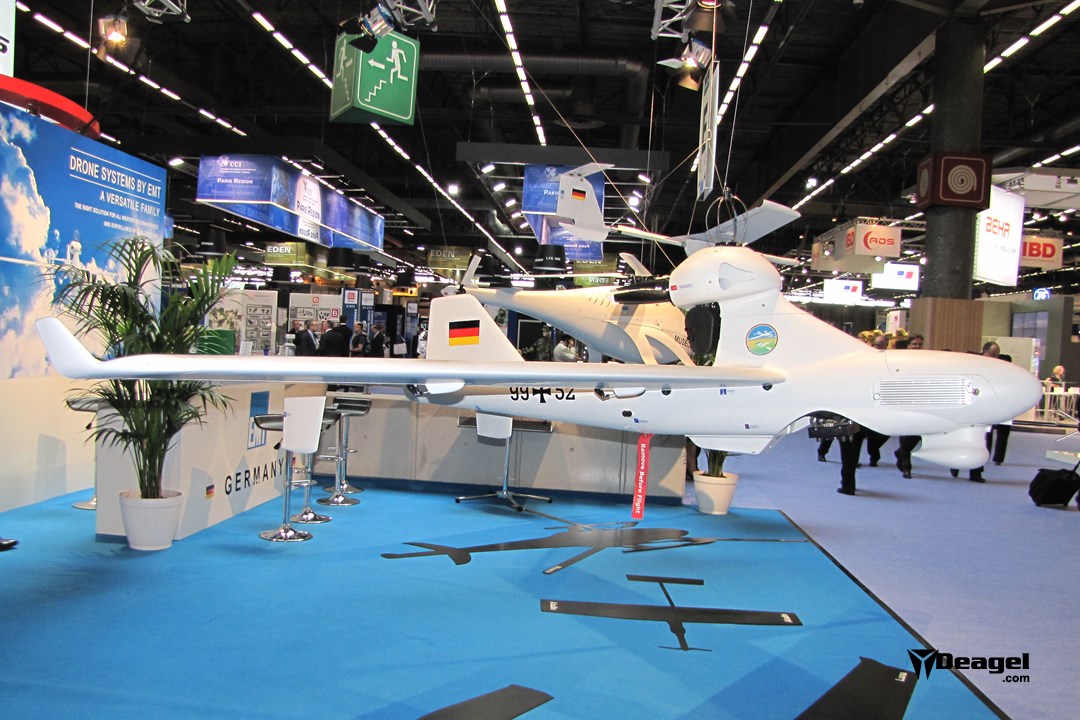
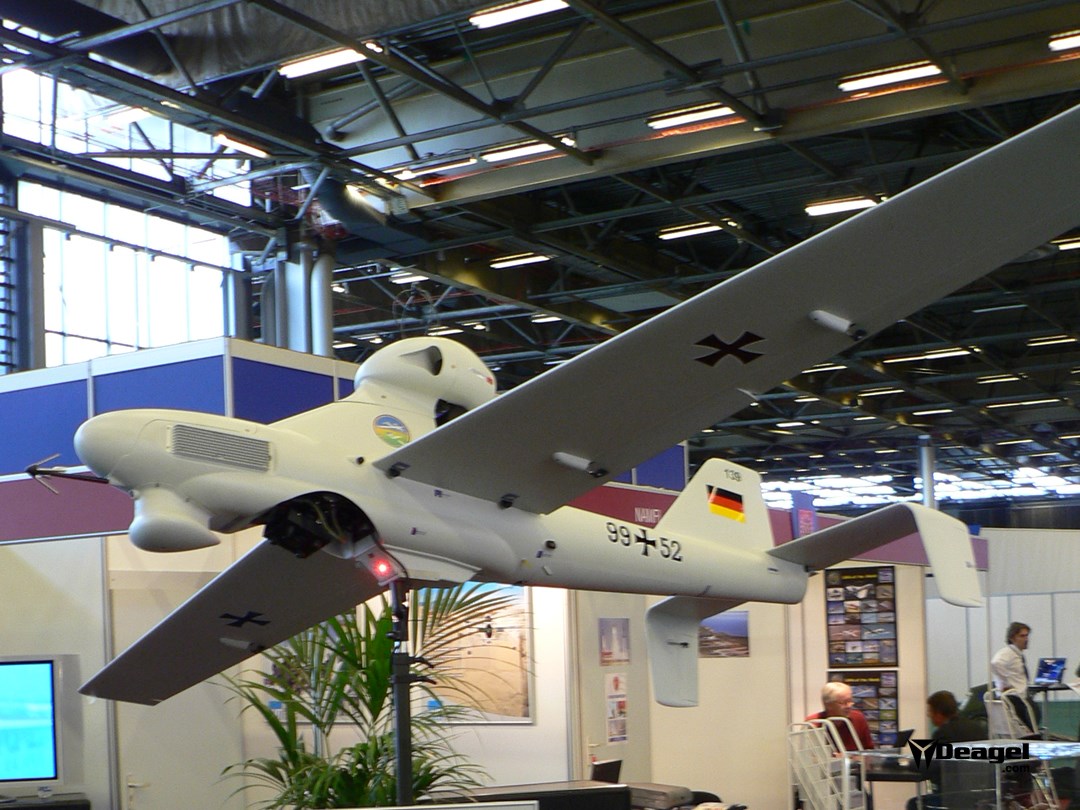
The EMT Luna, formerly known as the Luna X-2000, is an all-weather, low altitude, unmanned air vehicle (UAV) system. It can penetrate more than 100 kilometers in enemy airspace providing real-time Intelligence, Surveillance and Reconnaissance (ISR) information as well as target location in support of artillery units. The Luna system was deployed for the first time by the German Armed Forces during peacekeeping operations in Kosovo, former Yugoslavia, beginning in March 2000 and afterwards Luna was deployed in Afghanistan logging more than 6,000 mission flights through 2010. The German Army achieved initial operational capability with the Luna UAV system in 2002. The low cost Luna UAV system uses commercial components and modular architecture to achieve operational flexibility. The small air vehicle incorporates TV and Infrared sensors providing real time video and high resolution imagery. The launch operation is performed by means of a catapult system and the landing is performed releasing a parachute or using a net. The air vehicle autonomously can follow a pre-programmed flight path performing surveillance tasks or that path can be updated in-flight by the ground operator/controller using a two-way microwave data-link. The ground control station and the catapult launch system can be carried by an utility vehicle or shelter and airlifted using medium transport helicopters. Each Luna system includes 10 air vehicles, two ground control stations, two catapults, and two net landing systems. The lightweight Luna air vehicle is a powered glider made of glass fiber composite material with minimal thermal, acoustic and radar signatures. The Luna's engine can be shut down to cut the acoustic emissions relying uniquely on its glider design and then the engine can be re-started again. The air vehicle is also fitted with an automatic terrain avoidance system. The existing and planned array of sensors available for Luna comprises: Synthetic Aperture Radar (SAR), Data link relays, high resolution digital photo or video cameras, onboard data storage, meteorological sensors, radio relay equipment, sensors for land mine detection, target illuminators, EW payloads, gas and particle samplers, or radioactivity contamination sensors.
deagel.com: https://www.deagel.com/x/x/a000147