Ka-25
Ka-25
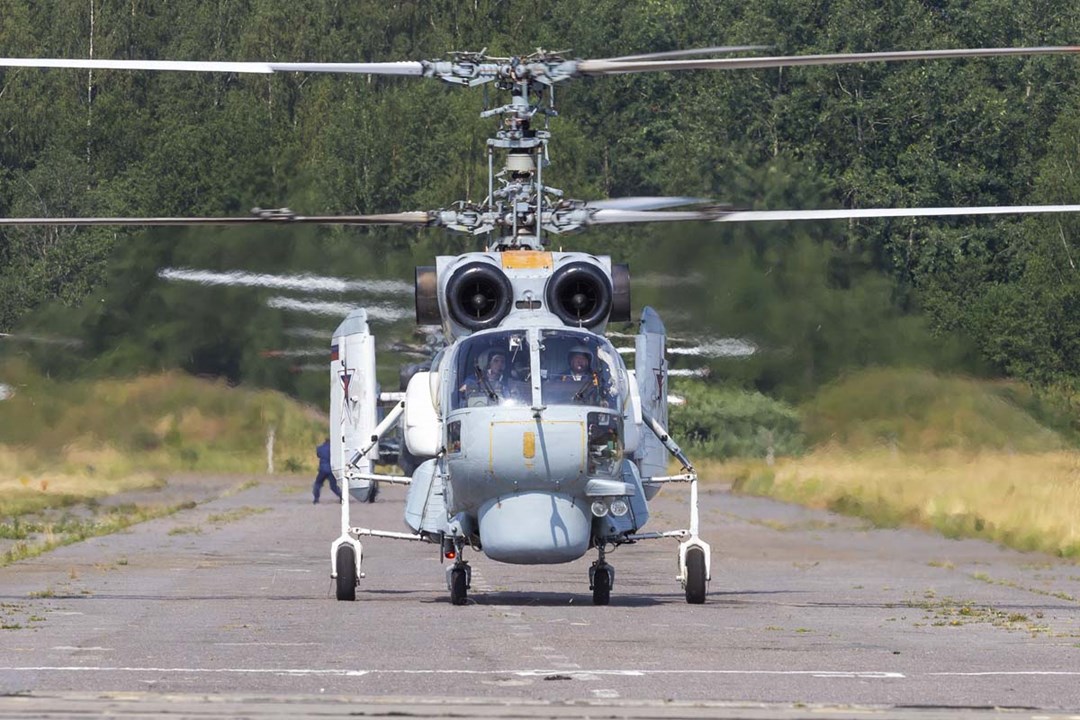
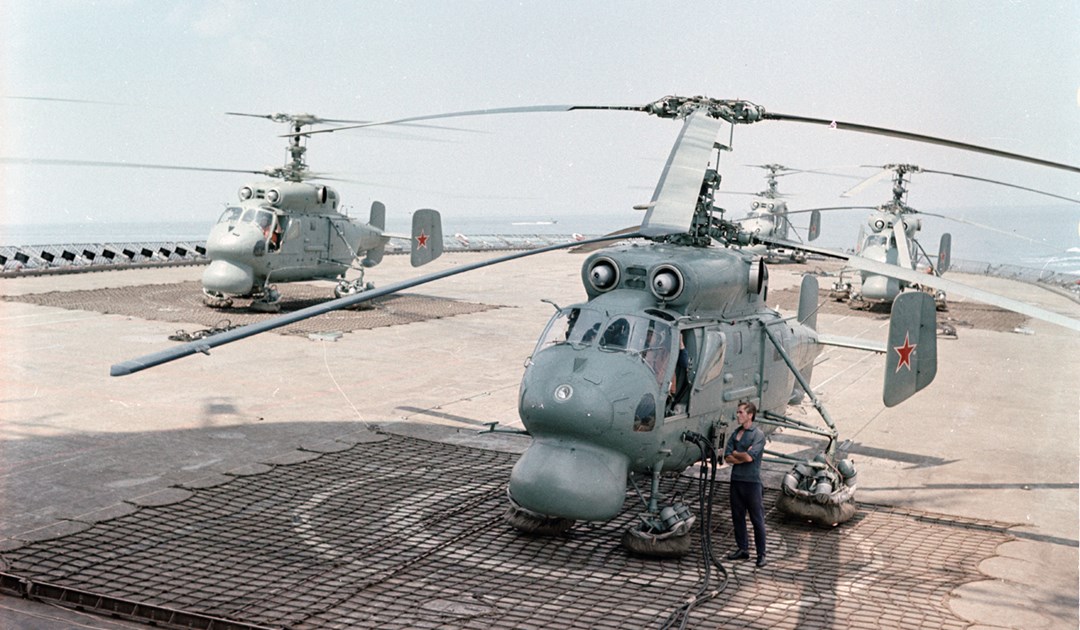
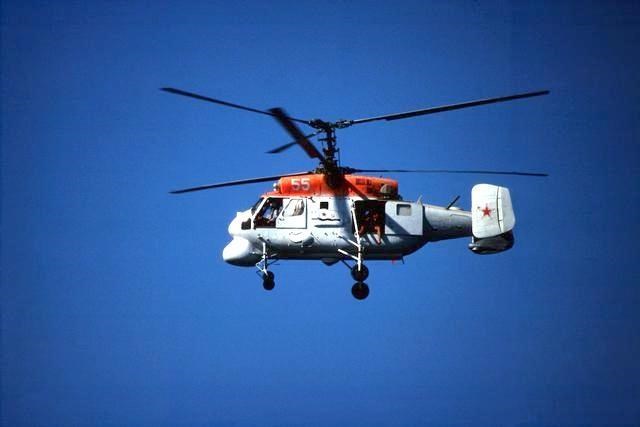
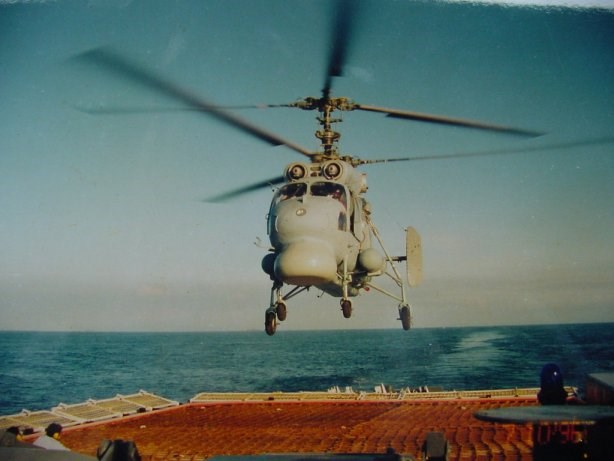
The Kamov Ka-25, dubbed Hormone by NATO, was a twin-engine shipborne helicopter developed in the early 1960s for the Soviet Navy as a replacement for Mil Mi-4 helicopter. The Ka-25 features two three-bladed coaxial counter rotating main rotors which eliminates the need for a tail rotor and makes the aircraft more compact which is highly appreciated in naval operations. The aircraft is equipped with magnetic anomalies detector (MAD), search radar and an electro-optical surveillance sensor similar to modern FLIR (Forward Looking Infrared). The former Soviet Union built approximately 460 such aircraft between 1966 and 1975. The Ka-25 was replaced by the more capable Ka-27 helicopter beginning in the 1980s. The Soviet Union deployed many variants of the Ka-25 helicopter intended to meet specific missions such as search and rescue (Ka-24PS/Ka-25PS), target acquisition (Ka-25T) during anti-surface warfare (ASuW) operations, utility (Ka-25PL), and Anti-Submarine Warfare (ASW). The primary ASW variant was the Ka-27BSh and the Ka-25BShZ was intended for towing minesweeping gear. The Ka-25 in ASW configuration can be armed with torpedoes and depth charges carried externally or using an optional internal weapons bay. The Ka-25PS and Ka-24PS aircraft were stripped of all ASW equipment and are fitted with a searchlight and a rescue winch. They can also serve as troops transport.
deagel.com: https://www.deagel.com/x/x/a000768