Mariner Norwegian Autonomous Surface Vehicle (ASV)
Mariner

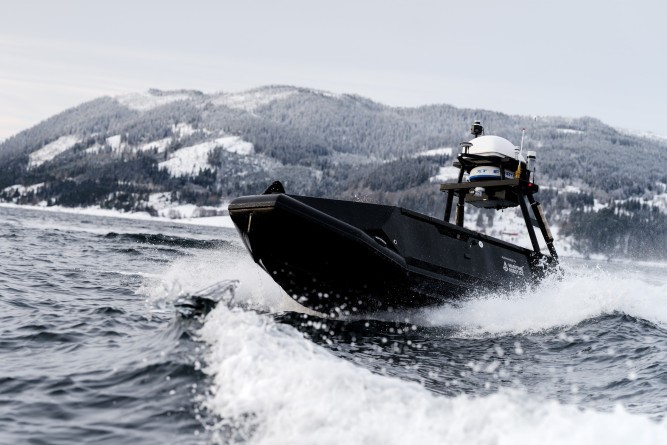
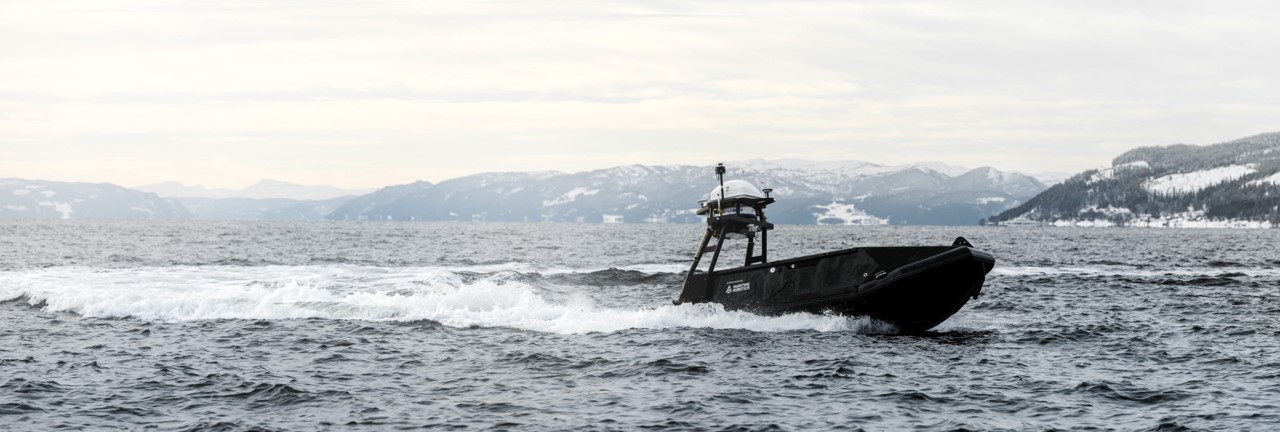
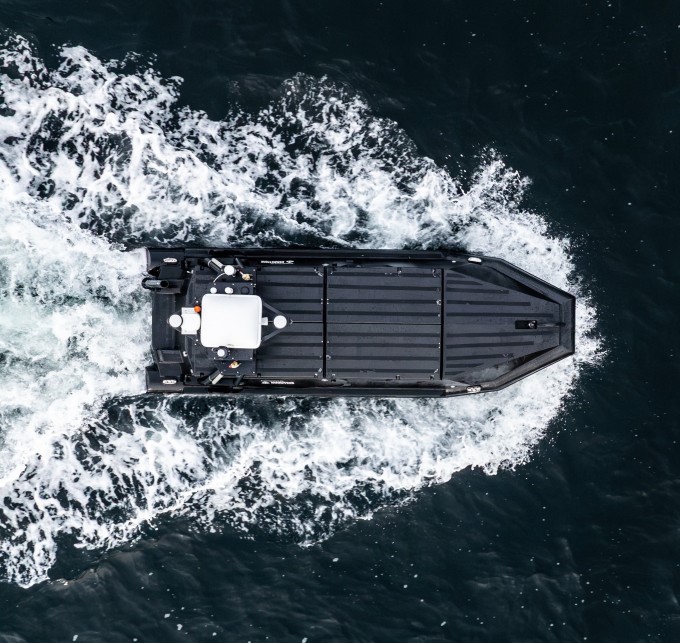


The Mariner Norwegian Autonomous Surface Vehicle (ASV) is designed for operation in both coastal and open-water environments. Known for its robustness and effectiveness, it is ideal for precise data acquisition, environmental monitoring, and surveillance. Integrating the Mariner ASV into a fleet enhances capabilities for surveying, monitoring, and exploration. The vessel supports dual-mode operation—autonomous and remote-controlled—allowing for flexible deployment and reduced costs. In environmental monitoring and surveillance, the Mariner enhances situational awareness, minimizes risks, and delivers reliable results across various settings. The Mariner is designed to accommodate various sensors and sonars, and its modular payload system allows for optimal sensor placement while minimizing interference. This makes it an excellent platform for supporting Remote Operated Vehicles (ROVs), seabed studies, and tailored multi-sensor integrations. Constructed from lightweight yet durable polyethylene (PE), the Mariner offers high durability and low maintenance. Its shallow draft and waterjet propulsion provide superior maneuverability in confined or shallow waters, allowing it to access areas beyond the reach of traditional vessels. The vessel is compact enough to fit within a standard 40-foot shipping container, which houses all spare parts and operational equipment. The Mariner can be deployed using a standard boat trailer or an optional Launch and Recovery System (LARS) cradle, which secures the vessel effectively during transport and deployment. With a substantial payload capacity, the Mariner includes an optional retractable moonpool elevator for integrating surface and subsurface sensors. When retracted, the elevator protects the sensors, which can be deployed via a gondola positioned outside the hull's slipstream, ensuring data quality. The Mariner offers a sustainable and secure solution for offshore surveillance, inspection, data acquisition, and environmental monitoring in various weather conditions. Equipped with radars, cameras, and sonars, the Mariner can accurately detect and track targets with precision. High-bandwidth communication links facilitate efficient information transfer to shore stations or other vessels. Additionally, the Mariner can patrol and monitor pipelines, platforms, and wells, supporting Autonomous Underwater Vehicles (AUVs) and acting as a force multiplier for larger fleets. For marine mapping and surveying, the Mariner collects detailed seafloor and water-column data using various sensors, including echo sounders and sidescan sonars. The vessel's sensor integration encompasses environmental monitoring and fish-finding, all of which are interconnected through an Autonomous Navigation System, ensuring optimal usability and functionality. In conclusion, the Mariner ASV is a versatile mid-sized vessel suitable for both remote-controlled and autonomous operations in coastal and offshore areas, offering significant durability and ease of maintenance. It is equipped with advanced water jet propulsion and bow thrusters, providing exceptional maneuverability essential for precise operations in demanding environments. The vessel also features an optional redundant propulsion system, ensuring enhanced reliability and safety during operations, while also promoting cost-effectiveness.