VF40P Chinese Unmanned Aerial Vehicle (UAV)
VF40P
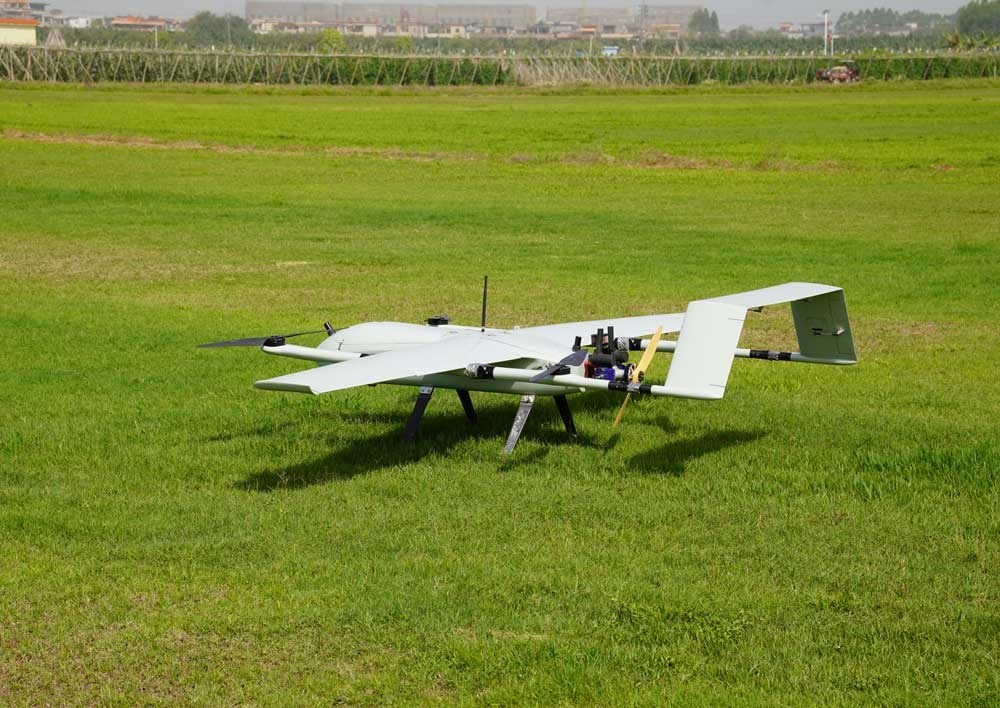
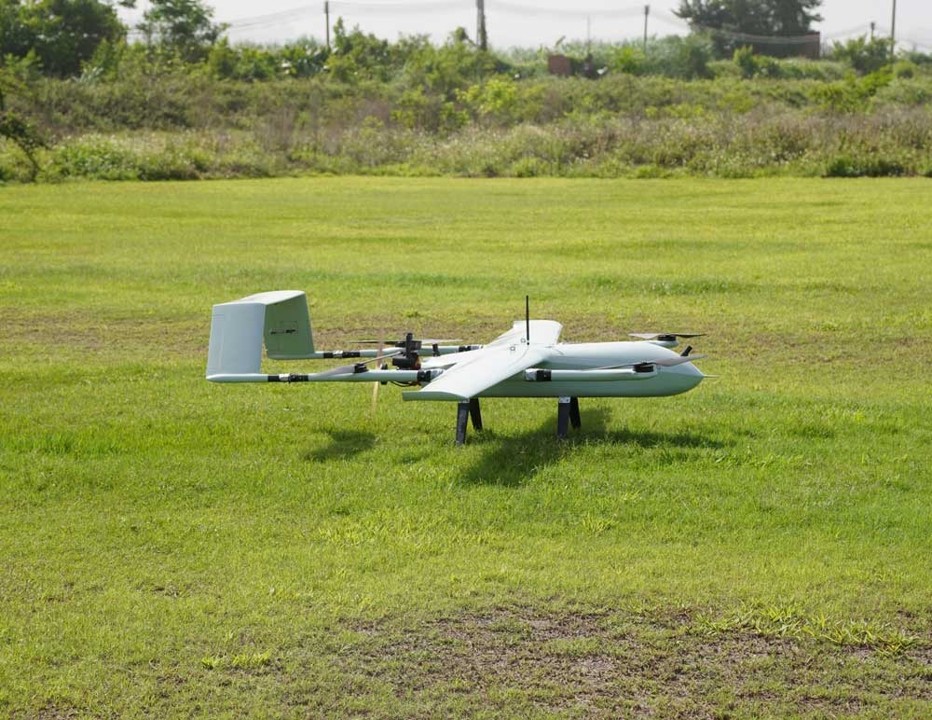
The VF40P Chinese Unmanned Aerial Vehicle (UAV) is a fuel-powered, hybrid vertical takeoff and landing (VTOL) fixed-wing platform produced by Hinaray, a Chinese defense technology company specializing in long-endurance tactical systems. This UAV bridges the gap between tactical group 2 and 3 unmanned aircraft systems by combining the operational flexibility of rotorcraft with the endurance and efficiency of fixed-wing designs. With a maximum endurance of 12 hours at minimal payload and a ceiling of 5,000 meters, the VF40P is designed for extended surveillance, mapping, and tactical reconnaissance in challenging operational environments. Its VTOL capability enables deployment without reliance on forward airfields, runway preparation, or complex launch-and-recovery infrastructure. These features reduce the force footprint and operational risk in contested or austere settings. The system maintains stable flight in level 6 wind conditions (12 meters per second), supporting reliable operations across diverse geographic and meteorological conditions. Autonomous waypoint navigation and dynamic remote piloting options offer operational commanders flexible control, supporting both pre-planned missions and adaptive real-time responses. The VF40P exemplifies current unmanned systems doctrine, prioritizing extended endurance, autonomous operation, and modular payload integration. Although the fuel-powered design requires logistical support, it avoids the battery recharge cycles and thermal signature management challenges associated with electric platforms. The VTOL capability further enhances force mobility by eliminating the need for runway infrastructure, a significant advantage in expeditionary and contested environments. As military forces continue to incorporate unmanned systems into tactical decision-making, platforms such as the VF40P provide operational commanders with persistent aerial intelligence that enhances command authority and decision-making across wide geographic areas. The target drone variant further demonstrates the platform's versatility by supporting training and testing applications, thereby increasing platform utilization and extending operational value beyond primary intelligence, surveillance, and reconnaissance (ISR) missions.