H-IIA
H-IIA
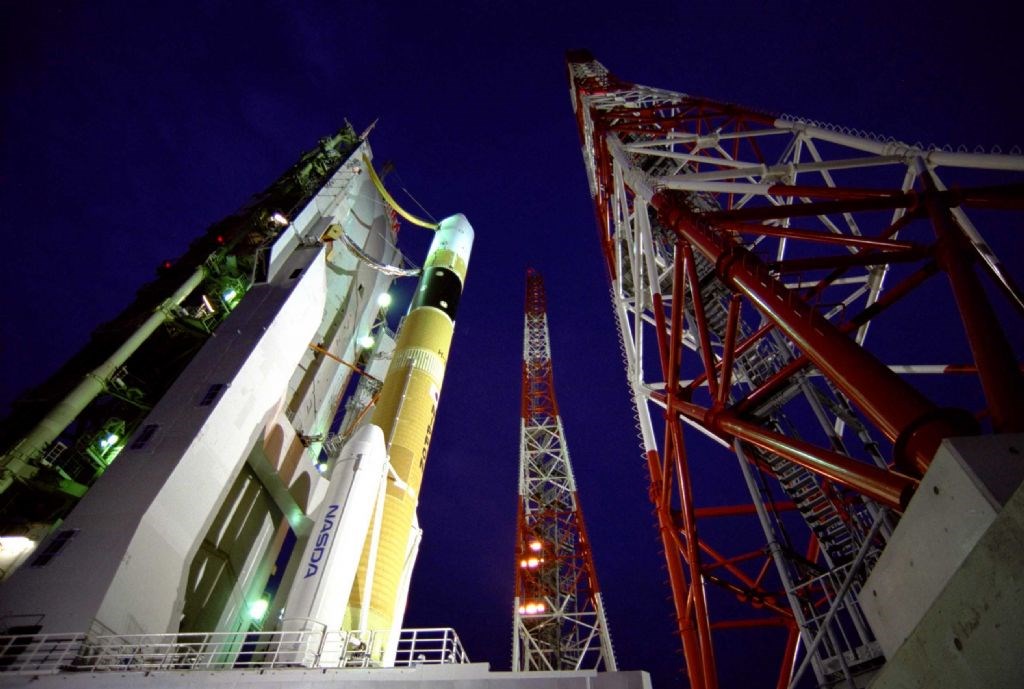
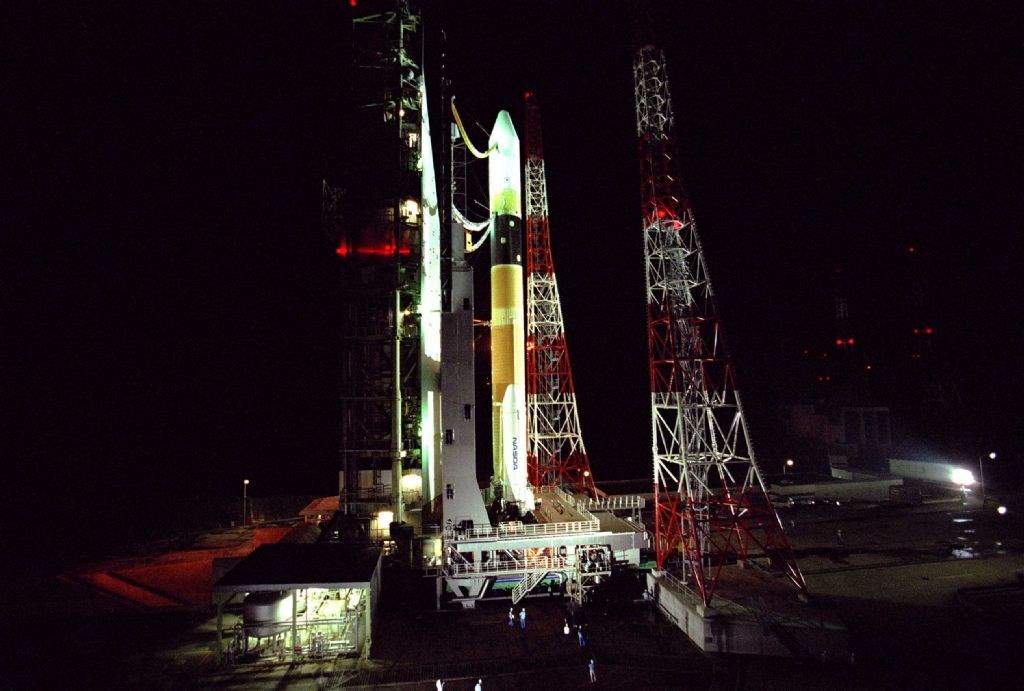
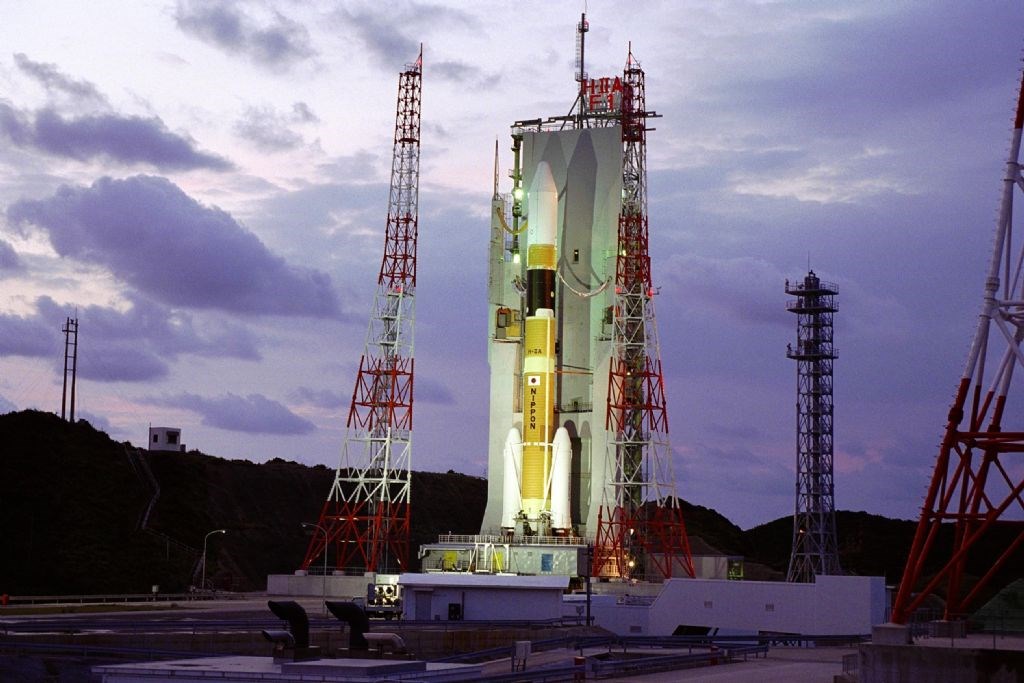
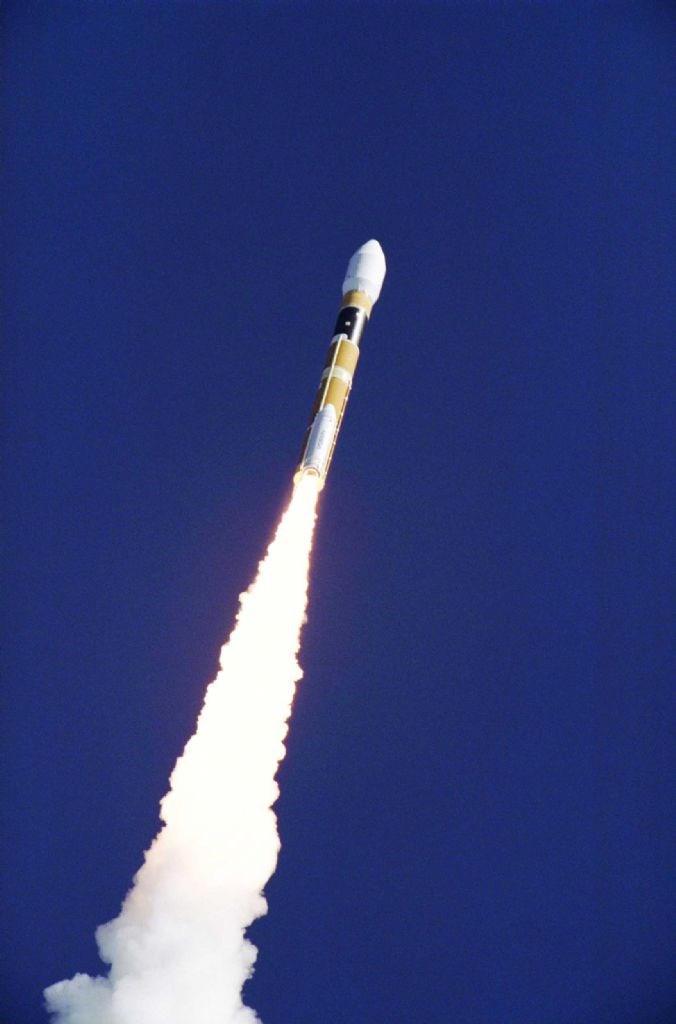
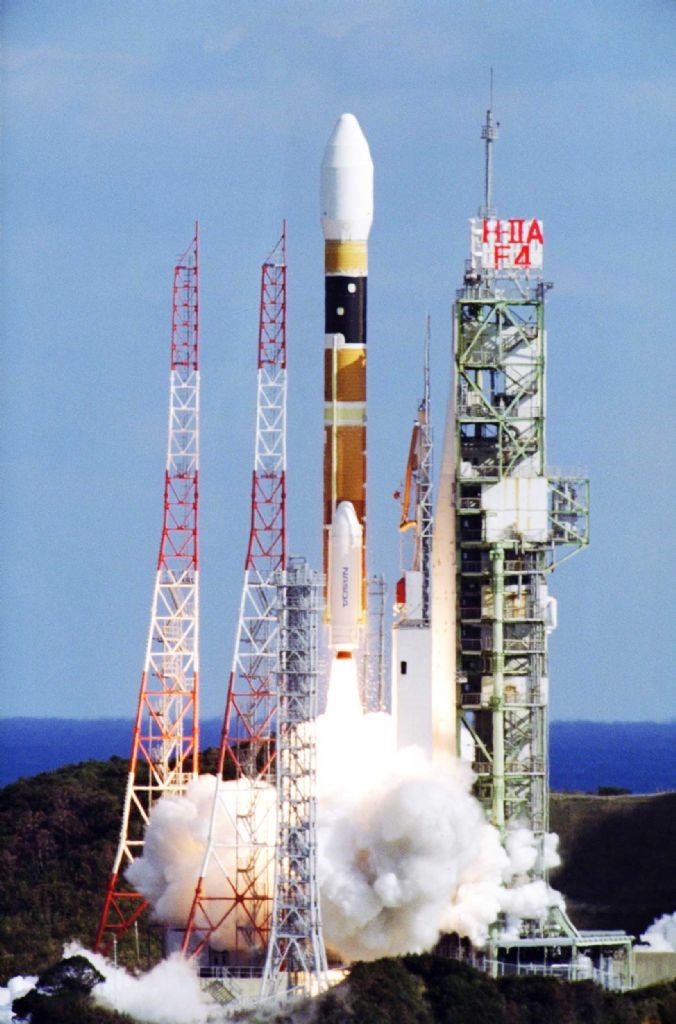
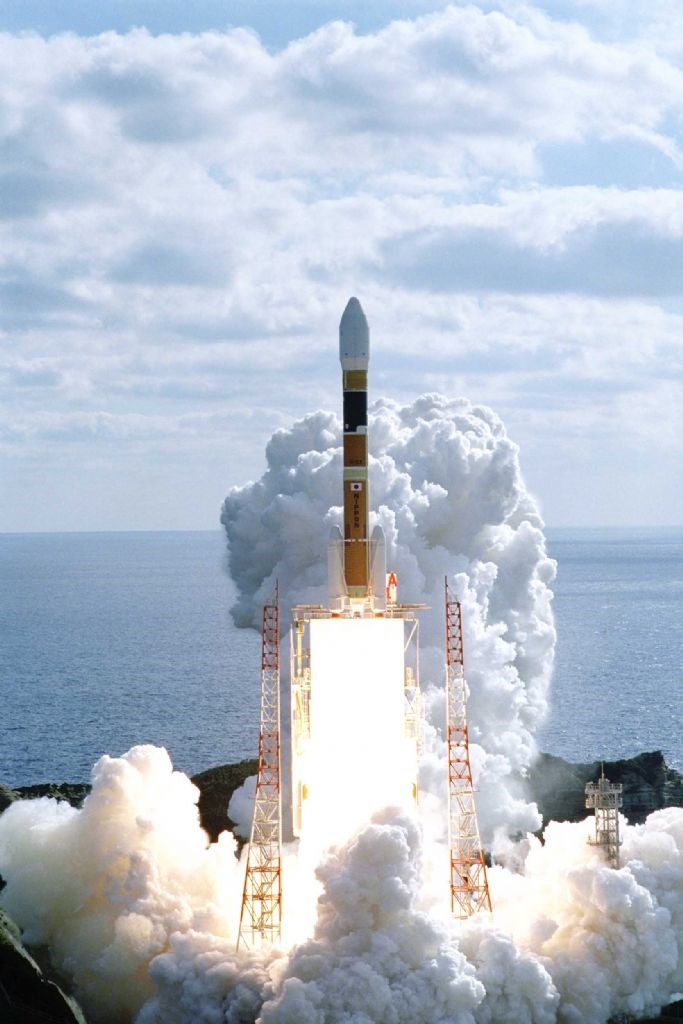
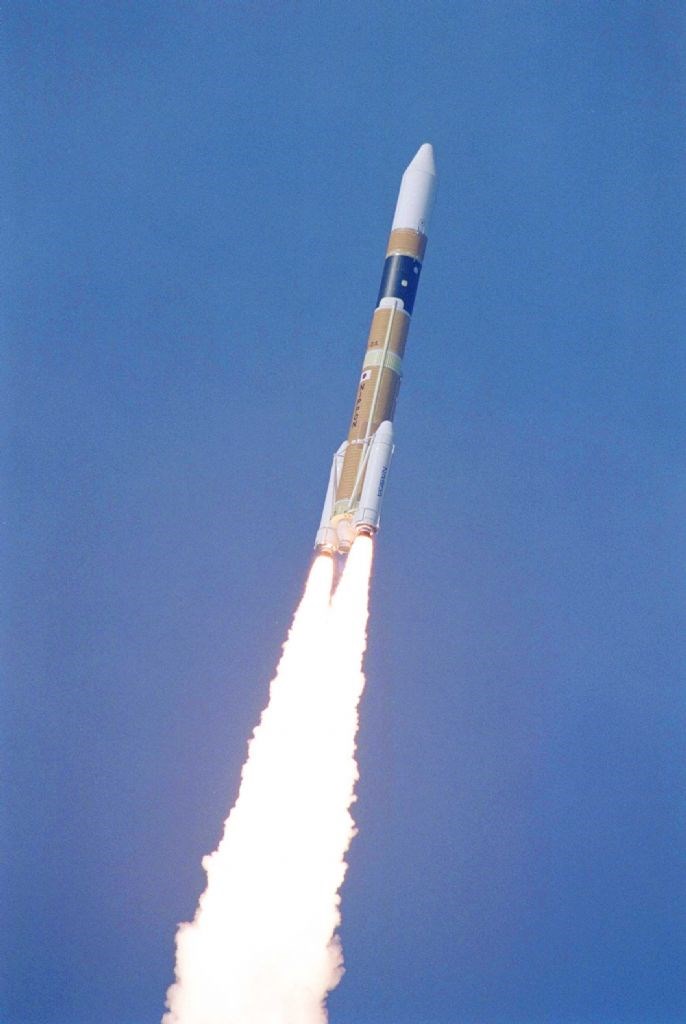
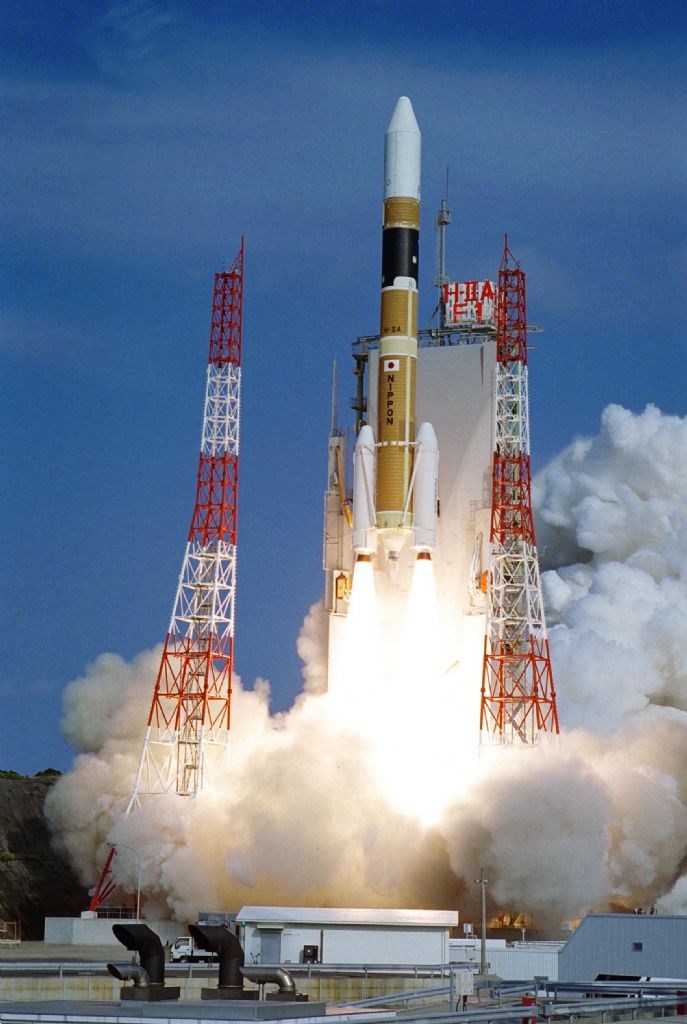
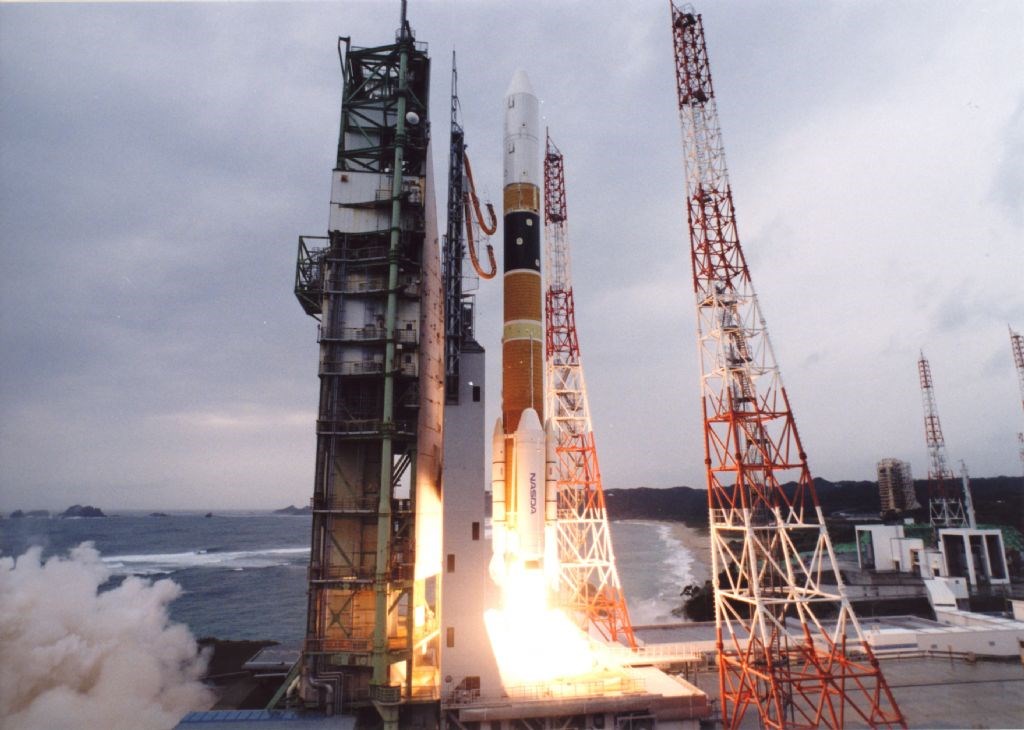
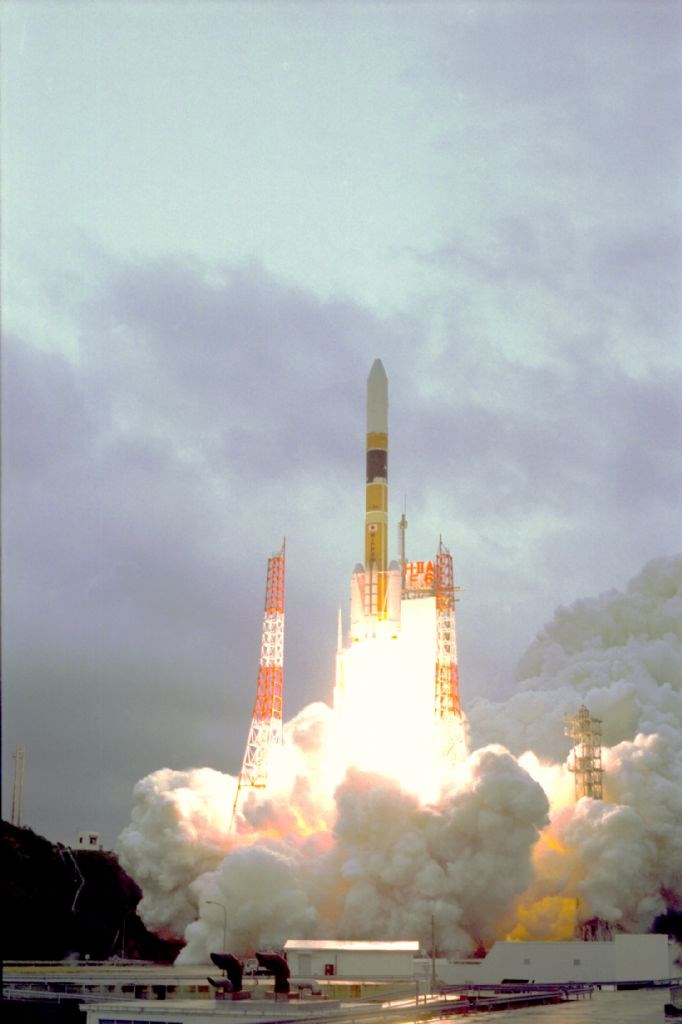
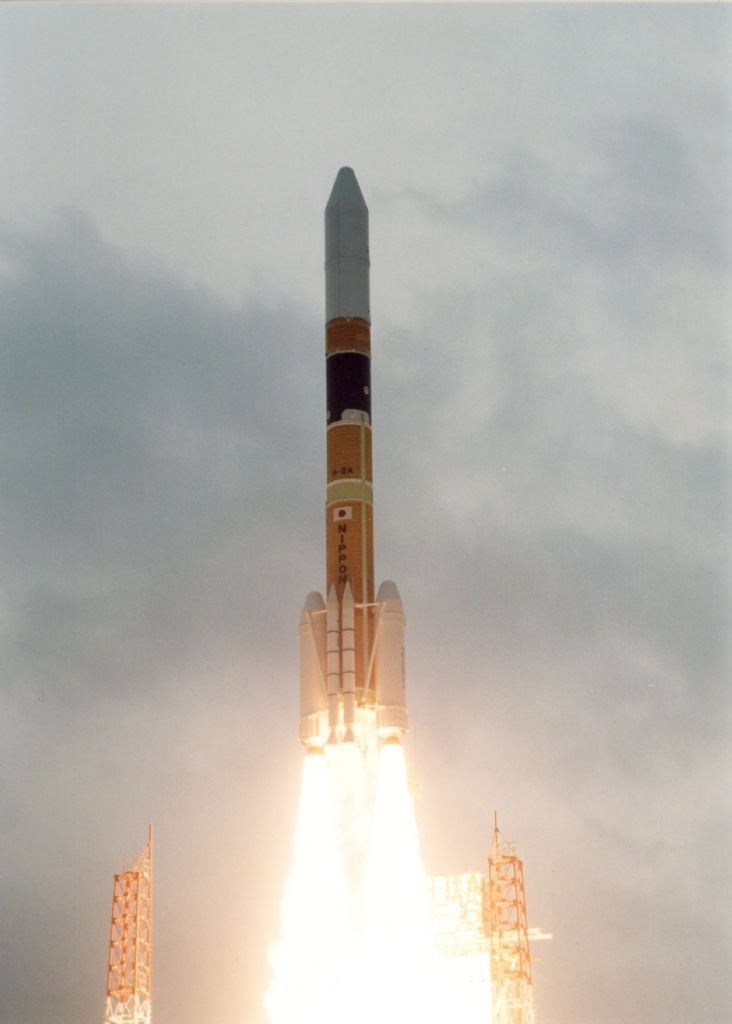
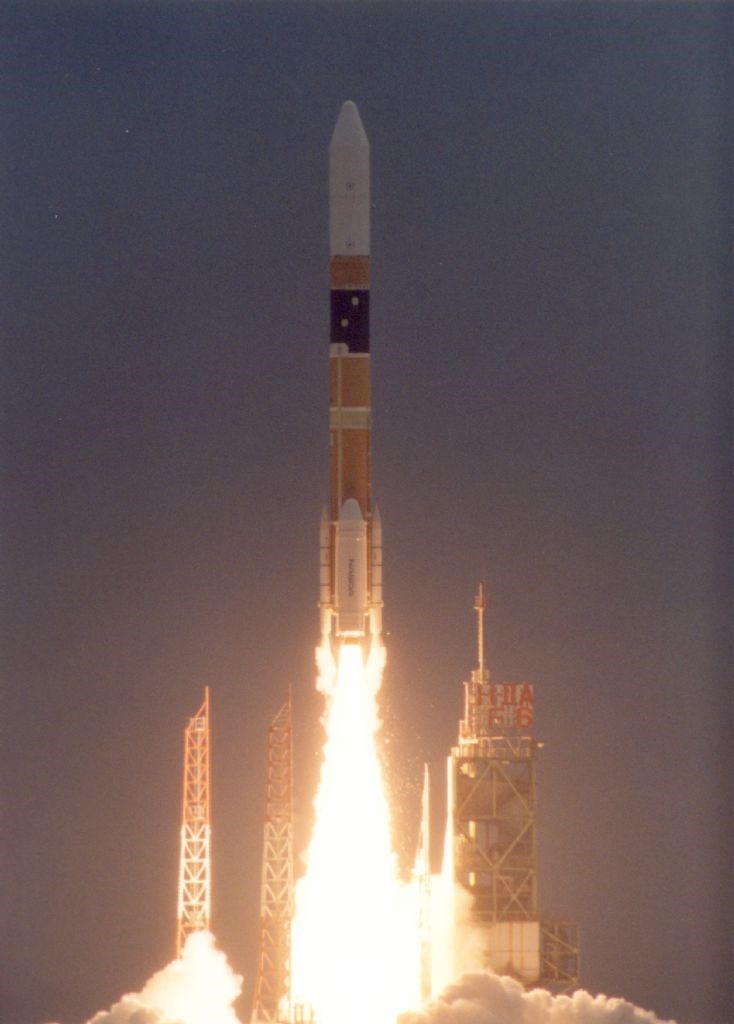
The Japan Aerospace Exploration Agency (JAXA) H-IIA is launch vehicle developed to put into orbit a wide range of commercial payloads. The propulsion system combines liquid oxygen and hydrogen as propellants. It is flexible to put into different orbits satellites with various weights. Launch system development lasted for approximately six years. The first launch occurred in August 2001 and the second one in February 2002. The third launch was a commercial launch carrying true satellites as payloads that marked the H-IIA entry into service. As of February 2005, the JAXA has conducted seven flights utilizing the H-IIA launch system. In November 2003, the sixth flight (H-IIA F6) failed due to the solid rocket booster malfunction, this part was ultimately modified to avoid further failures. The H-IIA Japanese launch system has demonstrated to be a highly reliable, simplified design system that operates at lower costs compared with competition. The JAXA is pursuing reseach on the LNG propulsion system which is based upon Liquefied Natural Gas (LNG). LNG will reduce the size and weight of propellant tanks compared with hydrogen. In addition, LNG is expected to reduce the cost of the overall propulsion system. The JAXA research on LNG technology should be demonstrated through GX launch system. GX will be a two-stage rocket using LNG technology to put into a sun-synchronous orbit a two-ton payload at 800 kilometers of altitude. A first launch of GX rocket was anticipated by 2007. On 24 January 2006, an H-IIA vehicle was launched from the Tanegashima Space Center in southern Japan placed into an observation satellite. This satellite was meant to aid in mapping, disaster monitoring, and surveying land use and natural resources to promote sustainable development.
deagel.com: https://www.deagel.com/x/x/a000115