Vulcan Centaur
Vulcan Centaur


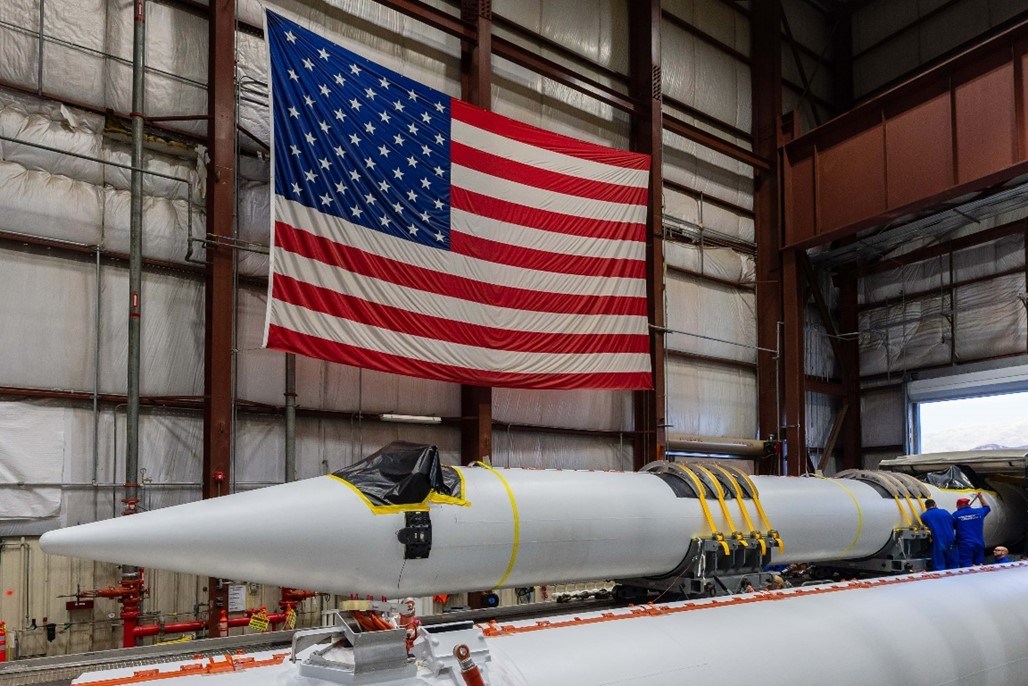
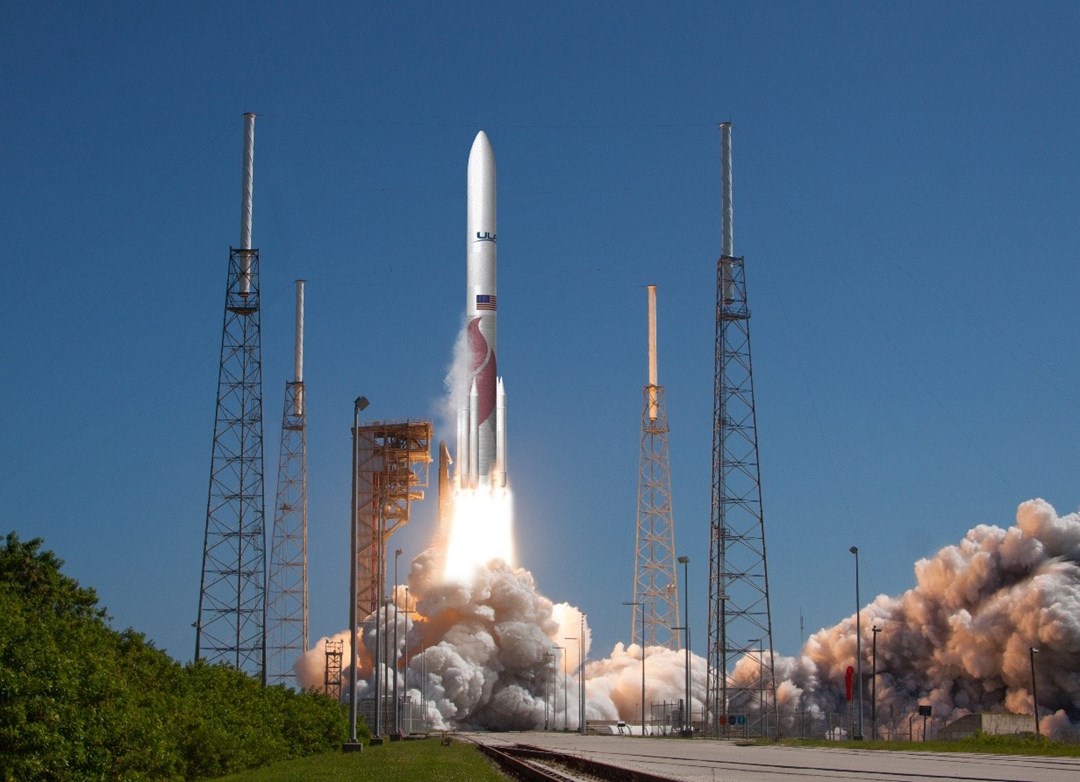

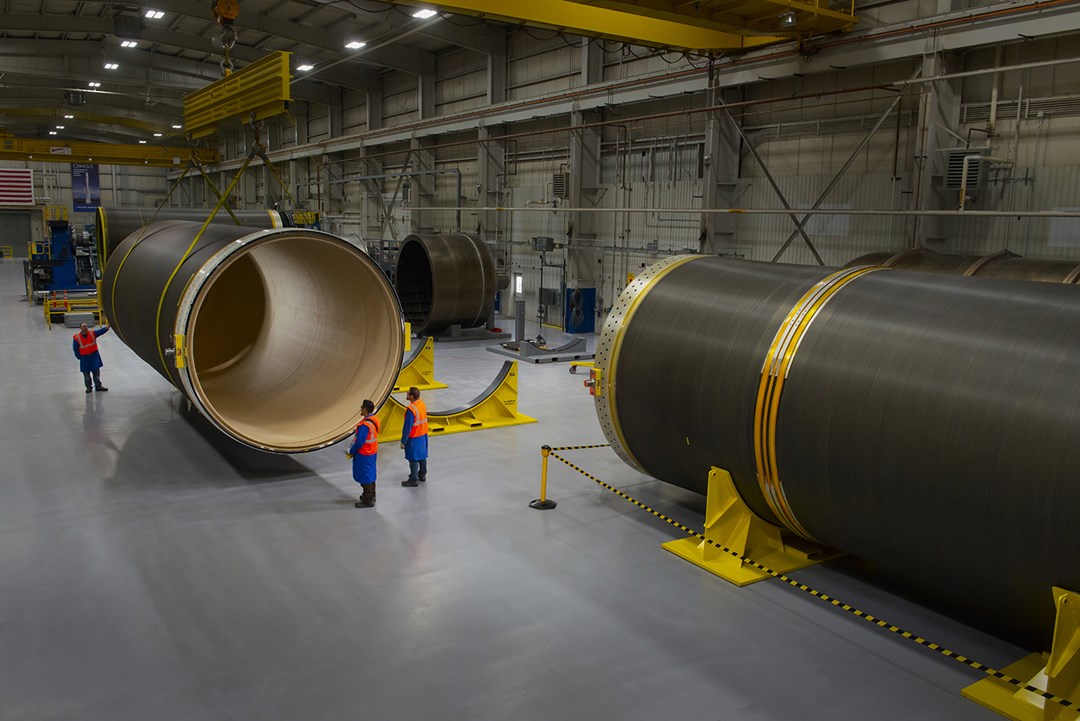
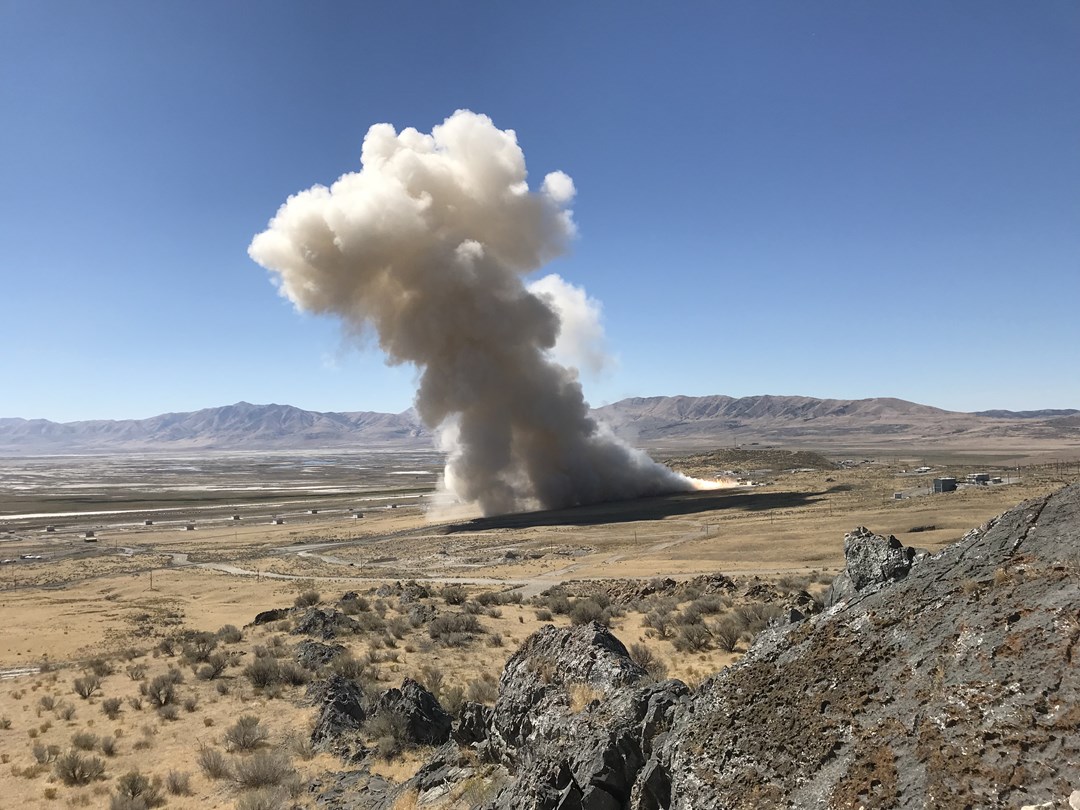
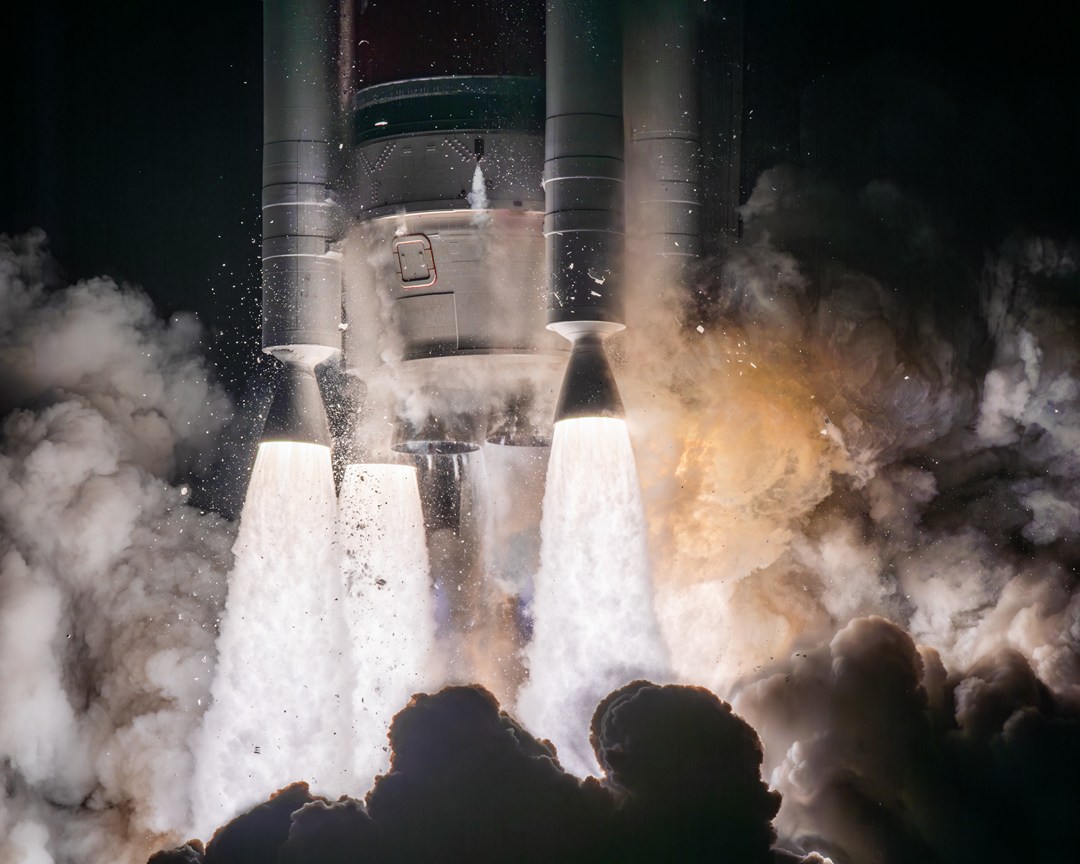
The United Launch Alliance (ULA) Vulcan Centaur is a heavy space launch vehicle leveraging technologies from the Delta IV and Atlas V rockets along with new technologies and innovative features. The new launch vehicle can place a payload of up to 35 tons into Low Earth Orbit (LEO), a 16 ton payload into Geosynchronous Transfer Orbit (GTO) and 7 tons payload into Geosynchronous Earth Orbit (GEO). The Vulcan Centaur vehicle features a first stage, called Vulcan, with a core booster and up to six GEM 63XL strap-on solid rocket boosters. All in, the first stage produces up to 3.8 million pounds of thrust at liftoff compared with 2.6 million pounds of thrust produced by the Atlas V rocket. The second stage is a Centaur vehicle with RL10 engines which drives the ACES upper stage with the five meters long payload fairing containing the spacecraft. In October 2018, the US Air Force (USAF) awarded ULA a $967 million contract for the Vulcan Centaur development under the Evolved Expandable Launch Vehicle (EELV) program. The Vulcan Centaur space launch vehicle is expected perform its first launch in 2020 and to enter service in the early 2020s (2023-2024). The new generation space launch vehicle is expected to outstand by its reliability and cost effectiveness/affordability with the ability to operate in the CisLunar space (the area of space between the Moon and the Earth) to lower fuel consumption thanks to diminished gravity. ULA projects to produce up to 20 rockets per year. The Vulcan Centaur family of space launch vehicles will feature variants with two GEM 63XL rocket boosters, six GEM 63XL rocket boosters and an additional variant called Vulcan Centaur Heavy.
deagel.com: https://www.deagel.com/x/x/a003768