WGS
WGS


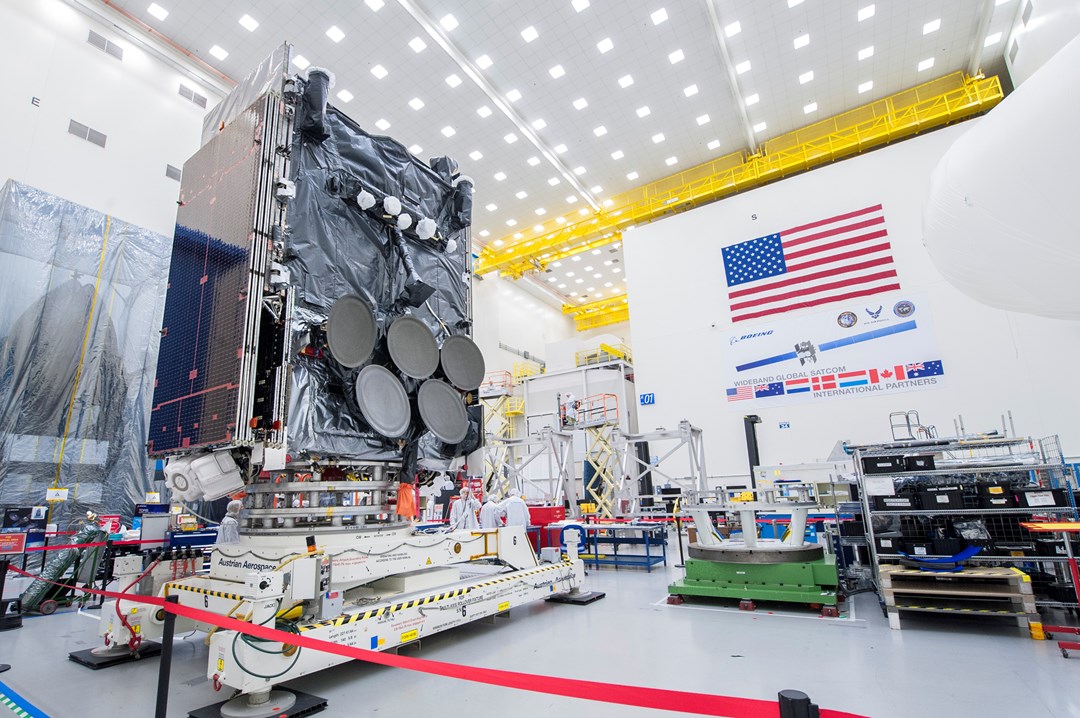
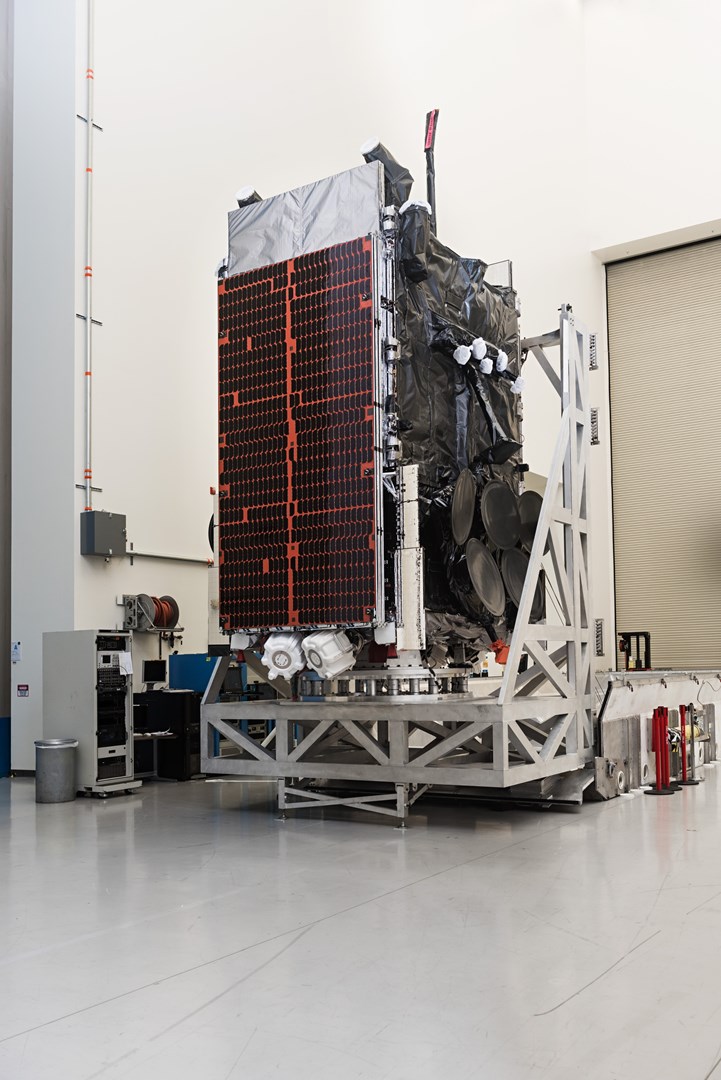

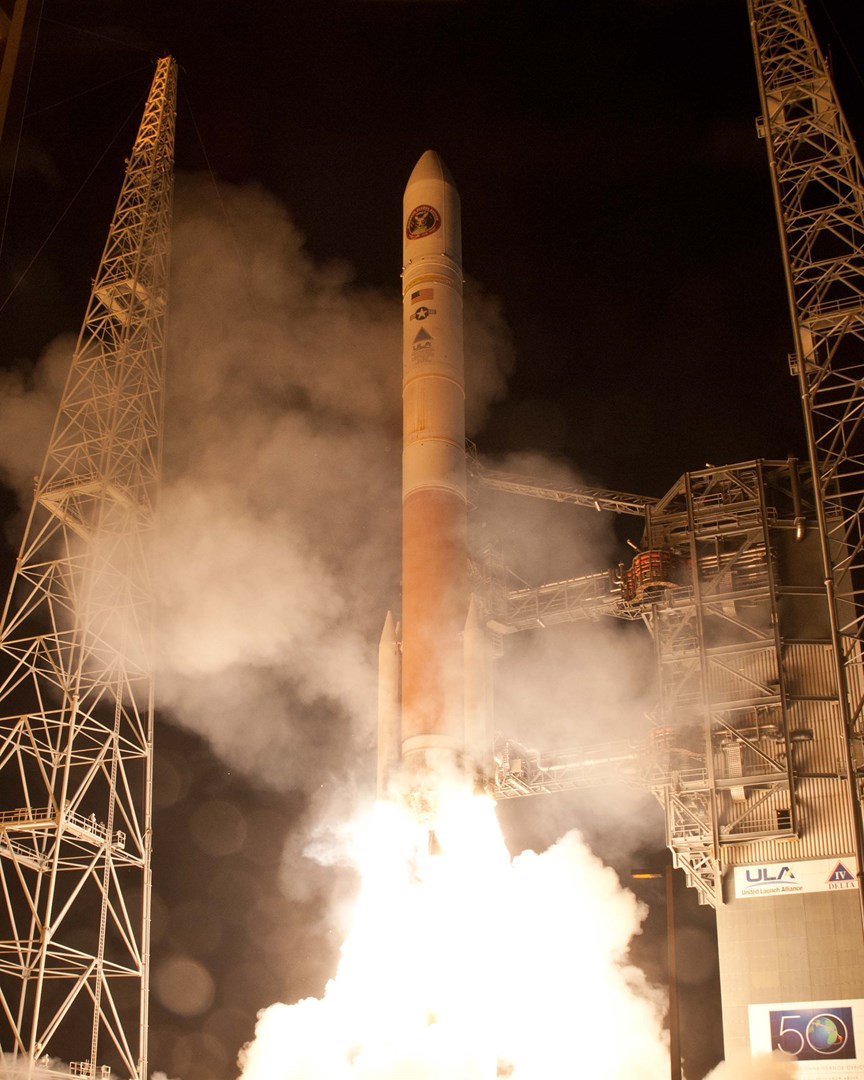


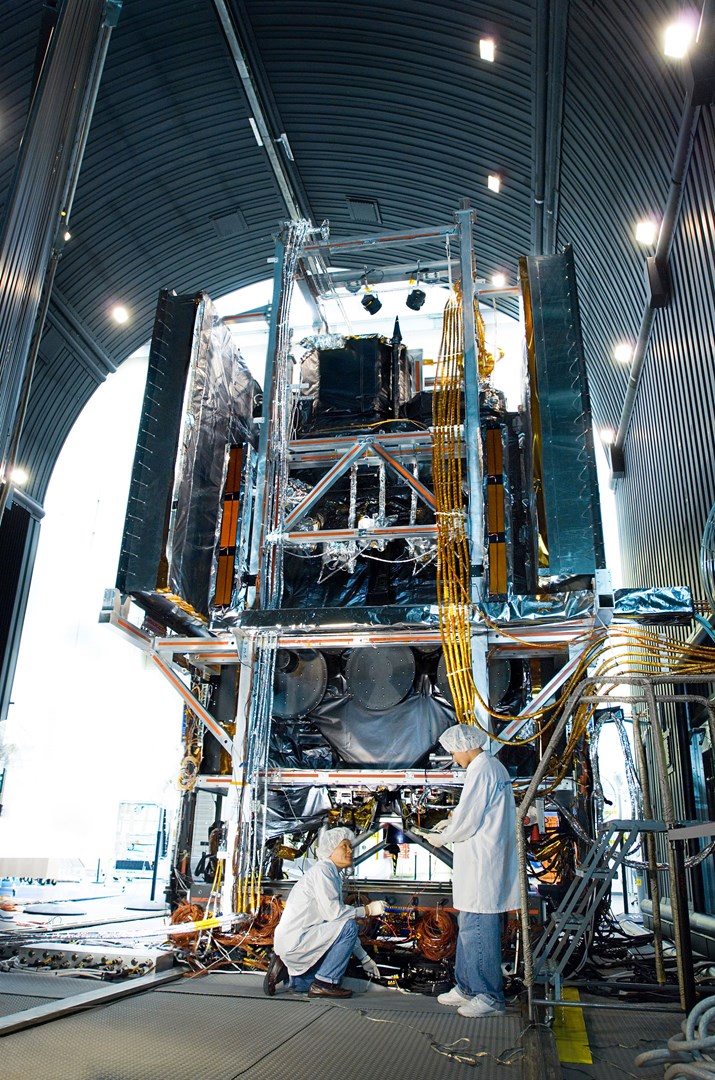
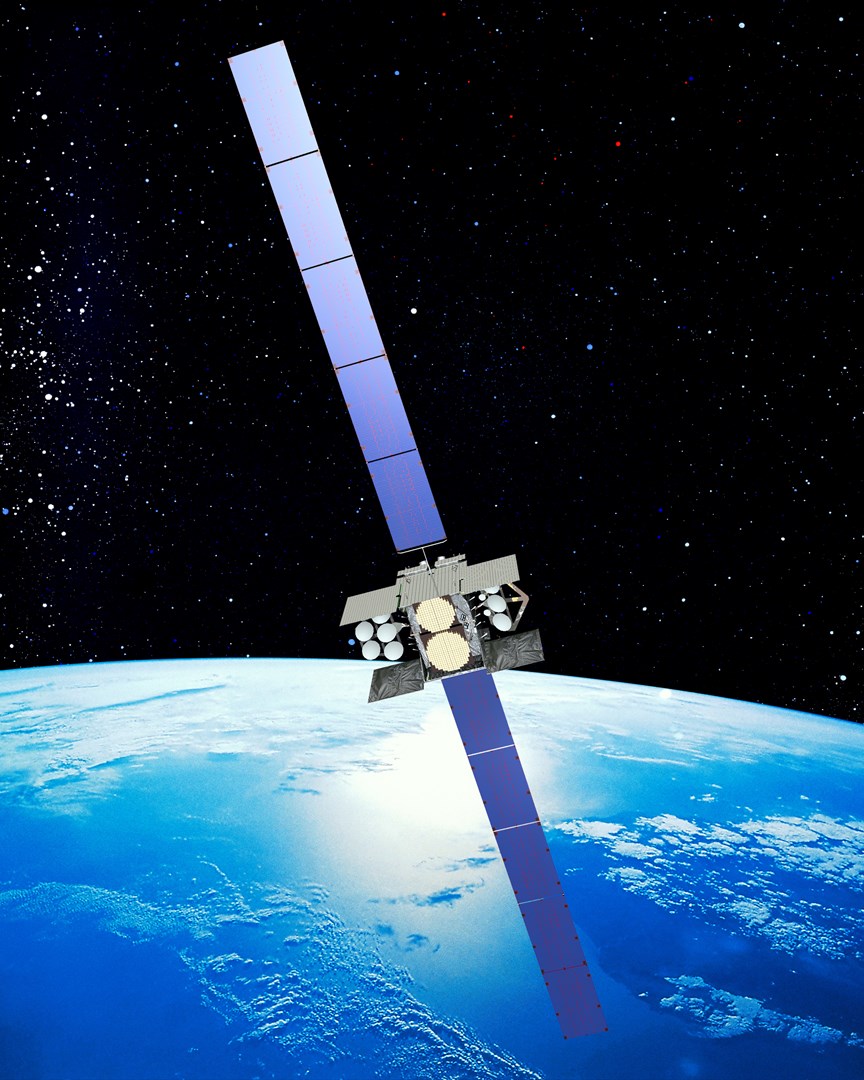
The Wideband Gapfiller Satellites (WGS) is a high-capacity satellite communications system that will support the US warfighters with newer and greater wideband communications than provided by existing systems. The communications increase compared with legacy systems such as MILSTAR would be approximately 10-fold. They are based on commercial Boeing 702 spacecraft platform and the entire program is being funded by the US Air Force and the US Army. The spacecraft's solar panels provide 13-kilowatt of power supply. The $336 million initial production contract, awarded in March 2002, called for three spacecraft with options for three additional units, but subsequent plans envisaged that only five WGS satellites would be necessary to put into orbit. Each WGS is expected to provide a tenfold increase in wideband capacity over current orbiting systems such as DSCS or MILSTAR. The US government expects that WGS will introduce transformational capabilities into the US military global communications architecture. The first satellite was slated for launch by mid-2005 carried by a Delta IV rocket but this date was slipped due to a manufacturing process problem which pushed back the launch date. The manufacturing problem focused on the satellite's fastener which were scheduled to be replaced. According to November 2005 SAR report, the entire constellation should be reaching initial operational capability (IOC) by March 2009. The full operational capability is still to be determined by the USAF. This joint services program also includes ground control equipment and associated logistics support services and equipment. In February 2006 the US Air Force awarded Boeing a $148 million contract to begin work on the fourth WGS satellite, called the WGS F4. According to the most recent schedule the first spacecraft, WGS F1, launch was set for June 2007. On 18 October 2006 the US Air Force awarded Boeing a $1.07 billion contract for up to three more WGS Block II satellites. These satellites are in addition to three previously awarded WGS Block I spacecrafts. Block II will include a new radio frequency bypass capability designed to support airborne intelligence, surveillance and reconnaissance platforms requiring ultra-high bandwidth and data rates demanded by unmanned aerial vehicles (UAVs). The Block II satellites will transmit data at approximately more than three times the data rate of Block I satellites. Launch of F4 satellite is slated for 2011, F5 in 2012 and F6 in 2013. The US Air Force executed the option on the fourth WGS satellite (known as WGS-4) through a $299.8 million production contract November 9, 2006. WGS-4 launch was slated for early 2011.
deagel.com: https://www.deagel.com/x/x/a000169