ARMSNET
Military Equipment Database
Initializing 0%

Ka-27 (Helix) Russian Anti-Submarine Helicopter

Kamov Ka-27
Spotted an error? Sign in to suggest an edit.
Basic Information
Name
Ka-27 (Helix) Russian Anti-Submarine Helicopter
Designation
Kamov Ka-27
Alternate Designation
Kamov Ka-27; Helix
Equipment Type
Manufacturer
Kamov
Date of Introduction
1982
Description

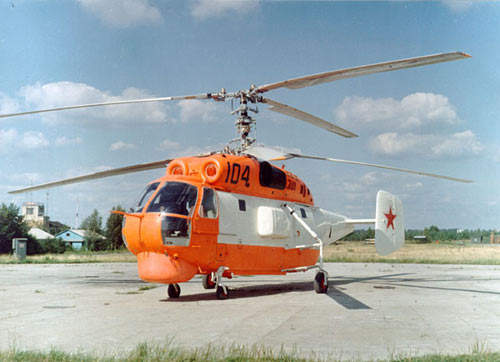
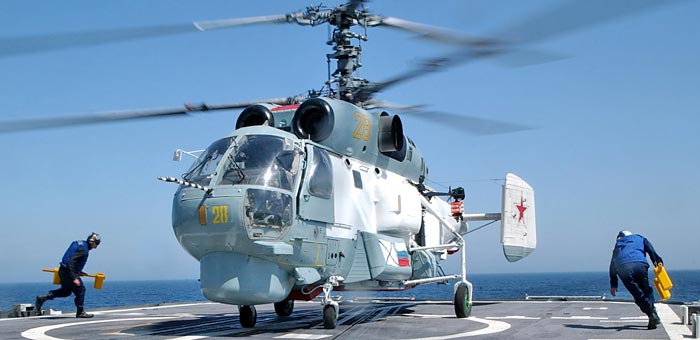
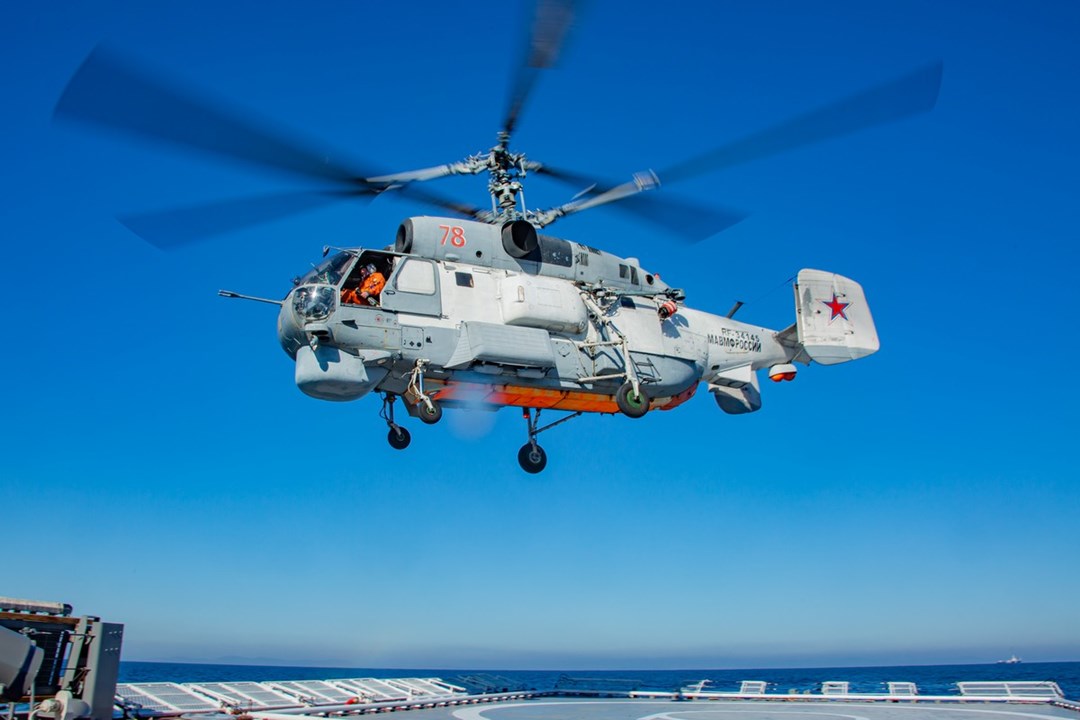
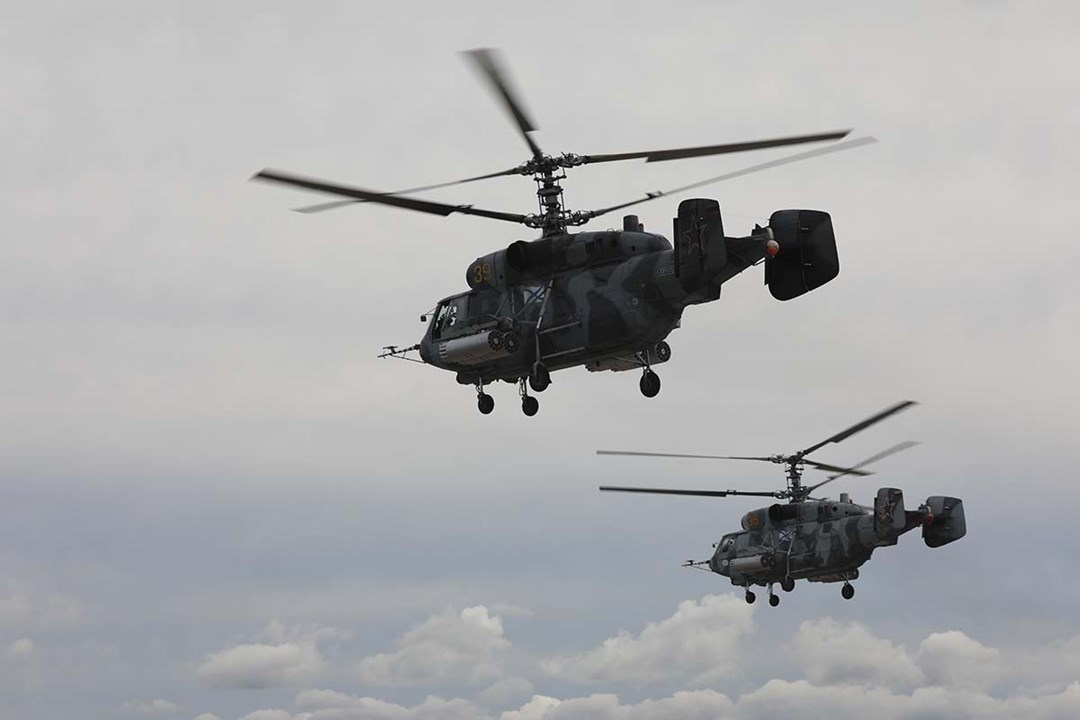
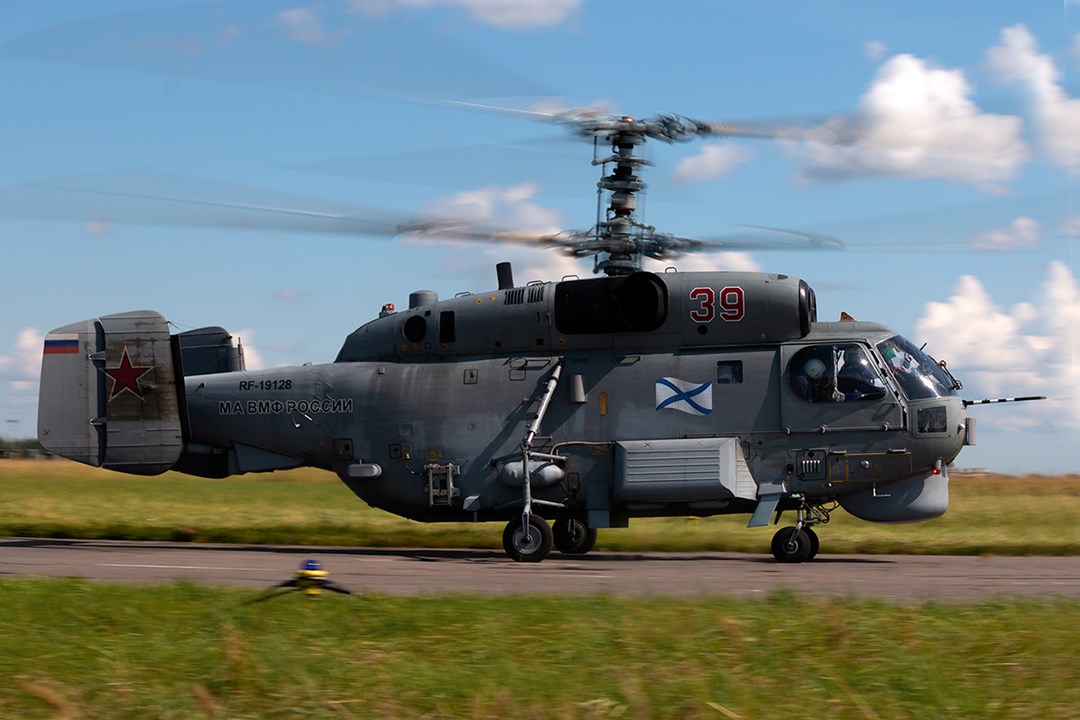
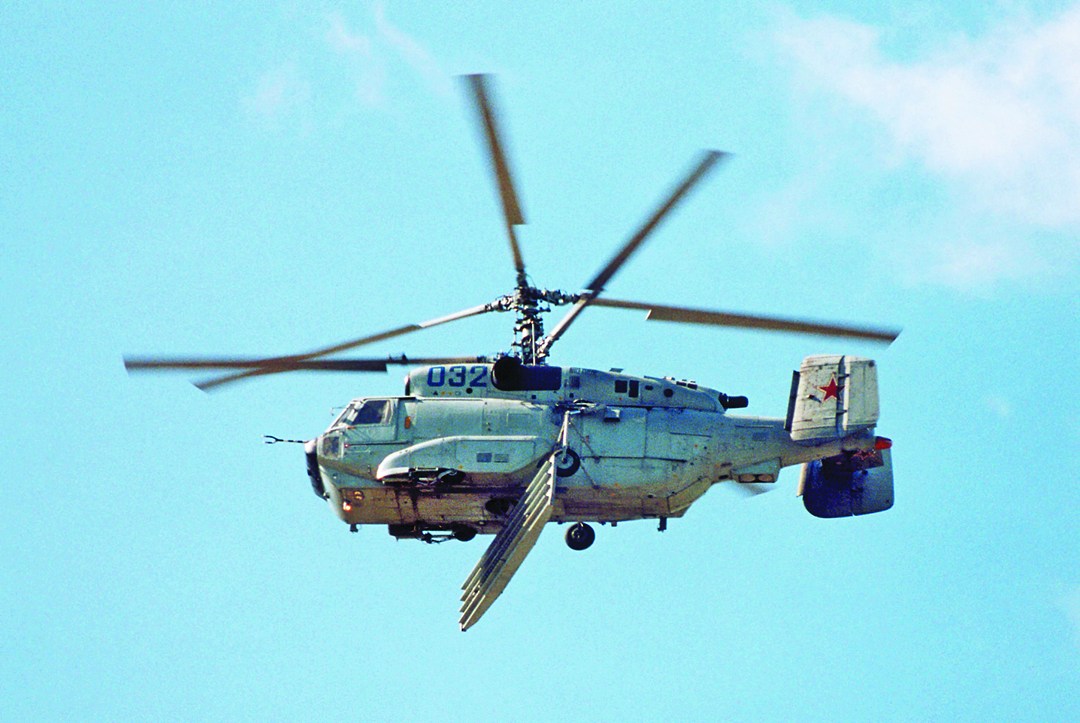
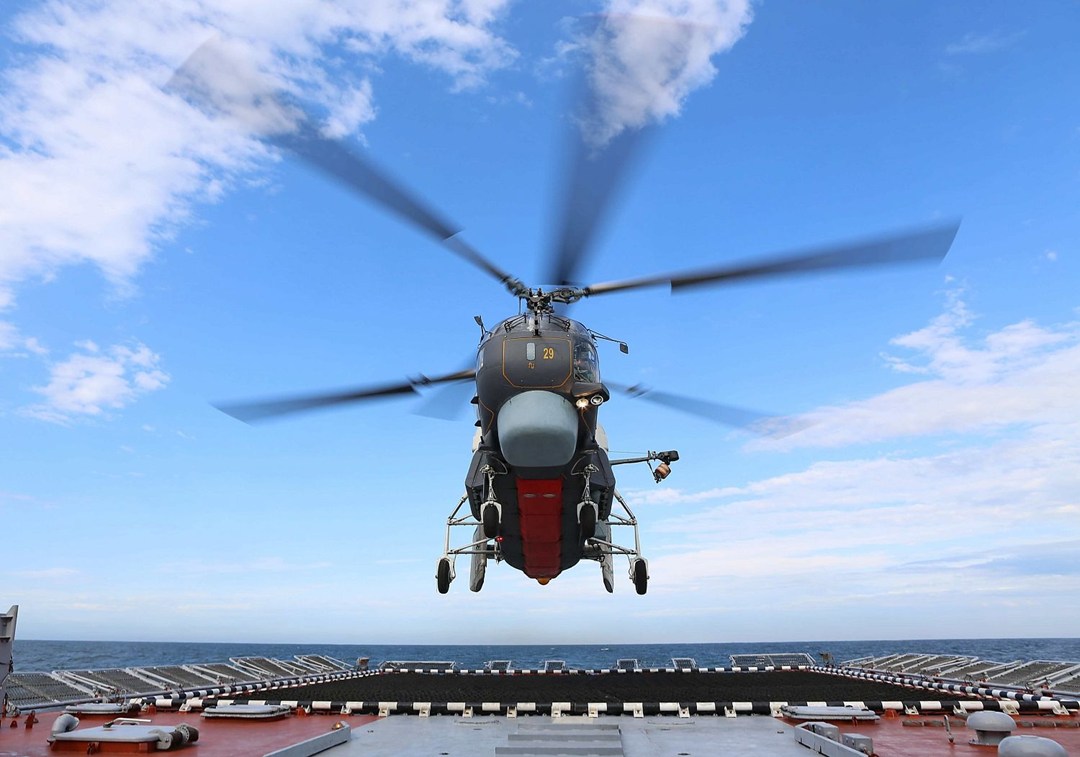
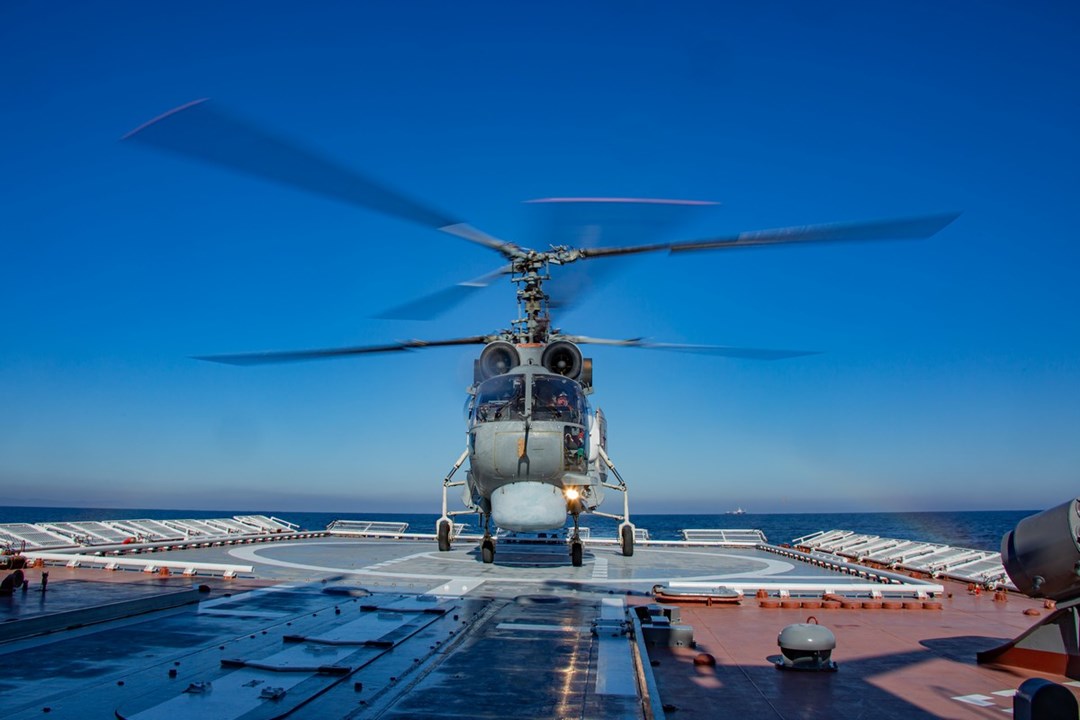
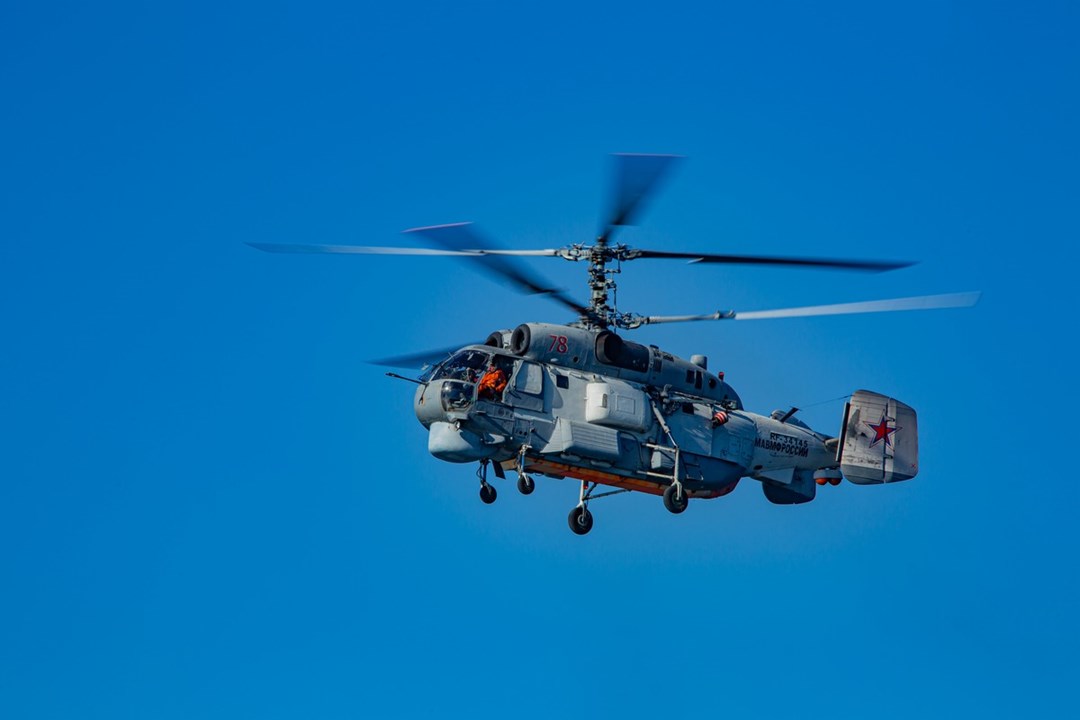
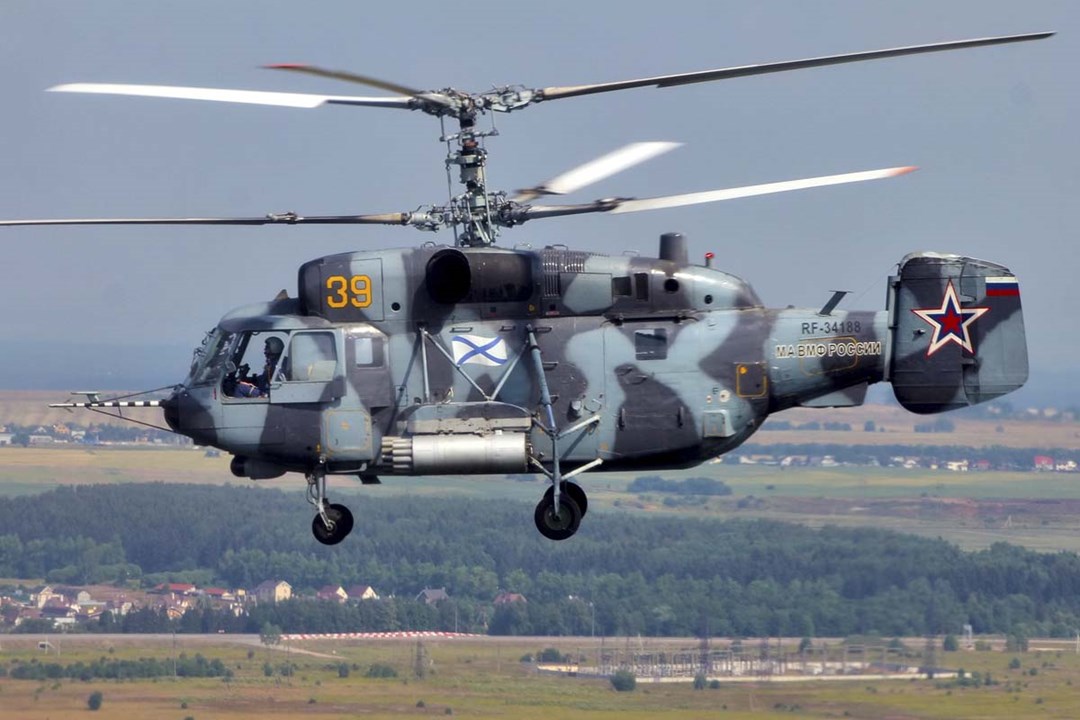
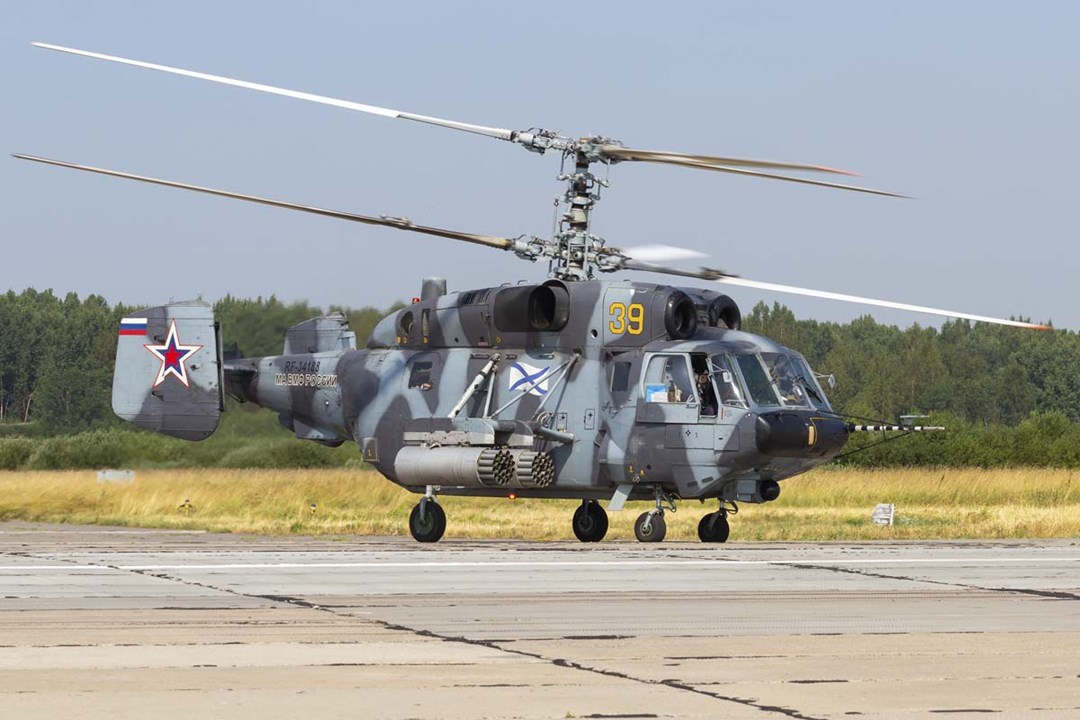
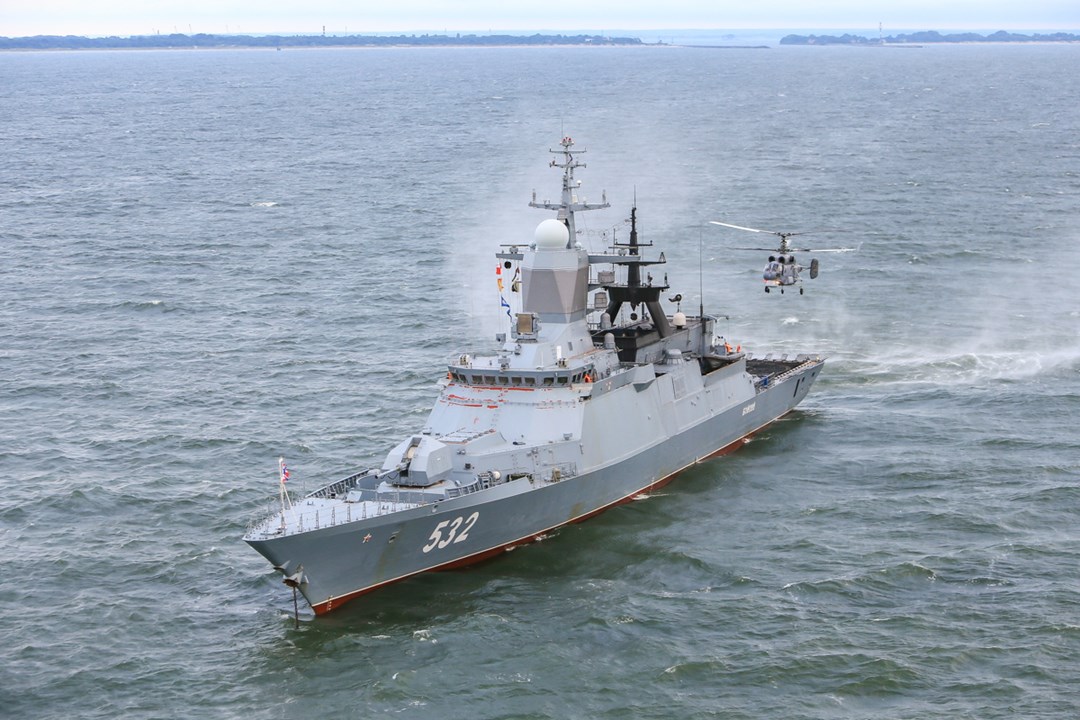
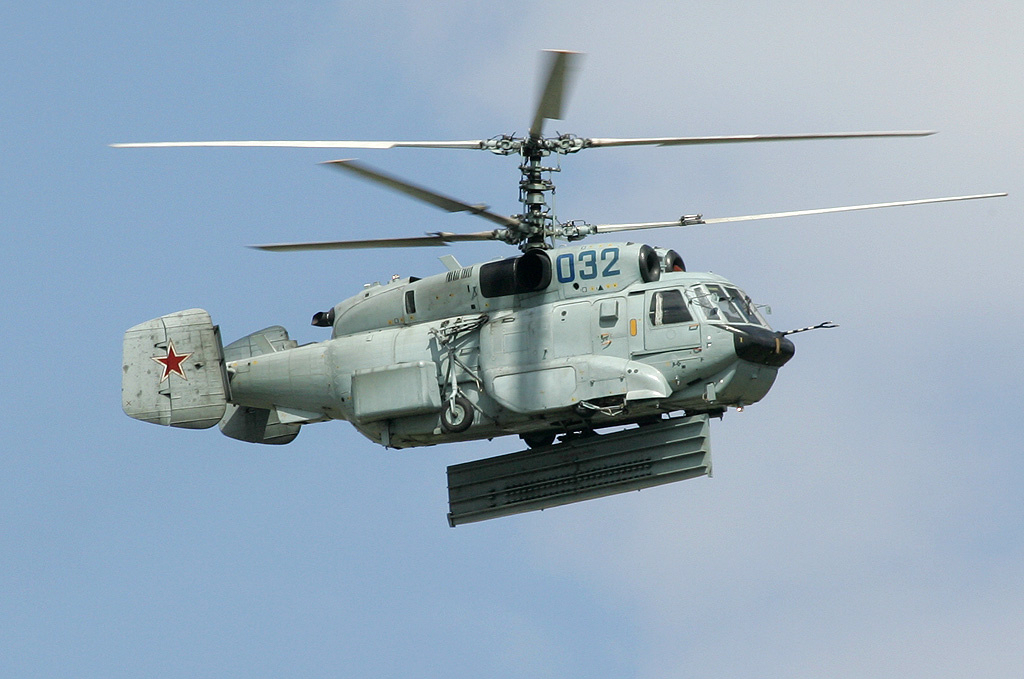
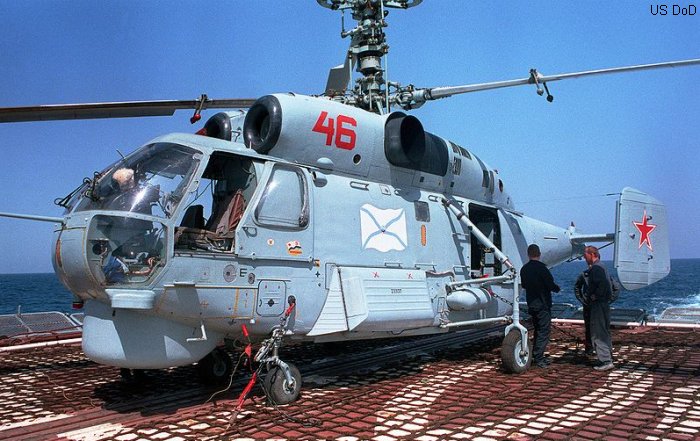
Ka-27 (Helix) Russian Anti-Submarine Helicopter is an improved version of the Ka-25. The fuselage was redesigned to give a large increase in cabin room, with only a small increase in external dimensions. This allows the Ka-27 to operate from the same ships as the Ka-25. As the 1960s drew to a close, the need arose for a new shipboard anti-submarine warfare helicopter to replace the Soviet Navy's main ASW chopper, the Kamov Ka-25 which was becoming obsolescent. The objective was to greatly increase the payload, internal volume, and engine power while still allowing the helicopter to use the same deck helipads and shipboard hangars. The design bureau led by Nikolay Il'yich Kamov started work on the new ASW helicopter in 1969. Given the size requirements, the engineers logically chose to retain the preceding model's contra-rotating rotor layout - a feature that had been a Kamov "trademark" from the start. Initially designated Ka-252 (though the designation was later changed to Ka-27), the prototype made its first hover on 8th August 1973 and the first free flight on 24th December 1973. After a period of rigorous testing, the helicopter officially entered service with the Soviet Navy in 1981. The KA-27 helicopter is intended to be used for the search-rescue provision of aircraft flights over the sea and the land, and also for the provision of emergency-rescue operations at the disasters of ships and vessels, day and night time, in simple and complicated weather conditions at the sea roughness up to 5 number, alone and in combination with ships. To carry out rescue operations, the helicopter is equipped with a winch with a lifting capacity of 300 kg. The flight-navigation complex of the helicopter allows to conduct an automatically controlled flight of the helicopter according to the pre-set route, a landing of the helicopter on the deck a ship and unloading of the ship without the stoppage of the latter, an autonomous hovering of the helicopter over the pre-determined point, and together with the radar "Osminog", leading out of the helicopter into the point of the flight pre-set by the pilot. An inflatable ballonet system ensures the floatage of the helicopter in case of its emergency landing on the water surface. The blade folding mechanism allows considerably diminished overall dimensions of the helicopter at its storage in the hangars of ships and aerodromes.

Air & Air Defense Specifications
Crew 2
Max Speed 250.0 km/h
Range 800.0 km
Variants
Ka-27PL (Helix-A) baseline anti-submarine warfare helicopter.
Ka-27PS (Helix-D) is a search and rescue helicopter.
Ka-27M s a recent improved version. It is being tested and evaluated by the Russian Navy. This helicopter has got new radar and some other improvements.
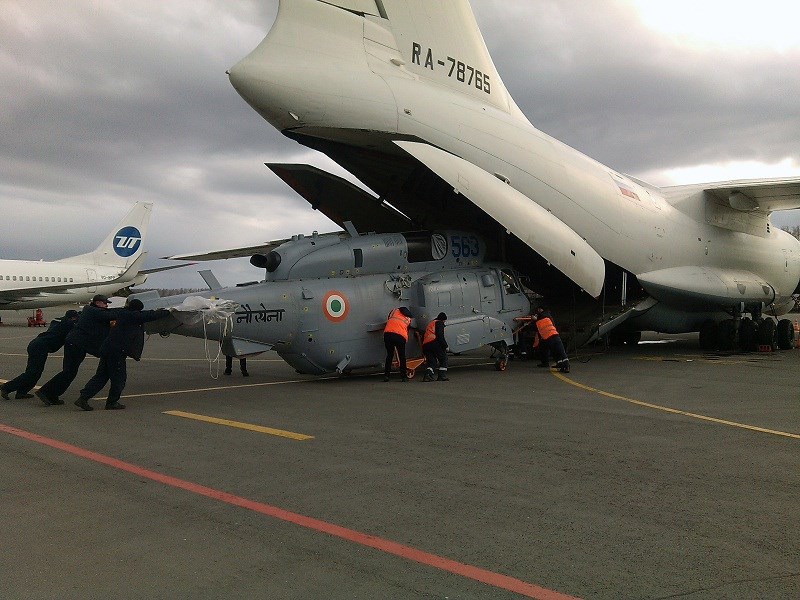
Ka-28 (Helix-A) is an export version of the Ka-27PL ordered by China, India, Vietnam and Yugoslavia. This version has a revised avionics suite.
Ka-29 (Helix-B) is a naval assault transport helicopter. This helicopter is intended especially for the support of Russian Navy's amphibious operations and featuring a substantially changed airframe. The type entered service in 1985. About 59 of these helicopters were produced. These are in service with Russia and Ukraine.
Ka-31 is an airborne early warning helicopter, based on the basic Ka-29. Its main mission is a long-range detection of airborne and naval threats.
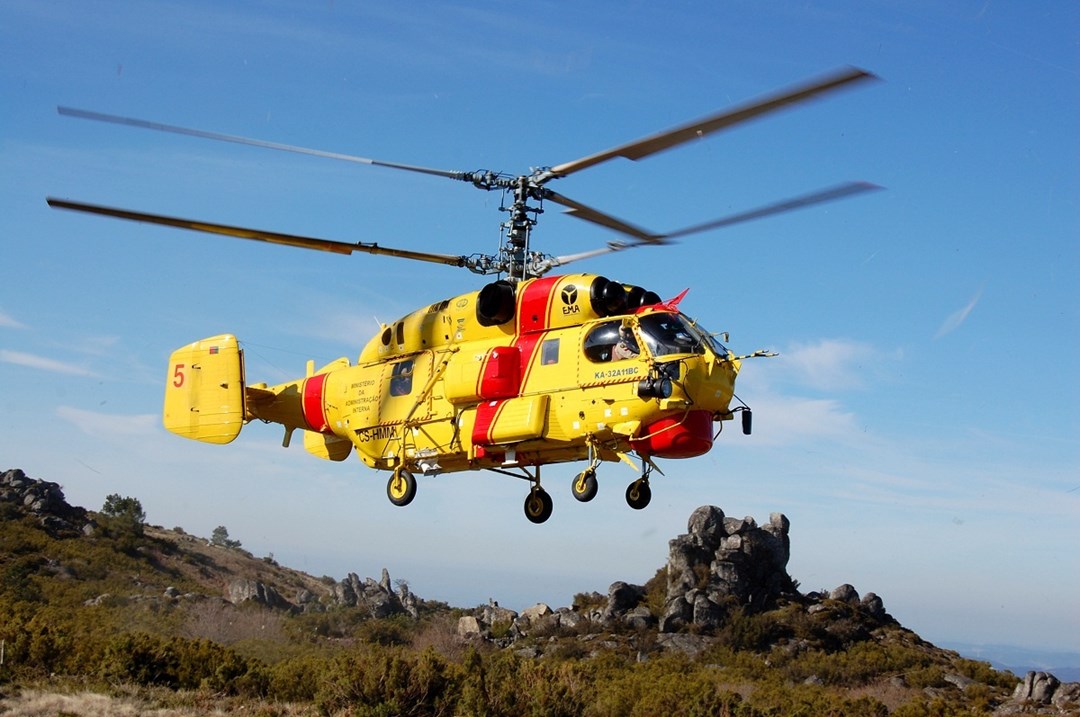
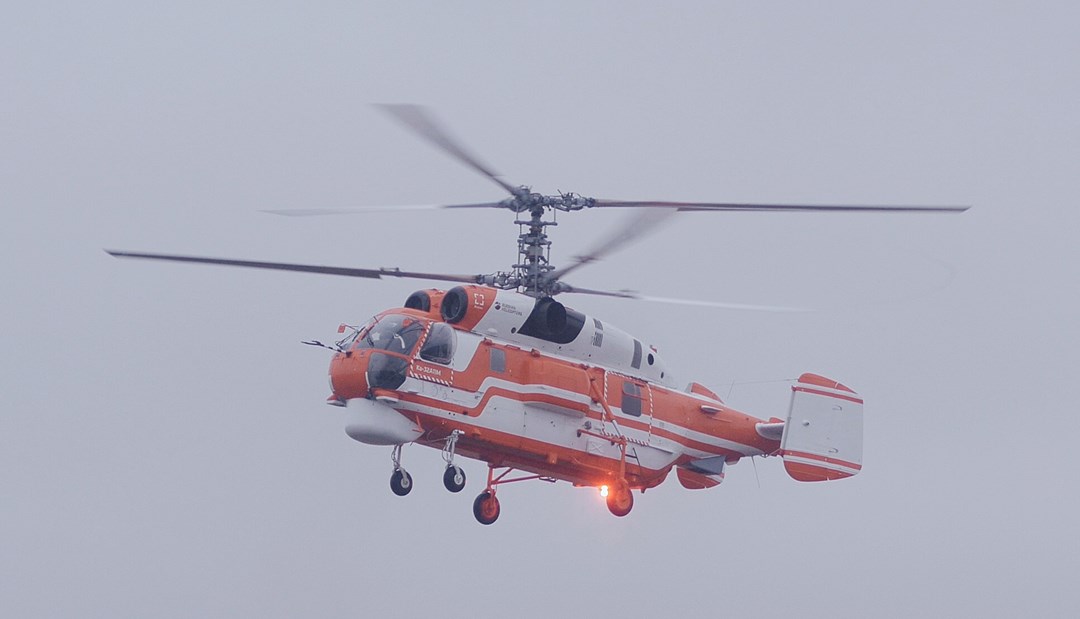
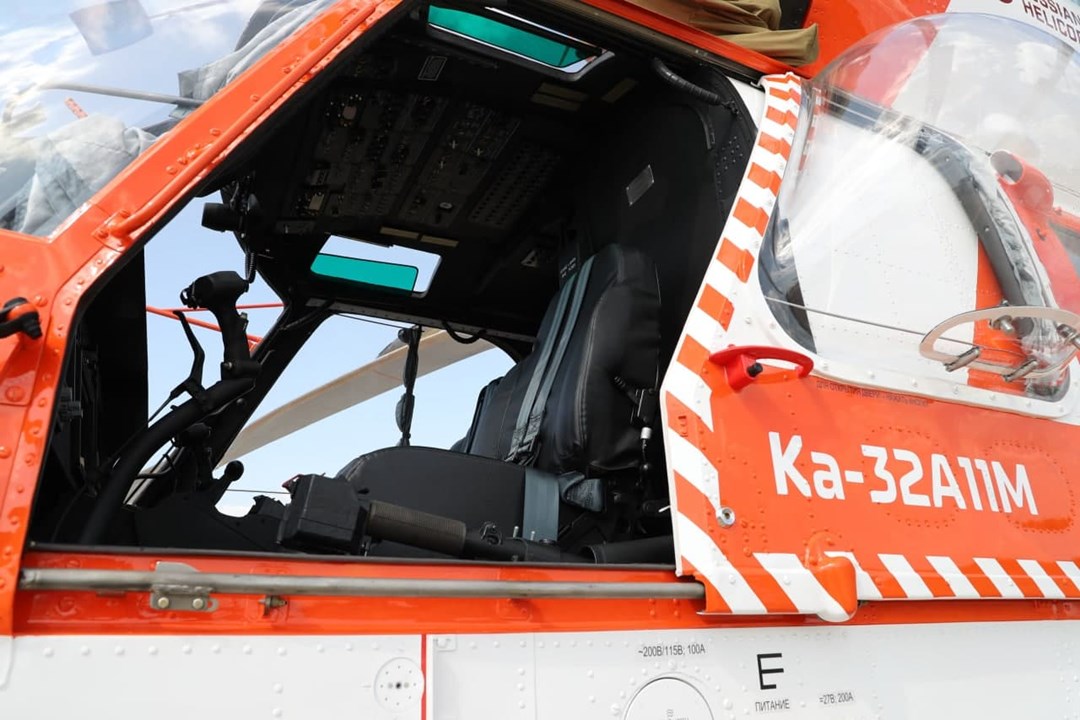
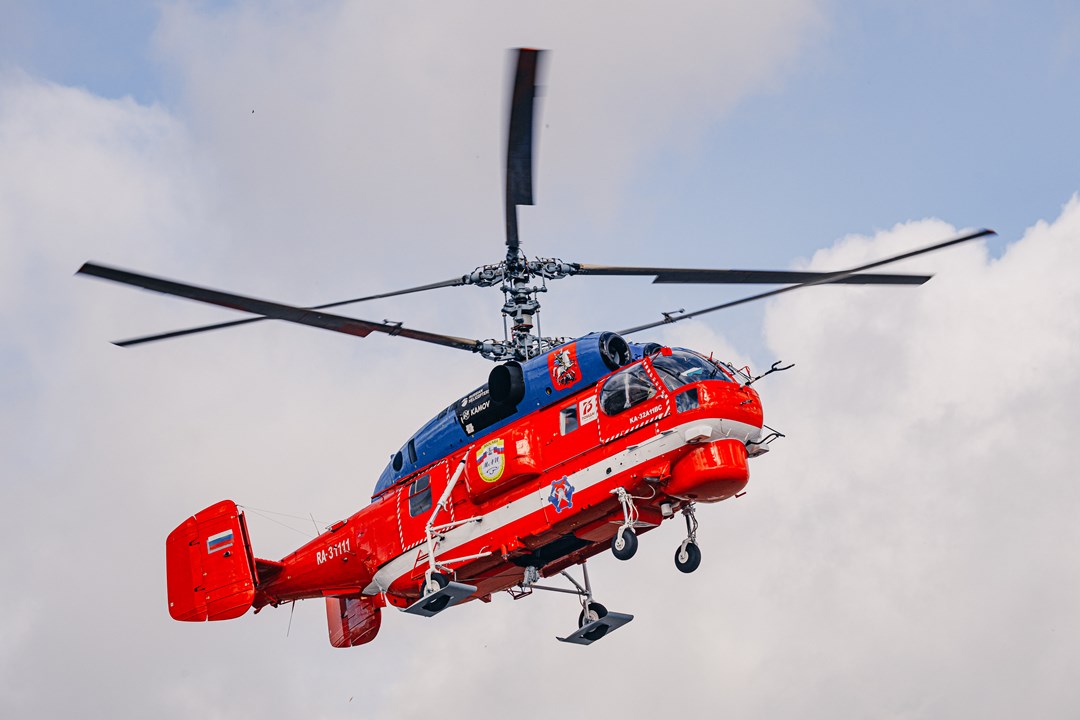
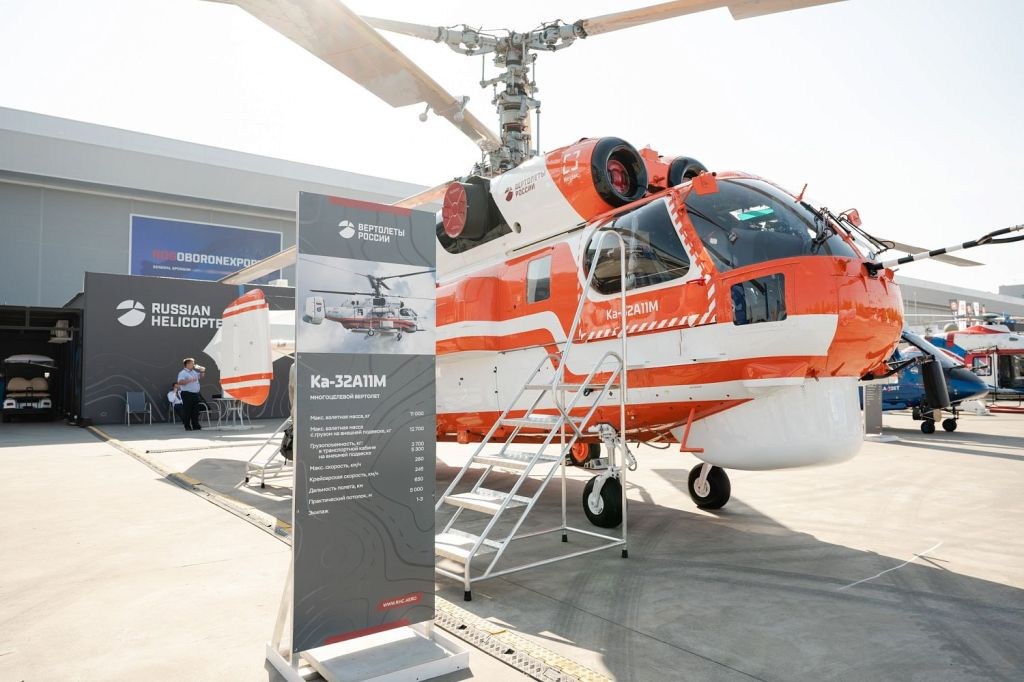
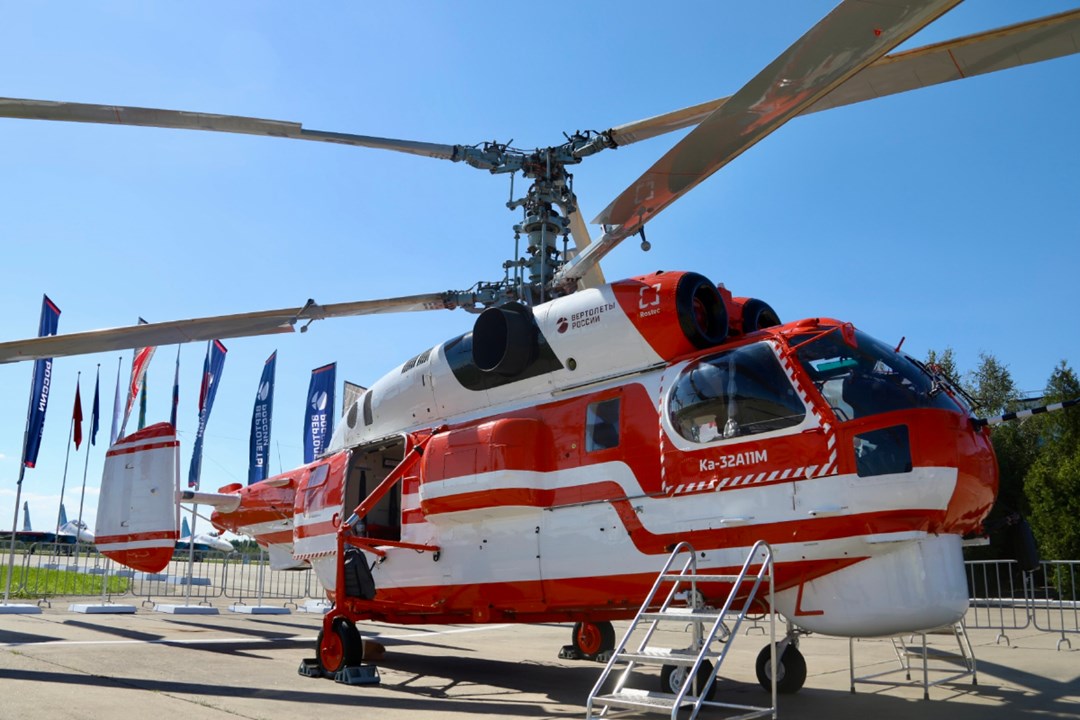
Ka-32 (Helix-C) is a simplified civilian version. It is used in Russia and has been exported to a number of countries. It is even used by some Western countries.
Ka-32K is a civilian flying crane.
Ka-32S is a specialized version, designed to operate from icebreakers. It can be used for ice patrolling, search and rescue, oil rig support, and other tasks. This version is fitted with a radar.
Ka-32T is a civilian transport helicopter. It lacks radar and has simplified avionics. It can carry passengers or freight. It has a payload capacity of 4 000 kg internally or 5 000 kg externally.
System
Alternative Designation Kamov Ka-27; Helix
Primary Function Anti-submarine warfare helicopter
Manufacturer Kamov
In Service 1982-Present
Crew 2 (pilot, navigator) + 1-3 sensor operators
Passenger The main cabin holds ASW gear or up to 16 passengers
Blades, Main Rotor 6 ea
Blades, Tail Rotor No Rail Rotor
Number of Engines 2 ea
Day/Night Capable Yes, due to the Automatic Flight Control System
Takeoff or Landing Limitations INA
All Weather Capable Yes, due to the Automatic Flight Control System
Number of Hard Points INA
Stabilizer horizontal stabilizer (with elevators) fitted with endplate fins and full-height rudders
Auto-hovering Yes
Automatic Flight Control System Yes
Landing Gear Fixed, quadricycle landing gear
Note One fully articulated, three-blade assembly is carried close to the roof, rotating counter-clockwise when seen from above. The other three-blade hub is fitted to the upper end of the mast and rotates clockwise. Each assembly has its own pitch change mechanism and each has folding blades. The blades are of all-composite construction and the main rotor hub is made of titanium and steel.
Dimensions
Length 11.30 m
Width 5.65 m
Height 5.40 m
Main Rotor Diameter 15.90 m
Weight, Empty 6,400 kg
Weight, Normal Takeoff 10,700 kg
Weight, Maximum Takeoff 11,000 kg
Weight, Internal Payload 4,000 kg
Cabin Length 4.52 m
Cabin Width 1.30 m
Cabin Height 1.32 m
Disc Area 199 m sq
Automotive
Engine Name 2 x Isotov TV3-117KM turboshaft
Engine Power 2,200 shaft hp each
Cruising Range 800 km
Speed, Maximum 250 km/h
Speed, Cruise 230 km/h
Internal Fuel Capacity 4,720 liters
Ceiling 6,000 m
Hovering Ceiling 3,500 m
Communications
Radio Various depending on country and mission
Wing Mounted Weapons
Note The Ka-27 can be equipment with 1 × torpedoes (AT-1M, VTT-1, UMGT-1 Orlan, APR-2 Yastreb) or 36 RGB-NM & RGB-NM-1 sonobuoys
Torpedoe System
Name Torped 45
Type lightweight torpedo intended for ASW and surface targets, providing multiple-target active/passive homing combined with wire guidance.
Manufacturer Saab Dynamics (Sweden)
In Service 1995-Present
Length 2,850 mm
Diameter 400 mm
Weight 320 kg
Engine Electric DC motor with gearbox
Basic Load 3 ea
Guidance System Hydro-acoustic homing combined with wire guidance and on-board computer
Bomb System
Note Additionally, the Ka-27 can carry 10 x PLAB 250-120 anti-submarine bombs
Fire Control and Avionics
Fire Control System Type INA
Fire Control Radar INA
Digital or Analog Cockpit INA
Direct Fire Control INA
Laser Designator INA
Submarine Search Radar Osminog in undernose radome
Doppler Radar DISS-15 Doppler navigational
Position Location System Yes
Navigation System NKV-252 navigation system
Gyroscope MGV-1V gyroscopic system
Radio Compass A-031 radio compass
Flight System PKV-252 flight system
Protection
Fuselage The fuselage resembles that of the Hormone and has a similar semi-monocoque pod and boom type that has been stretched approximately 5 ft (1.5 m).
Cockpit Glass unstepped windshield
Stealth Properties No
Heat Signature Reduction INA
Add on Armor INA
NBC Protection Yes
EW INA
EW Counter Measures/CCM INA
Counter Measures (Chaff/Flares) INA
Details
Country of Origin Russia
Category Rotary Wing Aircraft
Air > Rotary Wing Aircraft
Filter Label
K
Classification
Domain
Air & Air Defense
Equipment Status
Active
Dimensions
Length
11.3 m
Width
5.65 m
Height
5.4 m
Weight
10700 kg
Operators (9)
Russia
China
South Korea
Ukraine
India
Soviet Union
Algeria
Syria
Vietnam
Something went wrong. Please reload the page. Reload