Kh-32
Kh-32
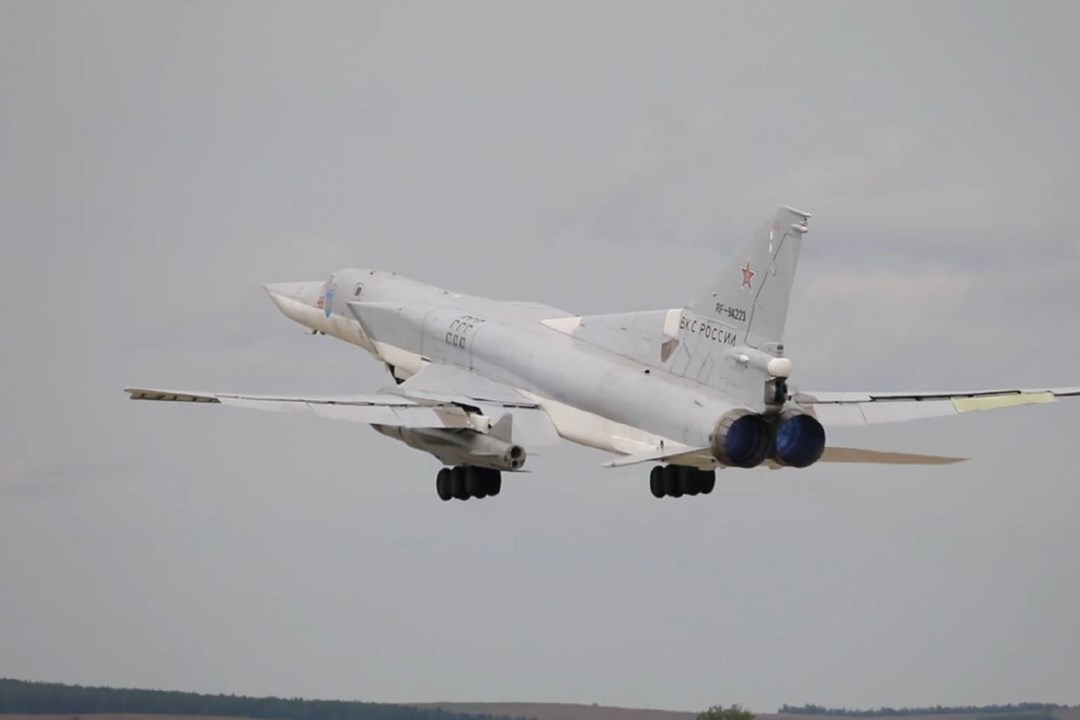
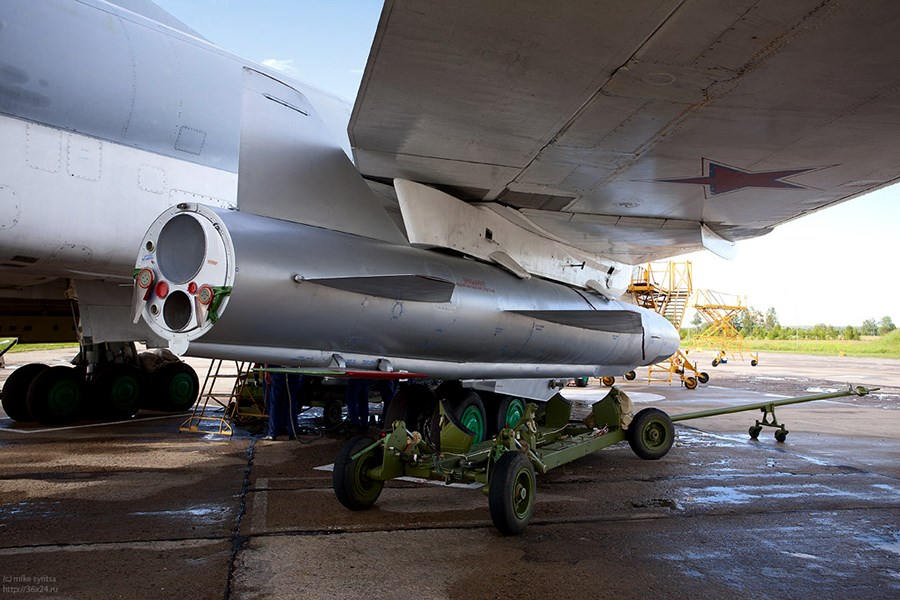
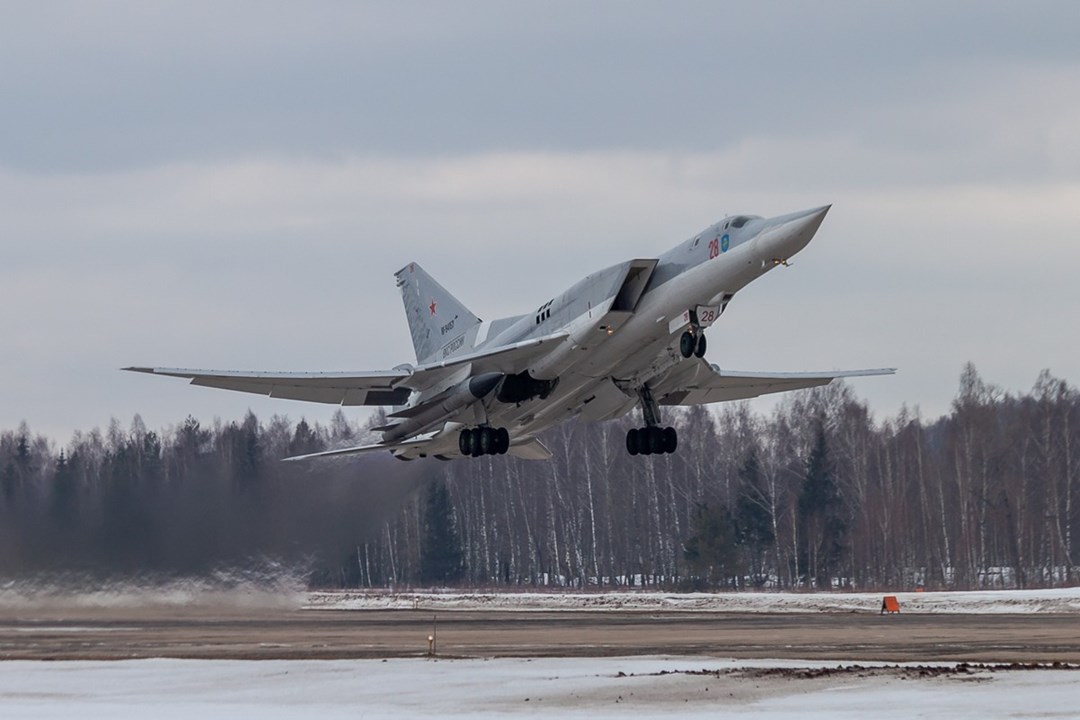
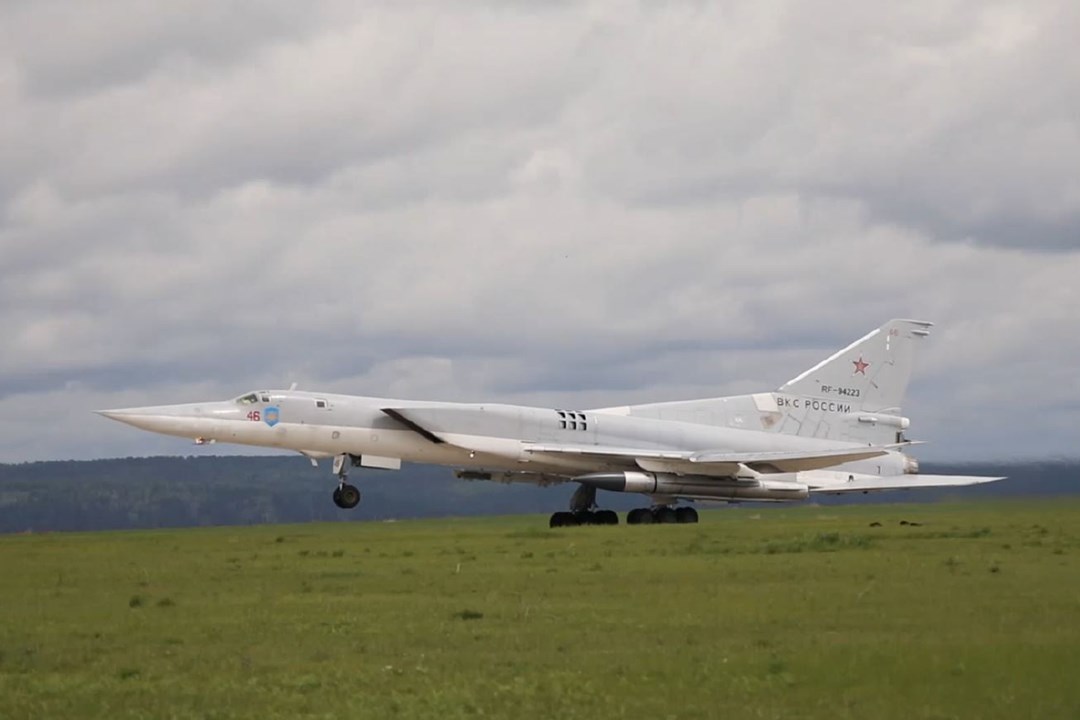
The Kh-32 is a long-range, supersonic multi-purpose cruise missile derived from the Kh-22 cruise missile which developed by the former Soviet Union in the 1960s. The Kh-32 development by Raduga, now part of the Tactical Missiles Corporation (KTRV), started in the early 1990s with the first test flight carried out in the mid-2000s and the program being in the final stage by mid-2016. The Kh-32 missile has been designed to take out radar stations, warships (actually aircraft carrier battle groups), bridges, military bases and power stations fitted with an inertial navigation system (INS) and a radio-radar seeker. The guidance system is hard to jam because it does not depend upon the GPS/GLONASS system. Eventually the missile may be armed with a nuclear warhead. The Kh-32 cannot be taken down by either air defenses and/or aircraft interceptors because it flies at an altitude of 40 kilometers and a speed in excess of 5,000 kilometers per hour. Compared with its predecessor, the Kh-22, the Kh-32 has twice the range (1,000 kilometers) which make it more suitable against heavily defended targets. The Kh-32 missile is expected to enter service with the Russian Air Force Tu-22M3M Backfire medium bombers in 2017. The Kh-32 supersonic cruise misssile with a conventional warhead was employed successfully against Ukraine in October/November 2022.
deagel.com: https://www.deagel.com/x/x/a003339