MSG
MSG
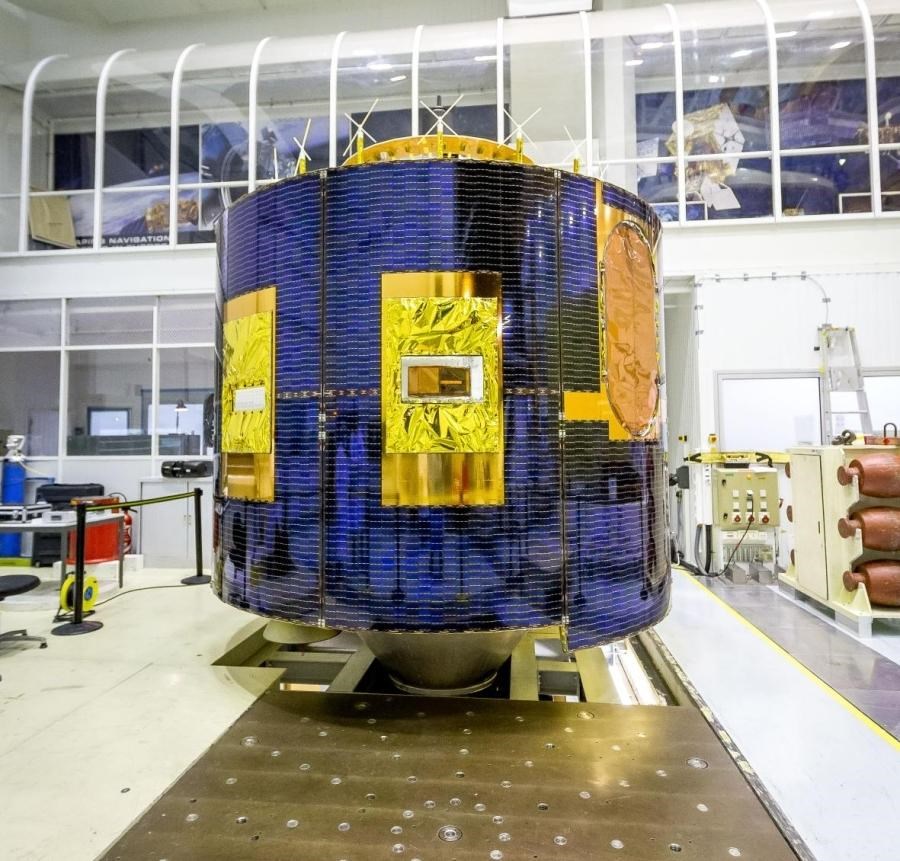

The Meteosat Second Generation (MSG) is a constellation of geosynchronous meteorological satellites intended for weather forecast being managed by the European Space Agency (ESA) and Eumetsat, European Organization for the Exploitation of Meteorological Satellites. MSG has been designed as the replacement for the Meteosat constellation which has been providing meteorological information since 1977 using seven satellites. The MSG system consists of a ground control station and three satellites. The first satellite Meteosat-8, formerly known as MSG-1, was launched in August 2002 and the second Meteosat-9, formerly known as MSG-2, in December 2005. The key element for the MSG satellite is the SEVIRI (Spinning Enhanced Visible and InfraRed Imager) instrument built by EADS Astrium. SEVIRI is a radiometer successor to the one provided to Meteosat satellites. SEVIRI provides a complete image of the Earth every15 minutes, twice as fast as Meteosat 1, and features 12 spectral ranges over three in Meteosat 1 and three times higher resolution than Meteosat 1 radiometer. EADS Astrium also is responsible for power supply, attitude and orbit control and the propulsion system for the MSG spacecraft. The prime contractor for the MSG program is Thales Alenia Space.
deagel.com: https://www.deagel.com/x/x/a002015