Sarmat
Sarmat
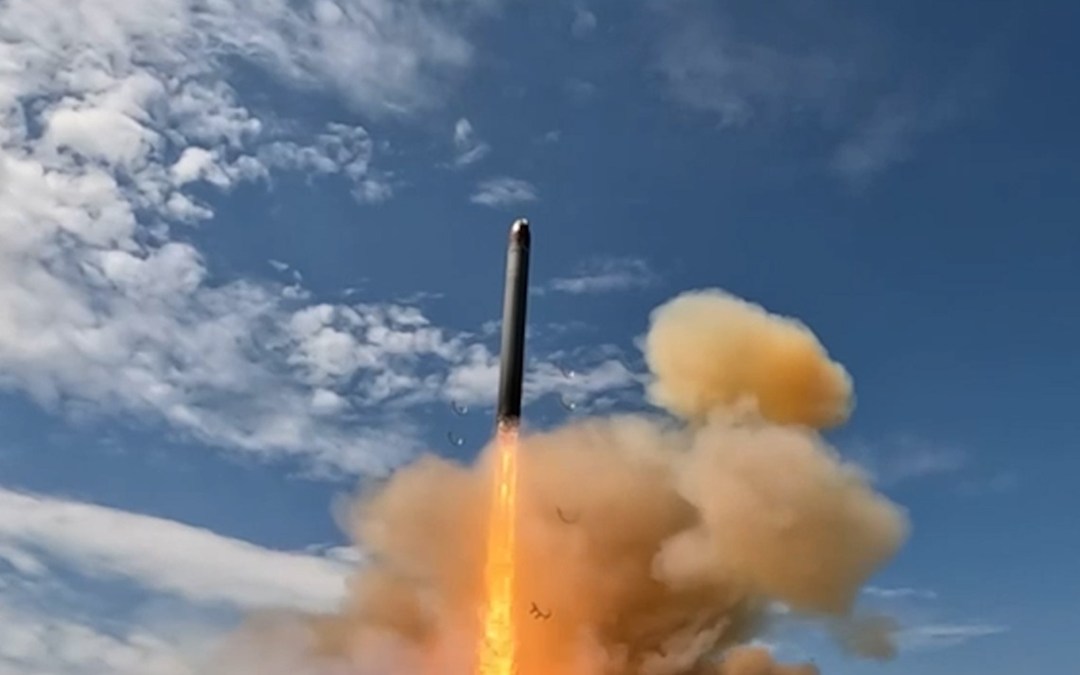
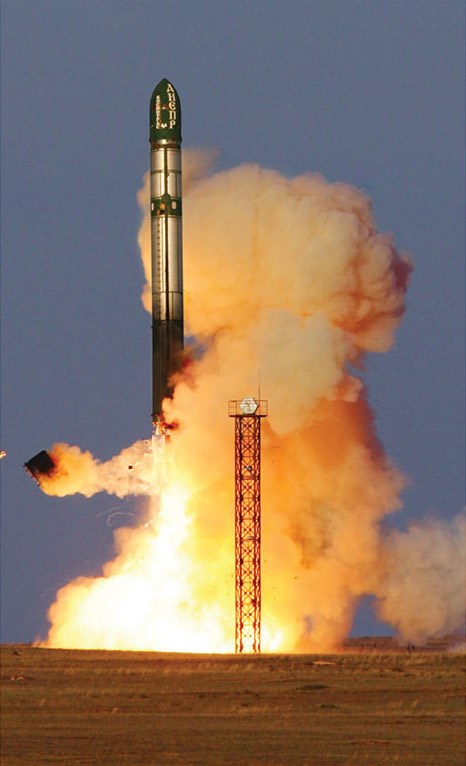
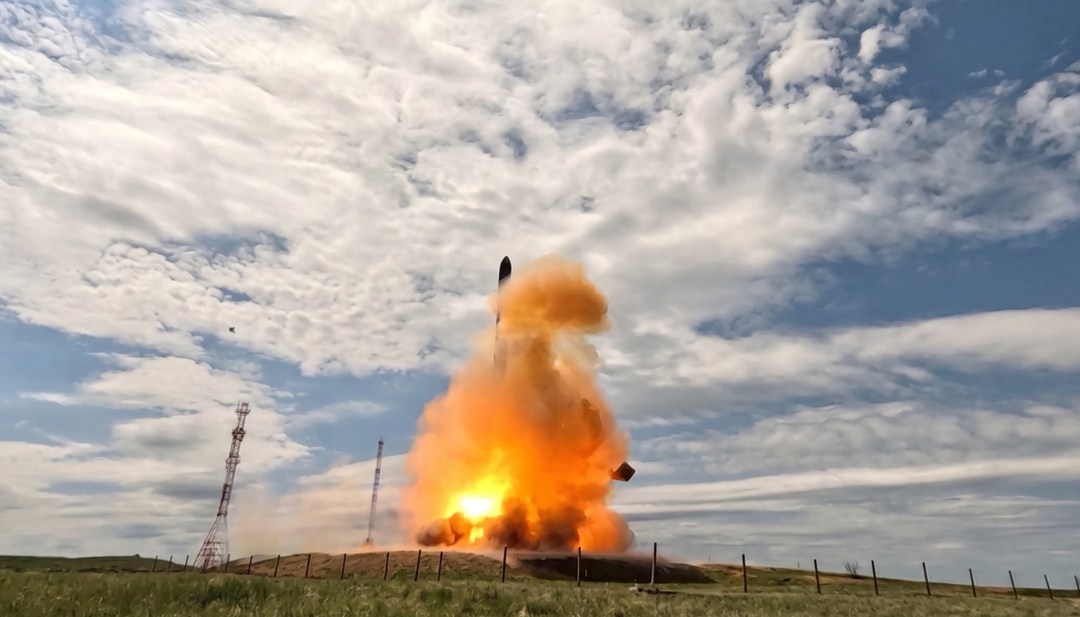

The RS-28 Sarmat, dubbed Satan 2 by NATO and also referred to as SS-X-32 Snowflake, is a new generation heavy Intercontinental Ballistic Missile (ICBM) being developed for the Russian Strategic Missile Force (RSMF) as replacement for the R-36M2 SS-18 Satan ICBM. The new heavy missile will feature a similar performance and specifications but carrying advanced countermeasures along multiple nuclear warheads (MIRVs) to penetrate highly maneuverable missile defenses that may exists in the near future. The missile itself may feature Maneuverable Re-entry Vehicle (MARV) warheads. The propulsion system may feature liquid propellant in order to achieve a shorter boost phase as done with the SS-18 missile. The existence of the Sarmat ballistic missile was made public by the RSMF in December 2013 with a projected entry into service in the 2018-2020 timeframe. According to current SS-18 holdings the RSMF may procure roughly 50 Sarmat missiles. It is expected that the Sarmat will become the world's most powerful ballistic missile when it enters operational service and is placed in combat duty by 2021-2022. In December 2014 the Russian Strategic Forces confirmed that the Sarmat missile will feature more than 100-ton of weight thanks to extensive use of composite materials and a maximum range in excess of 5,500 kilometers. This new information may reflect the fact that the Sarmat is a carrier for hypersonic cruise missiles/nukes with a strategic range. Once the hypersonic nukes have been released at a range of 5,500 kilometers they will be able to fly an additional 3,000-to-5,000 kilometers at a very high altitude of more than 100 kilometers and at a very high speed in excess of Mach 10. This information was confirmed in June 2015 with the hypersonic glider being called Yu-71 which is in effect kinetic conventional warhead with an accuracy of 10 meters. Actually, the MIRVed Sarmat will carry 10-15 or up 24 Yu-74 nuclear warheads delivering them to suborbital trajectories which will allow them to reach any target on Earth following any trajectory. The warheads are maneuverable at hypersonic speeds. All in, the Sarmat is almost impossible to intercept. The Sarmat missile plus its warheads has a maximum range of 6,200 nautical miles or 11,000+ kilometers. More recent estimates place that figure on 17,000 kilometers which makes possible for the missile to follow any trajectory over the globe to reach any target on Earth. The missile uses a new type of liquid propellant which contributes on reducing the lift-off weight. The PDY-99 pulse detonation engine allows achieving hypersonic speeds into orbit in less time and with a lower infrared signature than traditional intercontinental ballistic missiles (ICBM) such as the R-36 missile. That feature is the key to make more difficult for US early warning satellites to detect the missile launch and therefore respond. The Sarmat is provided in two variants one traditional ICBM and as hypersonic glide vehicles carrier. These missiles are expected to be deployed in the 2021-2025 timeframe. The Sarmat's underground silos will be protected by active protection measures including 100 guns capable of firing a metallic cloud of forty thousand 30mm bullets to an altitude of up to 6km. The Russians are also planning to protect the Sarmat with their new S-500 air defense systems. Finally, the missile's preparation to launch is under 60 seconds utilizing a highly automated launch system. All in, the Sarmat will be the best protected silo-based intercontinental ballistic missile ever put into service worldwide. As of September 2016, the Russian Strategic Missile Forces expect to put the first missiles in active duty by 2018 carrying 10 to 16 warheads and yieling 8 megatons combined. On March 1, 2018, President Putin revealed that the Sarmat completed the first round of testing in 2017 and was expected to enter a more comprehensive testing phase in 2018. The missile will allow Russia to hit any target in the world following any possible trajectory.
deagel.com: https://www.deagel.com/x/x/a002919