J-20 (FAGIN) Chinese Stealth Air Superiority Fighter
J-20
Multi-Role Fighters
Spotted an error? Sign in to suggest an edit.
Other



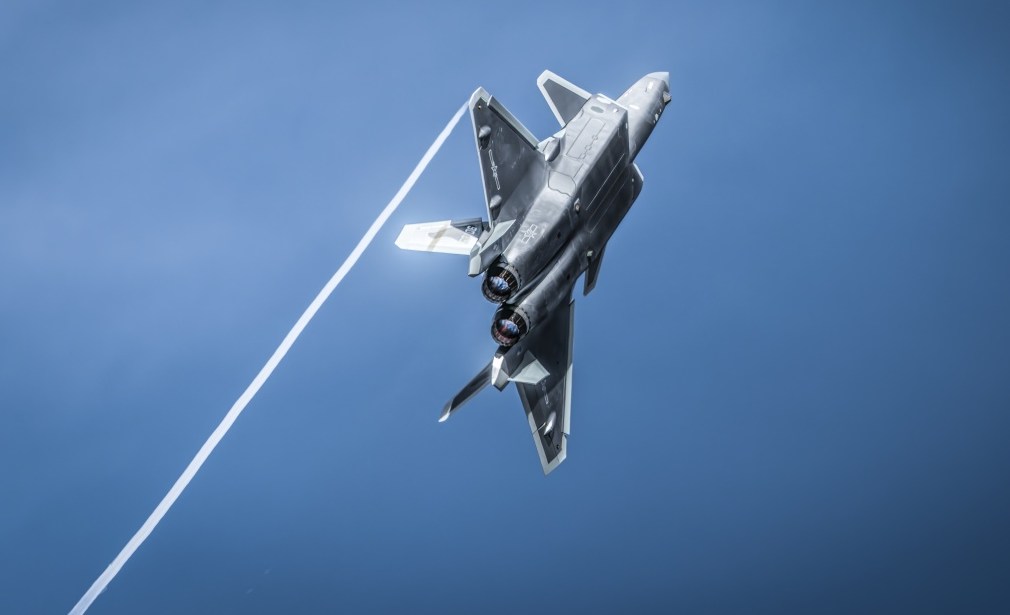
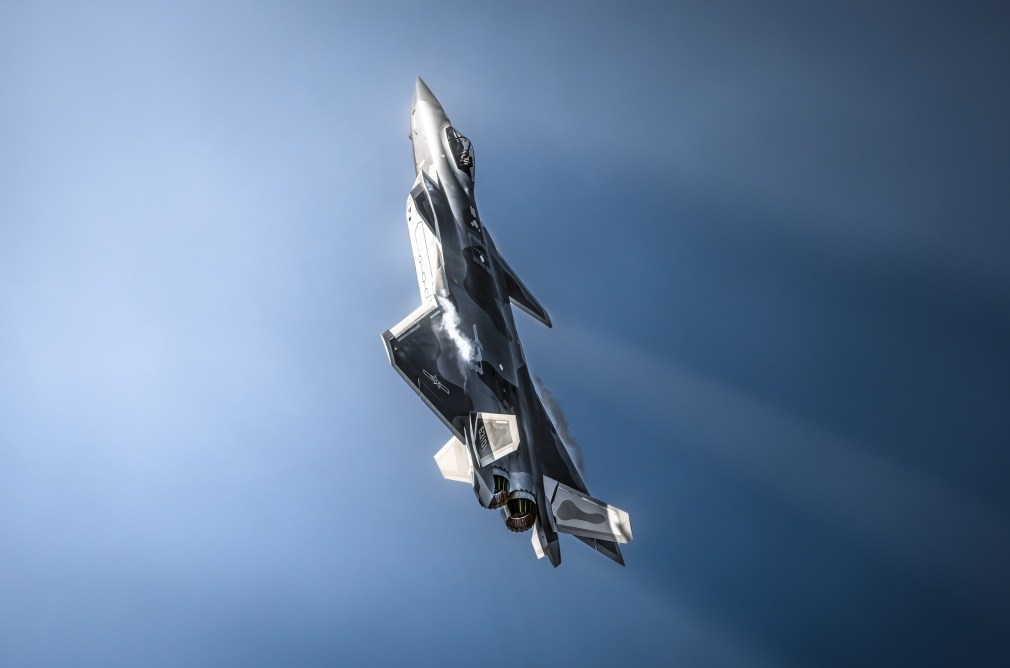
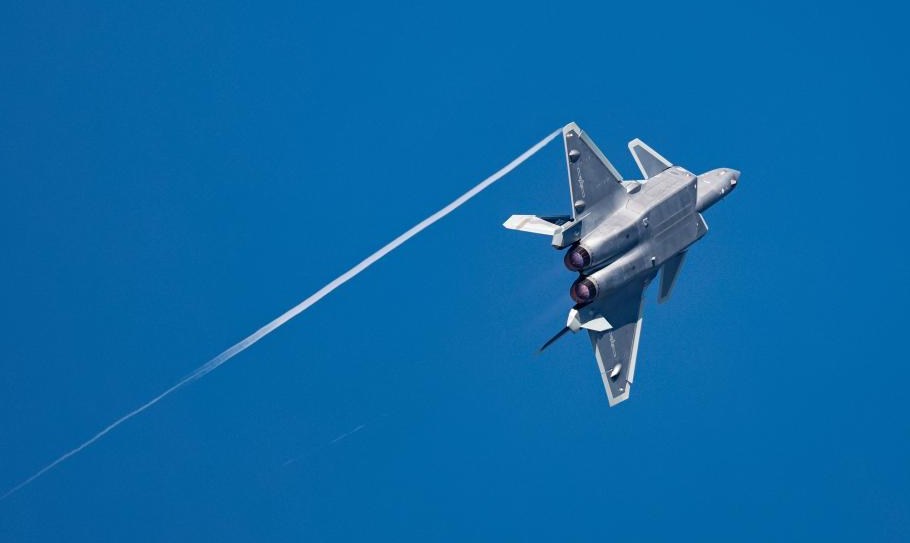
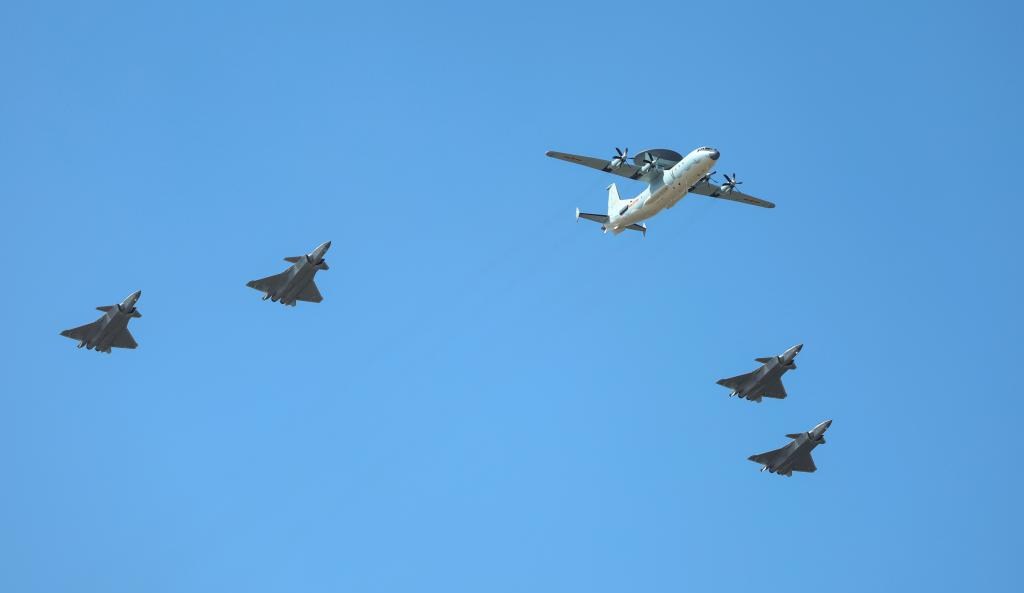
Basic Information
Name
J-20 (FAGIN) Chinese Stealth Air Superiority Fighter
Designation
J-20
Alternate Designation
Black Eagle, J-14, J-20, J-XX, Mighty Dragon, Weilong
Equipment Type
Multi-Role Fighters
Manufacturer
Chengdu Aerospace Corporation
Date of Introduction
2017
Description
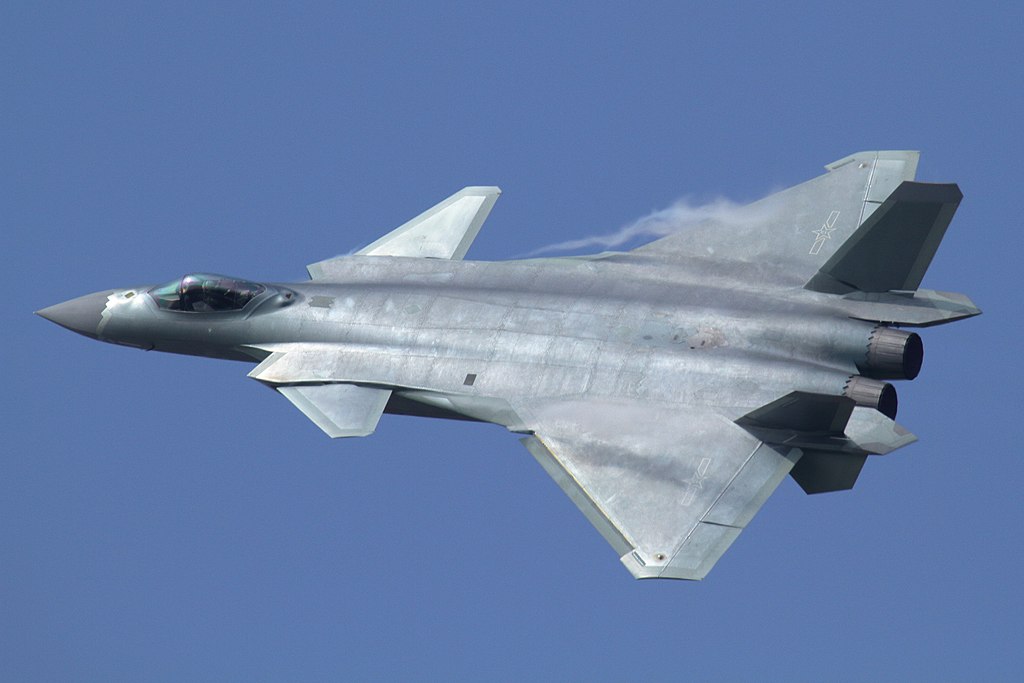
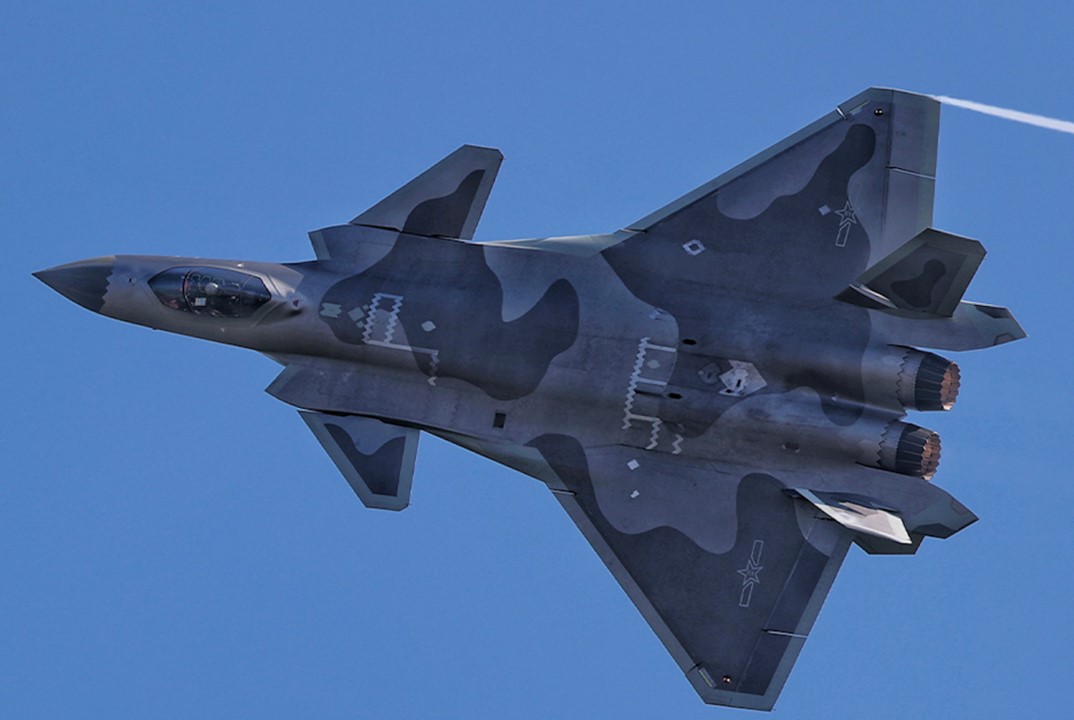
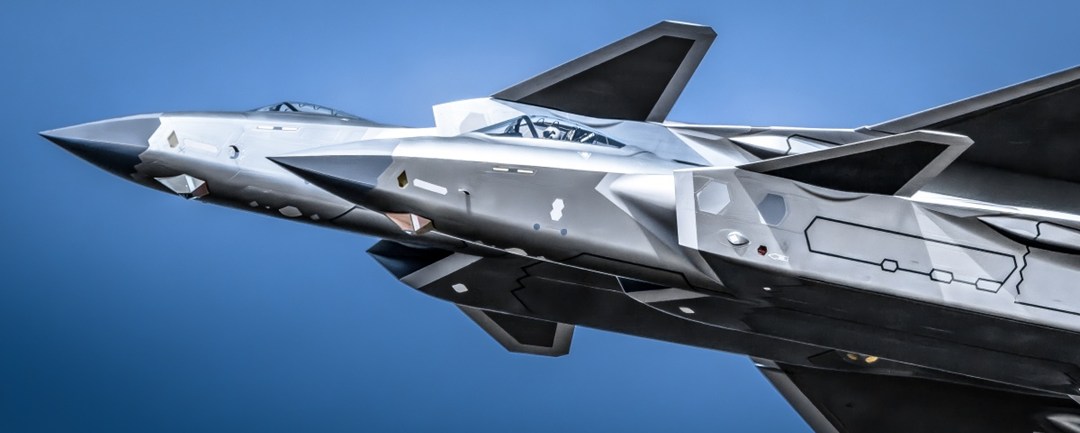
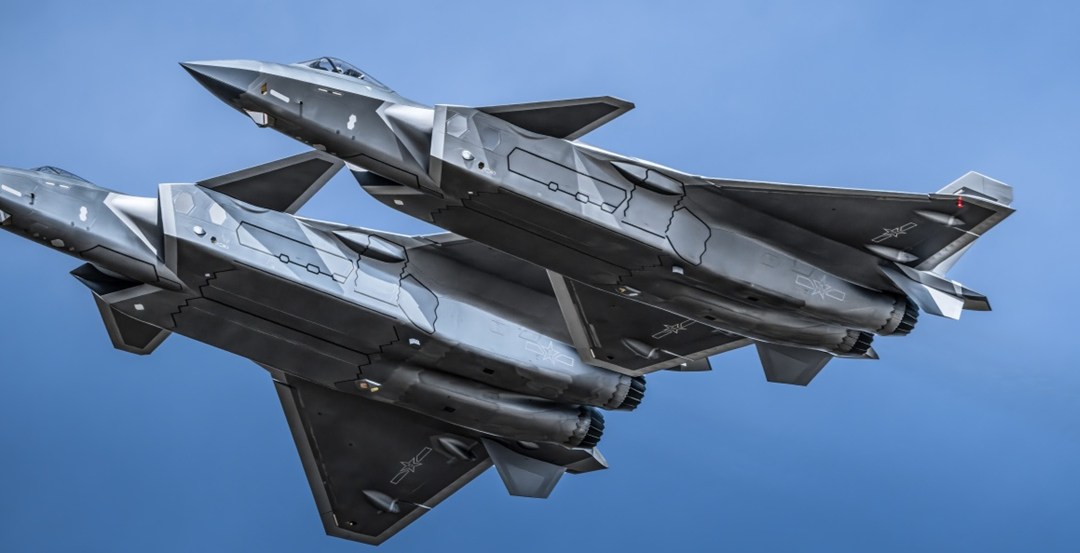
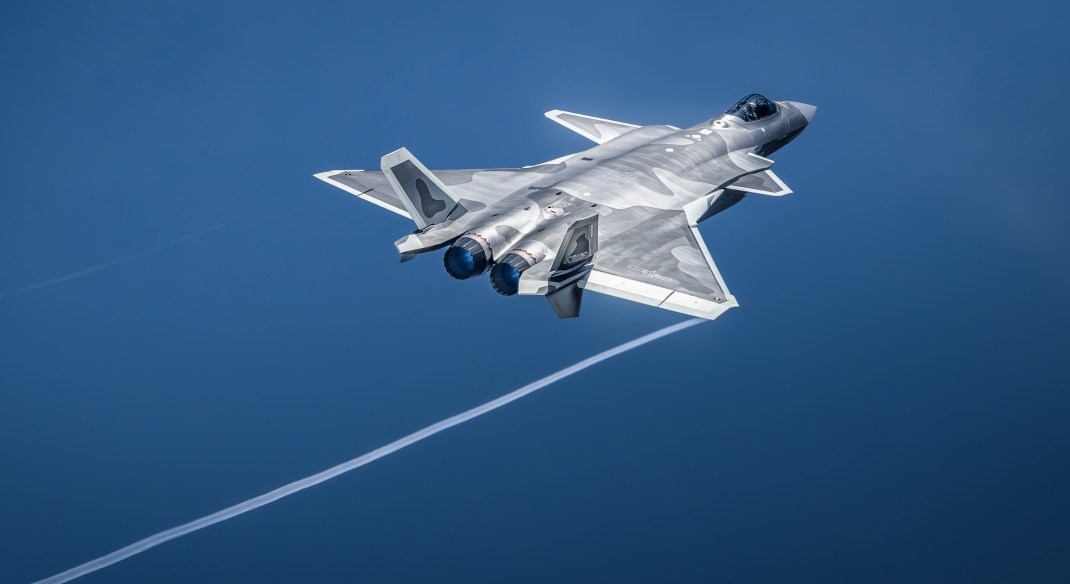
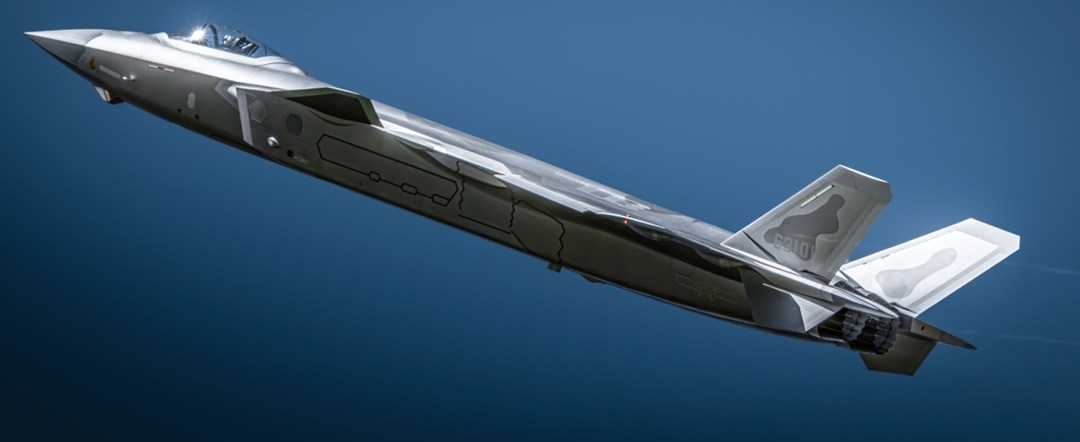
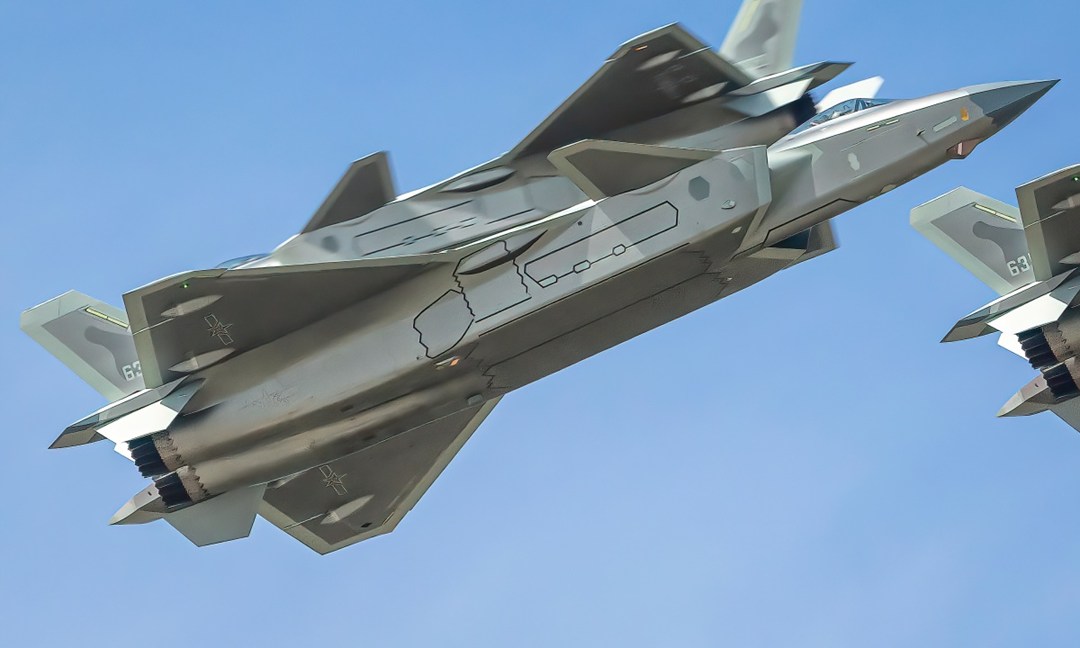
The J-20 (FAGIN) Chinese Stealth Air Superiority Fighter is a single-seat, multirole stealth fighter aircraft, the Chengdu J-20 is manufactured by Chengdu Aircraft Industry Group (CAIG) of China. It is a fifth-generation aircraft being built for the People’s Liberation Army Air Force (PLAAF). The J-20 is designed to execute ground attack missions even in hostile environments. The aircraft can reach higher altitudes with its delta wings in supersonic speeds.
Air & Air Defense Specifications
Crew
1
Engine
Afterburning turbofan (140 hp)
Max Speed
2.0 km/h
Range
6000.0 km
Service Ceiling
20000 m
Wingspan
12.90 m
System
Alternate Designation(s)
J-20; NATO: FAGIN
Primary Function / Type
Stealth Air Superiority Fighter
Manufacturer
Chengdu Aerospace Corporation
Crew
1 ea
Number of Engines
2 ea
Number of Hard Points
4× under-wing pylon capable of carrying drop tanks.
Internal Weapons Bay
PL-10 short range AAM;
PL-12 Medium Range AAM;
PL-15 BVR long range AAM;
PL-21 Long Range AAM;
LS-6 Precision-guided bomb
Dimensions
Length
20.4 m
Width (Wing Span)
13.5 m
Wing Area
78 m2
Empty Weight
19,391 kg
Gross Weight
32,092 kg
Maximum Takeoff Weight
37,013 kg
Automotive
Engine Name
2 × WS-10B or AL-31FM2 afterburning turbofan
Number of Engines
2 ea
Engine Type
Afterburning turbofan
Engine Power
140 or 145 kN (31,000 or 33,000 lbf) with afterburner
Maximum Range
6,000 km
Maximum Speed
Mach 2
Combat Range
2,000 km
Service Ceiling
20,000 m
G Limits
+9/-3
Thrust/Weight
0.92 (1.12 with loaded weight and 50% fuel) with AL-31FM2 (estimated)
Fuel Capacity
11,340 kg
Main Gun System
Note
The J-20 is reported to lack an internal autocannon or rotary cannon, suggesting the aircraft is not intended to be used in short range dogfight engagements with other aircraft but engage them with from long standoff ranges with missiles such as the PL-15 and PL-21.
Main Missile Systems
Main Missile System #1
Name
PL-15
Type
Active Radar-Guided Very Long-Range Air-to-Air Missile
Manufacturer
607 (Air-to-Air Missile Research Institute)
Length
4.0 m
Diameter
INA
Wingspan
INA
Engine
Pulsed solid-propellant rocket
Operational Range
300+ km
Maximum Speed
Mach 4
Guidance System
Active Radar-Guided
Main Missile System #2
Name
PL-21
Type
Active Radar-Guided Long Range Air-to-Air Missile
Manufacturer
China Aerospace Science and Technology Corporation
Length
5.5 m
Diameter
250–300 mm
Engine
Ramjet
Guidance System
active radar with AESA
Bomb Weapon Systems
Bomb #1
Name
LS-6
Type
Precision-Guided Bomb
Manufacturer
Luoyang Electro-Optics Technology Development Centre (EOTDC)
Length
INA
Diameter
INA
Weight
50 kg version and a 100 kg version
Warhead
Various gravity bombs
Detonation Mechanism
Impact or Proximity
Maximum Speed
Free-fall
Guidance System
INS with GPS or laser guidance
Fire Control / Avionics
Fire Control Radar
INA
Active Electronically Scanned Array
Type 1475 (KLJ-5) active electronically scanned array
Optical Targeting System
EOTS-86 electro-optical targeting system (EOTS)
Infrared Search and Track System
EORD-31 infrared search and track
Targeting and Communication
Prototypes after application "2011" and production models feature revised nose section with an electro-optical/infra-red targeting system and an advanced communications suite on top of the aircraft enables it to datalink with other friendly platforms in service, such as airborne early warning drones. Six electro-optic sensors called Distributed Aperture System[a] similar to EODAS can provide 360-degree coverage for pilot with sensor fusion system combing radar signal with IR image in order to provide better situational awareness. The combination of an integrated targeting pod with spherically located passive-optical tracking system is reported similar to the design concept of Lockheed Martin F-35's avionic suite. Beijing A Star Science and Technology has developed the EOTS-86 electro-optical targeting system and Electro-Optical Distributed Aperture System for the J-20 and potentially other PLAAF fighters to detect and intercept stealth aircraft.
Cockpit, Helmet and Displays
The aircraft features a glass cockpit, with one primary large color liquid crystal displays (LCD) touchscreen, three smaller auxiliary displays, and a wide-angle holographic head-up display (HUD). The size of the primary LCD screen is 24 x 9 inches (25.63 by the diagonal) with two systems for redundant illumination.
Radar
Note
Official information on the type of radar that J-20s use have not yet been released publicly. Some analysts believed that J-20s used Type 1475 (KLJ-5) active electronically scanned array (AESA) radar with 1856 transmit/receive modules, but more recent information's revealed that this radar was designed for upgraded versions of J-11D. Other analysts point out that, based on nose cross-section of J-20 and known data about a single transmit/receive module surface in the J-16's AESA radar-system, J-20s likely fit 2000–2200 transmit/receive modules
Protection
Stealth Properties
Yes,
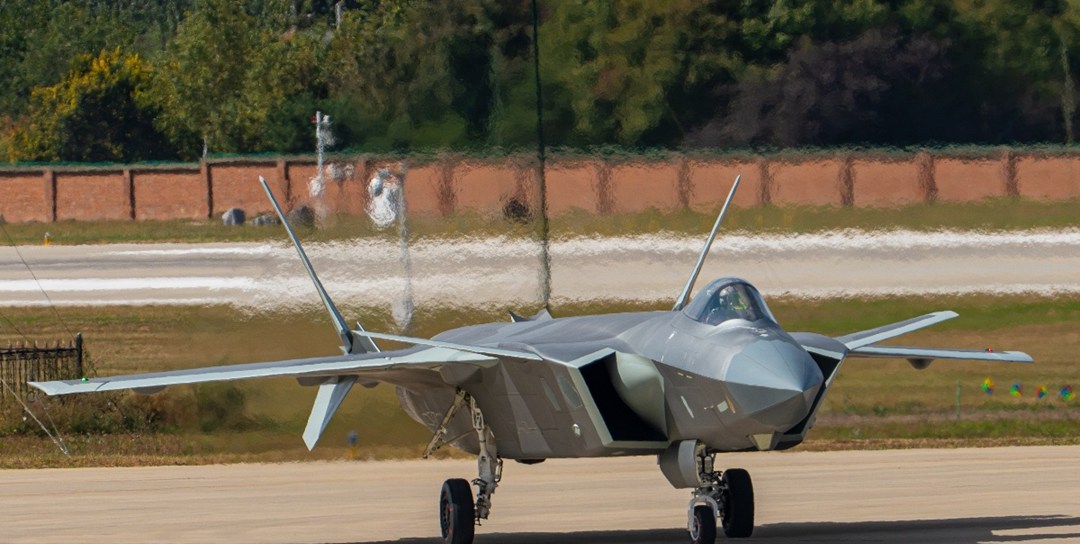
Analysts noted that the J-20's nose and canopy use a similar stealth shaping design as the F-22, yielding similar signature performance in a mature design at the front, while the aircraft's side and axi-symmetric engine nozzles may expose the aircraft to radar. One prototype has been powered by WS-10G engines equipped with different jagged-edge nozzles and tiles for greater stealth.
Others have raised doubts about the use of canards on a low-observable design, stating that canards would guarantee radar detection and a compromise of stealth. However, canards and low-observability are not mutually exclusive designs. Northrop Grumman's proposal for the U.S. Navy's Advanced Tactical Fighter (ATF) incorporated canards on a stealthy airframe. Lockheed Martin employed canards on a stealth airframe for the Joint Advanced Strike Technology (JAST) program during early development before dropping them due to complications with aircraft carrier recovery. McDonnell Douglas and NASA's X-36 featured canards and was considered to be extremely stealthy.[80] Radar cross-section can be further reduced by controlling canard deflection through flight control software, as is done on the Eurofighter.
The diverterless supersonic inlet (DSI) enables an aircraft to reach Mach 2.0 with a simpler intake than traditionally required, and improves stealth performance by eliminating radar reflections between the diverter and the aircraft's skin. Analysts have noted that the J-20 DSI reduces the need for application of radar absorbent materials.
In May 2018, Indian Air Chief Marshal B.S. Dhanoa claimed that Su-30MKI fighters could detect J-20 from "several kilometers away" amid reports from the Indian media that the J-20 is undetectable. Analyst Justin Bronk from Royal United Services Institute noted that Chinese are possibly flying the J-20 with radar reflectors during peacetime for safety and training purposes due to the potential for accidents and identification from other aircraft or ground installations.[
Heat Signature Reduction
Yes
Add on Armor
INA
NBC Protection
INA
EW Counter Measures
INA
Chaffs/Flares
Yes
Details
Country of Origin
China
Category
Fixed Wing Aircraft
Air > Fixed Wing Aircraft
Filter Label
J
Sources
deagel.com: https://www.deagel.com/x/x/a002624
Classification
Domain
Air & Air Defense
Equipment Status
Active
Dimensions
Length
20.4 m
Width
13.5 m
Height
4.7 m
Weight
32092 kg
Related Equipment (2)
Variant
Variant
Operators (1)
China
Something went wrong. Please reload the page.
Reload