AW139M Italian Multi-Role Helicopter
AW139M


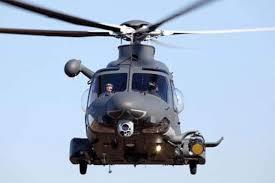
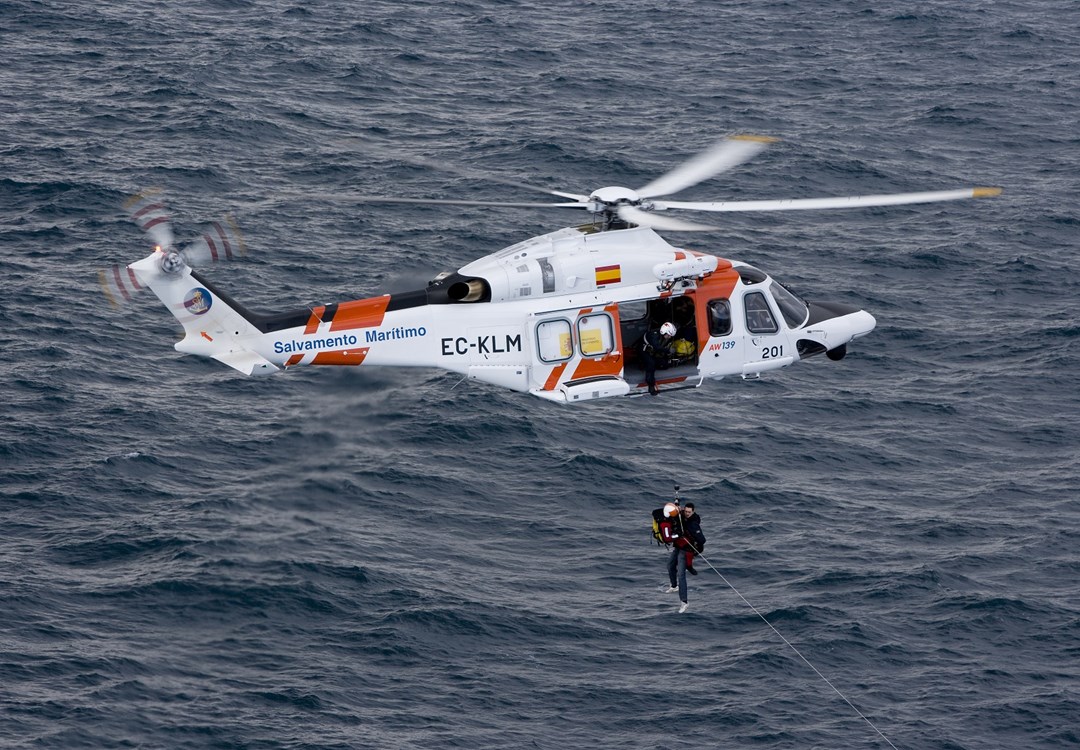
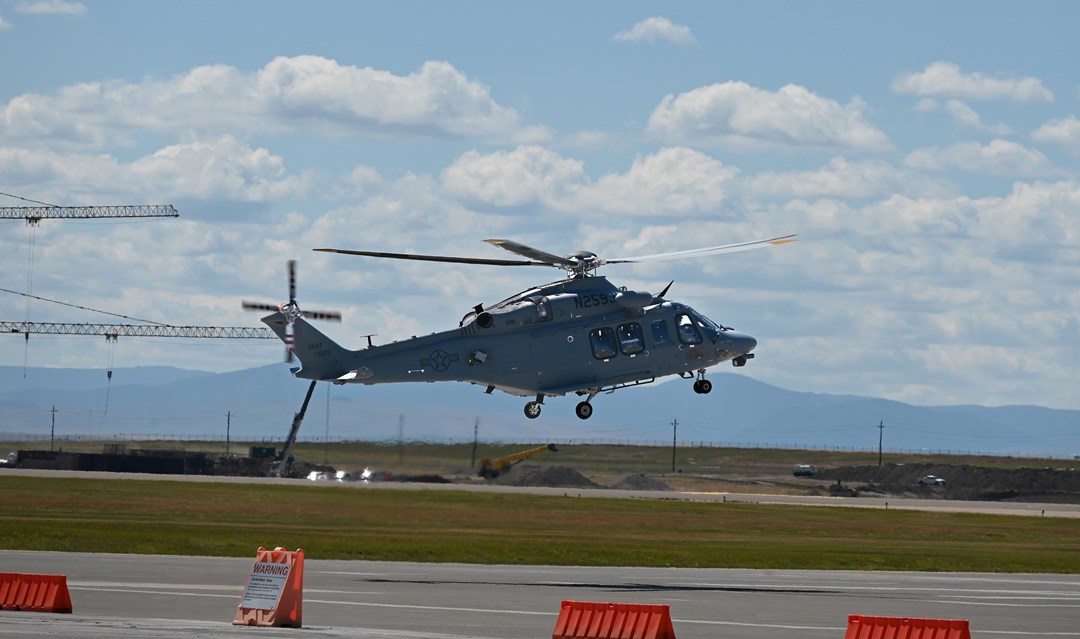

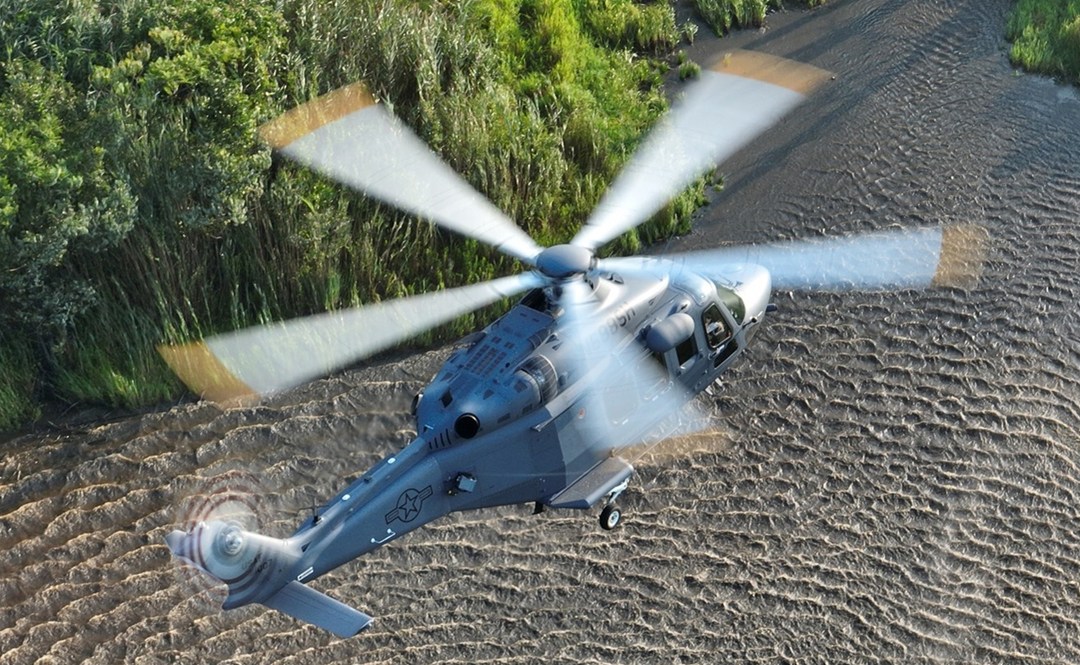
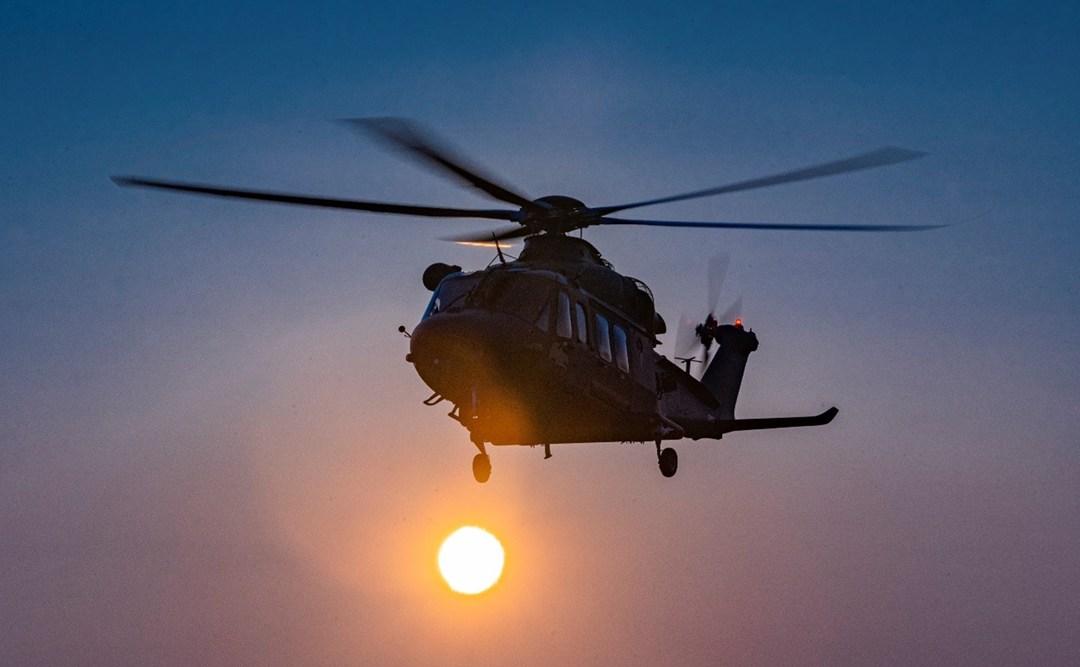
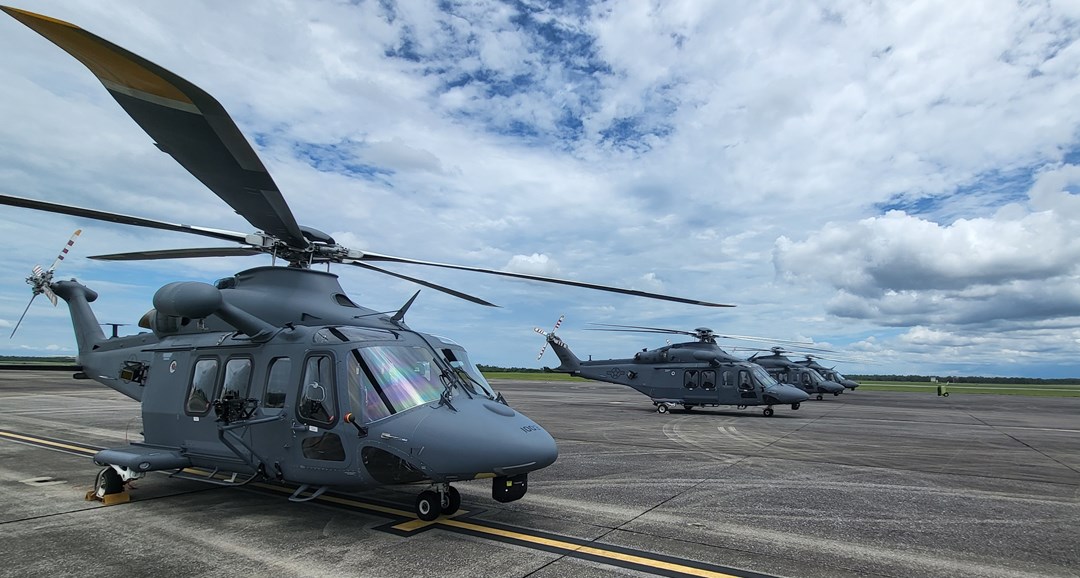


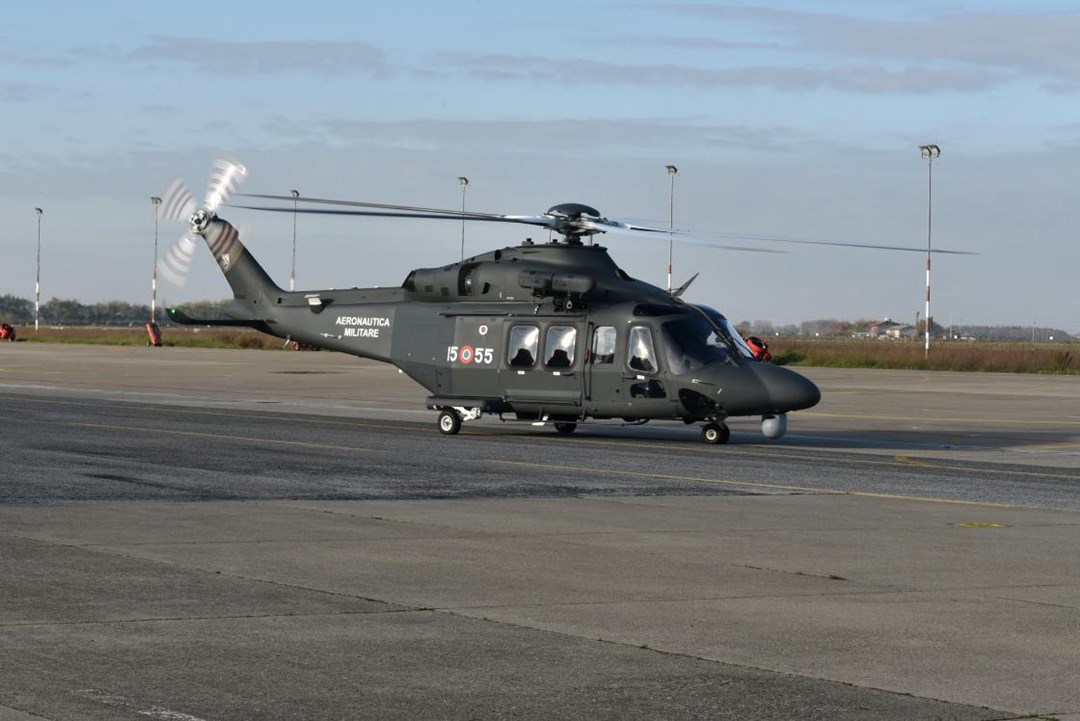


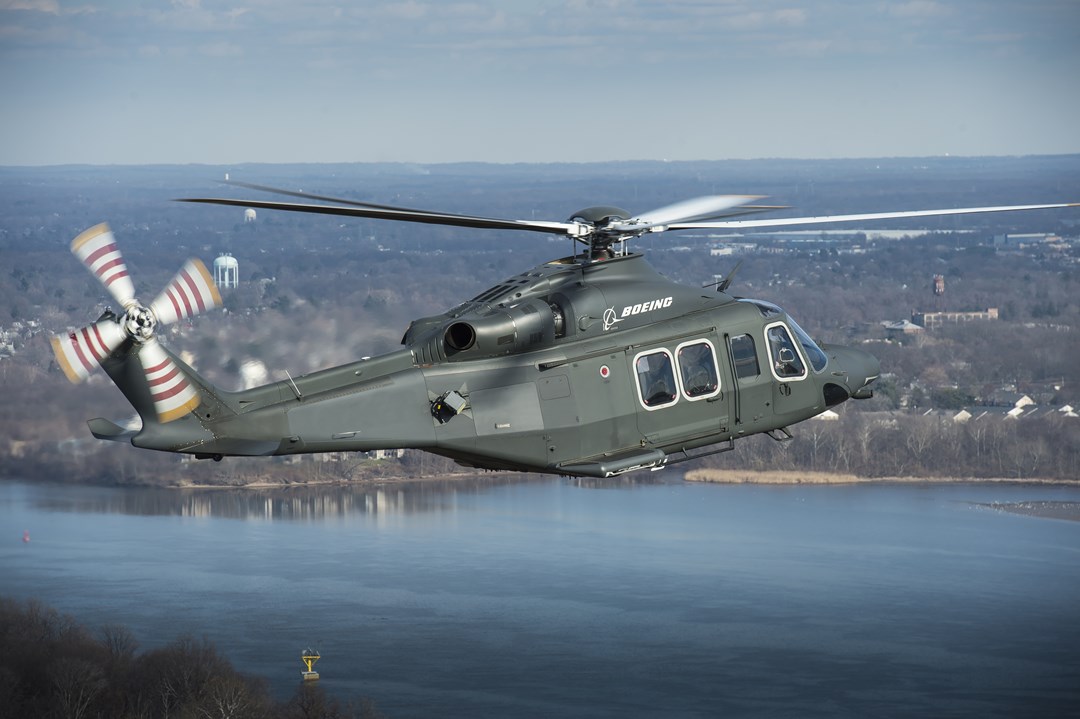
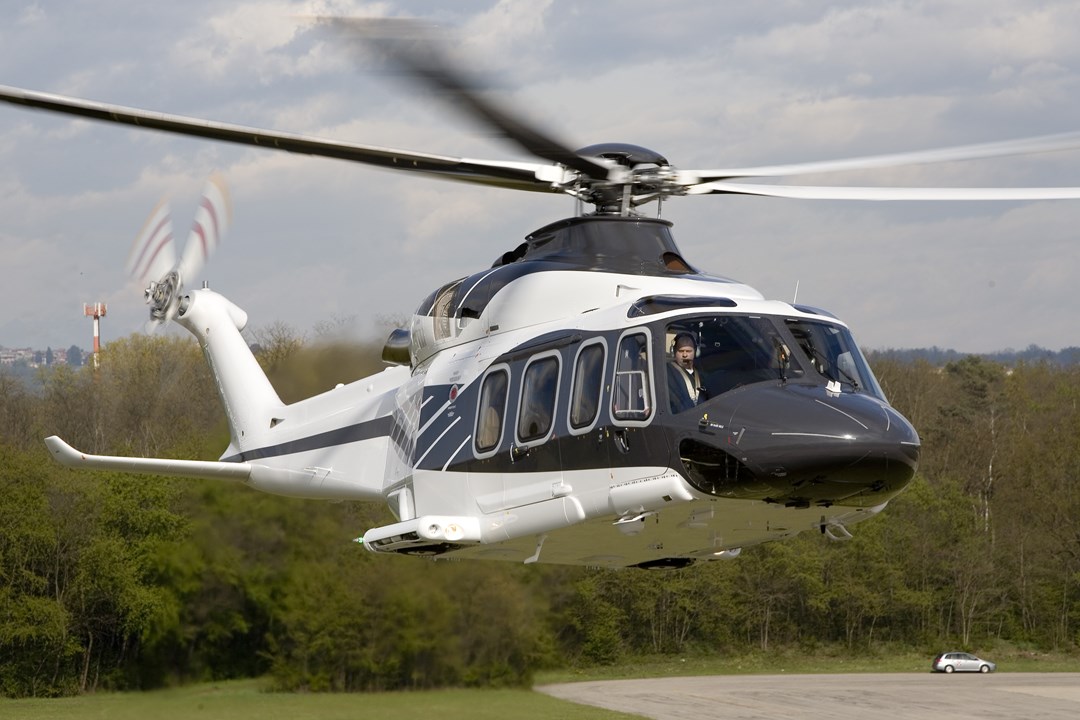
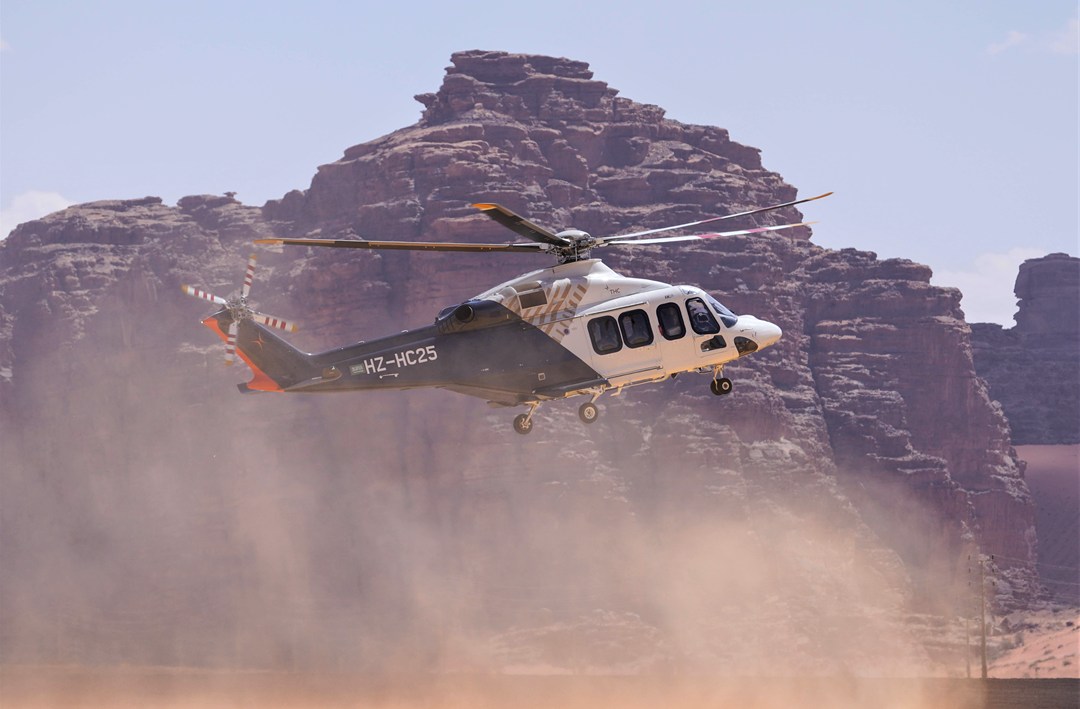
The AW139 is a 15-seat medium-sized twin-engined helicopter developed and built by AgustaWestland, now called Leonardo. It is marketed at several different roles, including military (AW139M), VIP/corporate transport, offshore transport, fire fighting, law enforcement, search and rescue, emergency medical service, disaster relief, and maritime patrol. In addition to AgustaWestland's manufacturing facilities in Italy and the United States, the AW139 is produced in Russia by HeliVert, a joint venture between AgustaWestland and Russian Helicopters. The AW139 was originally designed and developed jointly by Agusta and Bell Helicopters and marketed as the Agusta-Bell AB139, being redesignated AW139 when Bell withdrew from the project. Since entering service in 2003, the AW139 has become one of AgustaWestland's most influential products; it has been subsequently developed into two enlarged medium-lift helicopters, the military-orientated AW149 and the AW189 for the civil market. The AW139 is a conventional twin-engine multi-role helicopter. It has a five-bladed fully articulated main rotor with a titanium hub and composite blades and a four-bladed articulated tail rotor. It is fitted with retractable tricycle landing gear, the two aft wheels retracting into external sponsons which are also used to house emergency equipment. It is flown by a crew of two pilots, with up to 15 passengers accommodated in three rows of five. The AW139 had been aimed at a vacant niche in the market, sitting below larger types such as the Eurocopter AS332 Super Puma and Sikorsky S-92, and above smaller ones like the Bell 412 and Eurocopter EC155. "Rotor & Wing" has described the AW139's flying attitude as 'docile and predictable'. The AW139 is powered by two FADEC-controlled Pratt & Whitney Canada PT6C turboshaft engines; the FADEC system seamlessly adjusts the engines for pilot convenience and passenger comfort, and can automatically handle a single-engine failure without noticeable deviation. It was constructed with maintenance requirements in mind; critical systems can be readily accessed, where possible the number of parts has been reduced, and many components have been designed for an extended lifecycle; a Health and Usage Monitoring System (HUMS) is also equipped. More than a thousand customizable items of equipment can be configured per customer demand, including auxiliary fuel tanks, rescue hoists, cargo hooks, search and weather radar, ice protection systems, external cameras and searchlights, and seating arrangements. The AW139 features a modular glass cockpit, a commonly-installed feature being the four-axis autopilot, which enables functions such as auto-hover capability. The cockpit has been designed to enable single-pilot flight operations under instrument flight rules conditions, and it is also compatible with the use of night vision goggles. Pilot training for the type is available via advanced Level D Full Flight Simulators. According to "Shipping & Marine", the AW139 has "the largest cabin in its class"; containing up to 15 passengers or four litters and accompanying medics, an additional baggage compartment is used to stow equipment to keep the main cabin clear for use. Large sections of the AW139 have been developed and produced by a range of different companies. Airframes are typically produced by PZL-Świdnik, who delivered their 200th airframe in April 2014. Pratt & Whitney Canada produce the type's PT6C turboshaft engines, while the primary and secondary transmissions were developed by Westland GKN and Kawasaki Heavy Industries respectively. A significant portion of the avionics are sourced from Honeywell. Turkish Aerospace Industries has been subcontracted to manufacture various elements of the AW139, including the fuselage, canopy, and radome. Final assembly of most AW139s is performed at AgustaWestland's facilities in Philadelphia, United States, and Vergiate, Italy; those destined for customers within the Commonwealth of Independent States are typically assembled by a third final manufacturing plant in Tomilino, Moscow operated by HeliVert.
deagel.com: https://www.deagel.com/x/x/a000127