ARMSNET
Military Equipment Database
Initializing 0%

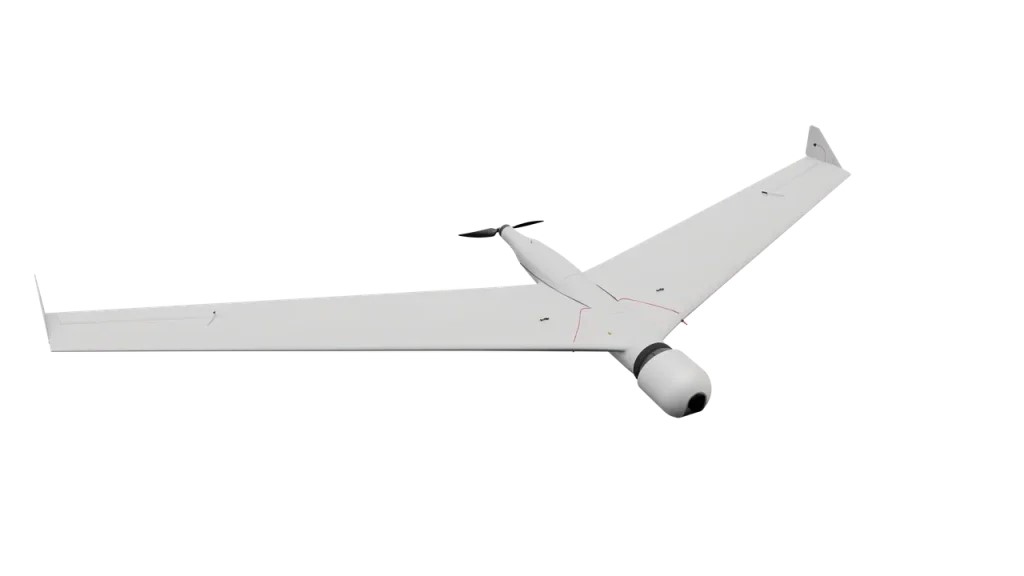
ZALA T-16 Russian Unmanned Aerial Vehicle (UAV)

ZALA T-16
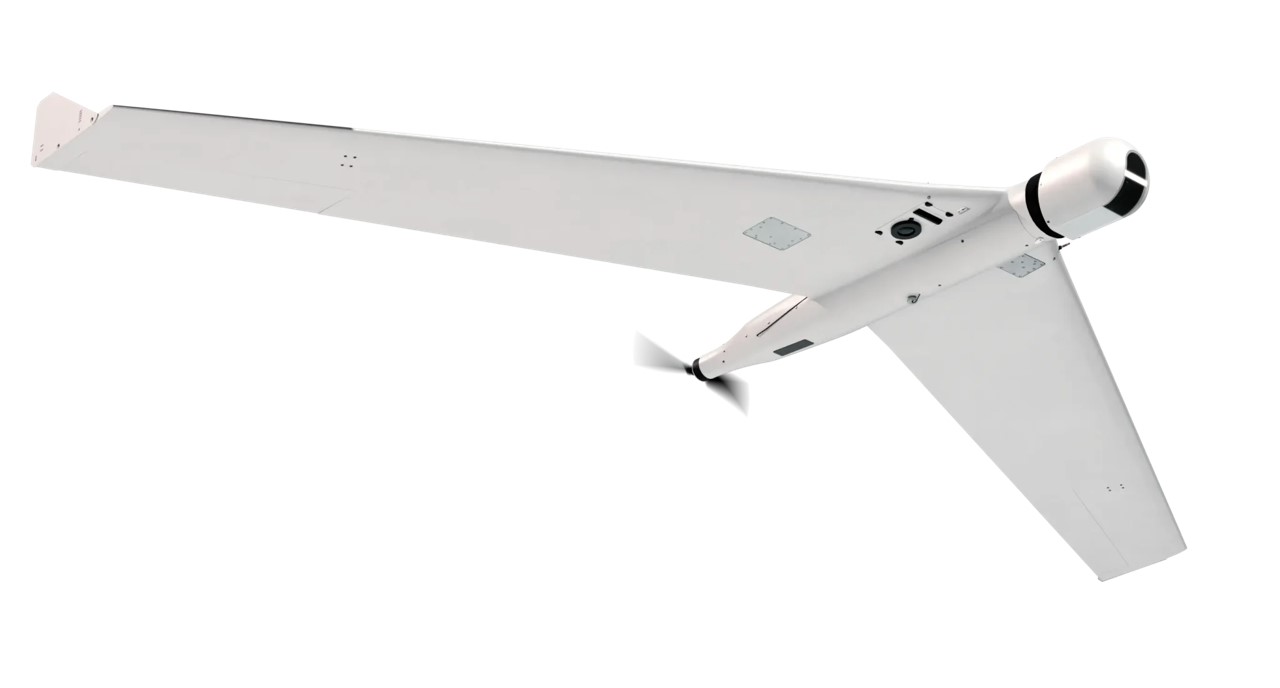
Tactical Unmanned Aerial Vehicle (UAV)
Spotted an error? Sign in to suggest an edit.
Basic Information
Name
ZALA T-16 Russian Unmanned Aerial Vehicle (UAV)
Designation
ZALA T-16
Alternate Designation
ZALA T-16
Equipment Type
Tactical Unmanned Aerial Vehicle (UAV)
Manufacturer
ZALA
Date of Introduction
2020
Description

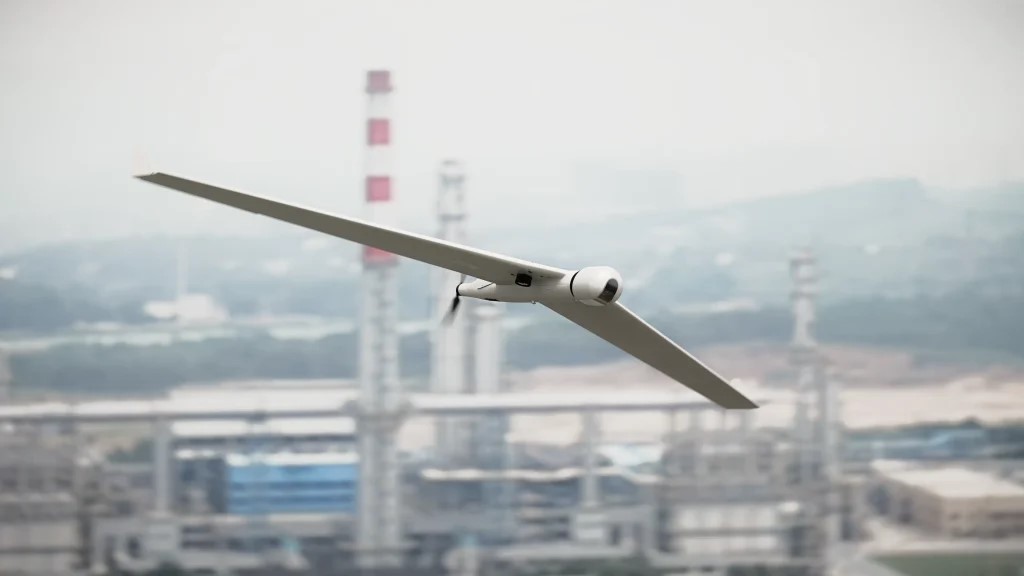
The ZALA T-16 Russian Unmanned Aerial Vehicle (UAV) s a Russian-developed, electrically-powered reconnaissance unmanned aerial system (UAS) designed and manufactured by ZALA Aero Group (part of the Kalashnikov Concern) in Izhevsk. The Z-16 maintains continuous operational deployment since the beginning of Russian military operations in Ukraine (February 2022). Contemporary battlefield reports (December 2025 - January 2026) document extensive employment in reconnaissance and target acquisition roles, particularly effective in locating Ukrainian HIMARS systems, air defense platforms, and concentrations of personnel and equipment. Ukrainian air defense forces report engagement and destruction of multiple ZALA reconnaissance UAVs as high-priority targets, reflecting the platform's combat significance.

Air & Air Defense Specifications
Engine Electric
Max Speed 110.0 km/h
Cruise Speed 66.0 km/h
Range 50.0 km
Endurance 4.00 hrs
Service Ceiling 5000 m
Wingspan 2.19 m
Payload Capacity 1 kg
Variants
Z-16-5G The hybrid-powered variant, designated Z-16-5G, represents a substantial scaling of the baseline platform, with MTOW reaching 49.5 kilograms and wingspan extending to 4.64 meters, though maintaining compatibility with the same ground support equipment and payload systems. The hybrid-powered variant integrates electric motor and internal combustion engine architecture, enabling dramatically extended mission duration. The system operates in multiple modes: initial transit on the combustion engine, with battery reserve providing extended endurance; silent mode operation on buffer battery for up to one hour of low-acoustic-signature operations; and in-flight battery recharging through the combustion engine within approximately two hours. This hybrid approach yields flight endurance exceeding twelve hours, operational range extending 1,000+ kilometers from launch point, and communication range reaching 150+ kilometers—parameters approaching those of conventional military reconnaissance aircraft while maintaining tactical employment flexibility. The combustion engine penalty manifests as increased acoustic signature and thermal emissions, offsetting the silent-mode advantage in certain operational contexts.
System
Alternate Designation ZALA T-16
Type Unmanned Aerial Vehicle (UAV)
Manufacturer ZALA
Payload Capacity 1.8 kg
Primary Reconnaissance Sensors Standard configurations incorporate HD video cameras with 60x magnification optical zoom and HD thermal imaging systems for day/night surveillance capability. The thermal imager enables detection of concealed heat sources (personnel, vehicle engines) and identification of petroleum product leakage through differential emissivity patterns—capabilities particularly valuable for infrastructure monitoring and emergency response. High-resolution thermal imaging supports precise targeting and night-time artillery adjustment.
Extended Payload Options Mission modularity permits integration of laser designators for coordinate marking and range finding, 60-megapixel underwing cameras for wide-area surveillance and pattern-of-life analysis, and CBRN (chemical, biological, radiological, nuclear) detection sensors for contamination reconnaissance. The baseline platform accommodates payloads to 1.8 kilograms, while the hybrid variant extends payload capacity to 3.5 kilograms, accommodating dual-sensor configurations.
Navigation and Guidance Systems Onboard systems integrate inertial navigation with satellite correction, dual rangefinder ranging, video-based terrain correlation navigation, and RTK (real-time kinematic) positioning capability. These redundant navigation architectures permit autonomous waypoint navigation, autonomous return-to-base execution, and position accuracy within decimeter-class precision—enabling precise targeting coordinate generation without operator intervention.
Operating Temperature -40°C to +50°C
Dimensions
Length INA
Height INA
Wingspan 2.185 m
Maximum Takeoff Weight 10.5 kg
Automotive
Engine Name INA
Engine Type Electric
Engine Power INA
Maximum Speed 110 km/h
Cruise Speed 66 km/h
Maximum Range 50-75 km
Service Ceiling The platform maintains operational ceiling of 5,000 meters with useful application altitude from 100 meters minimum, enabling contoured flight following terrain to exploit terrain masking against radar and visual detection. Cruise altitude typically remains 2,000-3,500 meters, optimizing endurance against atmospheric density effects while maintaining sensor effectiveness.
Endurance 4 hours
Details
Country of Origin Russia
Category UAVs
Air > UAVs
Filter Label
Z
Classification
Domain
Air & Air Defense
Equipment Status
Active
Dimensions
Length
Width
2.19 m
Height
Weight
10.5 kg
Operators (2)
Russia
Ukraine
Something went wrong. Please reload the page. Reload