Orion
Orion

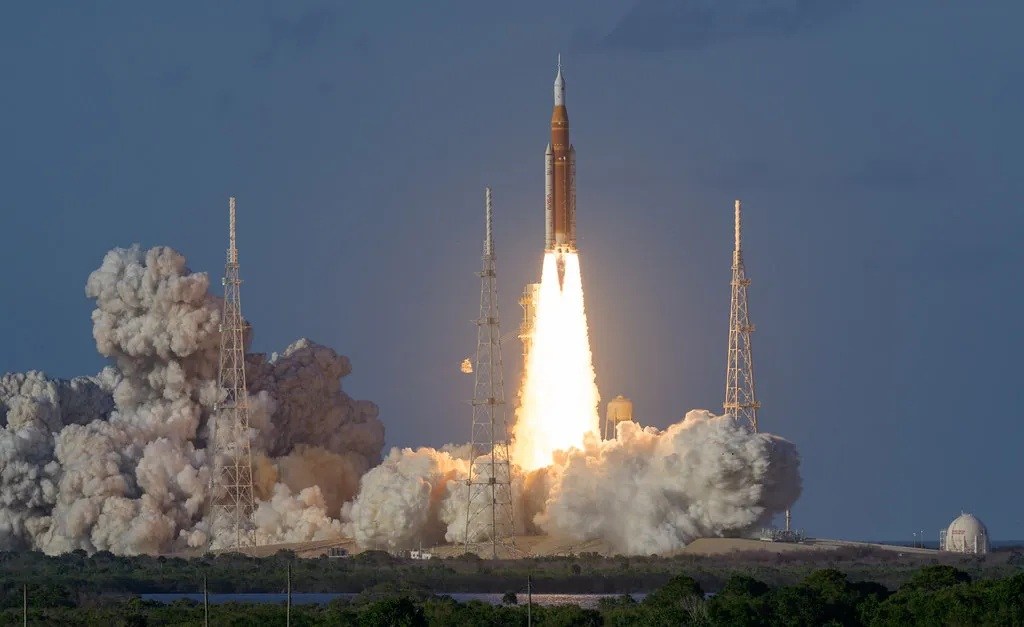
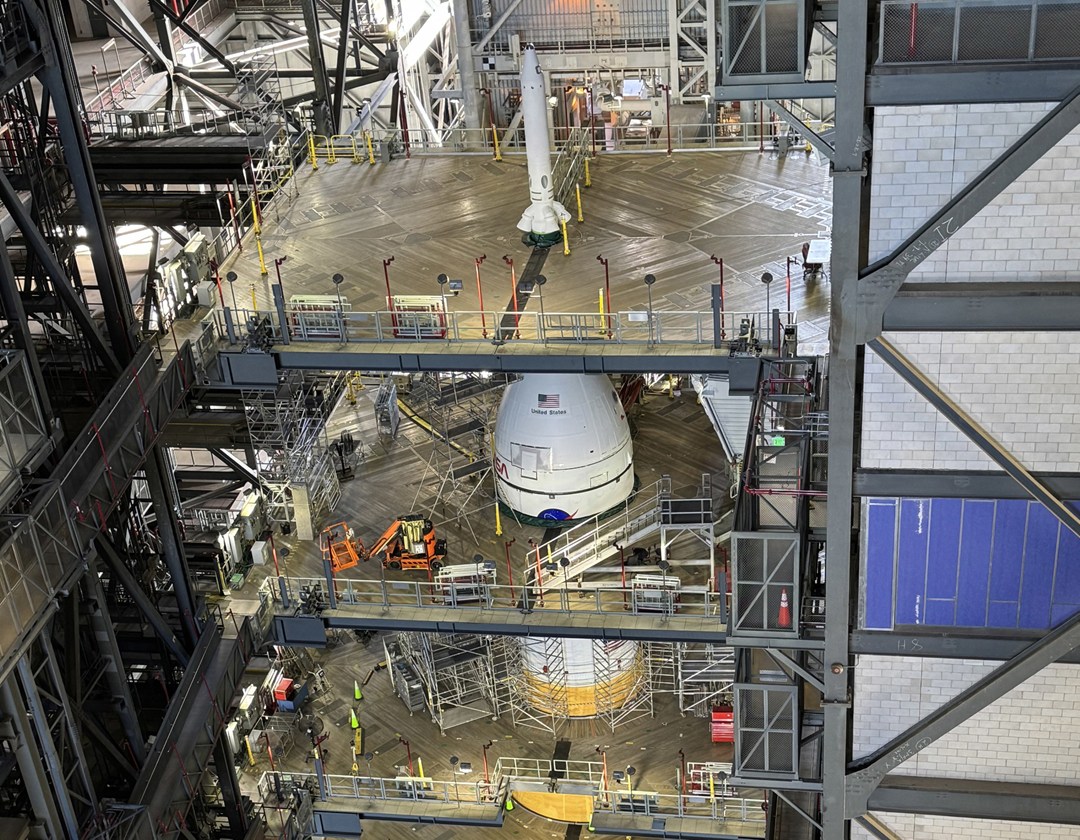


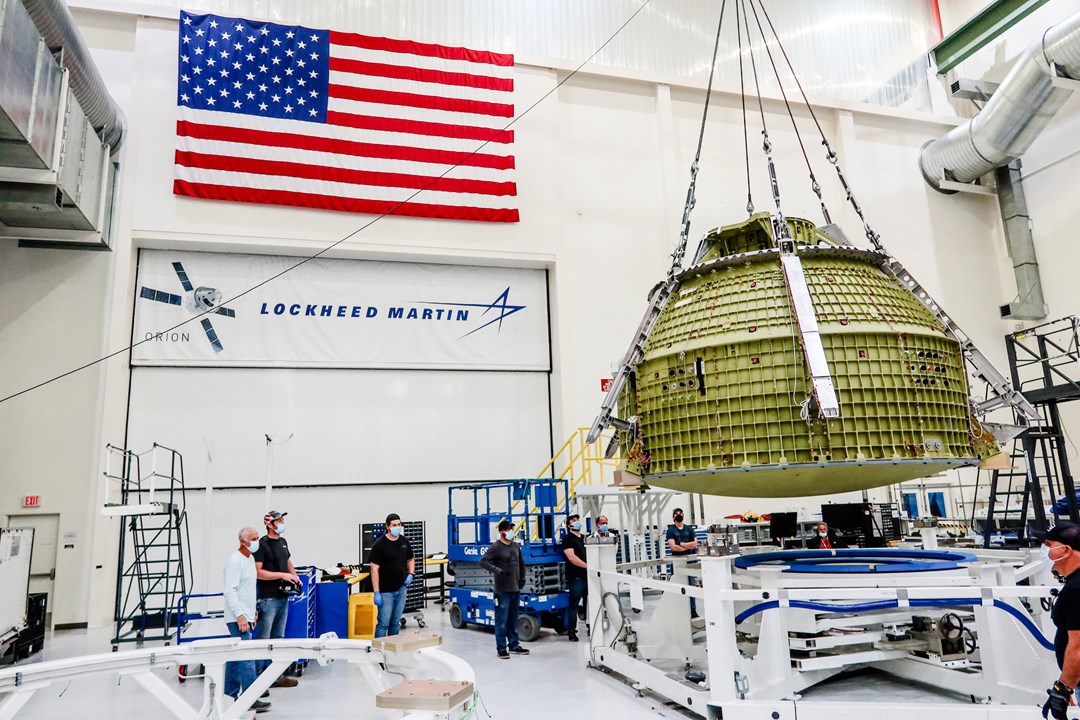
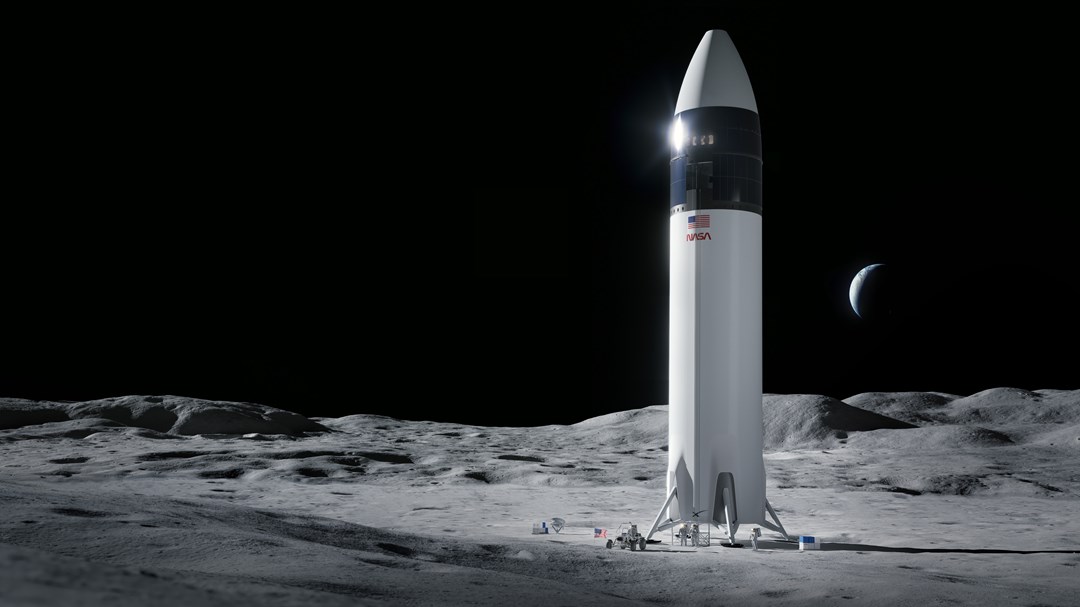
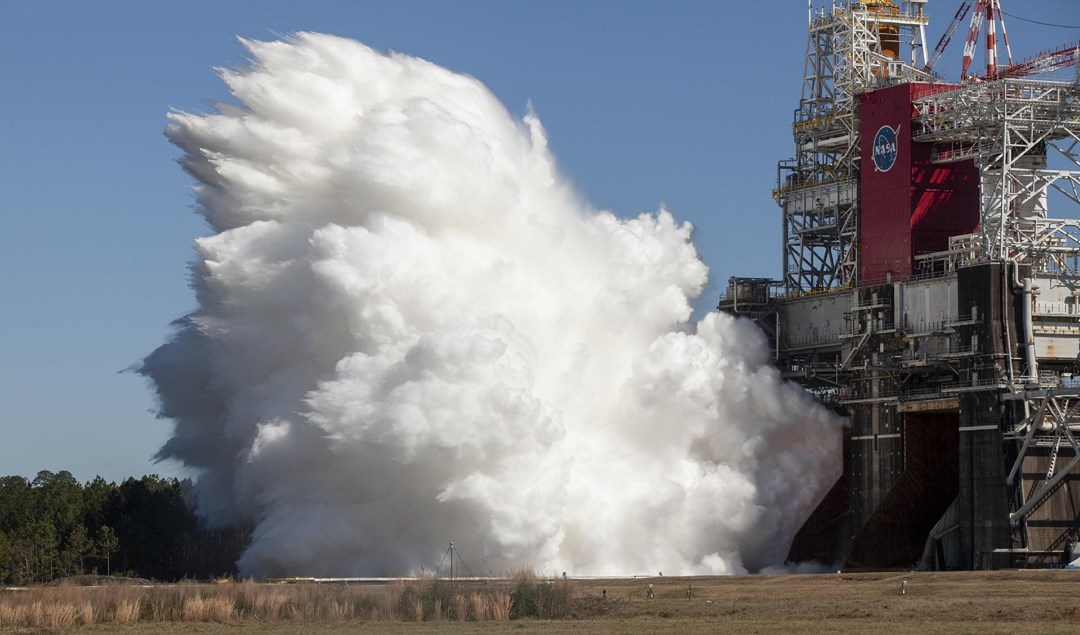
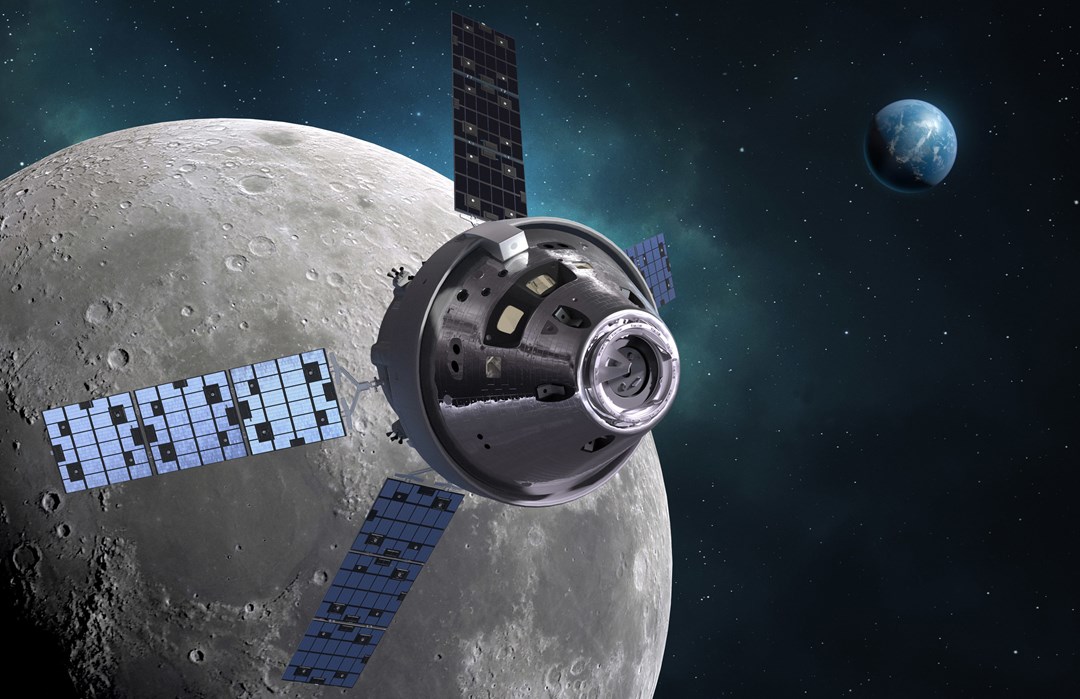

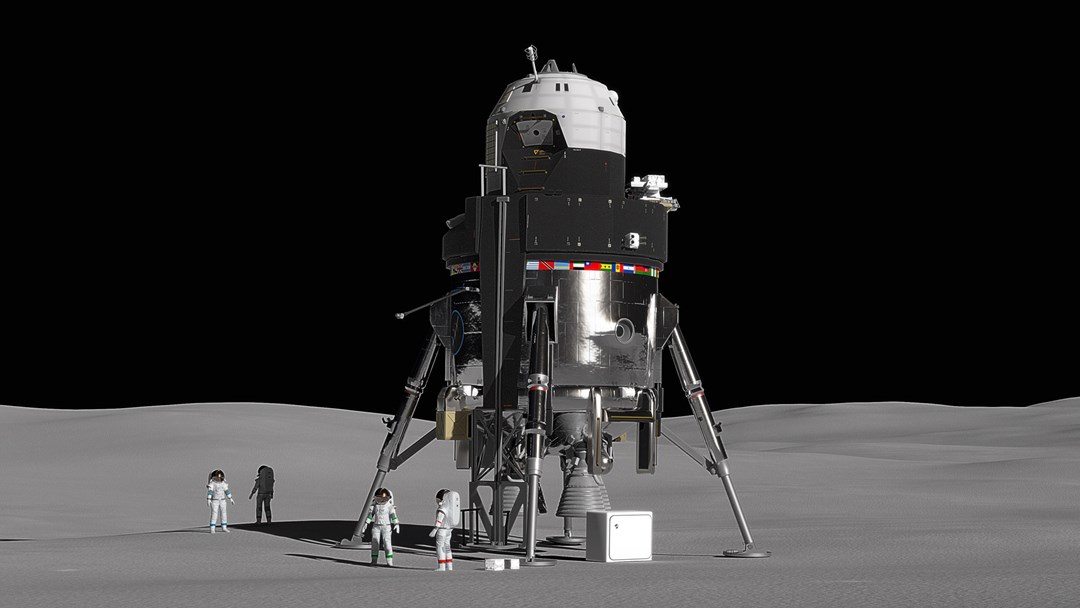
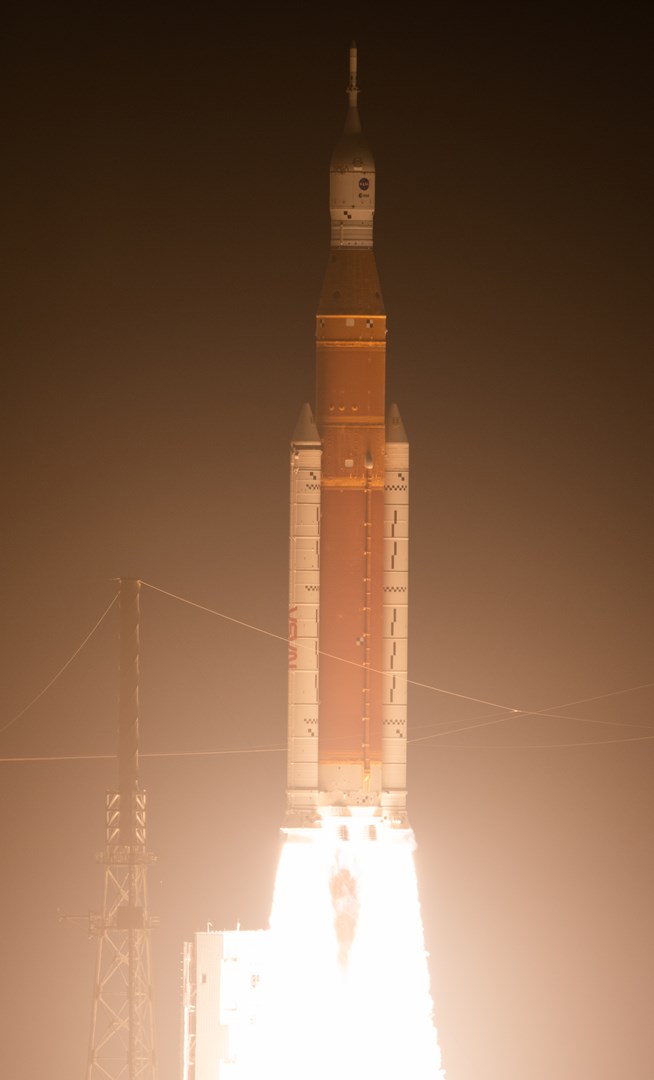
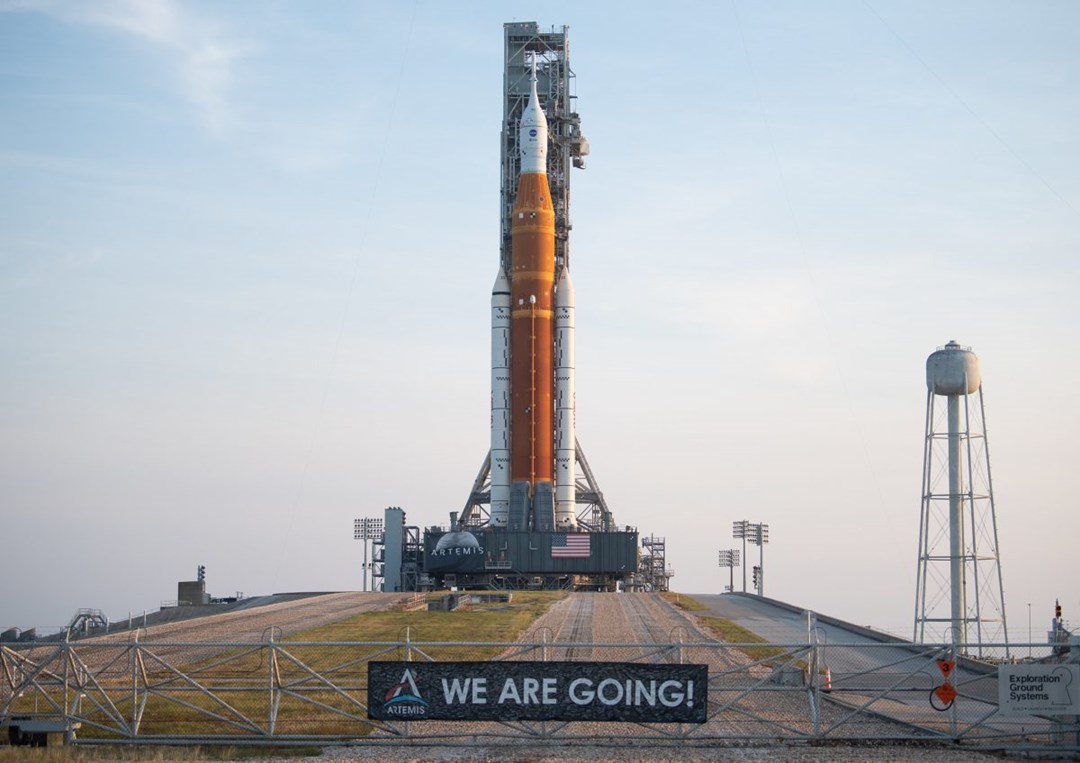

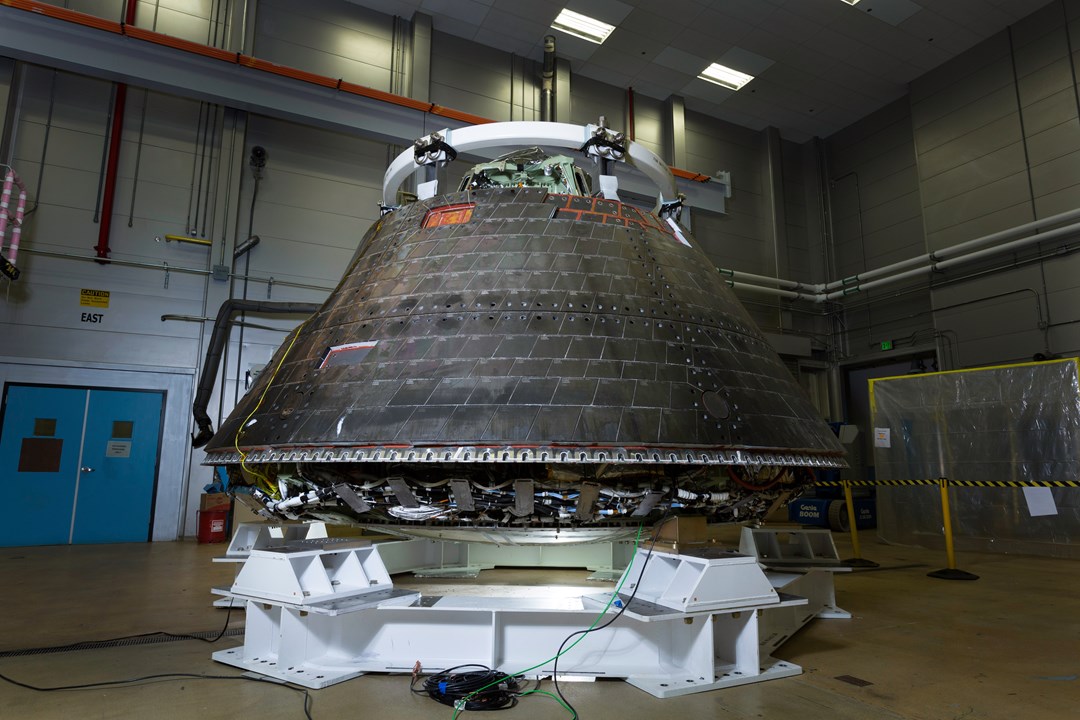
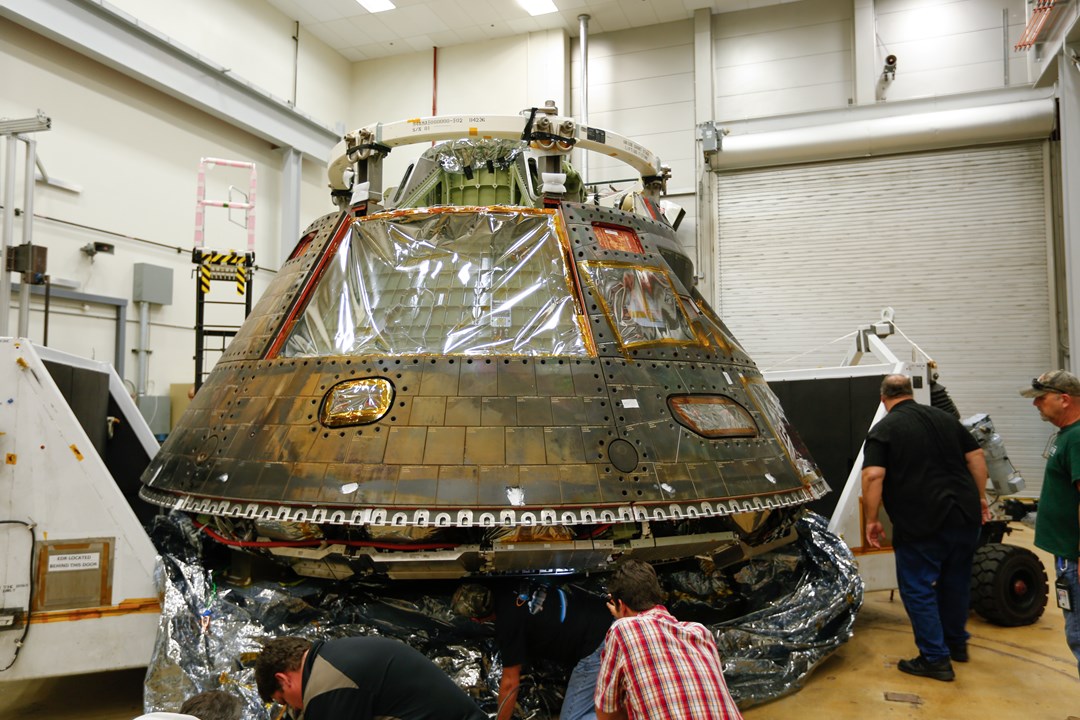

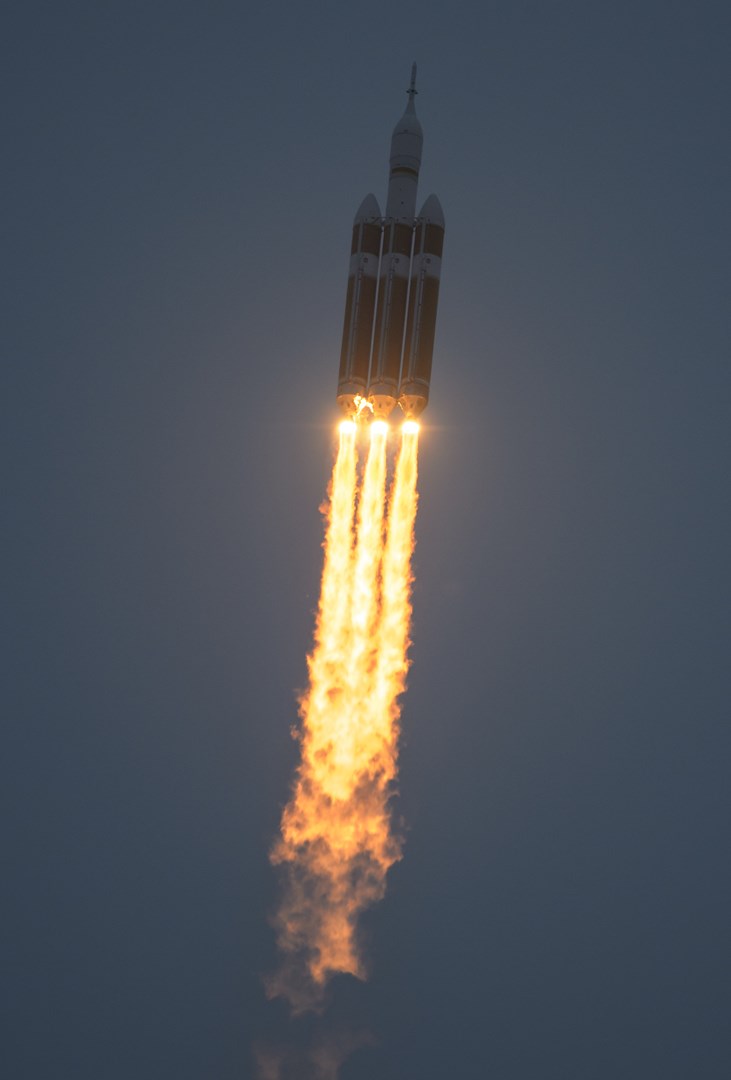
NASA selected Lockheed Martin team to design and build the next-generation human space flight crew transportation system known as Orion (formerly CEV), with an initial contract value of approximately $4 billion, on August 31, 2006. Orion crew capsule design is meant to transport human crews to the International Space Station (ISS) by 2014, the Moon by 2020, and Mars. The Lockheed Martin industry team included Honeywell, Orbital Sciences Corporation, United Space Alliance and Hamilton Sundstrand. The state-of-the-art Orion vehicle will transport a crew of six-man to the ISS and up to four-man to the Moon. Compared to the current Space Shuttle, Orion will be an order of magnitude safer, more reliable and more operationally efficient with a lower per launch cost. In September 2006, NASA awarded Boeing a 16-month contract to design and develop a Thermal Protection System (TPS) for the Orion crew exploration vehicle. The contract will focus on a phenolic impregnated carbon ablator (PICA) heat shield to protect Orion from the extreme heat generated during reentry into the Earth's atmosphere. Fiber Materials Inc. was the main subcontractor for Boeing's Orion heat shield. A new generation of launch vehicles is being designed under NASA's Ares program to put Orion and cargo vehicles into space. The new launch vehicle family is known as Ares and so far comprises Ares I and Ares V rockets. Ares I will carry crew vehicles and Ares V will carry cargo vehicles into space. The Orion/Ares space exploration program was cancelled by President Barack H. Obama in early 2010 due to program cost's escalation. Nevertheless, NASA selected the Orion as the Multi-Purpose Crew Vehicle (MPCV) in late May 2011 with initial operation planned for 2016. The first mission will be a lunar uncrewed fly-by in 2017. On January 16, 2013, The European Space Agency (ESA) joined the Orion program supplying its Automated Transfer Vehicle (ATV). The Orion spacecraft will be launched into space using the SLS/Artemis rocket systems beginning in November 2022. The first three spacecraft will support the first test launch in 2014 and the Artemis II-III and a second batch of three spacecraft ordered in 2019 will support Artemis III-V. In October 2022, NASA ordered three additional Orion spacecraft to support Artemis VI-VIII missions.
deagel.com: https://www.deagel.com/x/x/a001741