KAAN Turkish Stealth Multirole Air Superiority Fighter
KAAN
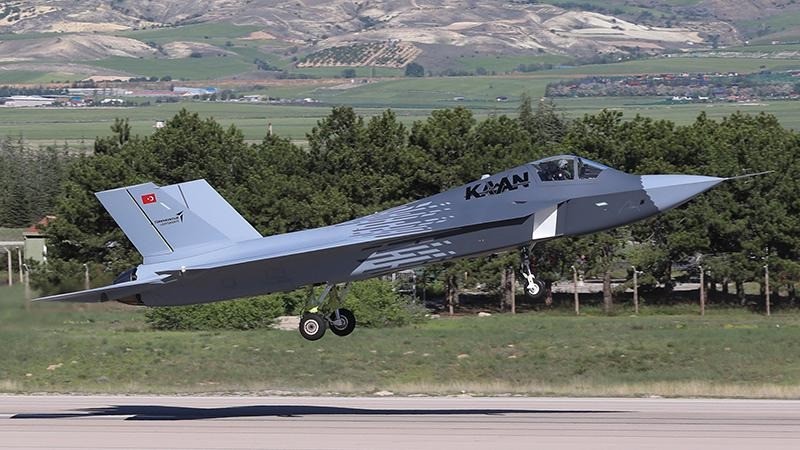
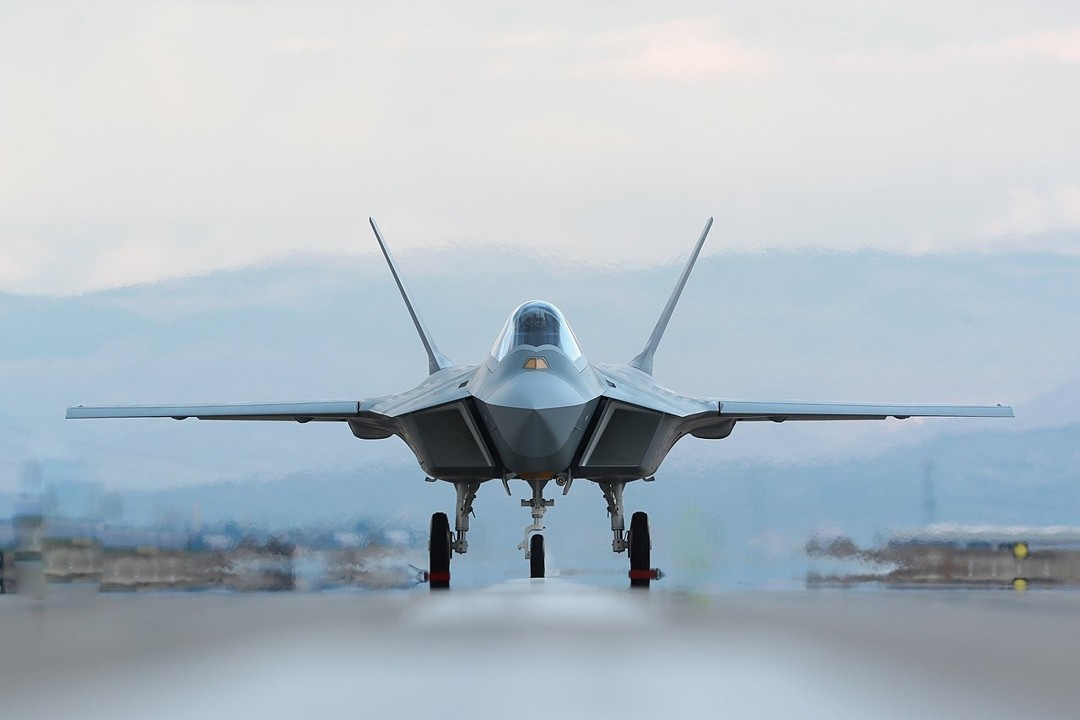
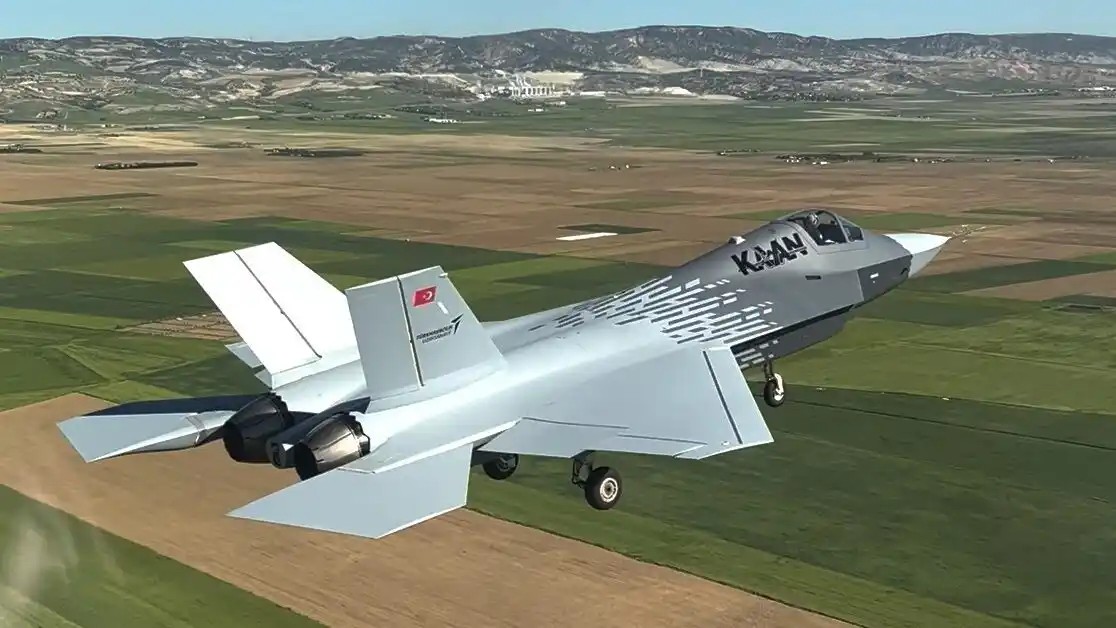
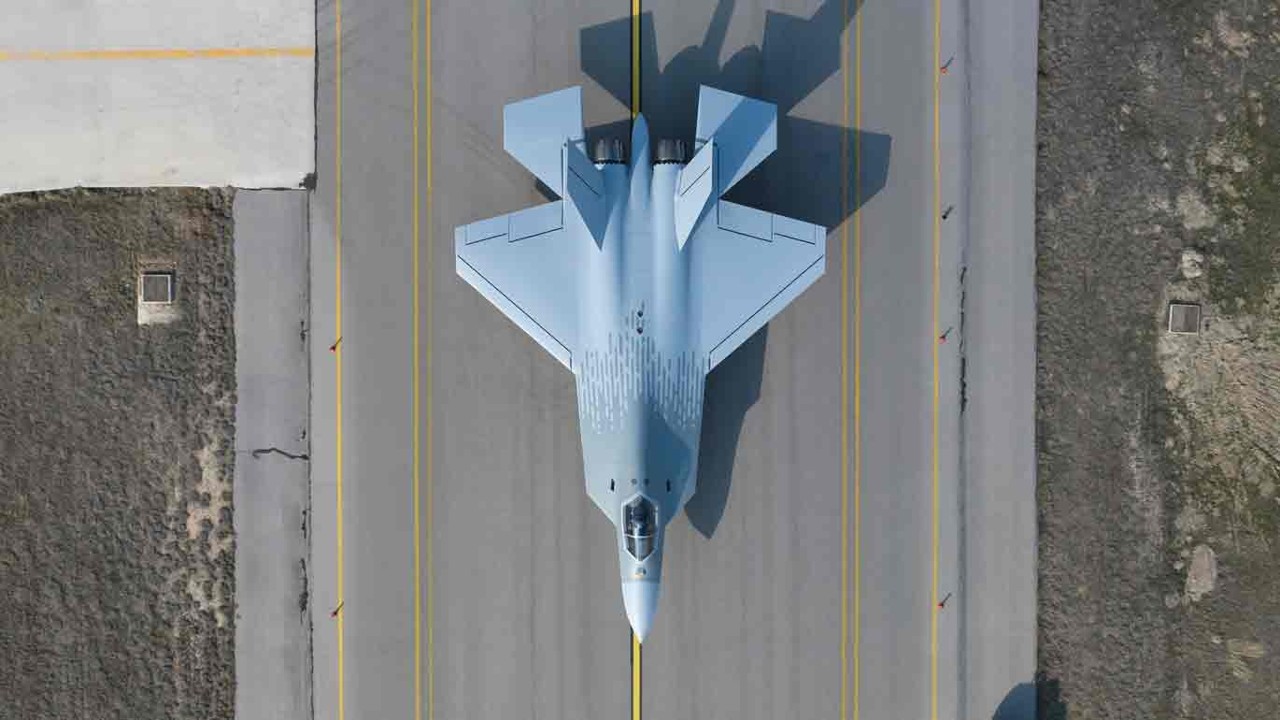
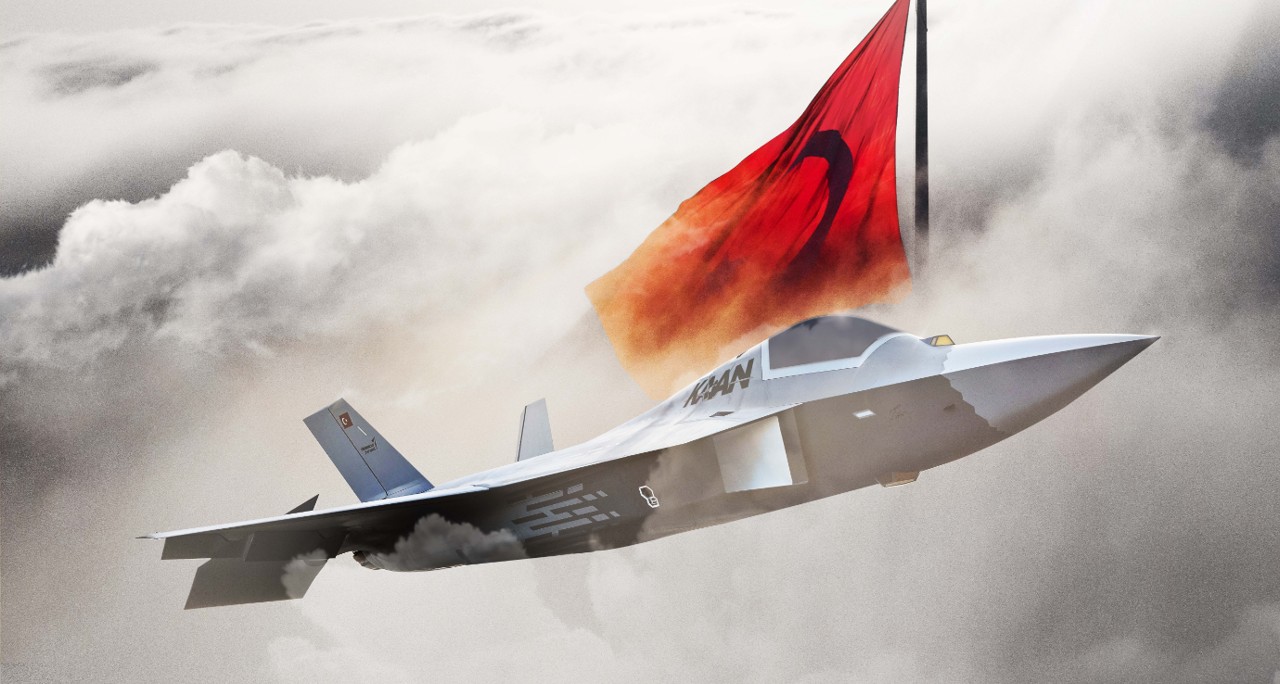
The KAAN Turkish Stealth Multirole Air Superiority Fighter, formerly known as the TF-X, is Turkey’s flagship fifth-generation combat aircraft developed by Turkish Aerospace Industries (TAI). It aims to achieve strategic autonomy in high-technology defense platforms. The KAAN is designed for air superiority and precision strike missions, marking a significant advancement in Turkey's aerospace capabilities. This twin-engine, all-weather multirole fighter is intended to be the backbone of the Turkish Air Force's tactical aviation fleet. Initiated in 2010 as the TF-X, formal development started in 2016 following Turkey's removal from the F-35 program, which accelerated the need for an indigenous alternative. The KAAN's mission capabilities include air superiority, deep strike, suppression of enemy air defenses (SEAD), and electronic warfare. With advanced stealth features, super cruise capability, and network-enabled operations, it can operate in contested airspace with minimal detectability, making it a valuable asset both nationally and in the international defense market. Indonesia is the first confirmed export customer, with a contract for 48 aircraft expected to be delivered starting in 2028. Other nations, including Azerbaijan, Saudi Arabia, Pakistan, and Malaysia, are also interested, enhancing the KAAN's global significance. The aircraft's design incorporates the latest fifth-generation fighter architecture principles, featuring a low-observable airframe with radar-absorbing materials and a configuration optimized for maneuverability and super cruise capability. This advanced design positions the KAAN as a competitive contender in the global fifth-generation fighter market. The KAAN fighter jet features internal weapon bays that enhance its stealth by allowing munitions to be carried without impacting radar signature. These bays can accommodate both air-to-air and air-to-ground ordnance, providing versatility while maintaining aerodynamic efficiency. The aircraft's canted vertical stabilizers enhance yaw control and stealth, and its all-moving horizontal stabilizers improve agility in dogfights. Constructed primarily from carbon fiber-reinforced polymers, the KAAN balances strength and weight reduction. Its elevated single-seat cockpit offers superior visibility and is covered by a one-piece canopy, reducing radar reflectivity. The glass cockpit design features a wide-area touchscreen display and integrated digital controls, enabling efficient mission management in both manned and optionally manned configurations. The avionics suite includes the MURAD active electronically scanned array (AESA) radar, which supports multi-mode functionality for tracking airborne targets and has integrated electronic warfare capabilities. Accompanying electro-optical sensors, such as the Electro-Optical Targeting System (EOTS) and Distributed Aperture System (DAS), allow passive threat detection while preserving stealth. For electronic warfare and survivability, the KAAN is equipped with a Radar Warning Receiver (RWR), Missile Warning Sensors (MWS), Laser Warning Receivers (LWR), and countermeasure dispensers. These systems are supported by an advanced mission computer that presents a prioritized view of the battlespace. Additionally, the KAAN has a secure communication and data link system compatible with NATO networks, an Integrated Communication Navigation and Identification (ICNI) system for encrypted transmission, and the capability to command unmanned aerial vehicles (UAVs) in a manned-unmanned teaming (MUM-T) framework. Overall, these systems provide the KAAN with a significant advantage in modern air combat and prepare it for future roles in network-centric warfare and intelligence gathering.