B-1B Lancer
B-1B Lancer
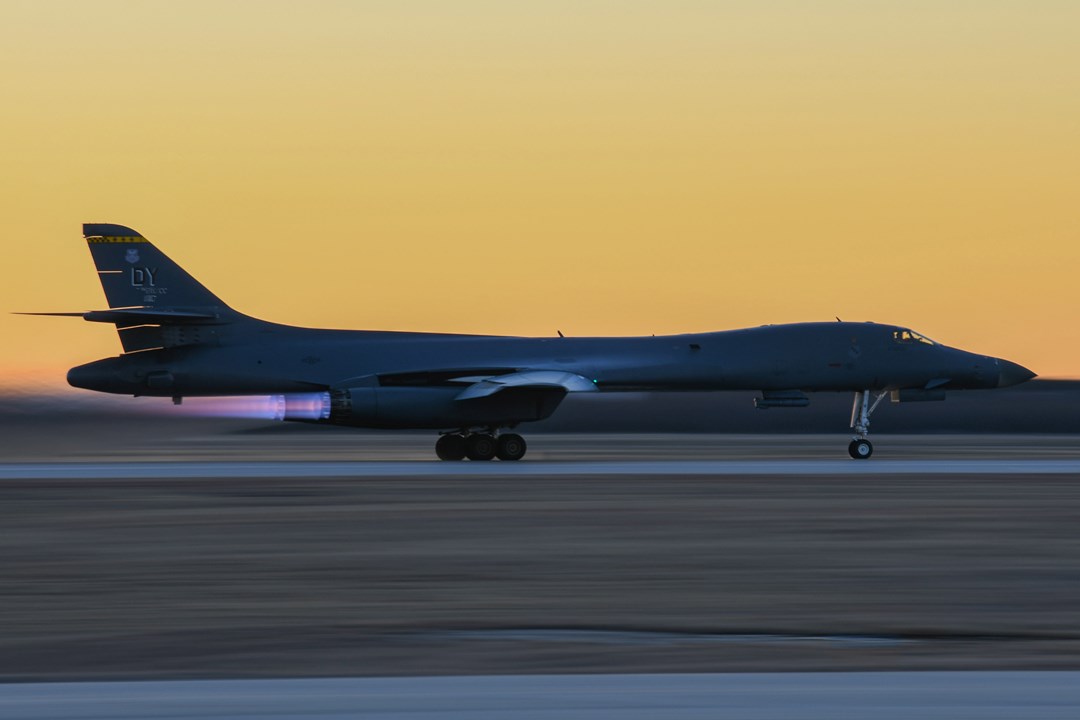
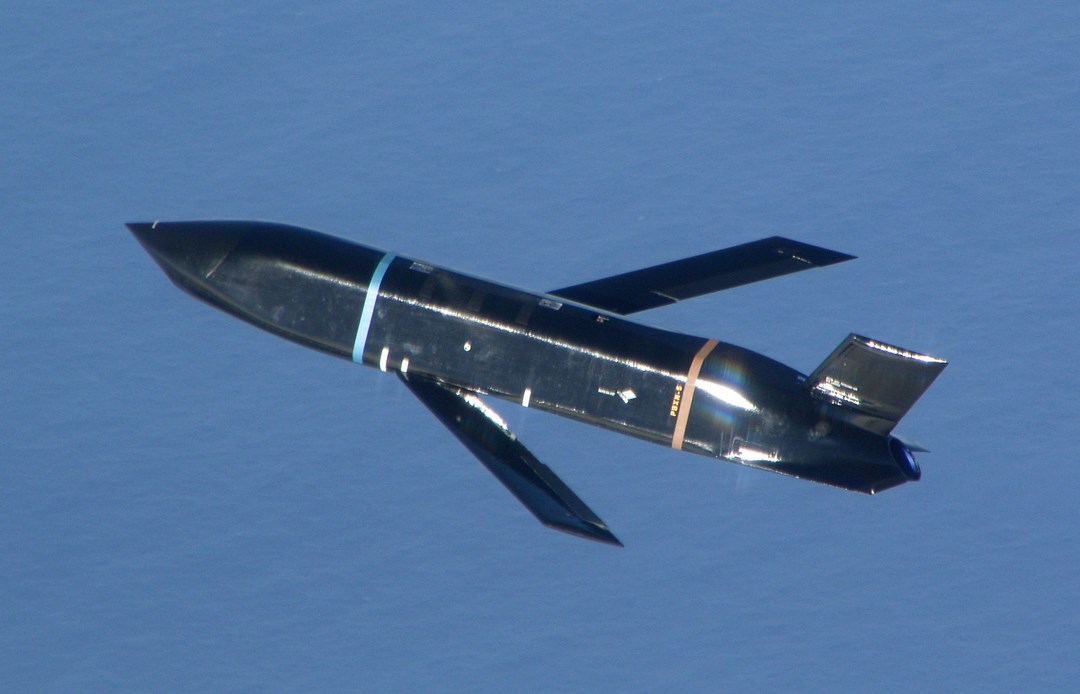
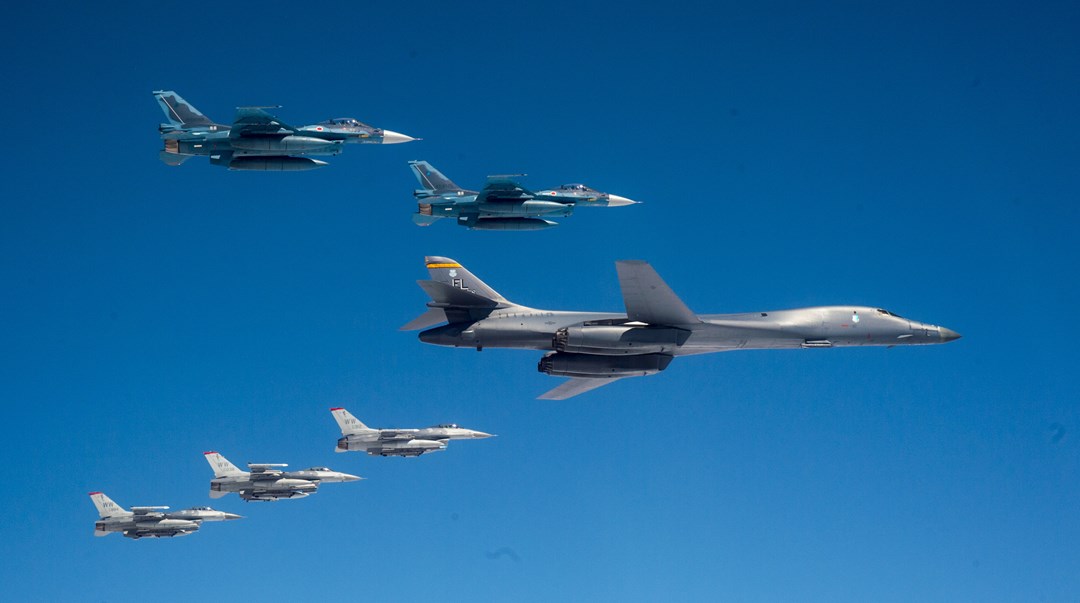
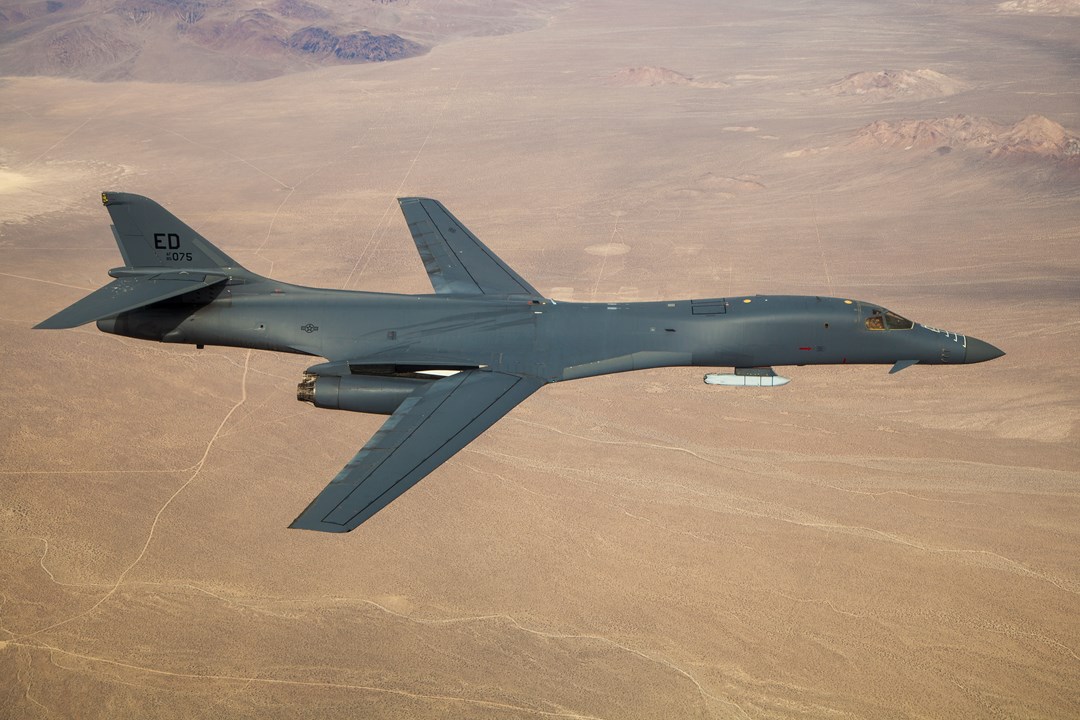
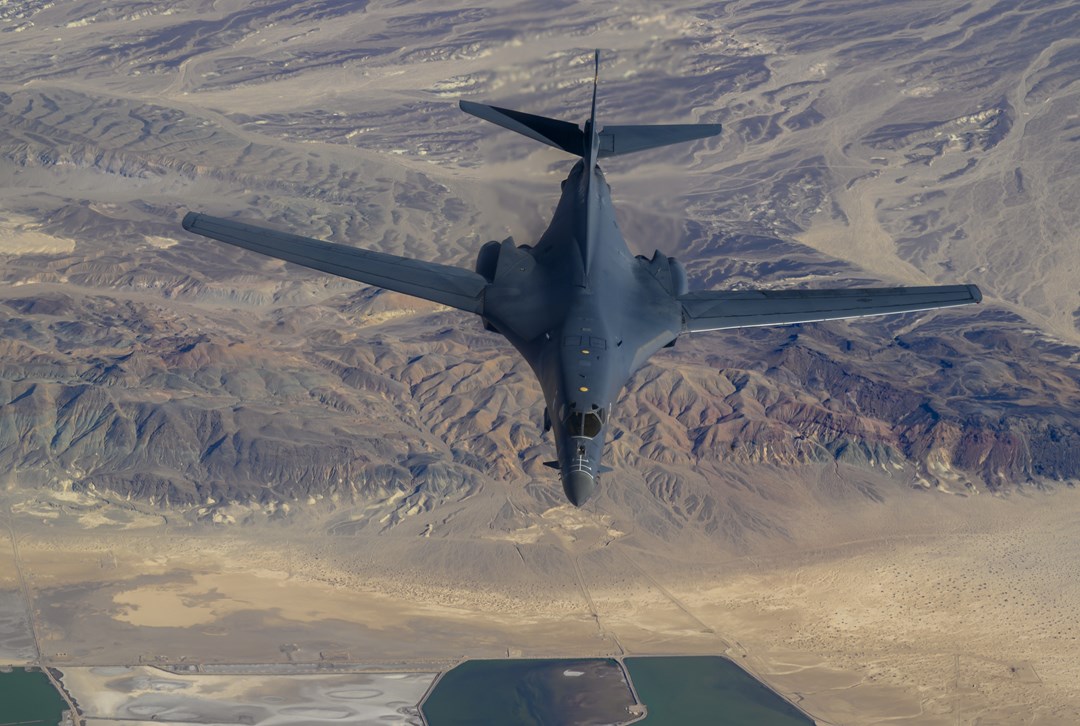
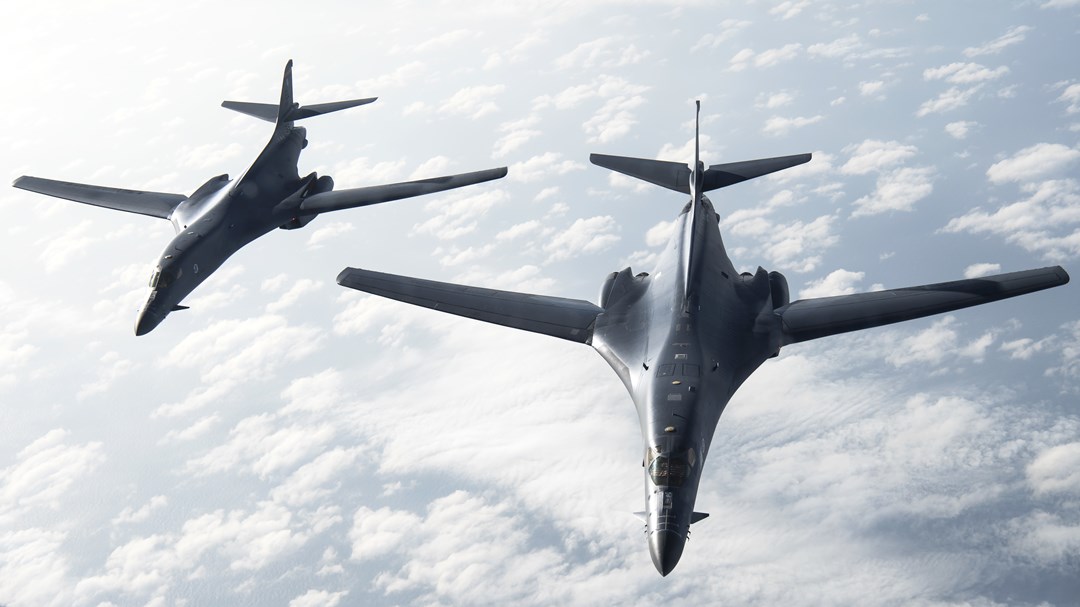
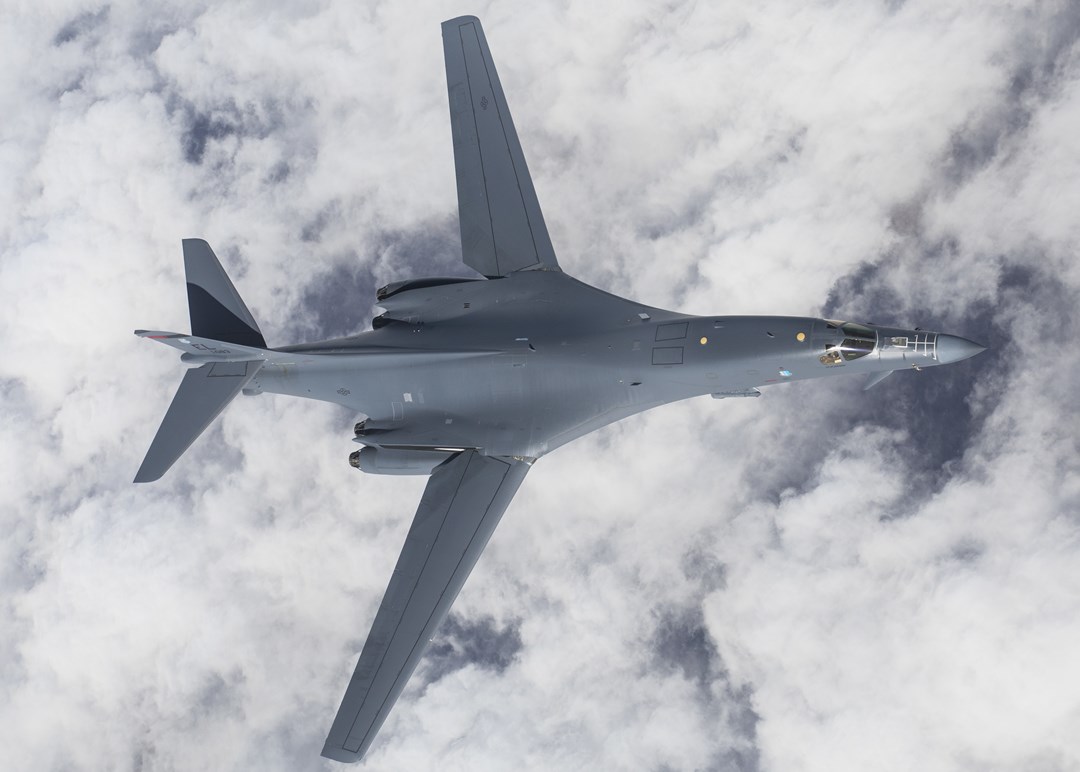
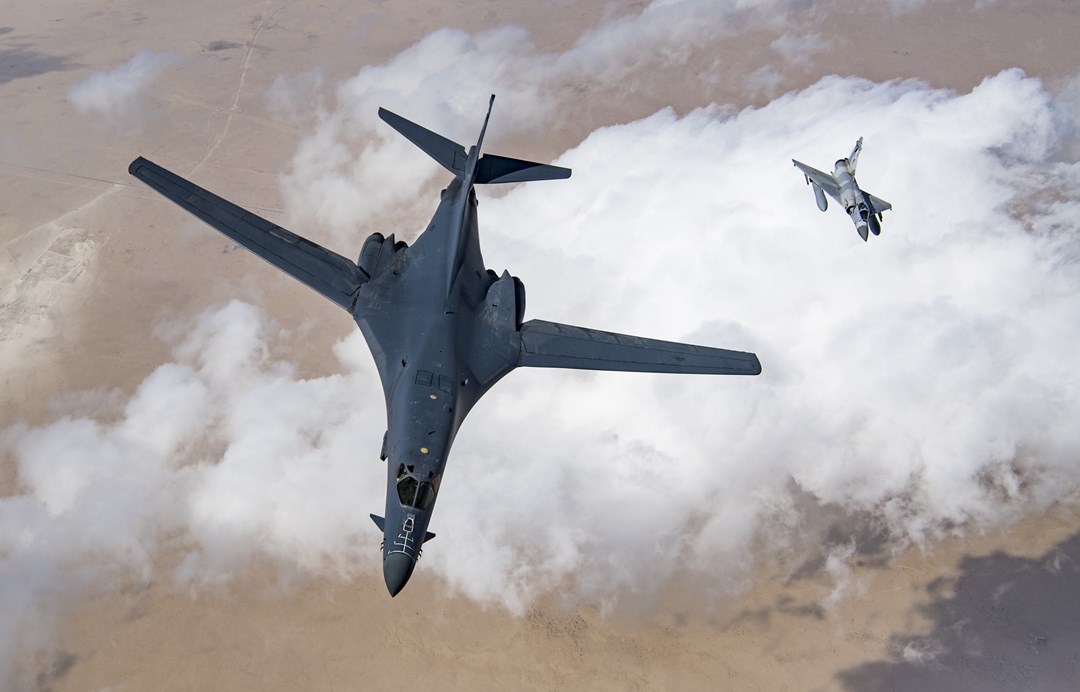
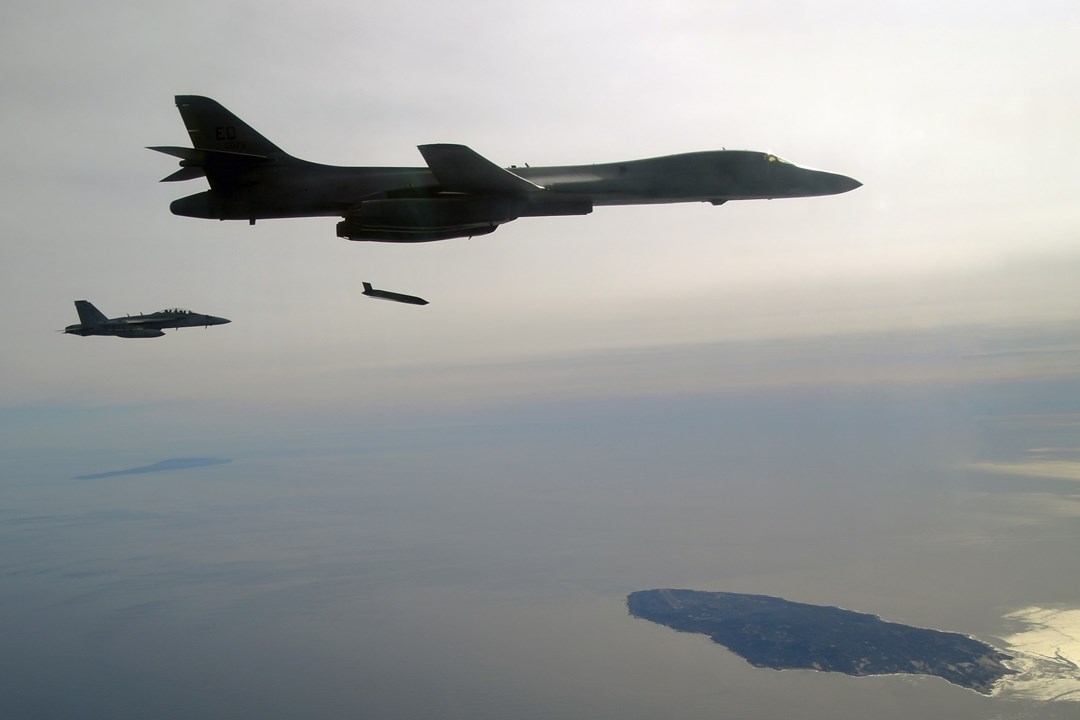
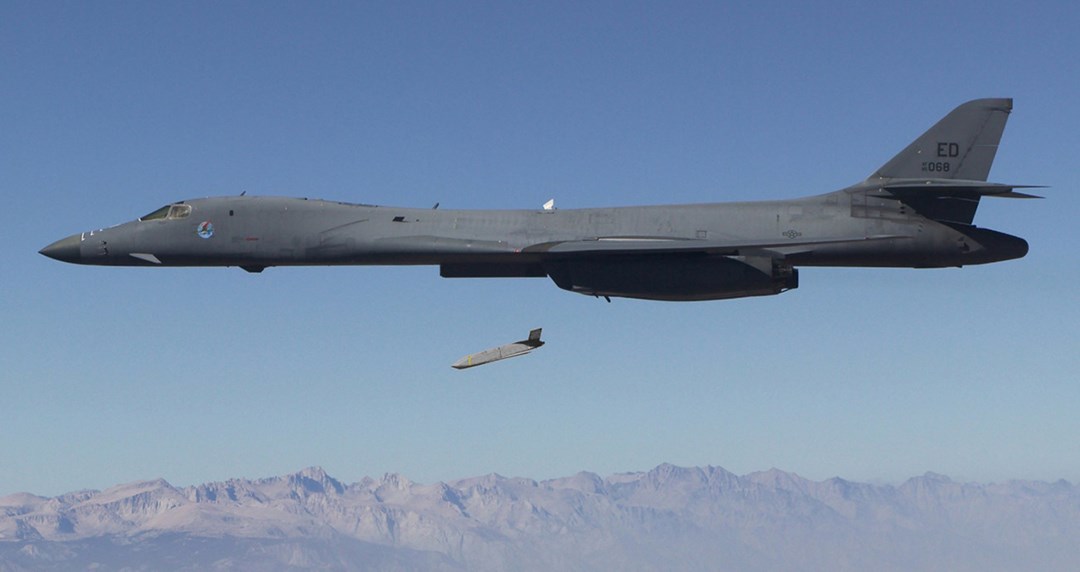
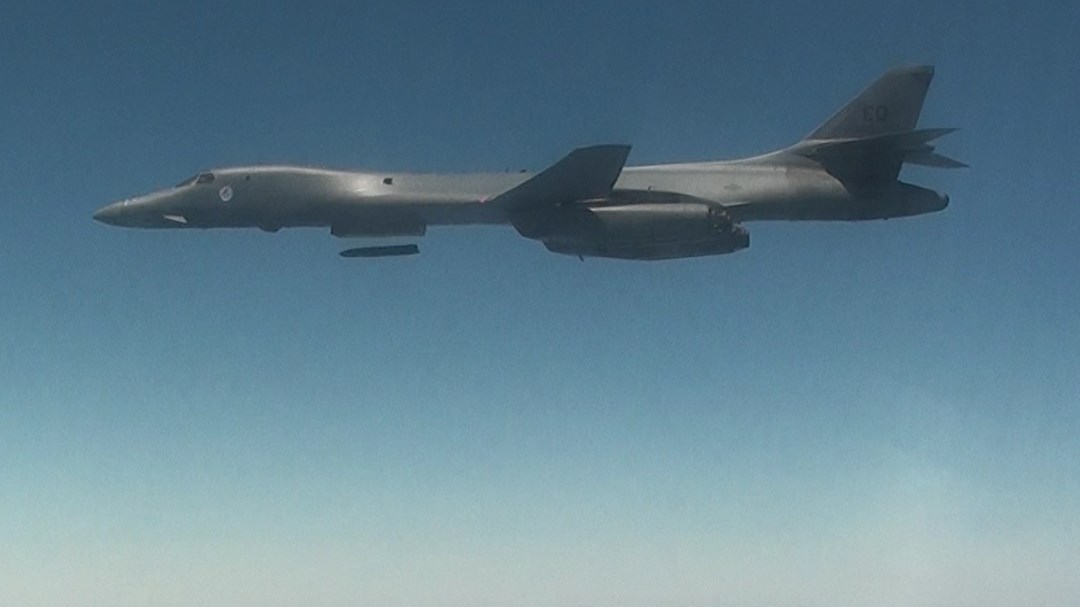
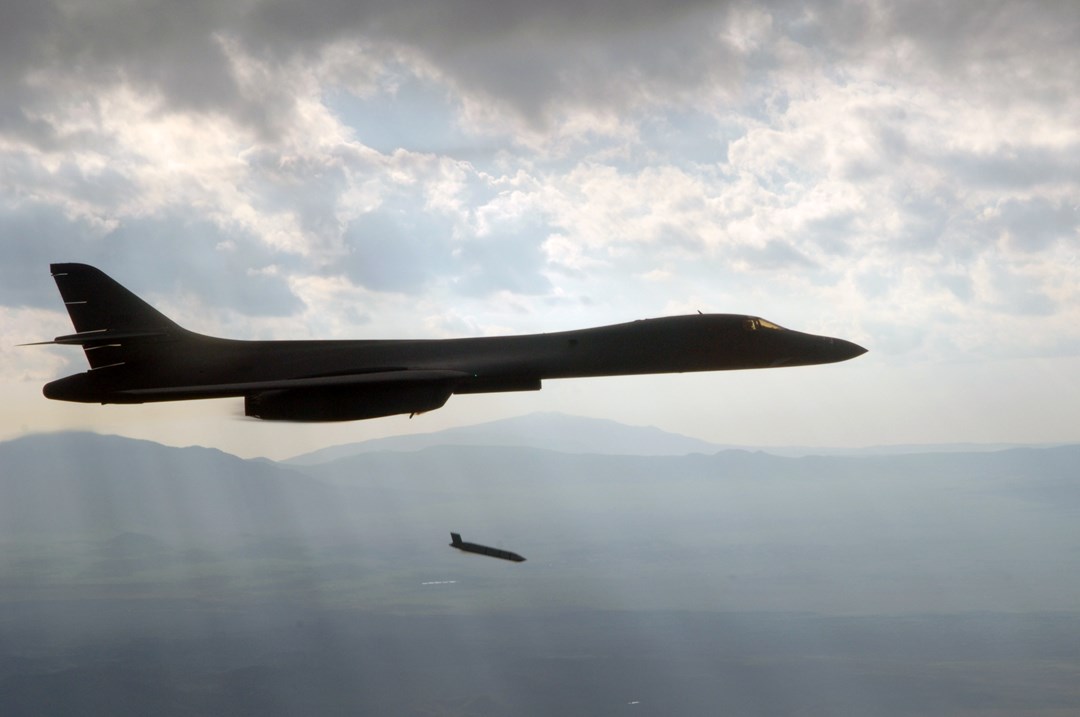
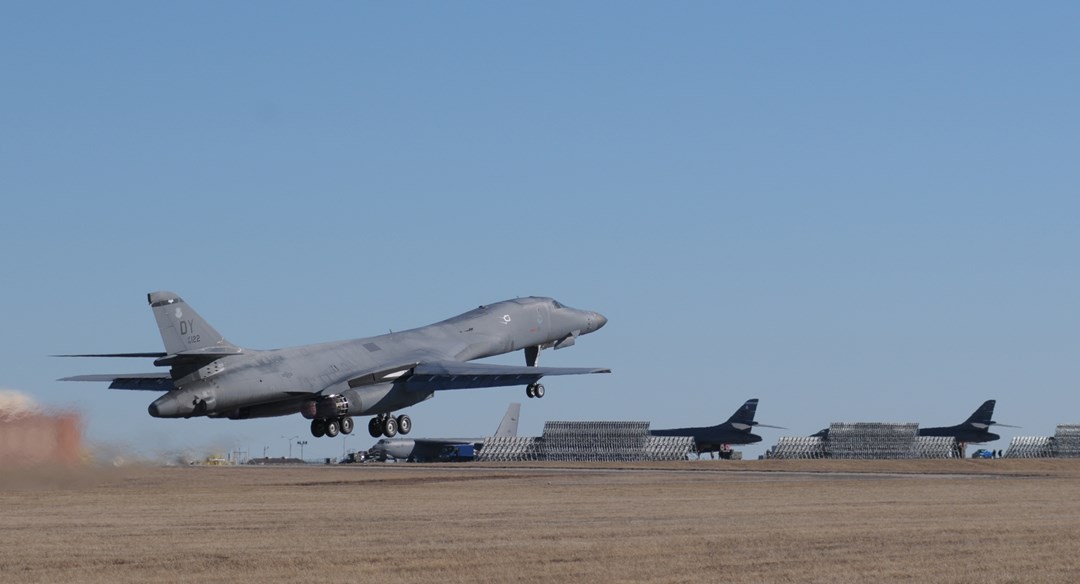
The B-1B Lancer is a long range, supersonic, swing-wing, bomber designed to penetrate sophisticated air defenses flying at low altitude and supersonic speed delivering precision and non precision weapons. Forward wing settings are used for takeoff, landing and cruise at high altitude. Aft wing settings are used on high subsonic and supersonic flight enhancing the B-1B's maneuverability . The B-1B Lancer features a forward-looking offensive radar set employing synthetic aperture radar, ground moving target indicator, and terrain-following radar modes with pulse-Doppler and altimeter radars. A precision GPS/INS-aided navigation system ensures the B-1 to perform accurate strikes. The B-1B's Electronic jamming equipment, infrared countermeasures, radar location and warning systems complement its low-radar cross-section and form and integrated defense system enabling the Lancer to penetrate the most sophisticated air defenses. This integrated defense combination also makes the Lancer highly survivable. Typically the B-1B weapons load is carried in three internal bays, but external carriage is also possible. The US Air Force is reducing the number of operational capable B-1Bs to only 60, the remaining bombers will be held in storage. Operational Lancers will be upgraded to Block E standard incorporating new equipment and advanced avionics as well as the latest developed weaponry such as JSOW, JASSM, WCMD and JDAM. The Block E B-1B and B-2 bombers will be employed within conventional air campaigns that will carried out by the US Air Force in the next decades. The first production nuclear-capable B-1B first flew in 1984 achieving operational capability in 1985, the last B-1 was delivered to the US Air Force in May 1988. It was first used in combat in support of Operation Desert Fox (Iraq) in December 1998. Subsequently has been used in operations Allied Force (former Yugoslavia) in 1999, Enduring Freedom (Afghanistan) in 2001, and Iraqi Freedom (Iraq) in 2003. In early 2005, the US Air Force reported that the entire B-1B fleet was grounded due to an aircraft's nose gear collapsed after landing at an undisclosed location. The B-1B was supporting military operations over Iraq and Afghanistan. Fortunately, the four-man crew was not injured during the incident. B-1B were planned to go to one-time inspection within a few days. The Lancer fleet was cleared for flight on 5 January 2005 after a six-day grounding. The US Air Force made public on 25 Feb 2005 that the B-1B Lancer completed software upgrade and 500-pound GBU-38 weapon integration. The integration workload included several test flights over Utah Test and Training Range testing weapon system, radar and navigation capabilities for the software upgrade program. For the GBU-38 certification the B-1B released inert GBU-38 JDAMs at the Naval Air Warfare Center at China Lake, California. Early in May 2005, the US Air Force certified the JASSM capability on the B-1B Lancer bomber after completing 72 simulated launches of such a weapon during JASSM Thunder 05-01 exercise.
deagel.com: https://www.deagel.com/x/x/a000534