ERMP
ERMP


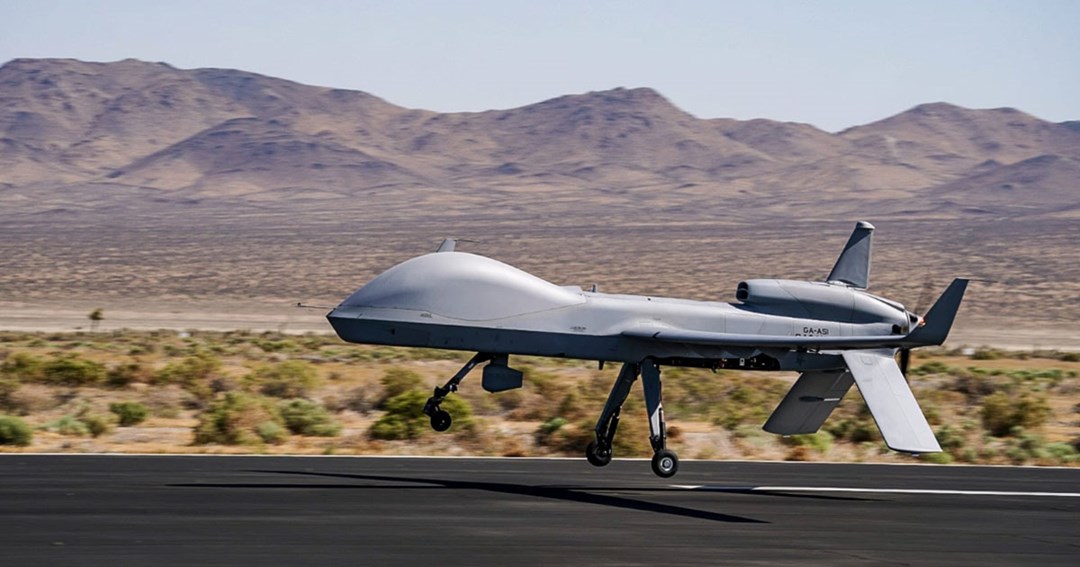
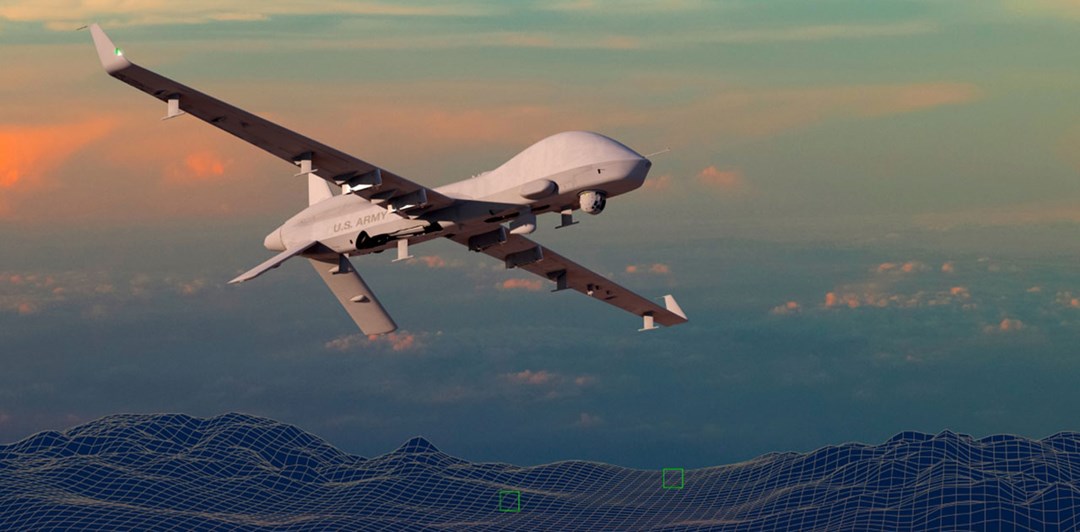
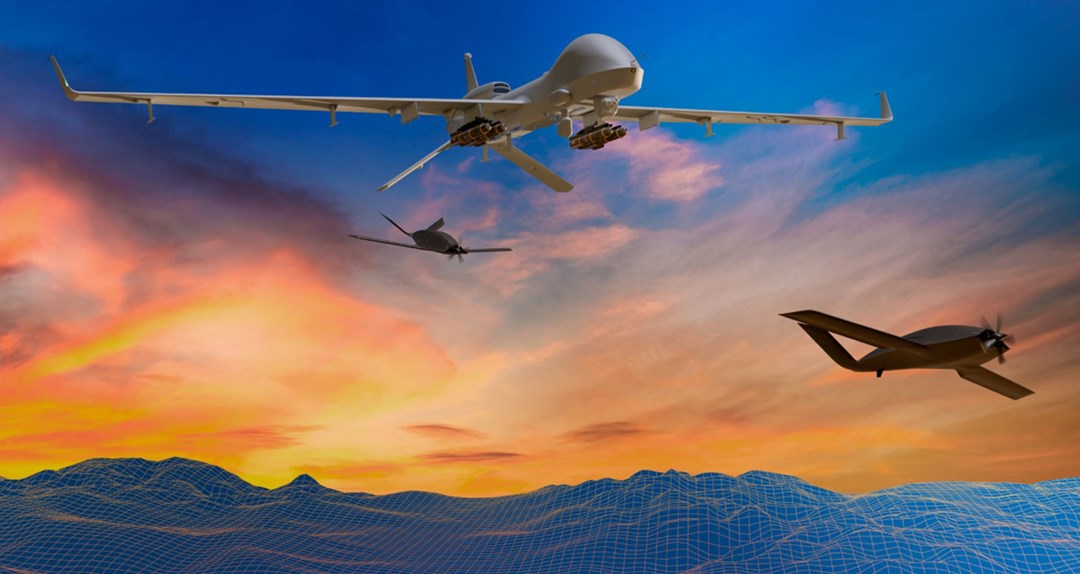
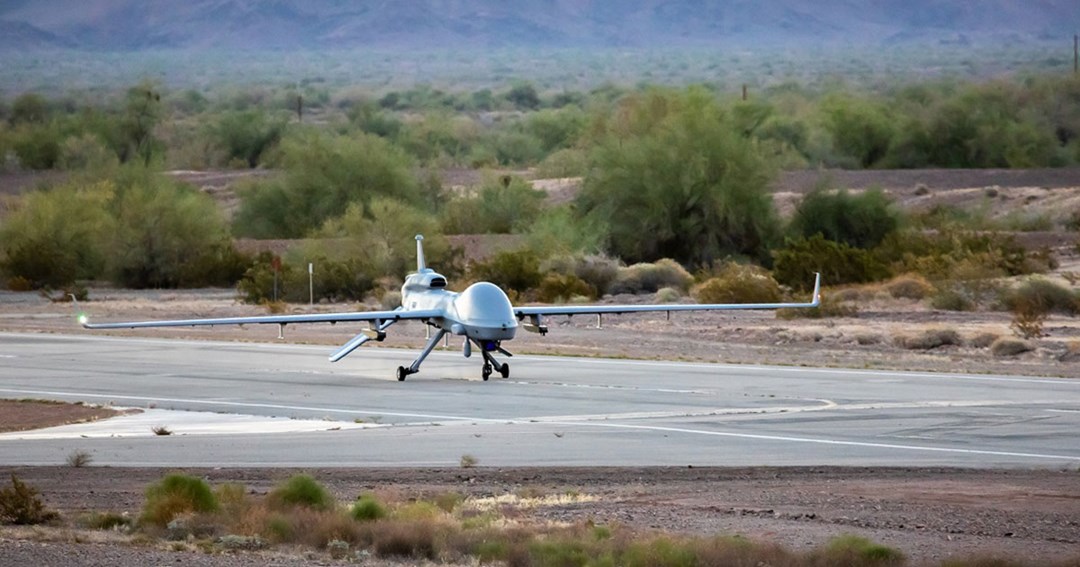
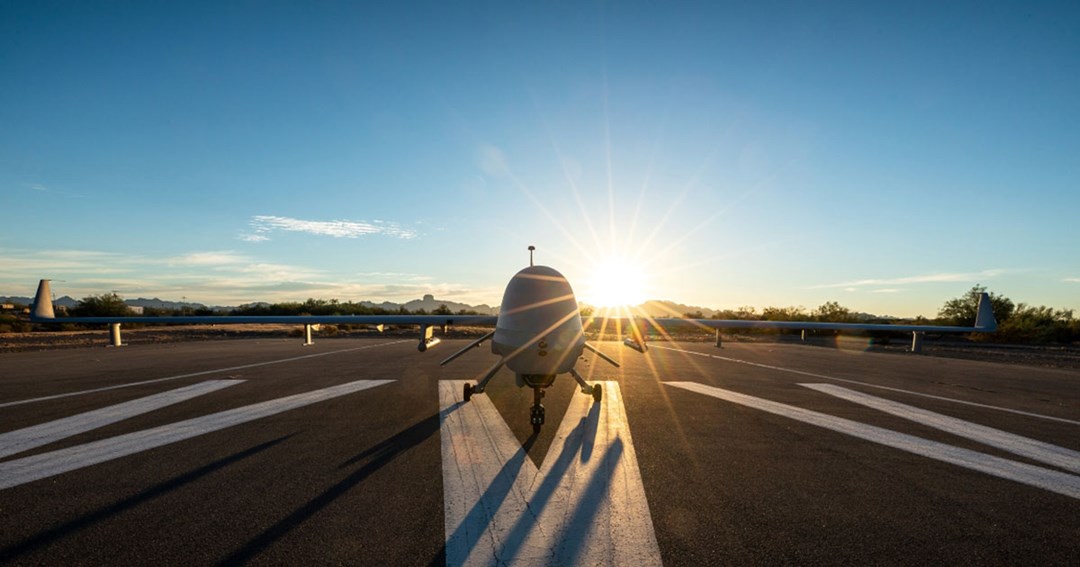
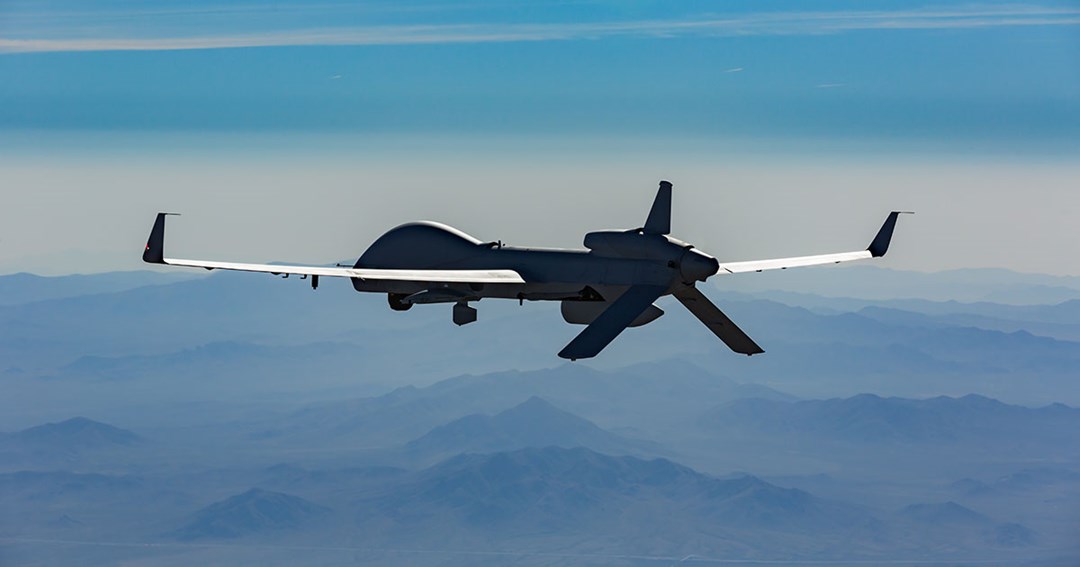

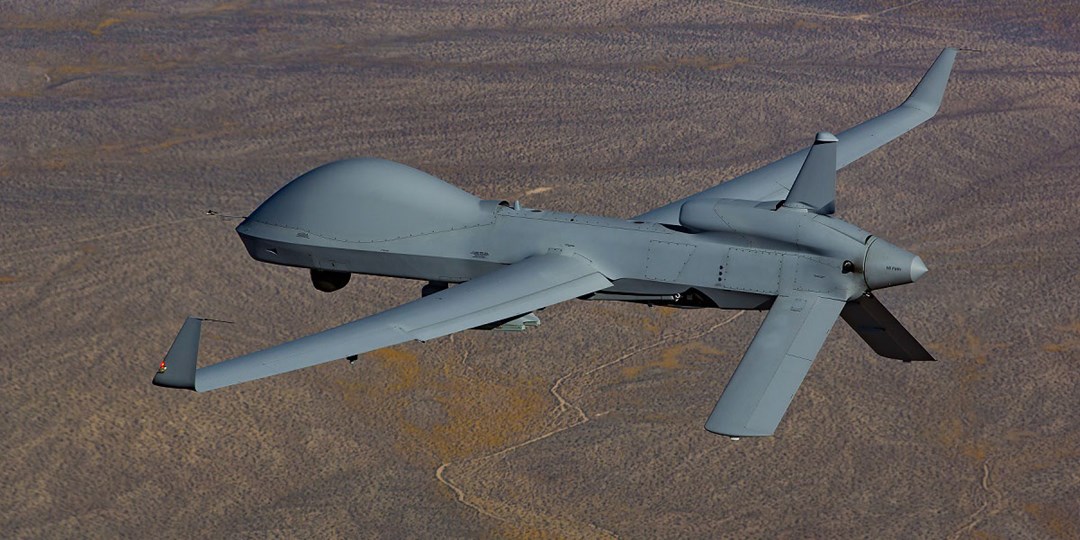
The US Army Extended Range/Multi-Purpose (ERMP) program is aimed to field a medium altitude, persistent Intelligence, Surveillance and Reconnaissance (ISR) Unmanned Aerial Vehicle (UAV) system to complement existing UAV systems within the Army. One of the keys of this program is to establish a new framework with only a type of fuel in the battlefield, heavy fuel in this case, for US Army's aircraft and vehicles. This approach will simplify logistics support for the service and overall operations costs. The program, initiated in July/September 2004, has an estimated total value of $900 million. In early 2005, General Atomics' Warrior and Northrop-Grumman's Hunter II were selected to conduct ERMP phase I ground and flight demonstrations at Fort Huachuca, Arizona. Phase I will extend for over three months and is also known as system capabilities demonstration (SCD). A single contractor was scheduled to be selected in the second quarter of 2005, most likely April 2005, to execute the ERMP phase II program following award of the System Development and Demonstration (SDD) contract. According to the US Army, ERMP will be able to perform long endurance surveillance, communications relay, and weapons delivery missions in support of Army corps and divisions. The General Atomics' Warrior is a variant of combat-proven Predator UAV powered by a Thielert Centurion Heavy Fuel Engine (HFE). This engine allows to fly over 25,000-ft (7,600+ meters) while providing increased horsepower, improved fuel consumption, reduced maintenance costs and increased service life. Warrior rolled out of the assembly line in 2004 after the program was launched in July 2004 with the first Warrior performing first flight three months later. General Atomics teamed up through 'Team Warrior' with AAI Corporation (ground control equipment) and SPARTA Inc (logistics support services). The Northrop-Grumman's Hunter II proposal was an enlarged variant of proven RQ-5A Hunter UAV leveraging modern avionics from MQ-5B Hunter and tactical UAV infrastructure form other other US Army's UAV systems. Hunter II UAV includes an automatic take-off and landing subsystem and overall ease of operation by specialists and non-commissioned officers. Hunter I has logged more than 32,000 flight hours, 13,000 in combat over Iraq and the former Yugoslavia. Hunter II team members include Aurora Flight Sciences (vehicle design support and manufacture) Israeli Aircraft Industries of Israel (weapons integration, logistics and engineering services) and Cubic Defense Applications (interoperable data links). On 9 August 2005, the US Army awarded General Atomics a $214 million contract for the system development and demonstration (SDD) phase of ERMP expected to last 48-month. Warrior SDD was set to conclude on 31 August 2009 when the first Warrior system would achieve Initial Operational Capability (IOC). Another key of ERMP is to fill the capabilities gap following Comanche cancellation and the US Army force restructuring. Warrior will be capable of performing long endurance surveillance, communications relay, and weapons delivery missions. As of August 2005, the US Army ERMP program calls for 11 systems comprising 12 Warrior diesel-powered aerial vehicles each, five ground control stations, data terminals, spares, and Interactive Electronic Technical Manuals. The US Army Warrior will feature automatic landing and takeoff system and both common tactical data link and remote control via satellite communication. At war, the Warrior will be able to loitering for 36 hours on the battlefield at altitudes in exceed of 25,000-ft while carrying a payload of weapons and sensors. The Warrior will be enabled for network-centric warfare relying data and critical information between control stations and other platforms. The total estimated funds allocated by the US Army to the ERMP could be approximately $1 billion. In 2011, the US Army plan called for an increased number of systems from 13 to 31. As of June 2015 the US Army's Gray Eagle program calls for the procurement of 164 air vehicles by 2022.
deagel.com: https://www.deagel.com/x/x/a000125
