Be-12 Chayka (Mail) Russian Amphibious Aircraft
Be-12
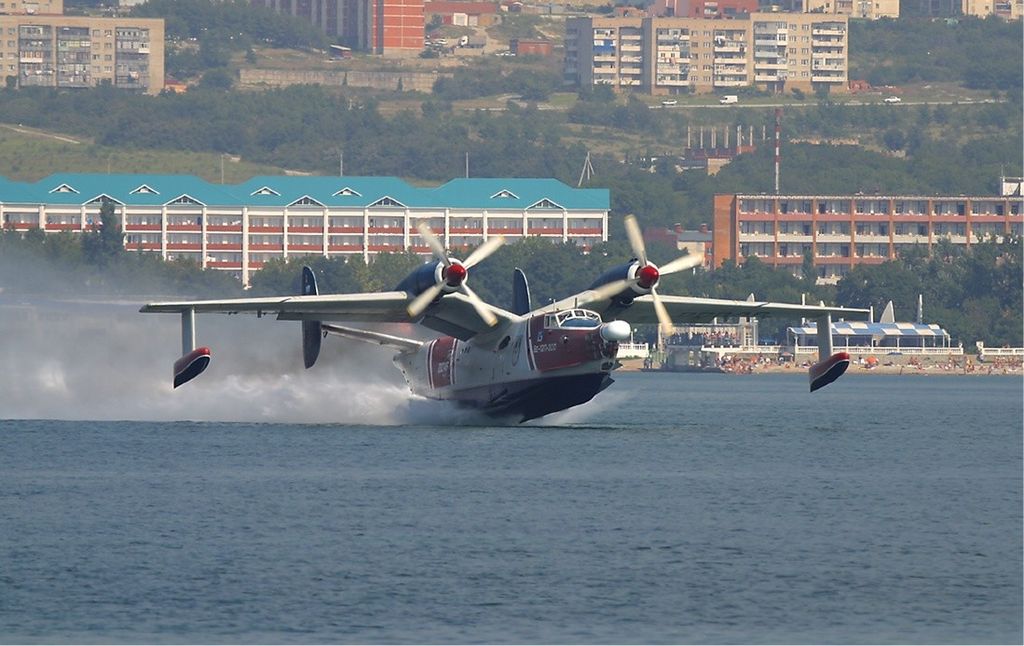

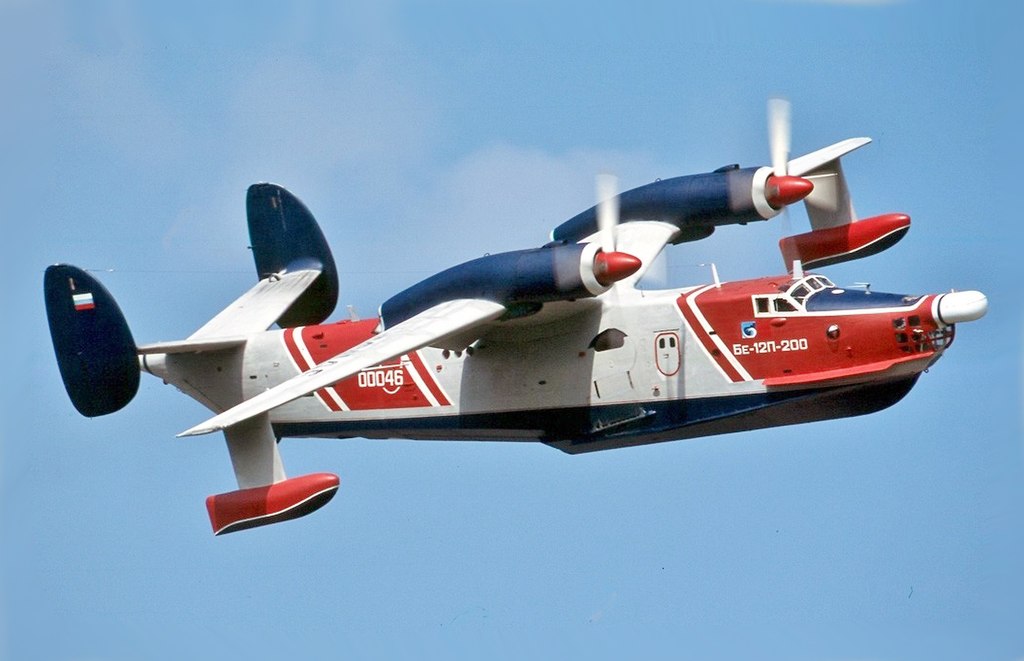

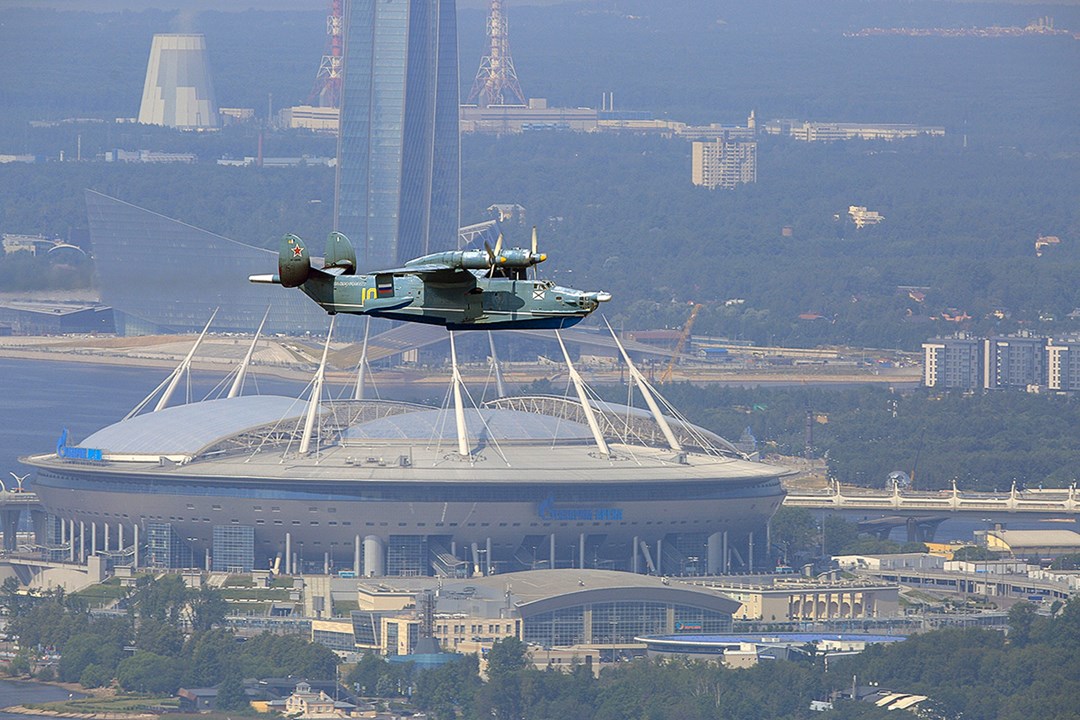
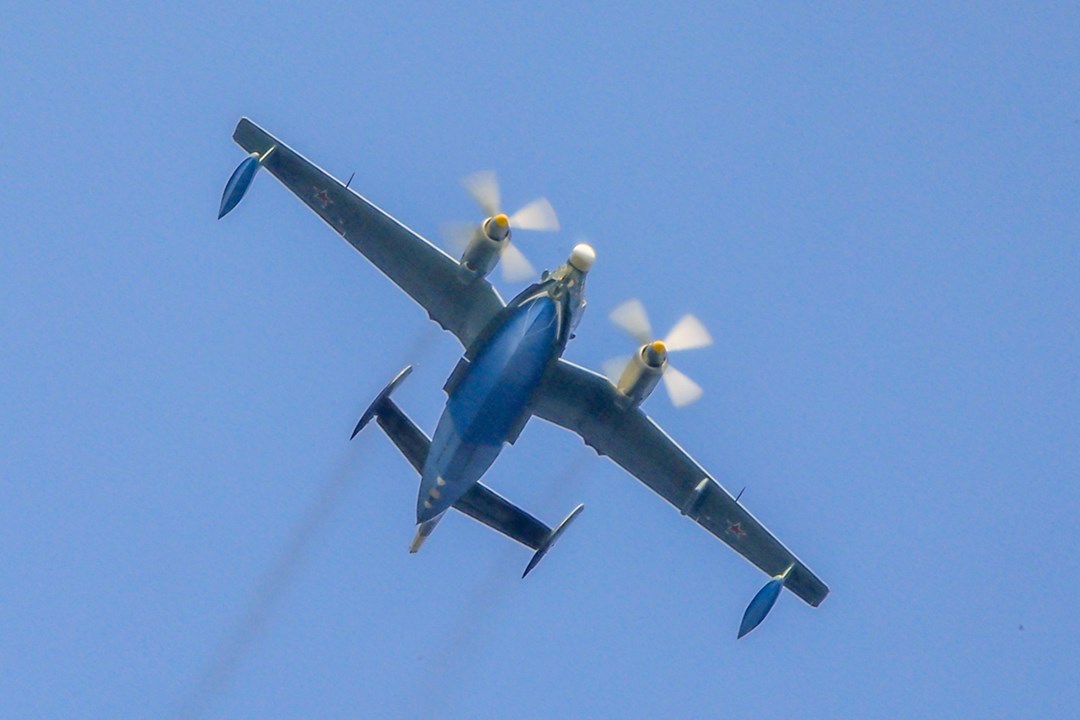
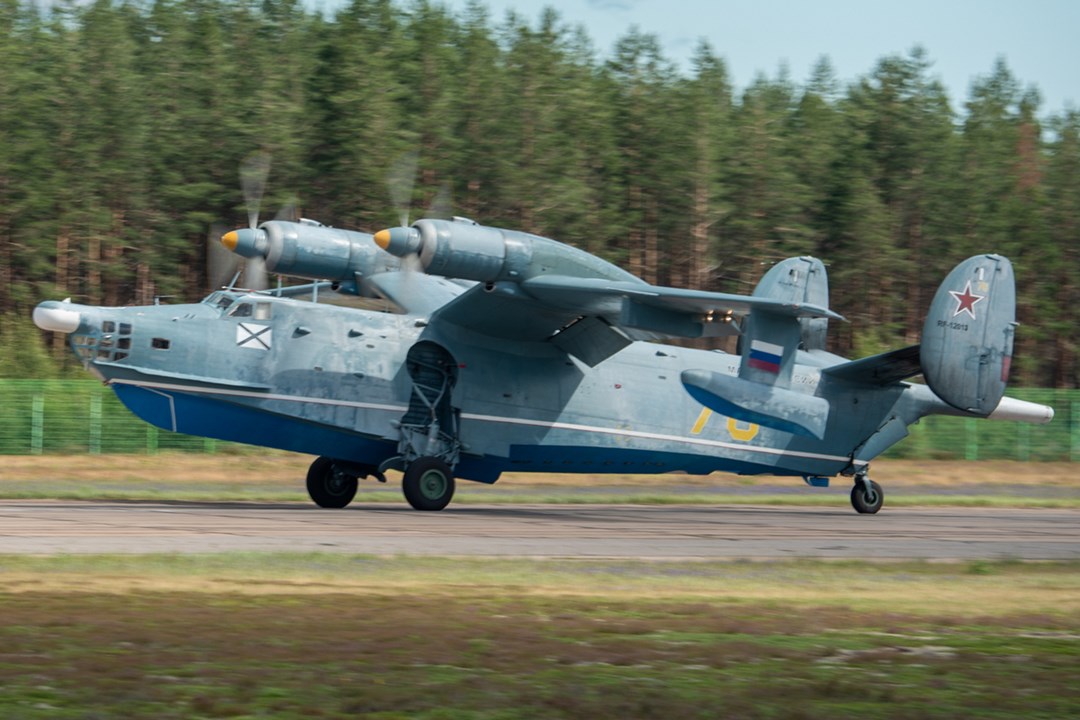

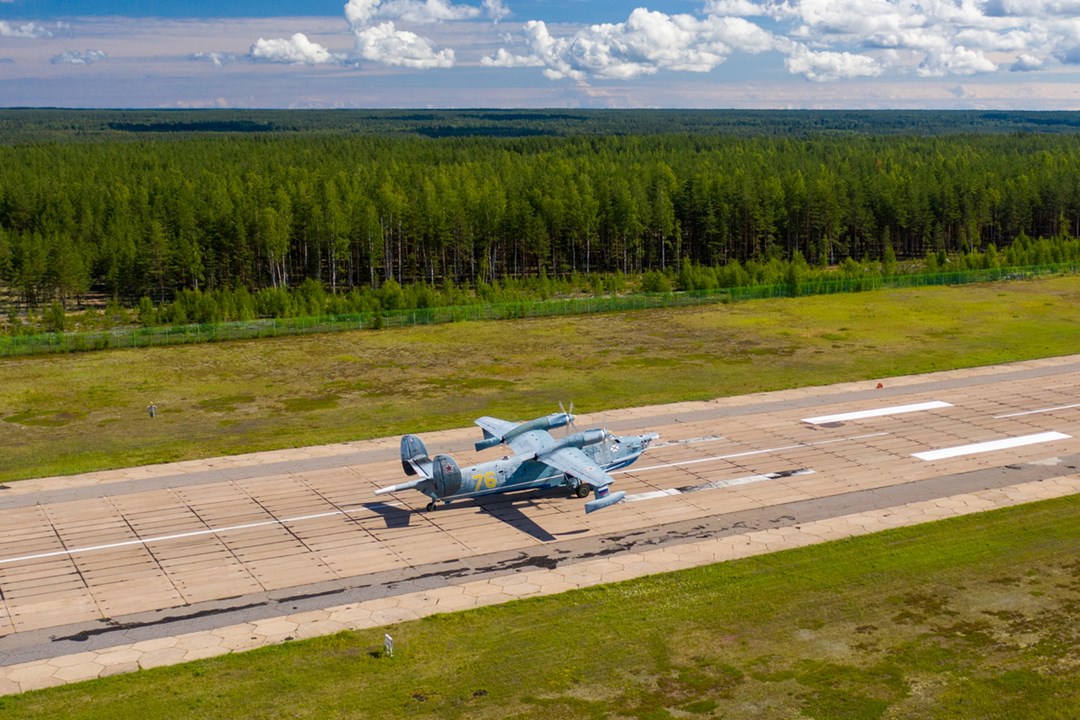

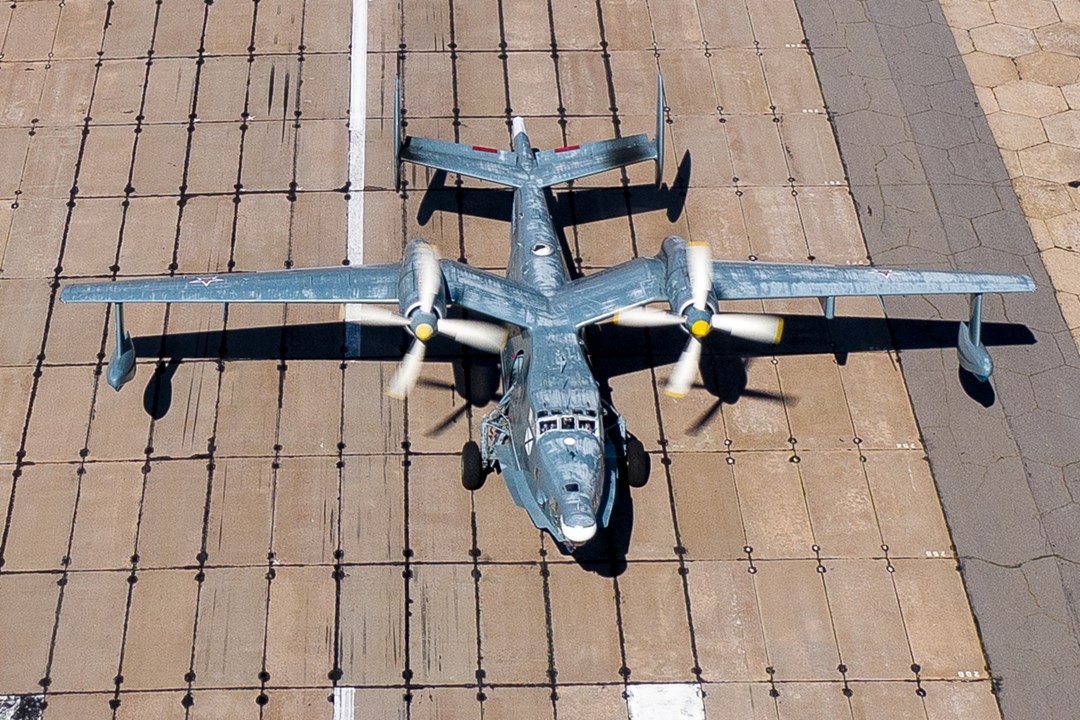
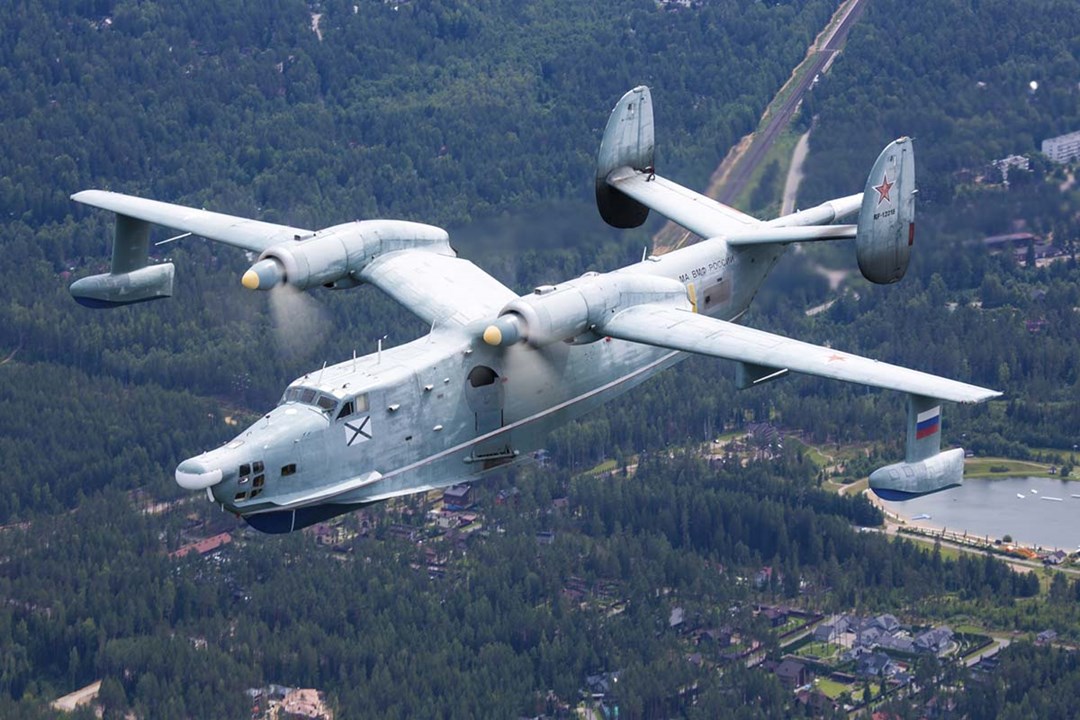

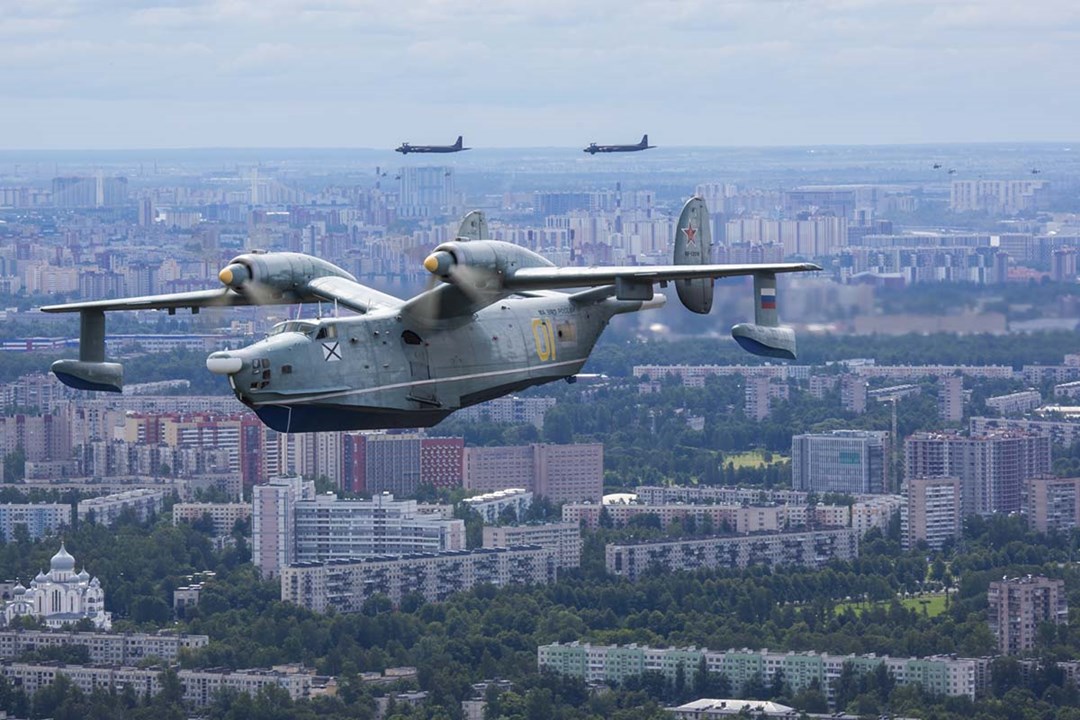
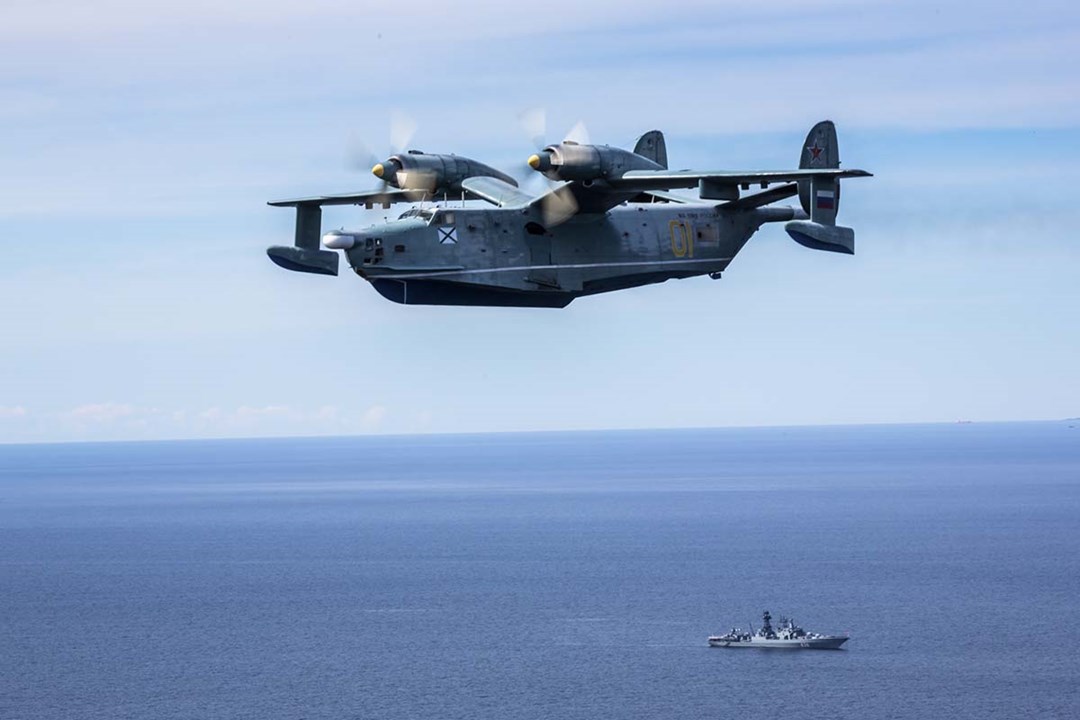
The Beriev Be-12 Chayka (Tchaika, gull in English, and 'Mail' NATO codename) is a Soviet turboprop-powered amphibious aircraft designed for anti-submarine warfare (ASW), maritime patrol, and search and rescue (SAR) duties. It served as a successor to the Beriev Be-6 flying boat, inheriting its gull wing and twin oval tailfin configuration, but little else. The Be-12 is powered by two AI-20D turboprops, rated at 3,125 KW each, mounted over the wing for maximum clearance from water, a design change made after initial trials where engines were initially under the wings. These engines provided improved speed and range over the Be-6. The aircraft features all-metal construction, a high-mounted gull wing, twin tailfins, and tricycle landing gear with single wheels, enabling it to land on both land runways and water. It also incorporates fixed floats, a sea rudder at the end of the boat hull, and strakes alongside the nose, with a second set added lower on the fuselage after trials, to deflect seaspray and prevent propeller damage. The Be-12 first flew from water on October 18, 1960, at Taganrog airfield, and made its first public appearance at the 1961 Soviet Aviation Day festivities at Tushino airfield. It entered service with the Soviet Navy as a maritime patrol aircraft in 1964. Equipped with a nose-mounted search radar and a tail-mounted magnetic anomalies detector (MAD) boom, its weapon options include torpedoes, mines, and depth charges, which can be carried inside an internal weapons bay or using two external stations. A total of 150 aircraft were produced in several variations, with production ending in 1973. The Be-12 remains in service with Russia, Ukraine, and Vietnam. One notable variation, the Be-12P-200, is a firefighting version that first flew in August 1996 and has been employed as a flying lab for the Be-200 aircraft.
deagel.com: https://www.deagel.com/x/x/a002667