GLONASS
GLONASS
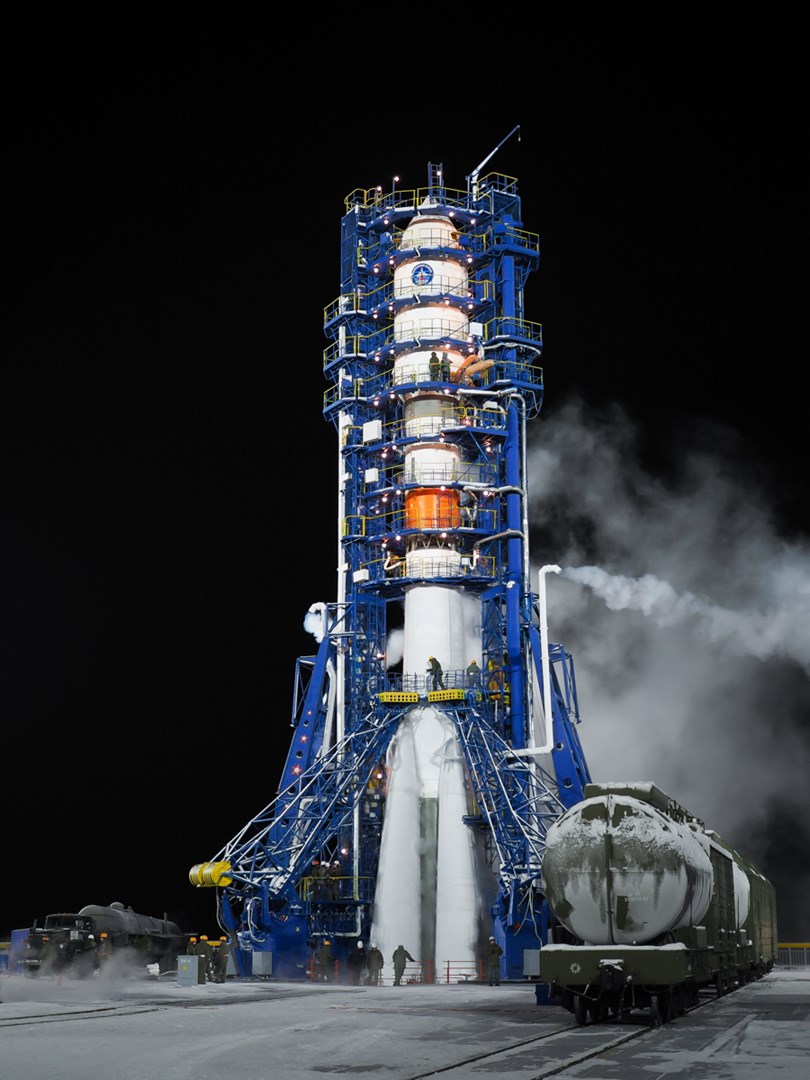
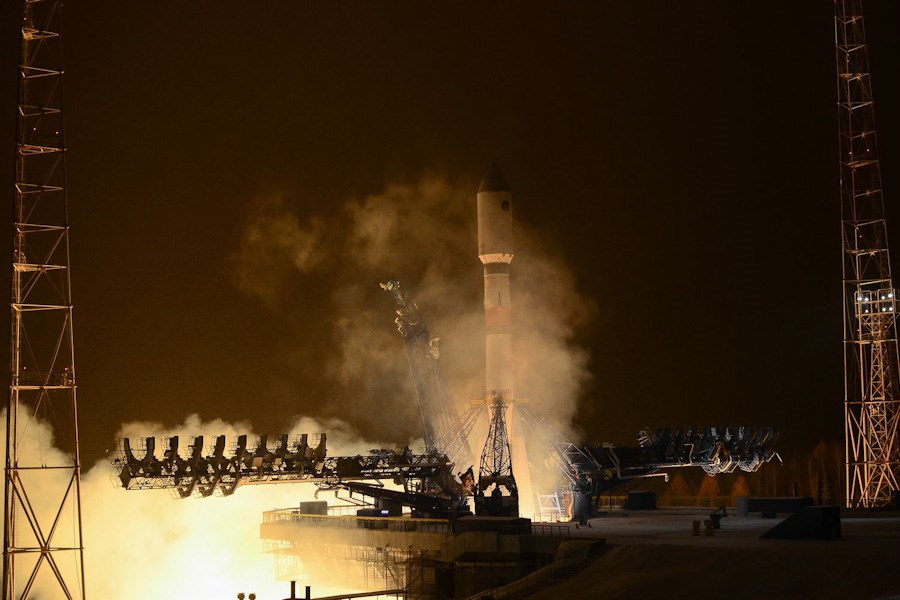
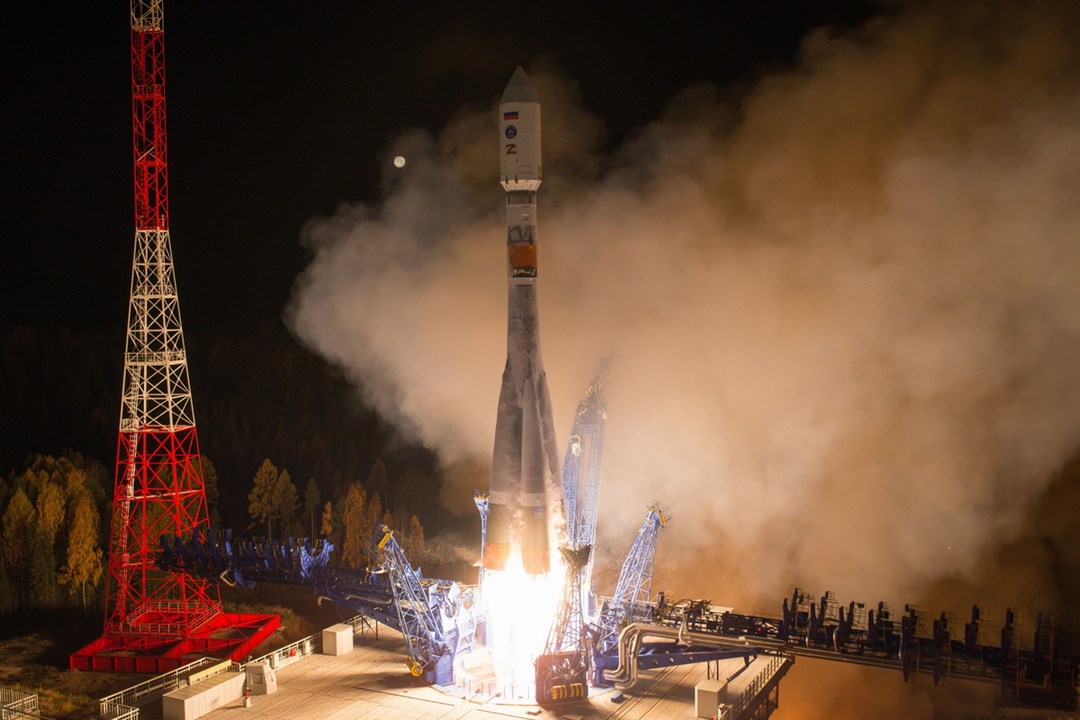
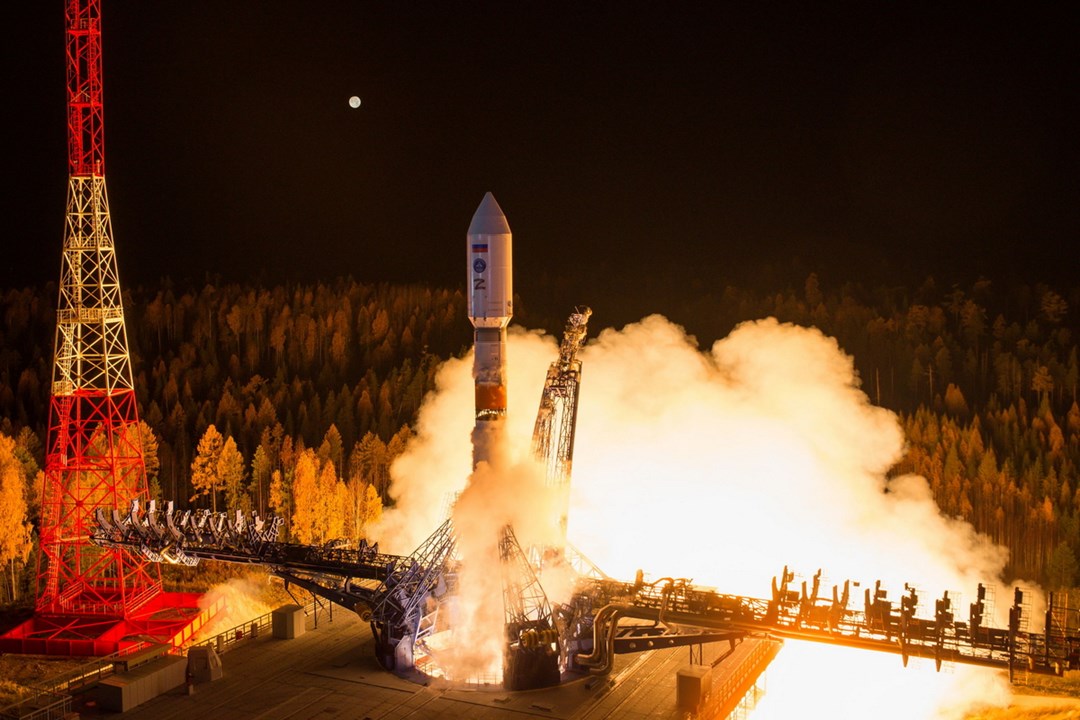
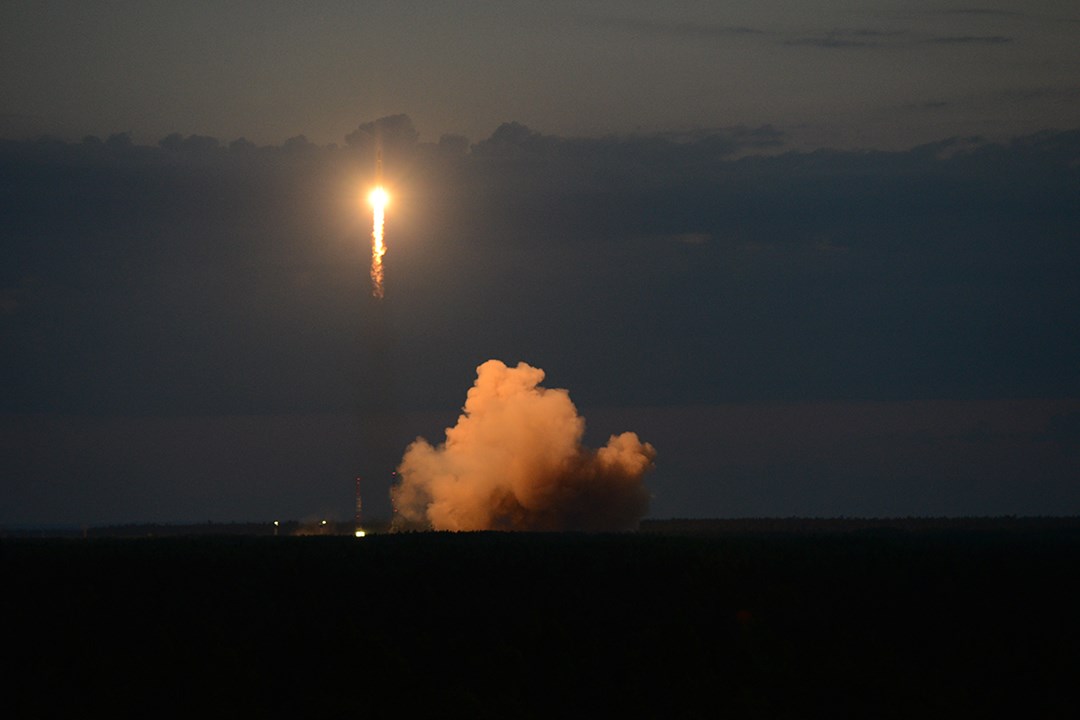
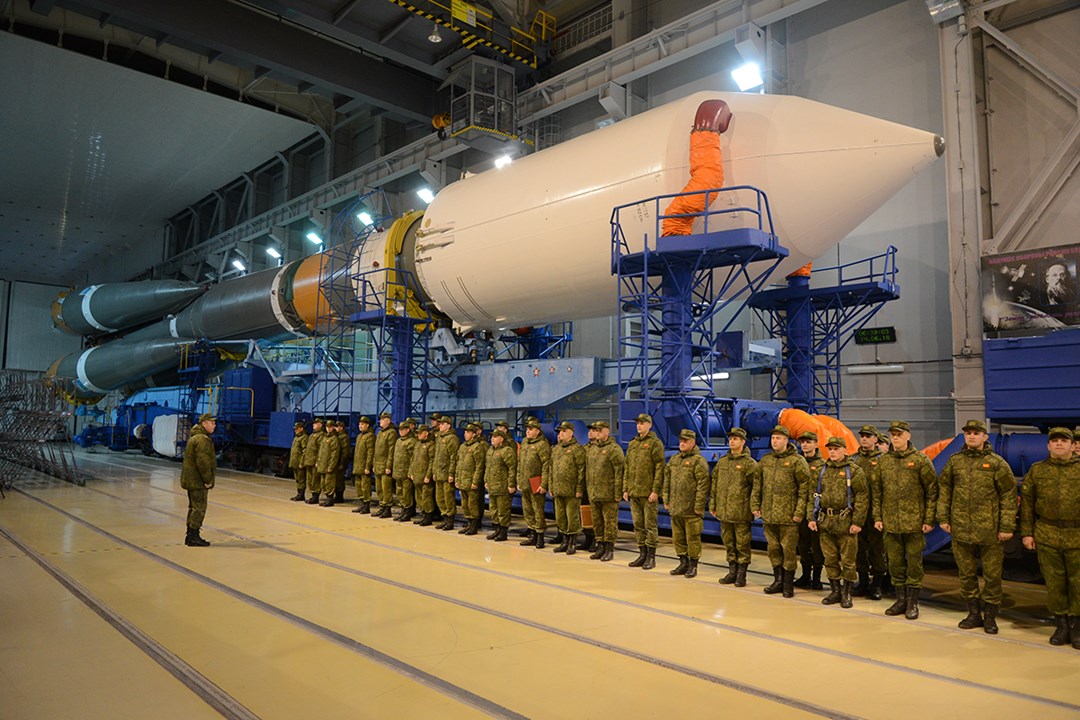
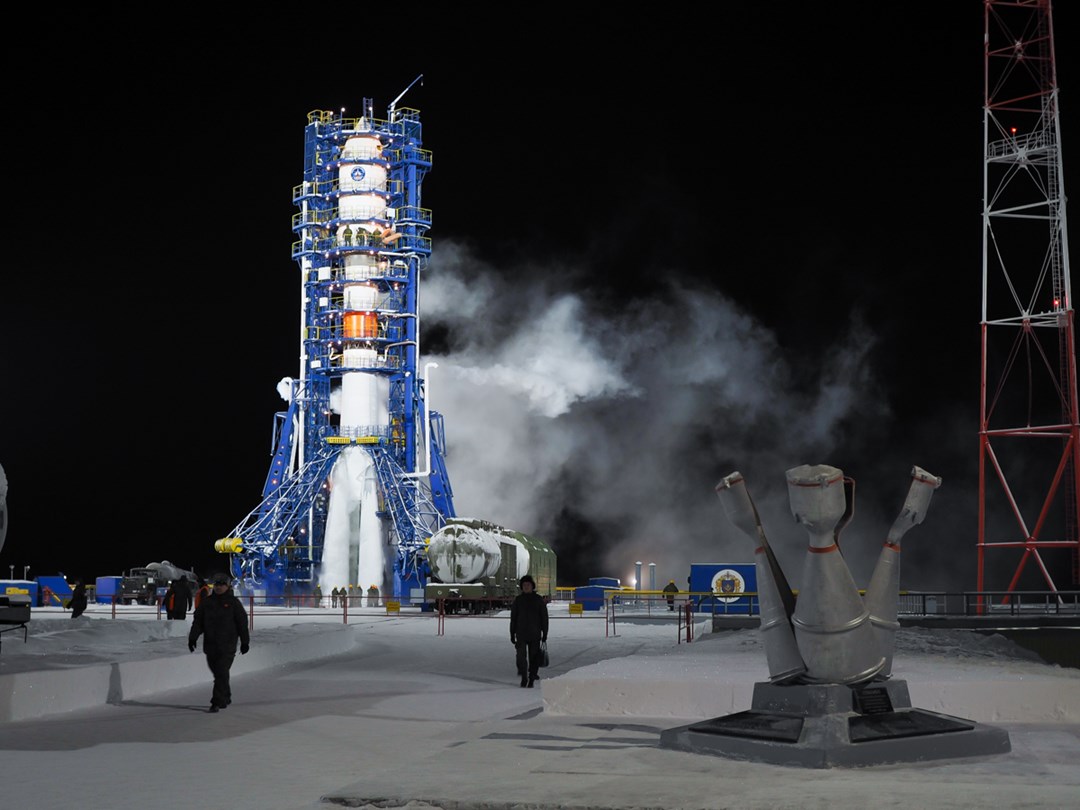
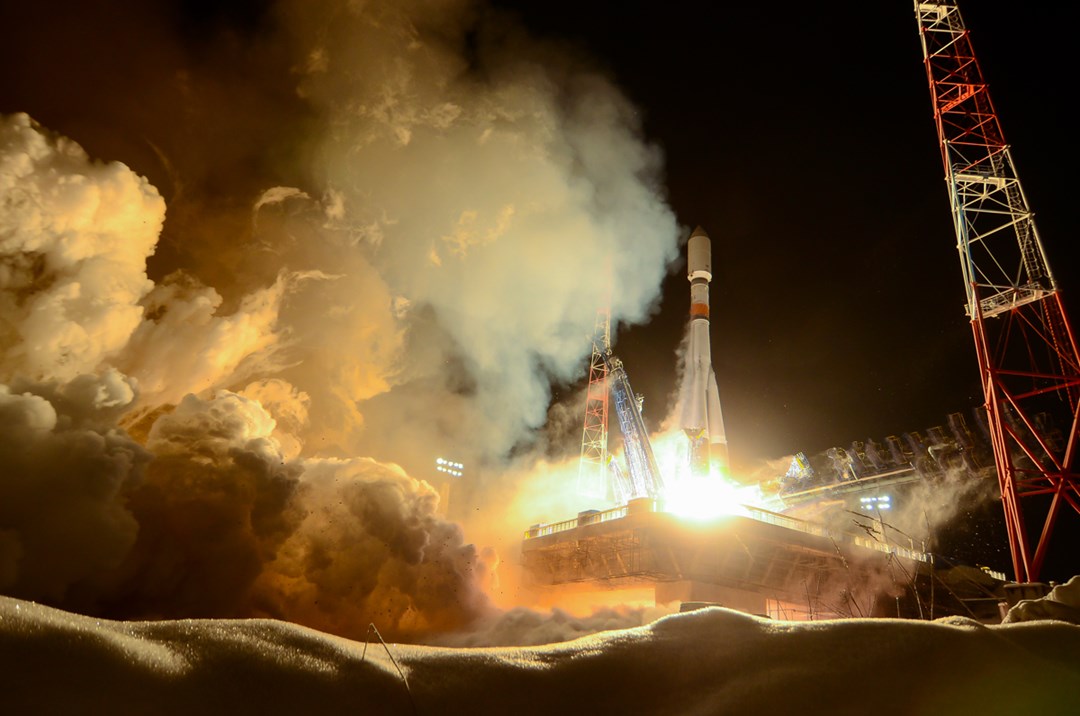
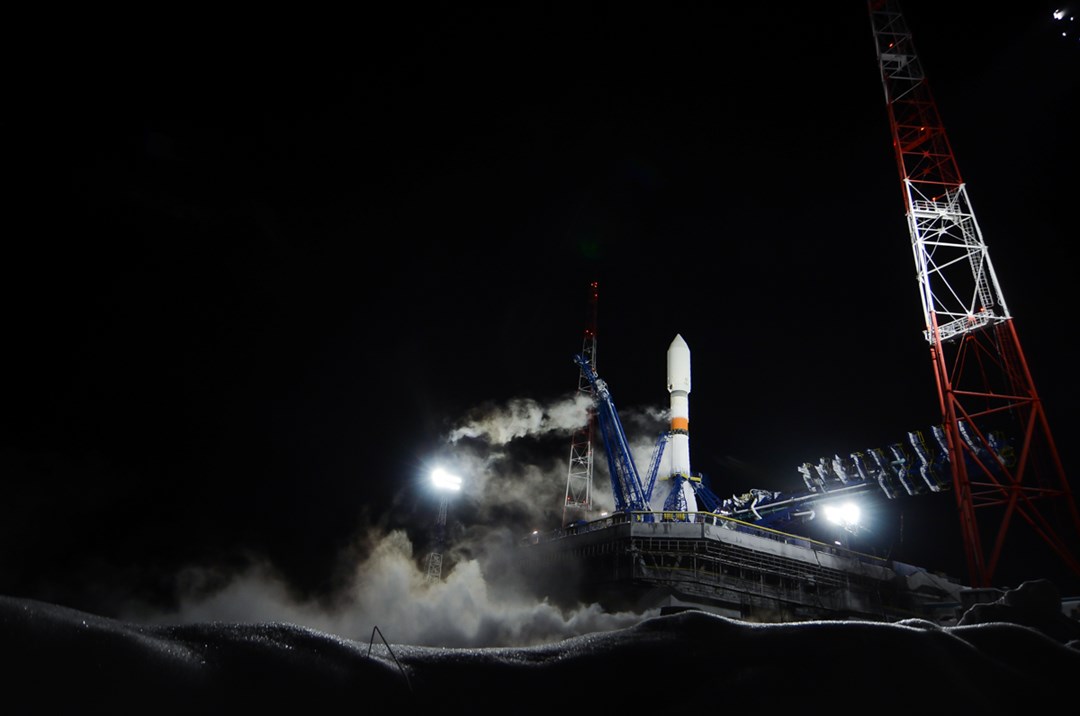
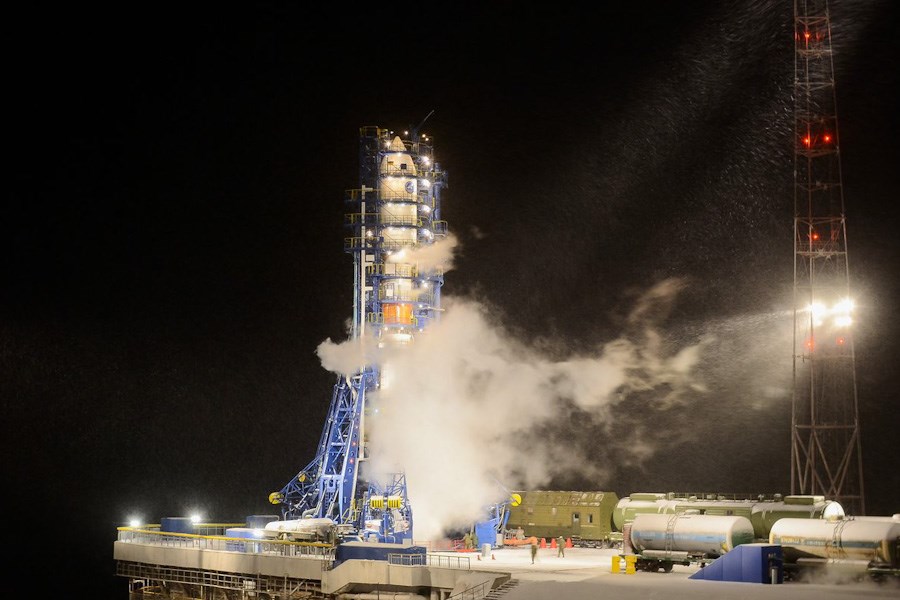
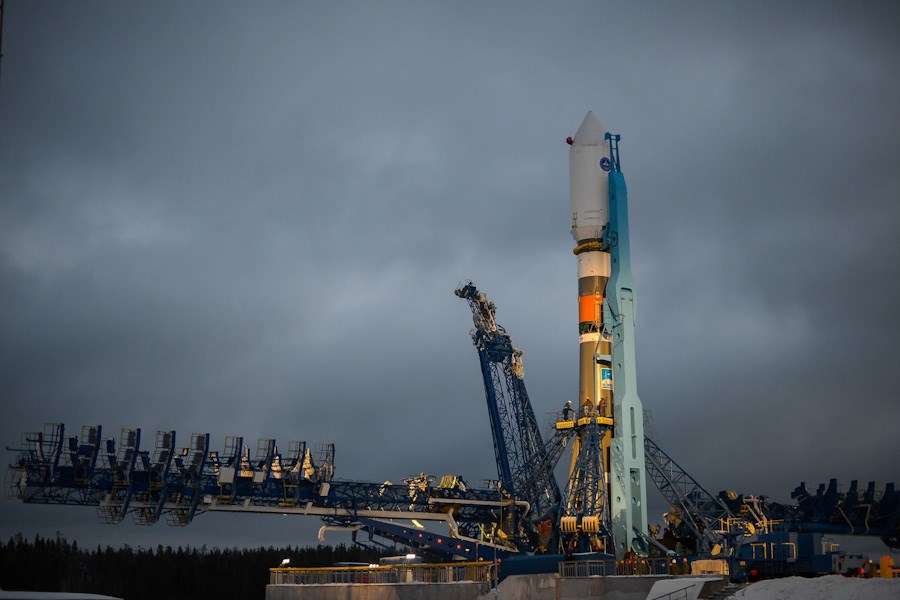

GLONASS (GLObal NAvigazion Satellite System) is a multi-channel navigation satellite network developed by the former Soviet Union beginning in 1976 to provide accurate geo-location and airspeed data to its strategic bombers and cruise missiles as well as target positioning for its ballistic missiles. Following the Soviet Union collapse the whole project was put on hold. In 2001 the Russian Federal government re-launched the GLONASS project with the goal to get the whole system fully deployed by 2010. The GLONASS global navigation system consists of 24 orbiting satellites of which 21 providing geo-location signals throughout the world and the remaining three spacecraft used as on-orbit spares. Following a circular orbit at 19,100 km of altitude (25,470 km from Earth's core) with an inclination of 64.8-degree, each spacecraft has an orbital period of approximately 11 hours and 15 minutes. Each spacecraft also has a latitude inclination of 15-degree which translates into the satellites crossing the equator one at a time (24x15=360/full coverage). Using this arrangement, at least five GLONASS satellites and their positioning signals are available at any given place and time on Earth. GLONASS satellites are distributed into three orbital planes with eight spacecrafts per plane. Each satellite passes over the same place every eight sidereal days, but with each orbital plane containing eight satellites the next satellite will pass over the same place in a sidereal day.
deagel.com: https://www.deagel.com/x/x/a001797