B-2A Spirit
B-2A Spirit
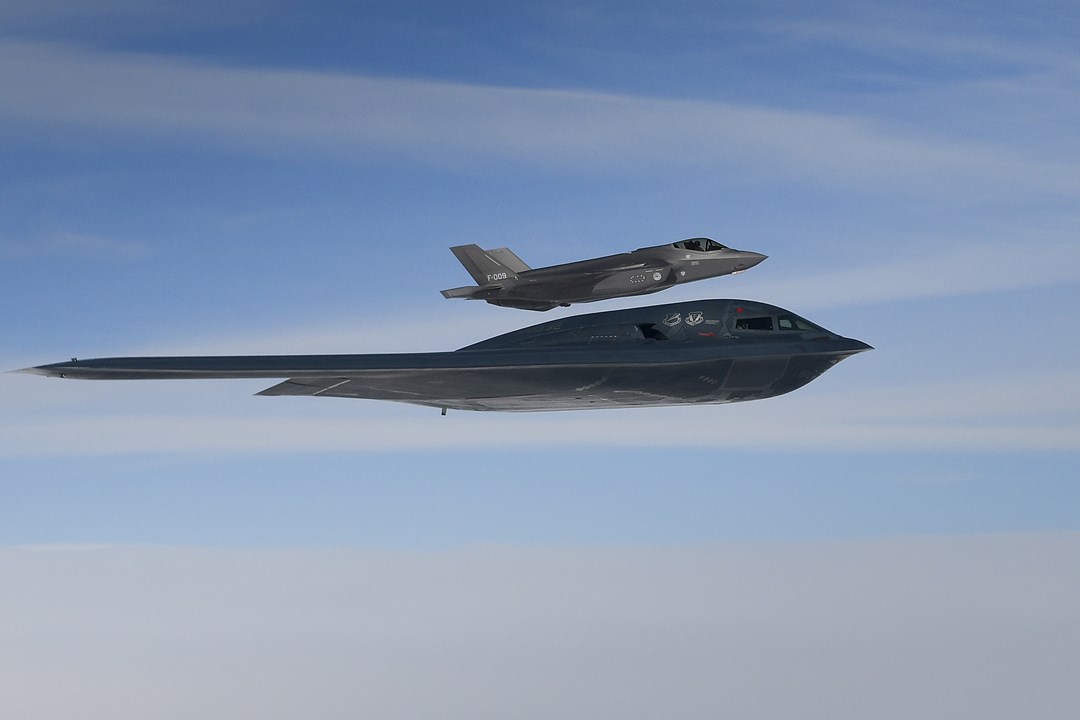
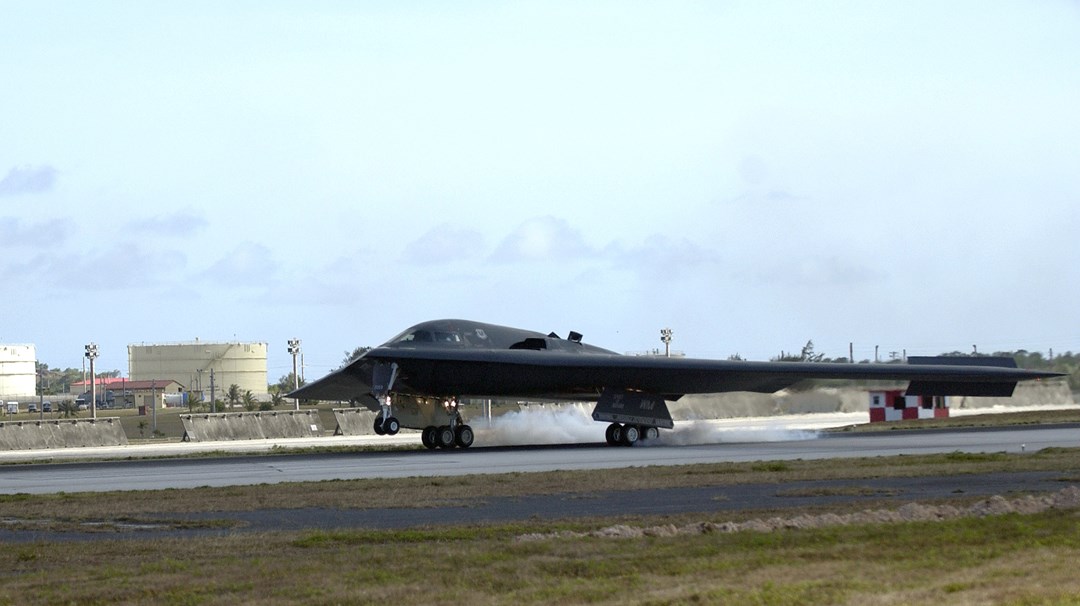
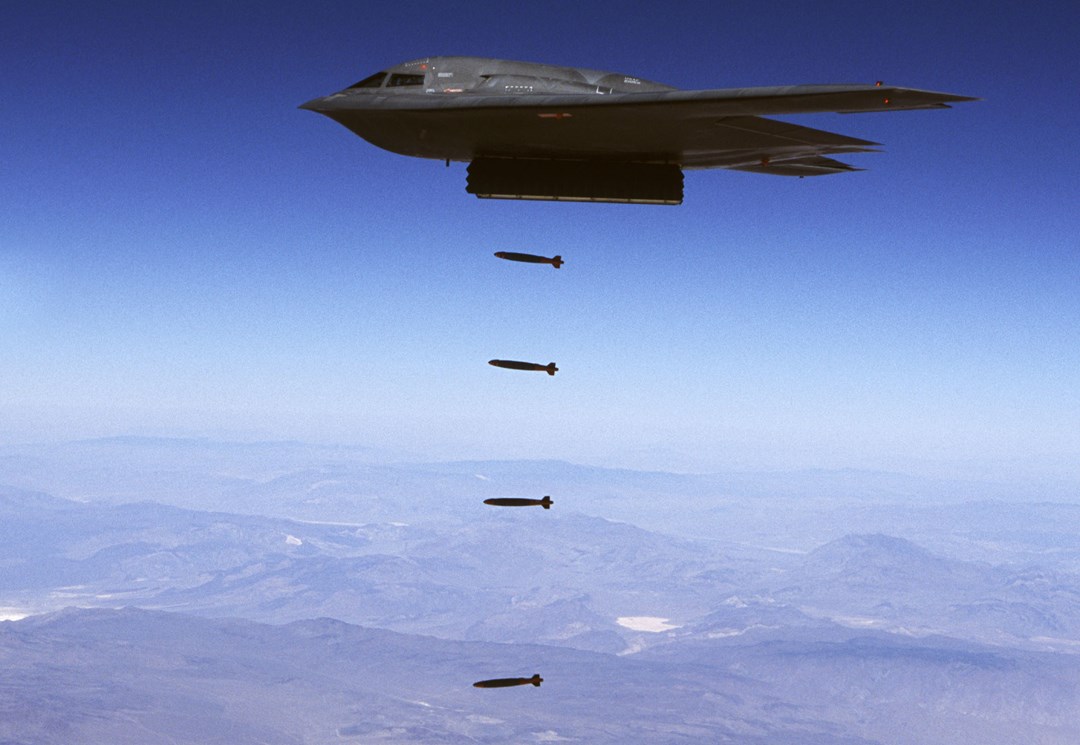
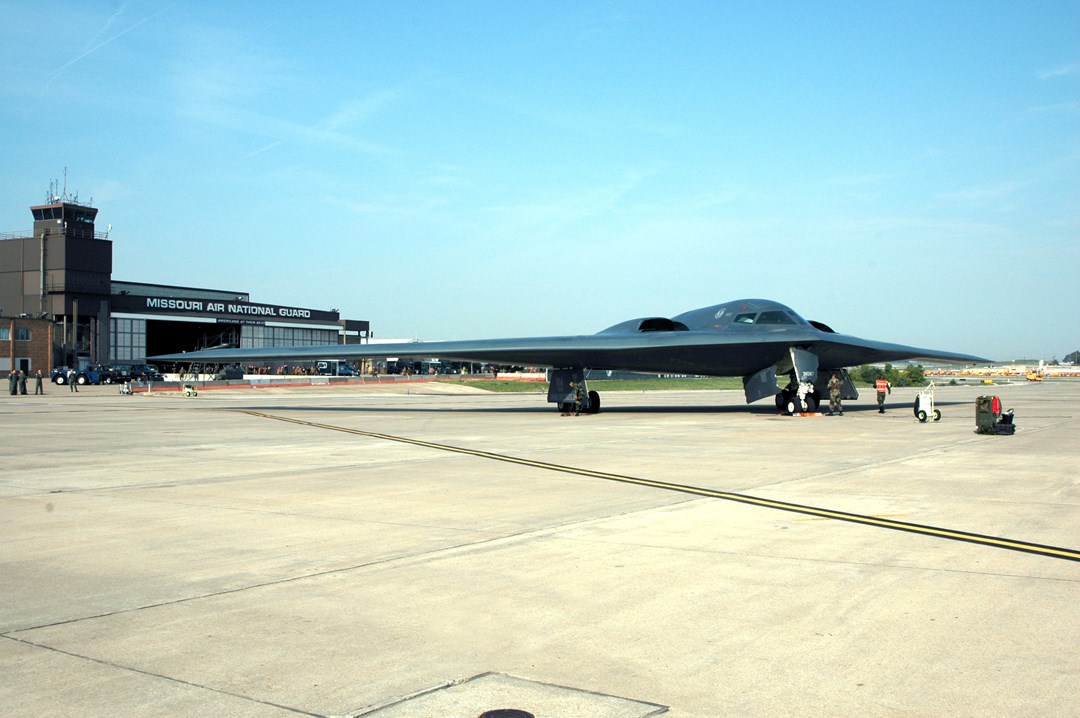
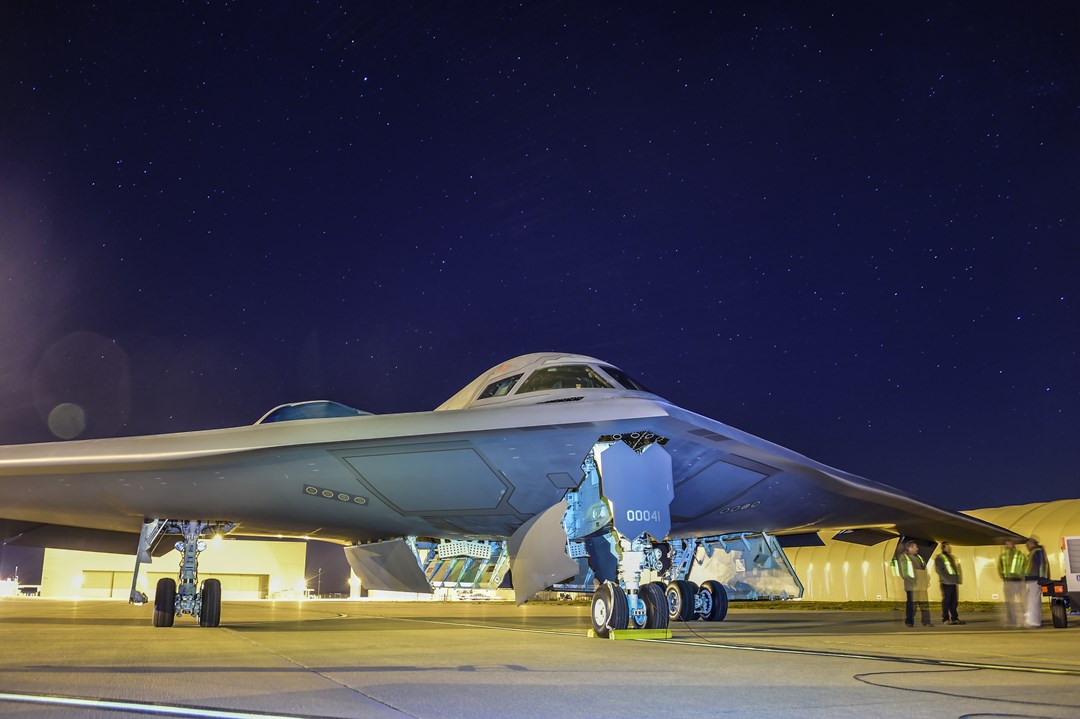
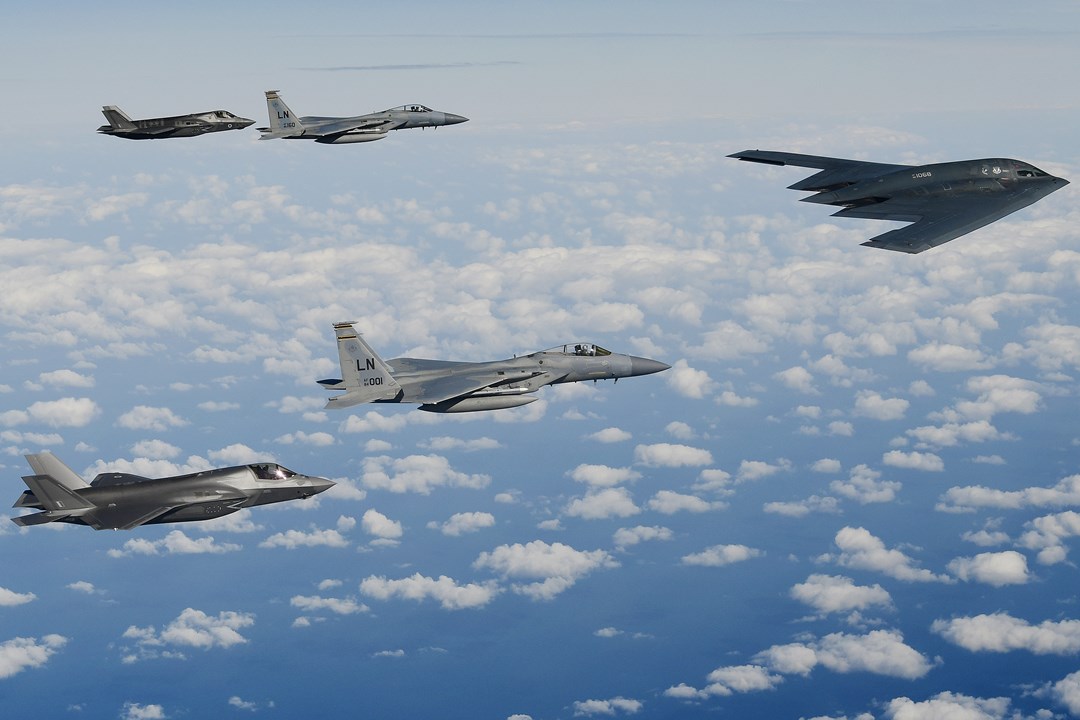
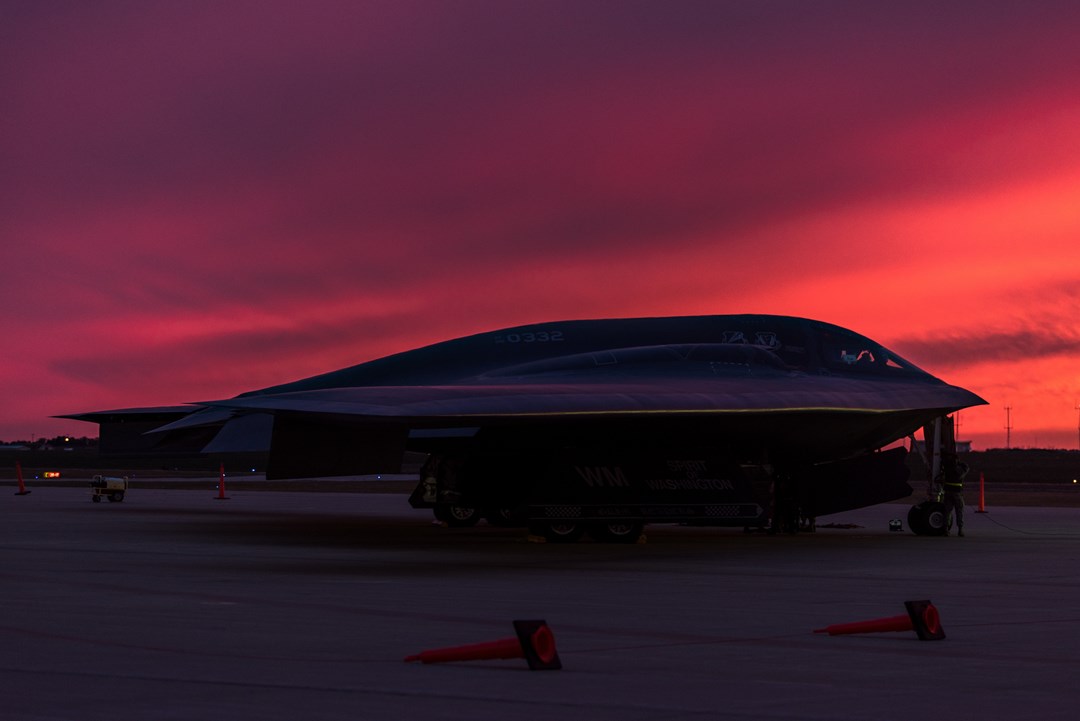
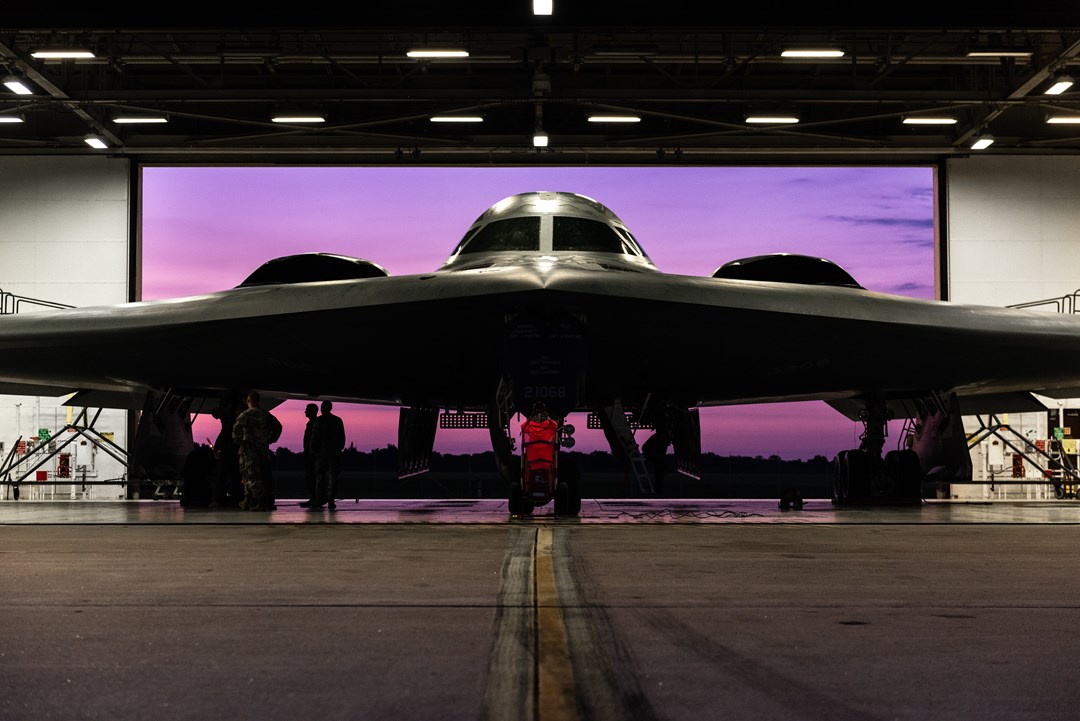
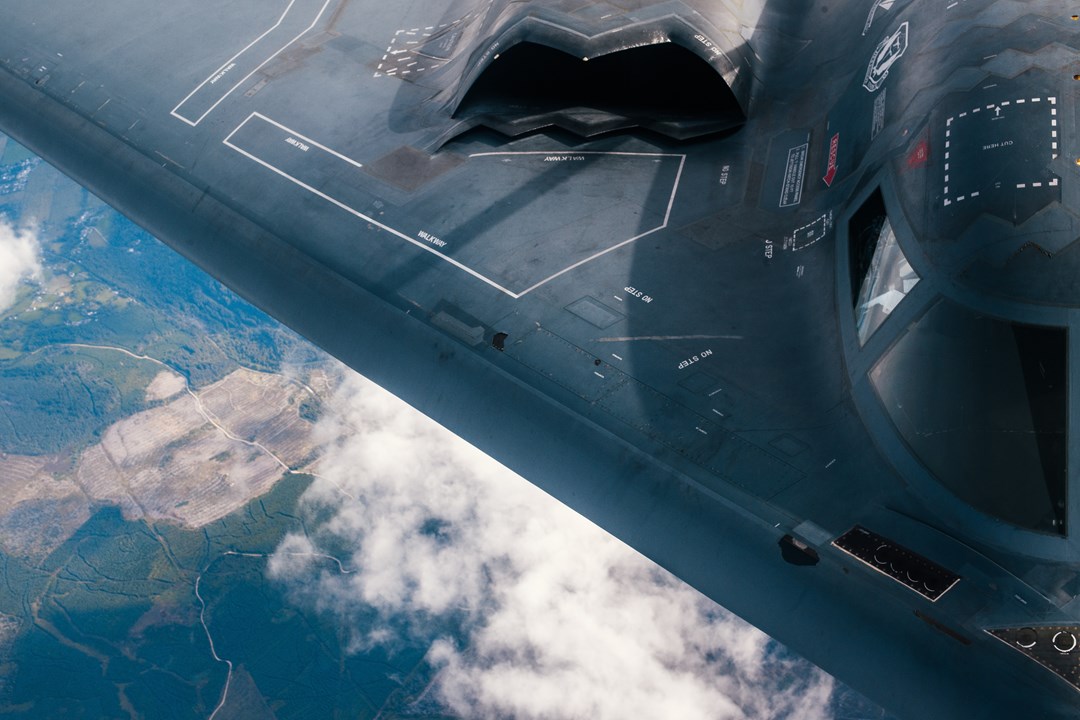
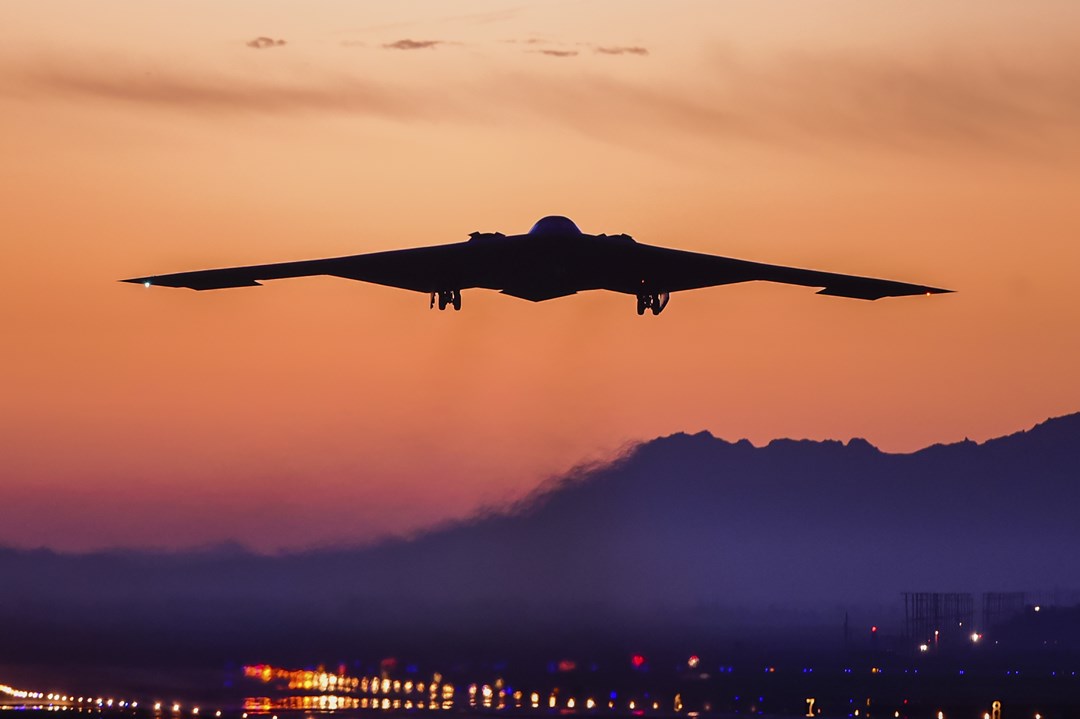
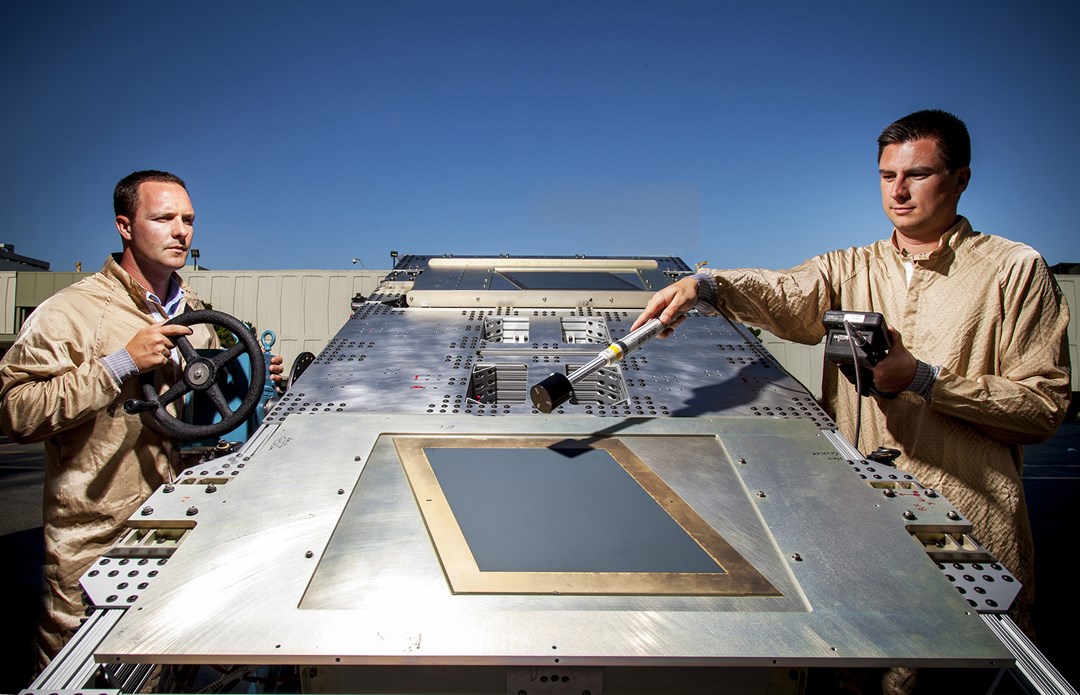
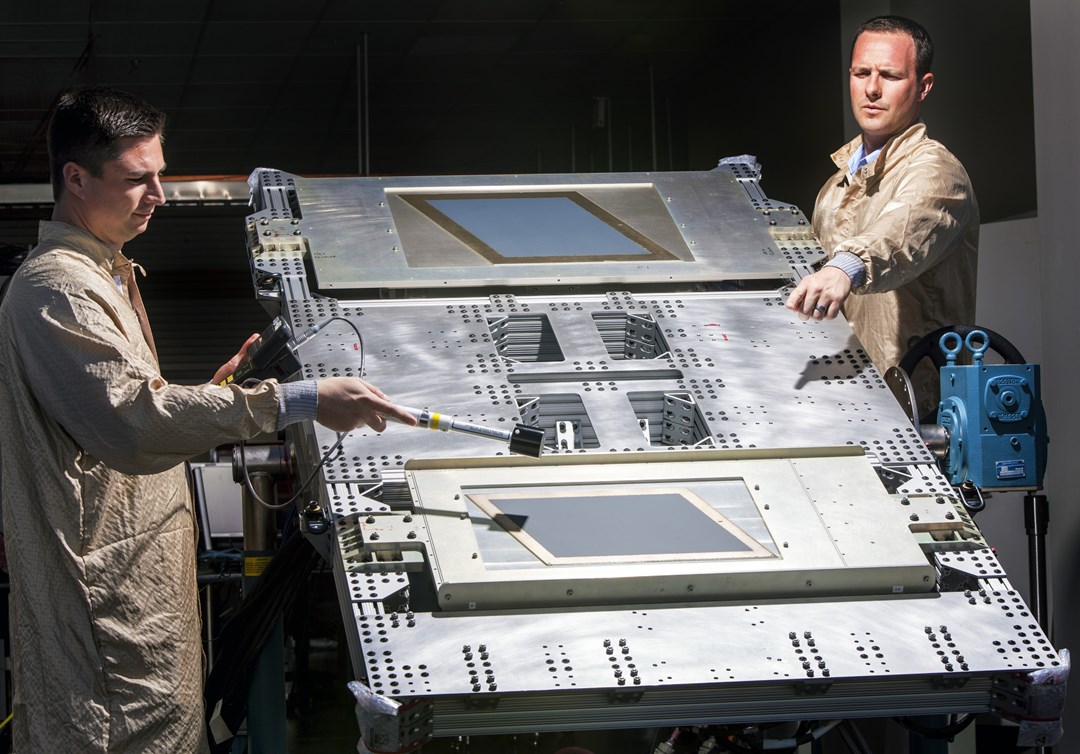
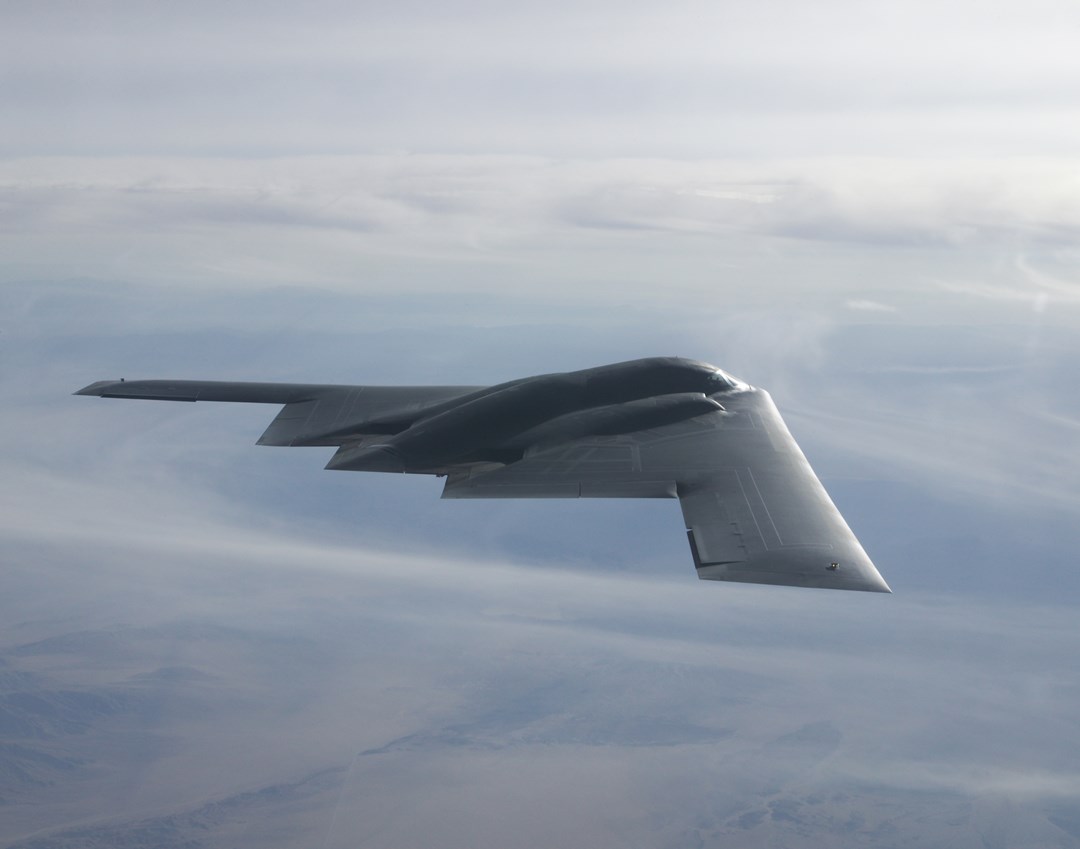
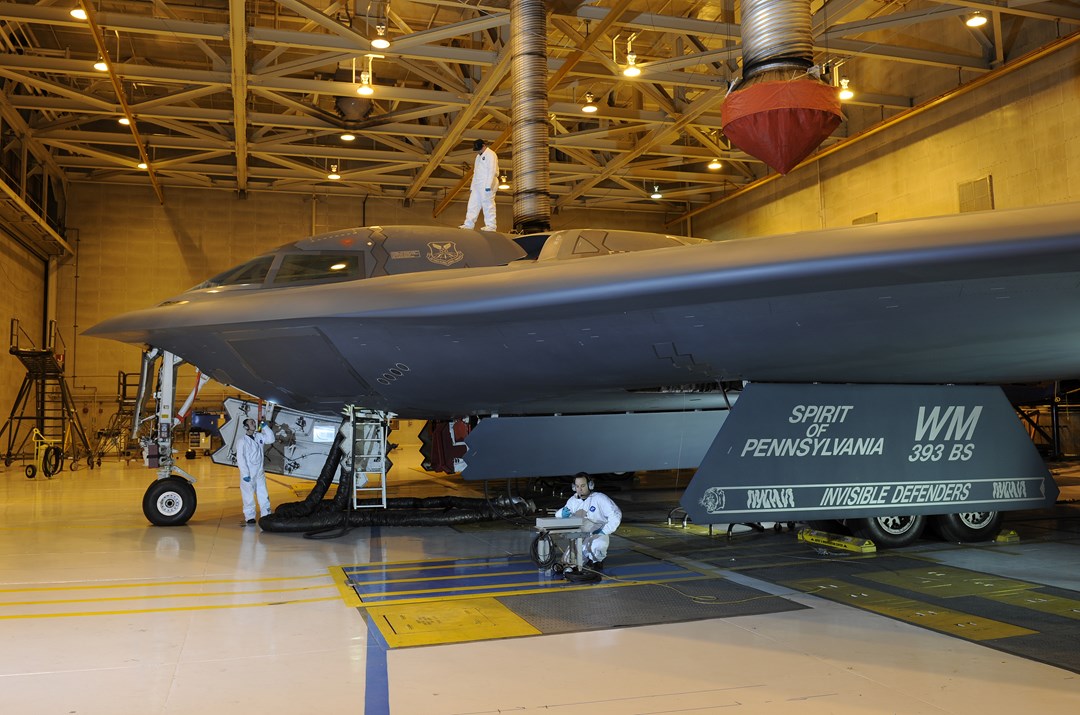
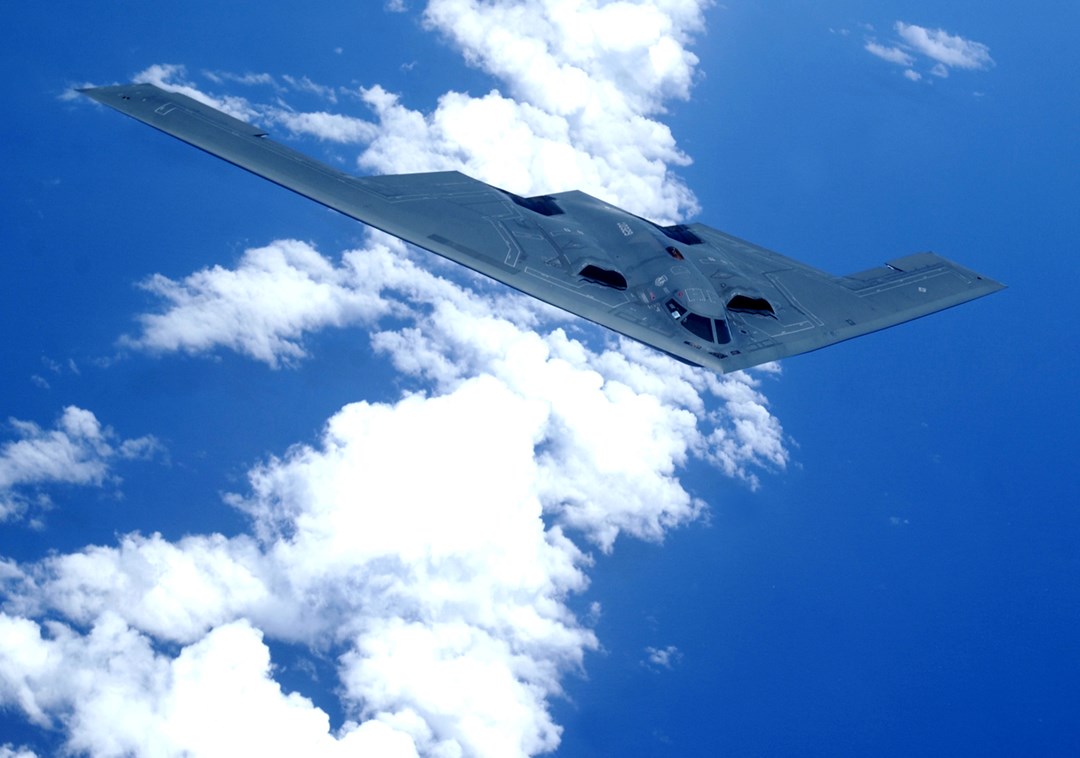
The B-2 is a multi-role, stealth, highly survivable, subsonic, long range bomber capable of delivery both conventional and nuclear weapons. The B-2 brings massive firepower to bear anywhere on the globe, even on areas protected by sophisticated air defenses. The cornerstone of the B-2's power is its stealth airframe which makes possible to penetrate the most sophisticated known air defenses and destroy the most valuable targets with high precision. An stealthy airframe also means the capability to fly ever at high altitude avoiding the low-altitude penetration flight and its aerodynamics restrictions optimizing B-2's range. The B-2 bomber unrefueled range is approximately 6,000 nm and 10,000 nm with one refueling. B-2 bomber low-observability also includes Infrared, acoustic, electromagnetic and visual signatures as well as radar cross section (RCS). These features make B-2 one of the most survivable military combat aircraft ever built. The crew of a B-2 bomber comprises 2-man, a mission commander and the pilot. According to Pentagon sources, a single B-2 has the combat power of 75 non-stealthy aircraft. The B-2s are assuming a conventional strike role instead of the strategic, and will be present in future military campaigns playing a vital role as they did for the first time over the former Yugoslavia during operation Allied Force in 1999 and most recently over Iraq during operation Iraqi Freedom in 2003. All 21 B-2 bombers are based at Whiteman Air Force Base in Missouri. On September 9, 2004, Northrop-Grumman as prime contractor and Raytheon were awarded a $388 million contract by the US Air Force to develop and demonstrate an Active Electronically Scanned Array (AESA) antenna for the B-2 stealth bomber as the phase two of the B-2 radar modernization program. The total cost of this program is valued at approximately $900 million with the share of Raytheon valued at $600 million, according to Northrop-Grumman. The B-2 radar system modernization program, which started in 2002, is aimed at improving overall radar and B-2 aircraft performance while resolving concerns involving commercial radio frequency incompatibility with the current B-2 radar system. Up to six new radar systems are planned to be produced and tested aboard the Spirit, before to enter low and full rate production of the AESA antenna featuring more than 2,000 Transmitter/Receiver (T/R) modules. The existing B-2A Spirit fleet should be retrofitted with the new AESA antenna by 2011. In August 2005 Northrop-Grumman released that preliminary integration work of Link-16 communications on the US Air Force B-2 aircraft was being conducted in California prior to integration into operational aircraft later in 2005. Link-16 digital transmission system was aimed at providing B-2 platform with network-centric environment capability, a key enabler for 21st century warfare. In March 2006 Northrop Grumman completed integration work of the Smart Bomb Rack Assembly (SBRA) onto the US Air Force B-2 Spirit fleet following delivery of the 54th rack assembly to the Air Force's 509th Bomb Wing at Whiteman Air Force Base, Missouri. SBRA development contract worth $131 million was issued in 2001 and involved both hardware and software modifications and delivery of nine modified racks. The conversion contract for an additional 45 racks was awarded in 2003 and was valued at $31.7 million. Equipped with SBRA each B-2 stealth bomber is able to carry as many as 80 GBU-38 JDAMs. In August 2006 Whiteman Air Force Base, Missouri, had received four B-2s fitted with the new low-observable outer coating known as alternate high frequency materials or AHFM. With AHFM coating B-2's surface panels can be removed and reinstalled with minimal amount of coating needing restoration.
deagel.com: https://www.deagel.com/x/x/a000551