Hawk
Hawk


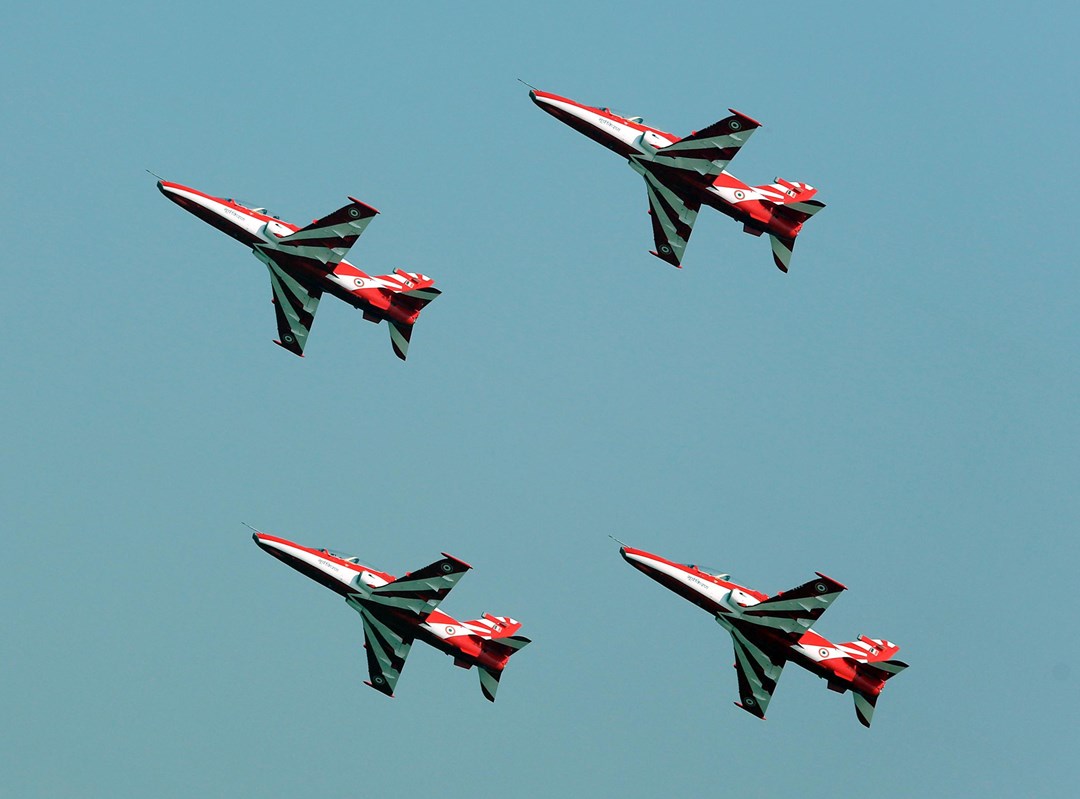


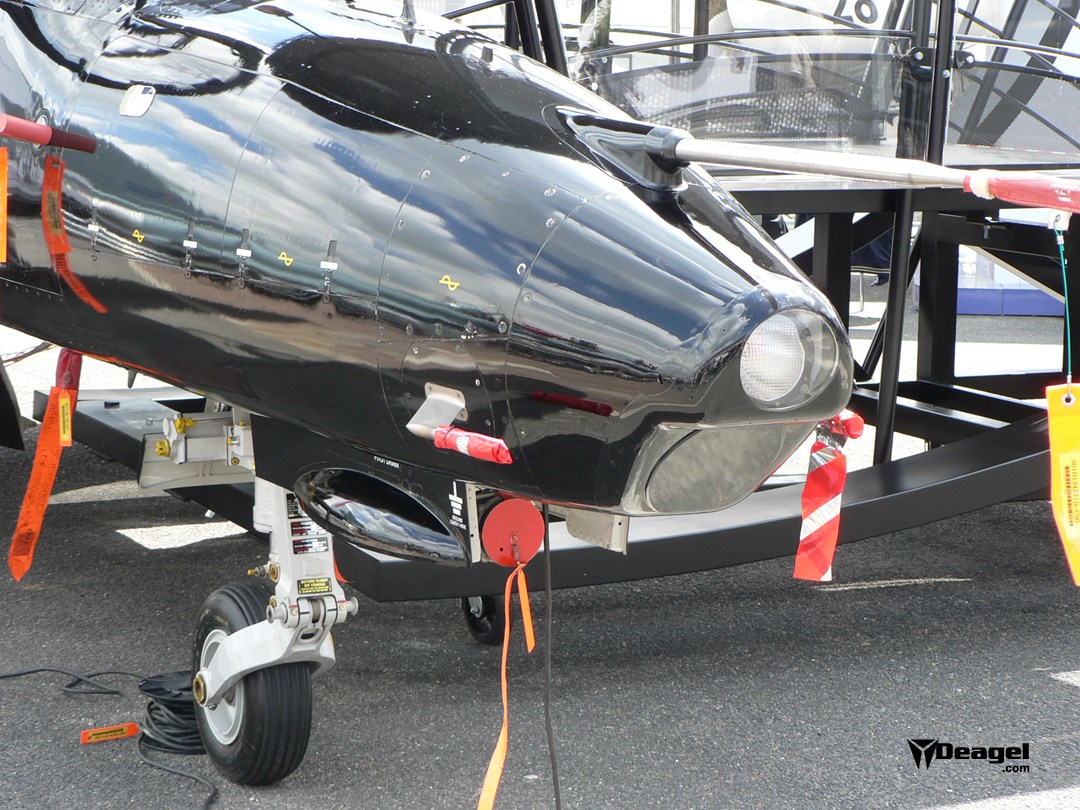


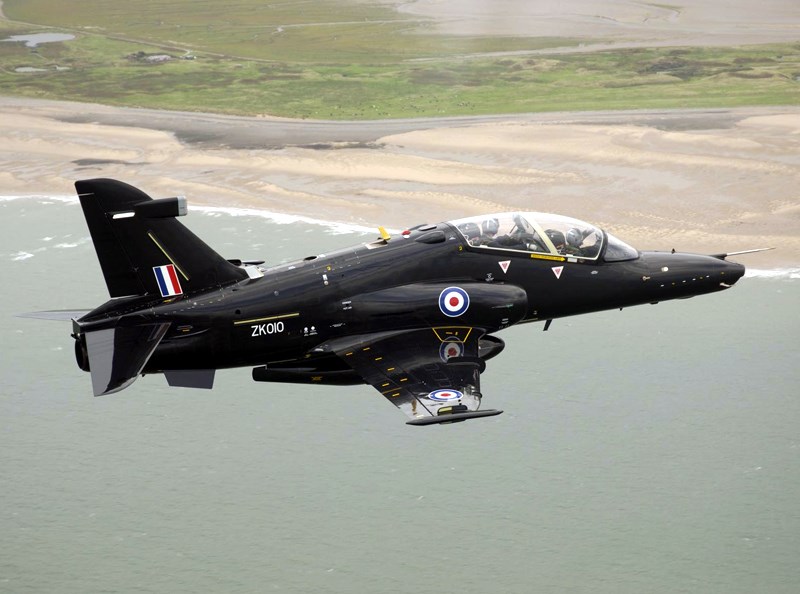
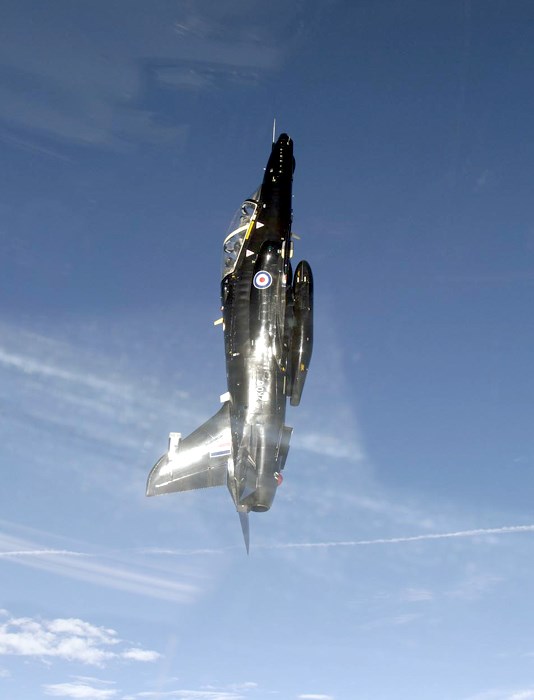

BAE Systems Hawk is a two seat, single-engine advanced jet trainer developed to meet the requirements of the Royal Air Force (RAF). Over 900 aircraft for more than17 international customers worldwide have been produced since the first Hawk delivery in 1976. Hawk aircraft series are powered by one Rolls Royce Turbomeca Adour 861/871 turbofan engine which provides up to 6,000 pounds of thrust. New production Hawks would be powered by Adour 951 featuring increased thrust, Time Between Overhaul and dual FADEC. In addition to its training role, Hawk can be outfitted with bombs, gun pods and missiles allowing air defense and light attack roles. Hawk T.1 was the initial model ordered by the RAF in the 1970s. T.1A and T1.W were variants introduced in the 1980s which added the ability to carry AIM-9 missiles and underwing payloads. Hawk Mk 50 or Hawk 50 was the first export model which was followed by Hawk 60 equipped with a more powerful Adour 861 turbofan engine. Hawk 100 was the ultimate development of Hawk trainer. Hawk 100 series features Adour 871 turbofan engine and enhanced ground attack capabilities similar to those of modern front-line strike aircraft as well as state-of-the-art cockpit. Australian Hawk 127 was equipped with Onboard Oxygen Generation System (OBOGS) and in-flight refueling probe. Hawk 200 is a single-seat, single-engine, radar-equipped, lightweight multi-role combat aircraft derived from Hawk 100. It provides comprehensive air defense and ground attack capabilities. Hawk 100 and 200 aircraft are equipped with radar warning receiver (RWR), FLIR, laser range finder, and chaff and flare dispensers. Moreover, Hawk 200 features APG-66M multi-mode pulse Doppler radar and In-Flight Refueling (IFR) probe. Its weapon options include Maverick, laser-guided bombs, AIM-9 air-to-air missiles, etc. Hawk 200 entered service in 1993 with the Air Force of Oman. To date, Hawk trainers have been sold to Australia (Hawk 127) under Hawk Lead-In-Fighter (LIFT) program, Bahrain (Hawk 129), Canada (Hawk 115), India (Hawk 100), Indonesia (Hawk 200) , Malaysia (Hawk 200), Oman (Hawk 103 and Hawk 200), South Africa (Hawk 120) and the United Kingdom (Hawk T.1 and Hawk 128/Hawk AJT). In 2000 South Africa ordered 24 BAE Systems' Hawk Mk120 jet trainers with 23 aircraft to be assembled locally at Denel's facilities in South Africa. In 2003 Bahrain placed an order for six Hawk 129s powered by Adour 951 turbofan engines. Hawk 129 is an upgraded version of Hawk 127 and is intended to provided to training to F-16 pilots. Aircraft deliveries started in July 2006 and were expected to conclude in December. In September 2003 India selected Hawk 100 as its newest advanced jet trainer with a contract for 66 aircraft. First aircraft deliveries were due in 2007. About 24 aircraft were expected to be manufactured by BAE Systems in the United Kingdom with the remaining 42 aircraft to be assembled by HAL in India. In early 2005, the UK MoD ordered 20 Hawk 128 aircraft with options on additional 24 under Hawk Advanced Jet Trainer (AJT) program. The 20 firm order aircraft were scheduled for delivery to the Royal Air Force beginning in 2008. On 19 October 2006 the MoD signed a production contract worth £450 million with BAE Systems for 28 Hawk 128 jets to provide training for Typhoon and F-35 Lightning II crews.
deagel.com: https://www.deagel.com/x/x/a000755