Pilatus PC-21
Pilatus PC-21
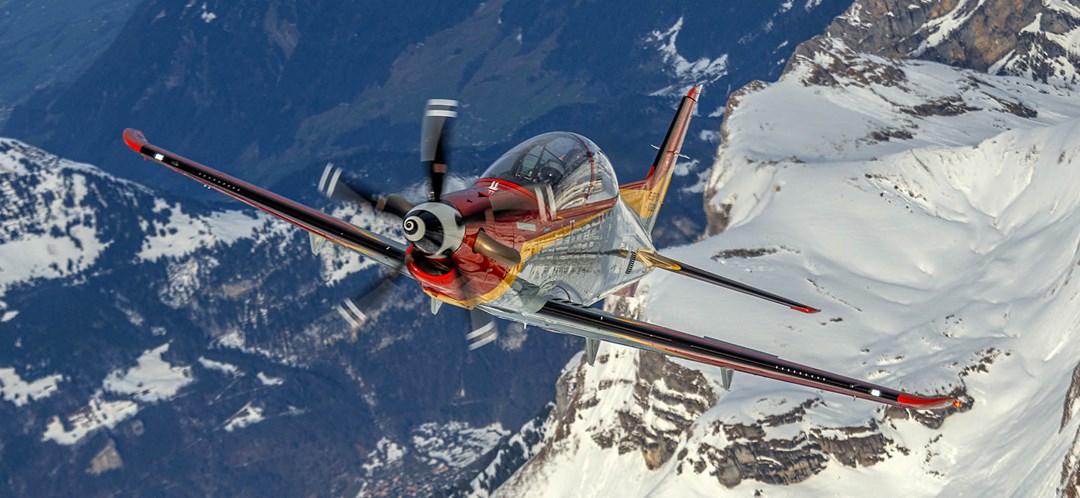
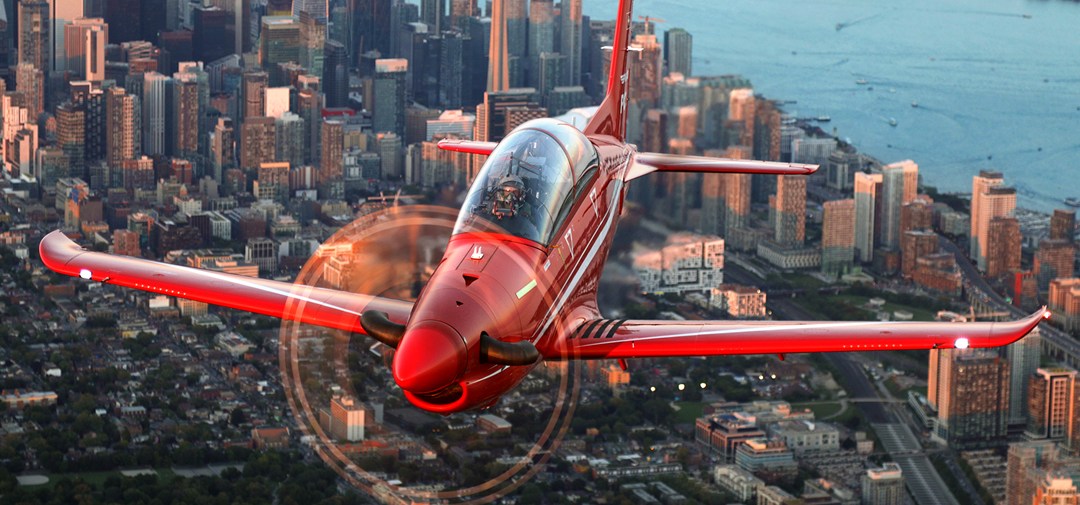
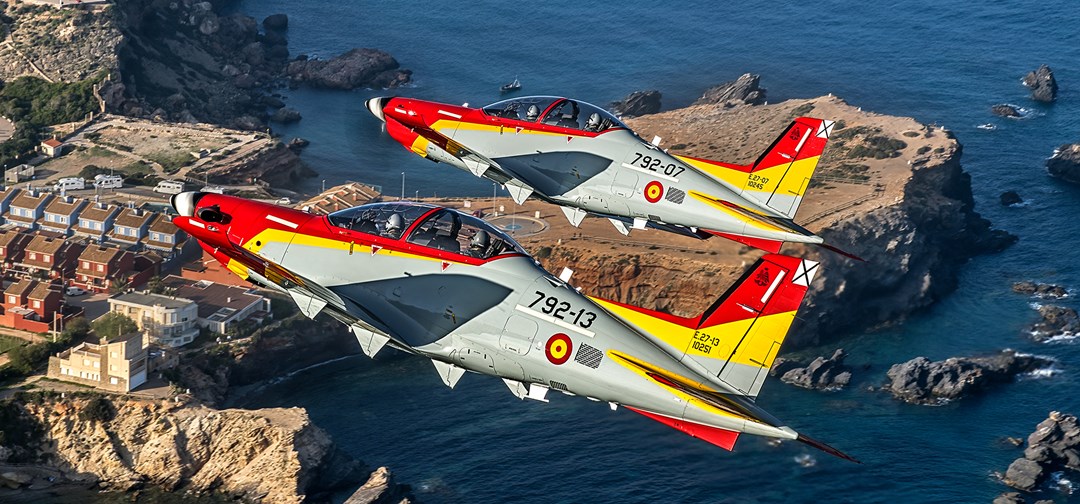
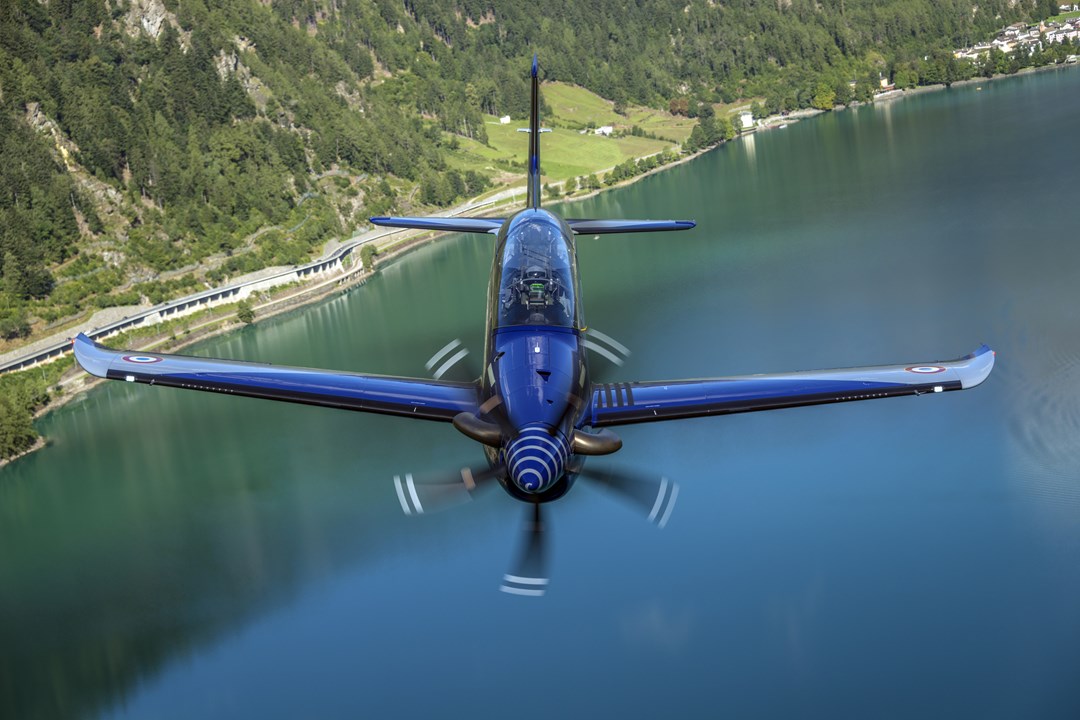
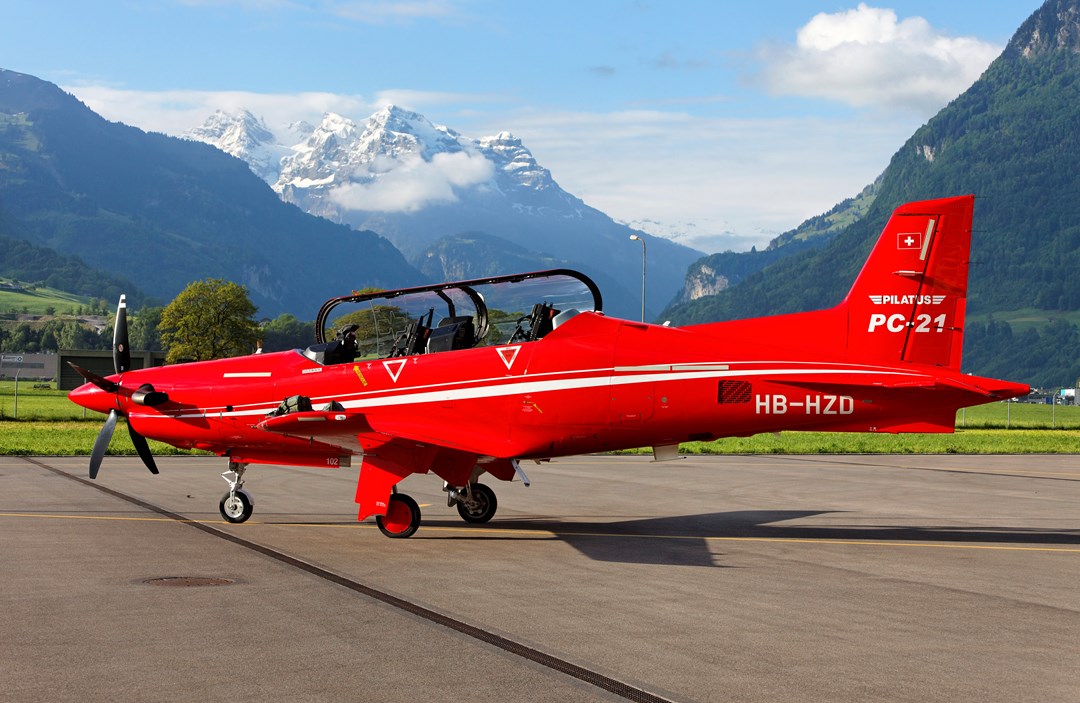
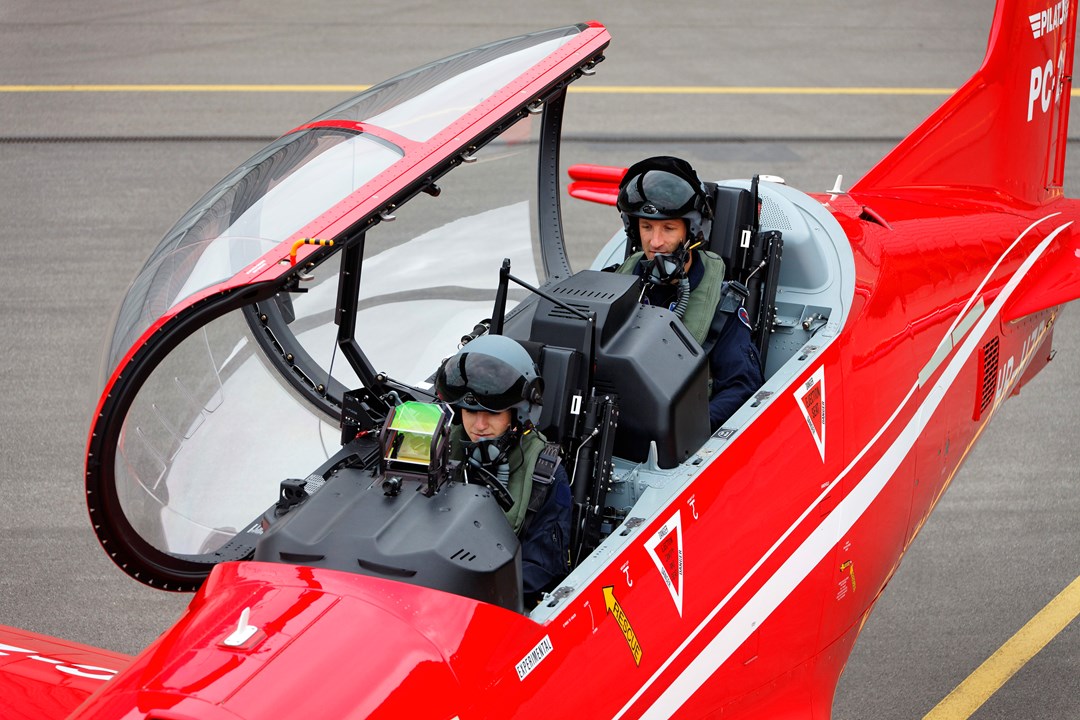
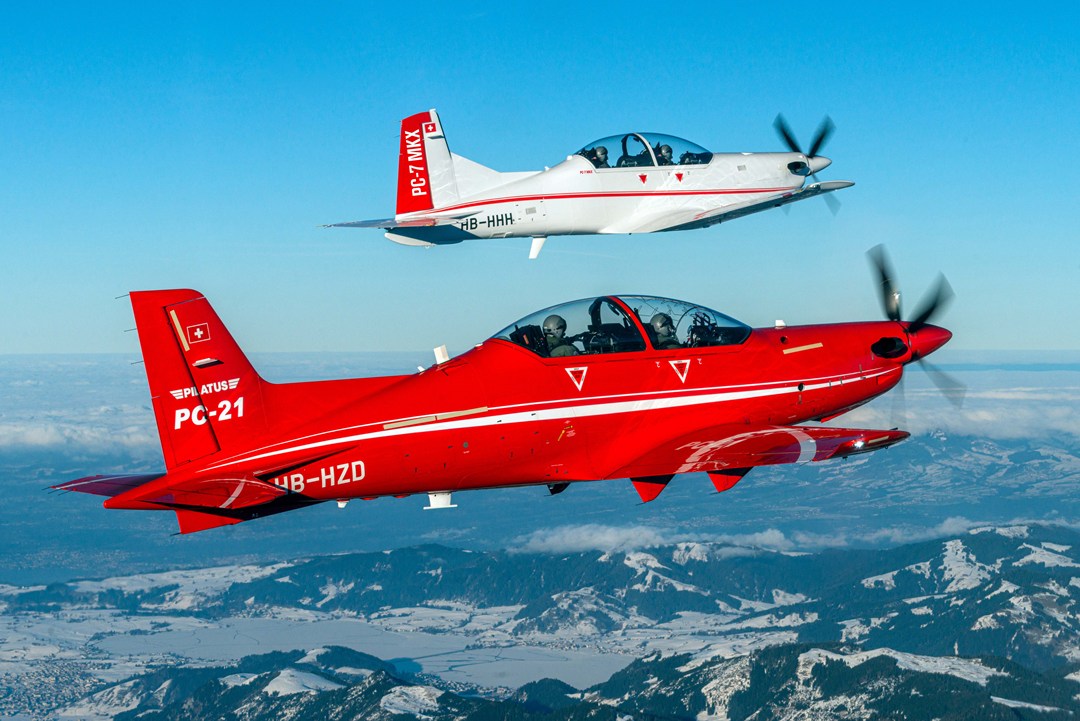
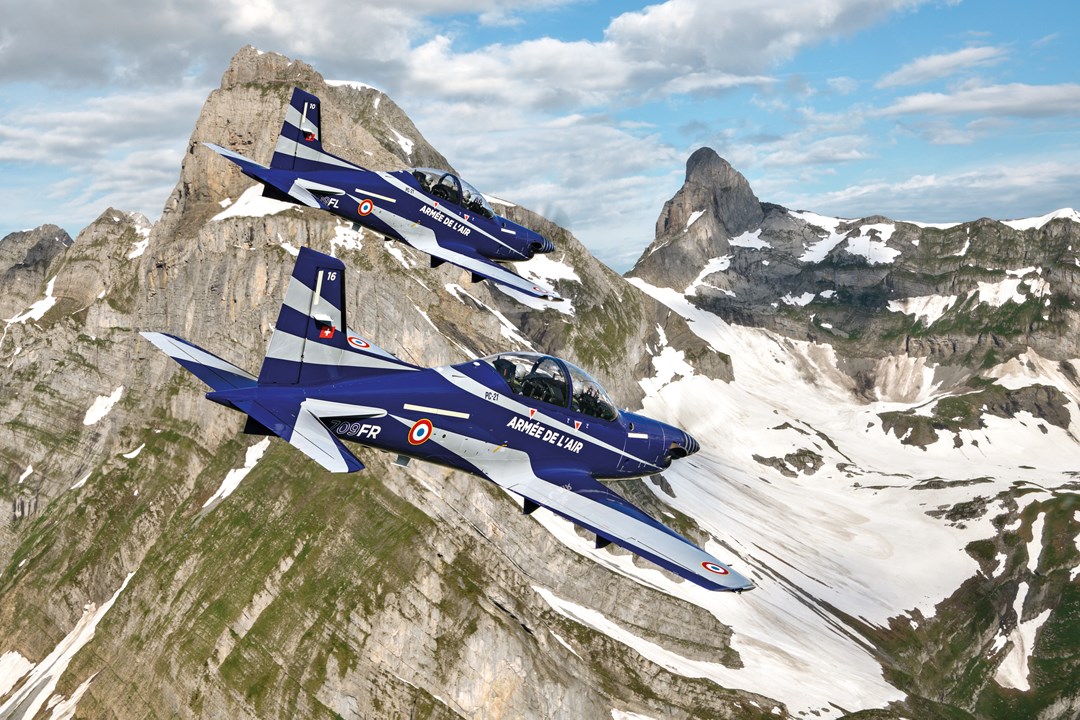
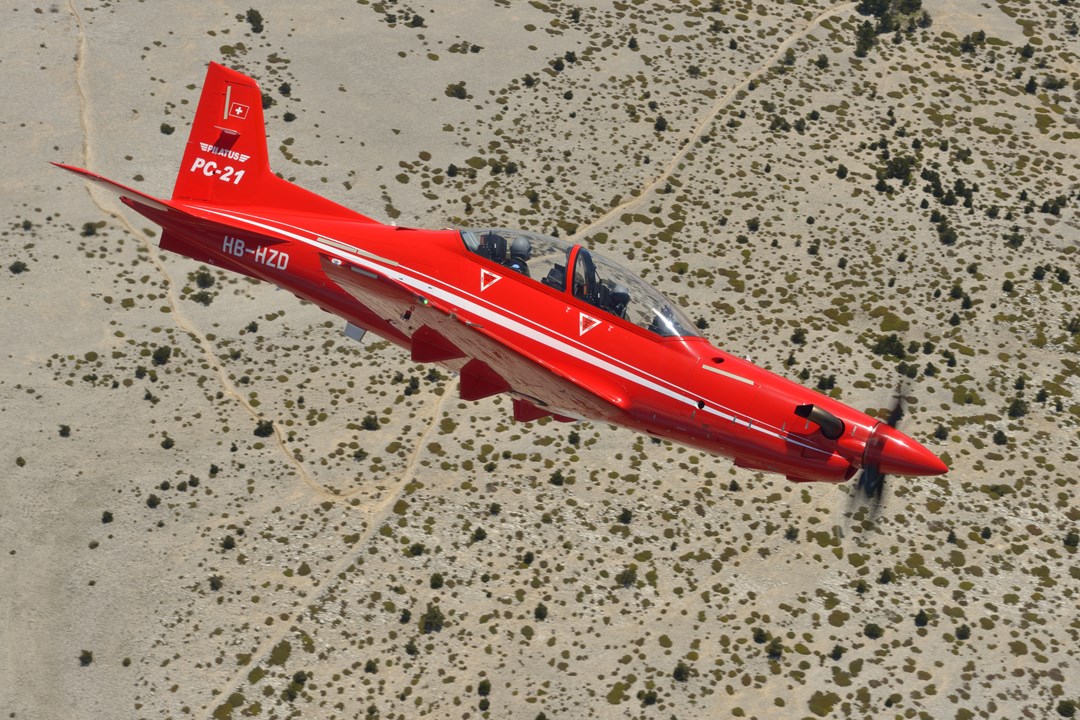
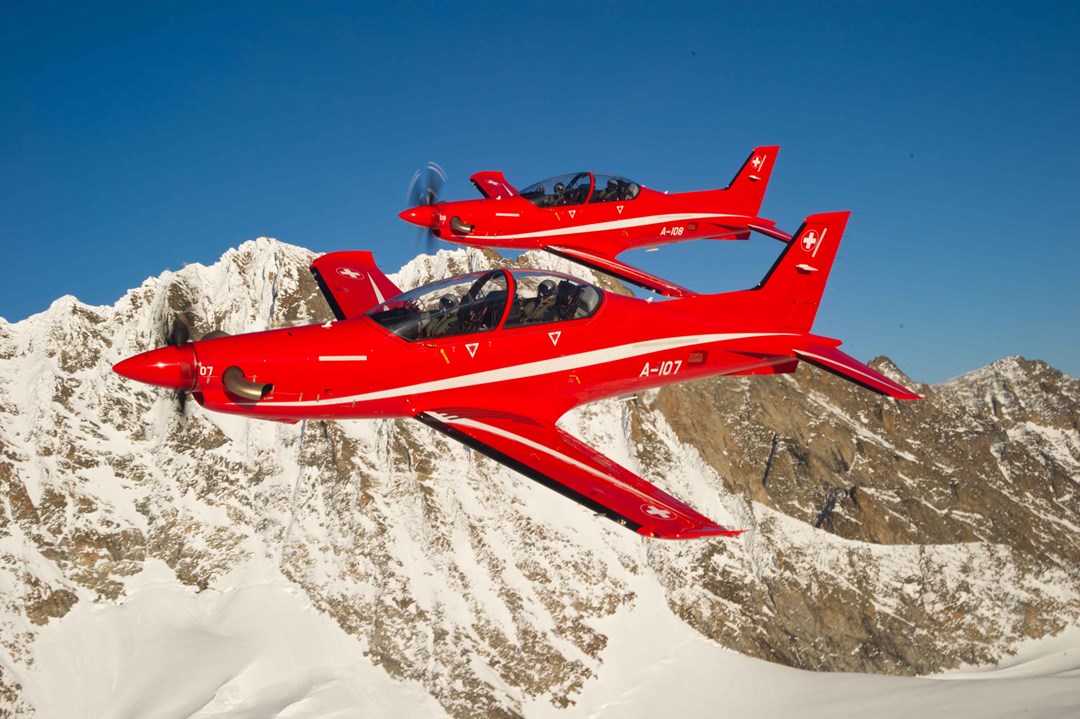
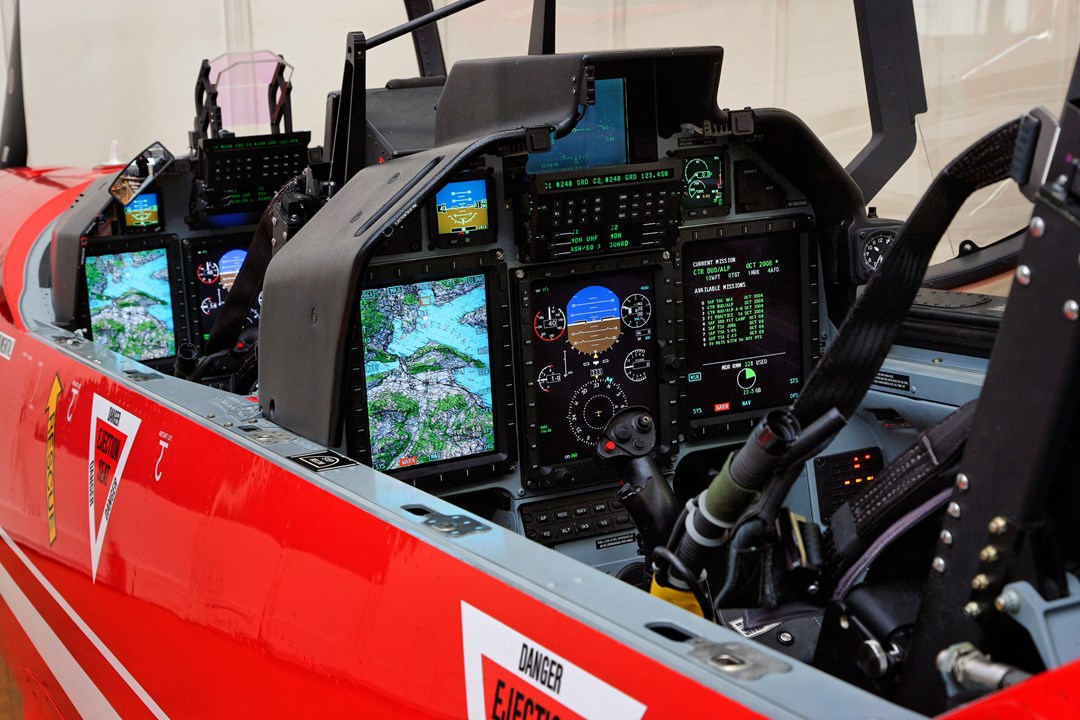
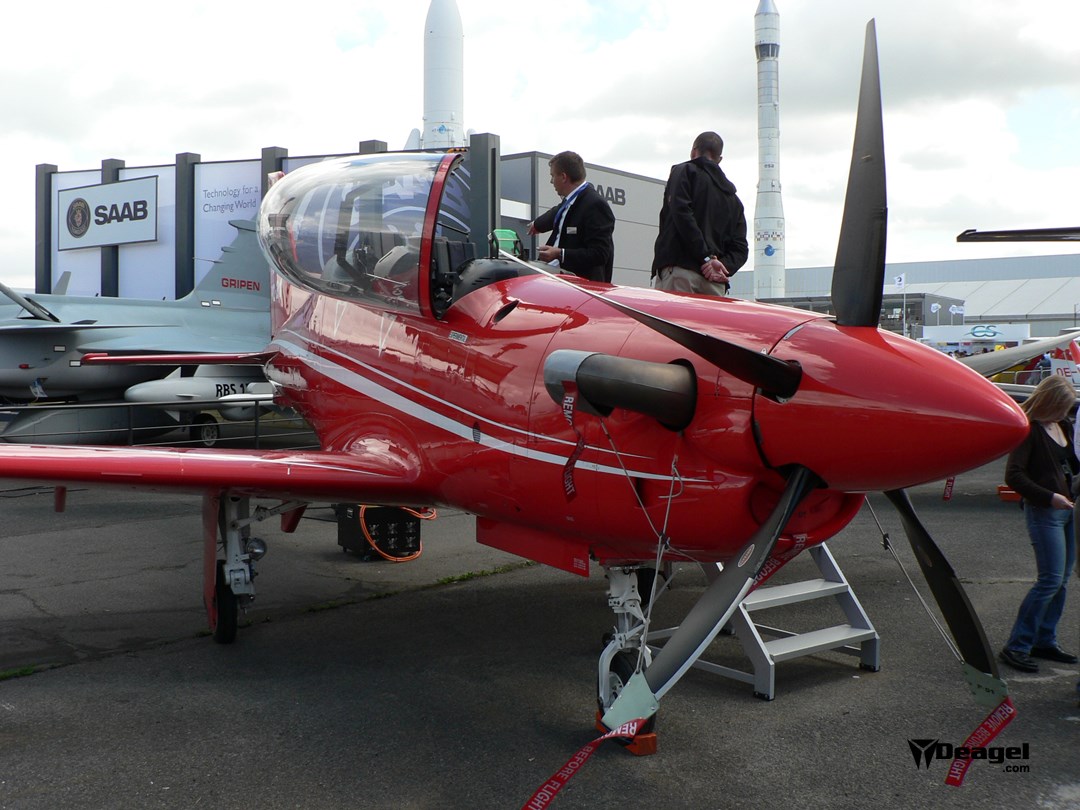
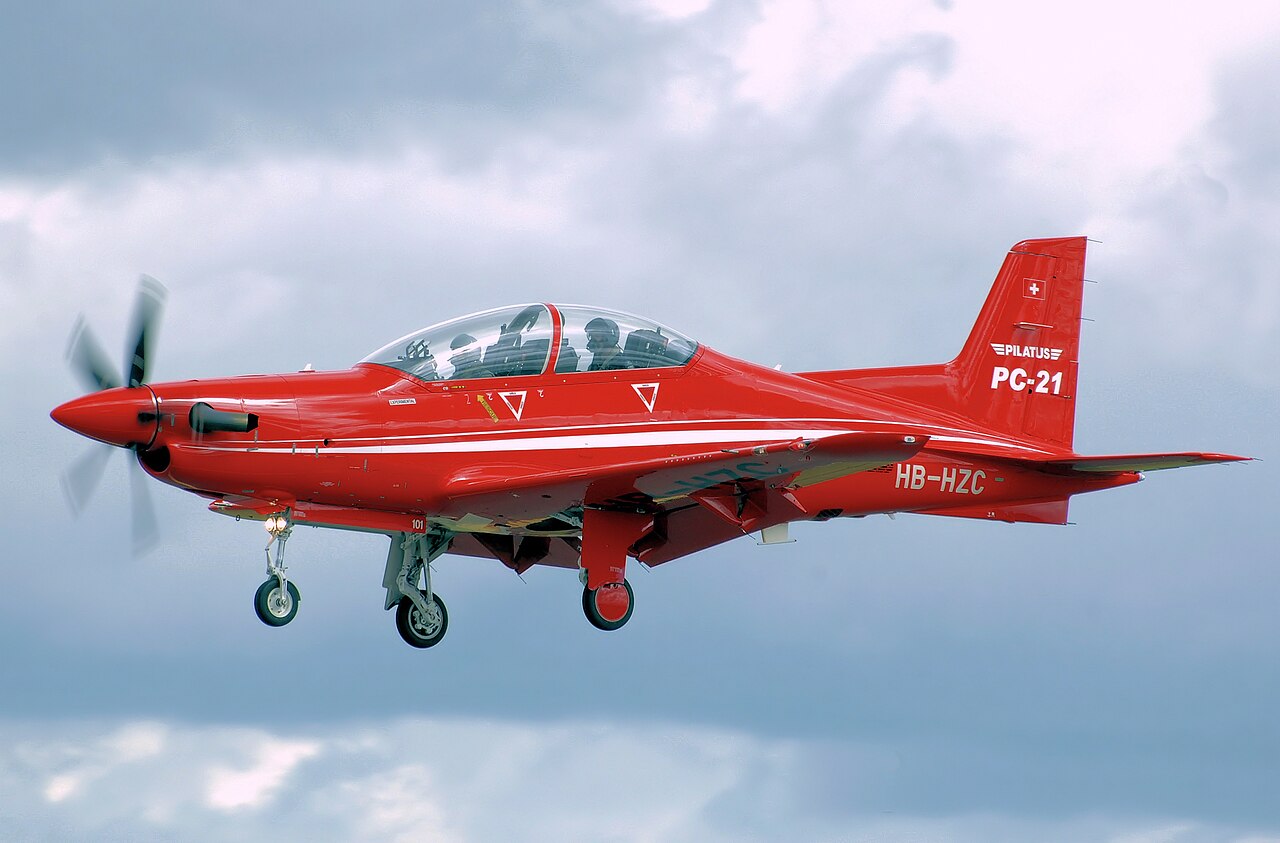
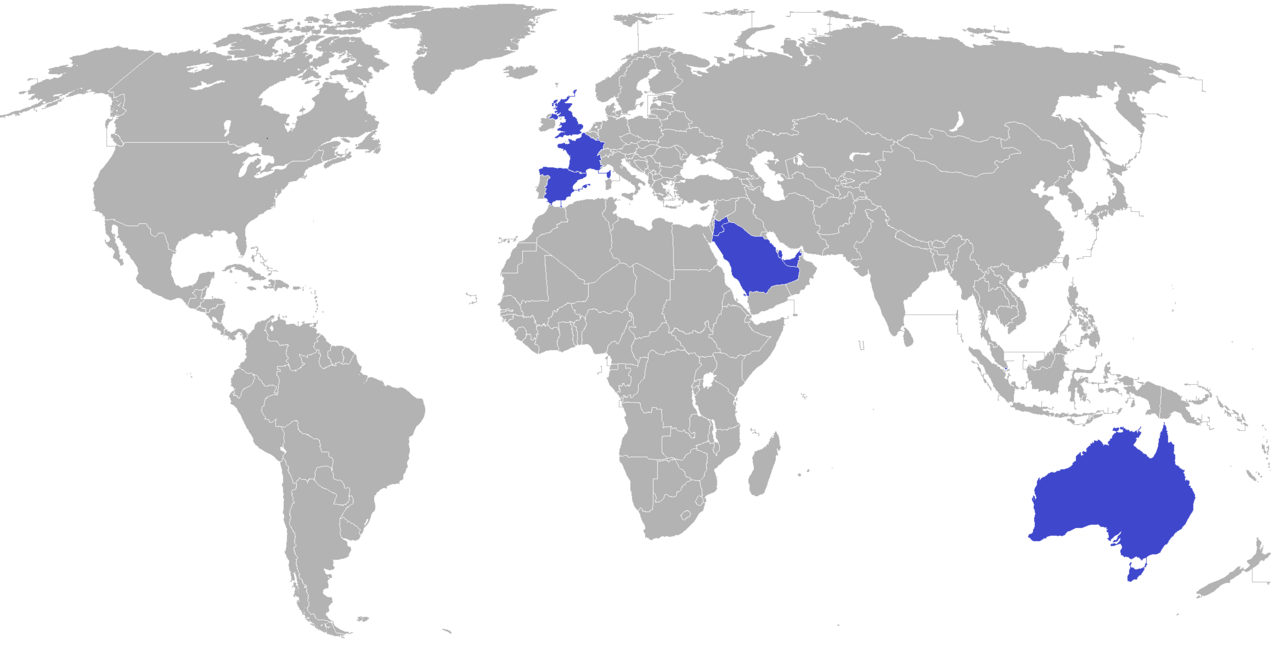


The Pilatus PC-21 is a new tandem tow-seat, low-wing swept monoplane developed by Pilatus Aircraft to meet the requirements of modern air forces over the next 30 years. The project was launched in January 1999 and the first PC-21 trainer was rolled out in 2002. The Swiss Federal Office for Civil Aviation (FOCA) awarded type certification on January 24, 2005. The PC-21 focuses in three areas: superior aerodynamic performance compared with any other turboprop on the market; a complex integrated training system; and a life-cycle costs not to exceed existing turboprop training systems such as PC-7 or PC-9. The resulting trainer is suitable for basic flying training; advanced flying training; and mission system management training in the fighter lead-in role. The Pilatus PC-21 is powered by a single Pratt & Whitney PT6A-68B turboprop rated at 1,600-shp. The engine drives a scimitar five blade graphite propeller. The PC-21 digital engine management system schedules power as a function of airspeed to give jet-like acceleration throughout the speed range and to provide a progressive and controllable power delivery at take-off and in the circuit. Standard equipment includes 0-0 (0 altitude and 0 airspeed) ejection seats, OBOGS, hydraulic ailerons and spoilers, six underwing stations, open architecture digital mission computer, automatic yaw compensation, pressurized refueling, anti-g system, and pressurized, stepped cockpit with birdstrike resistant canopy. The aircraft's structure is made primarily of aluminum and composite material. The cockpit is fitted with large fighter-like LCDs and is compatible with night vision goggles. To date, the Pilatus PC-21 trainer has been selected by the Air Forces of Singapore and Switzerland. The Royal Singapore Air Force (RSAF) ordered 19 PC-21 advanced turboprop trainers on November 3, 2006, as part of a training program which was awarded to Lockheed Martin to be carried out at the Royal Australian Air Force Base Pearce, north of Perth in Western Australia. The Swiss Air Force ordered six PC-21s (JEPAS PC-21) in January 2007 to provide training in support of the F/A-18C/D aircraft. First delivery was due by the end of 2007 with the training course expected to commence in March 2008.
deagel.com: https://www.deagel.com/x/x/a002045 Wikidata (https://www.wikidata.org/wiki/Q680060)