X-37B
X-37B
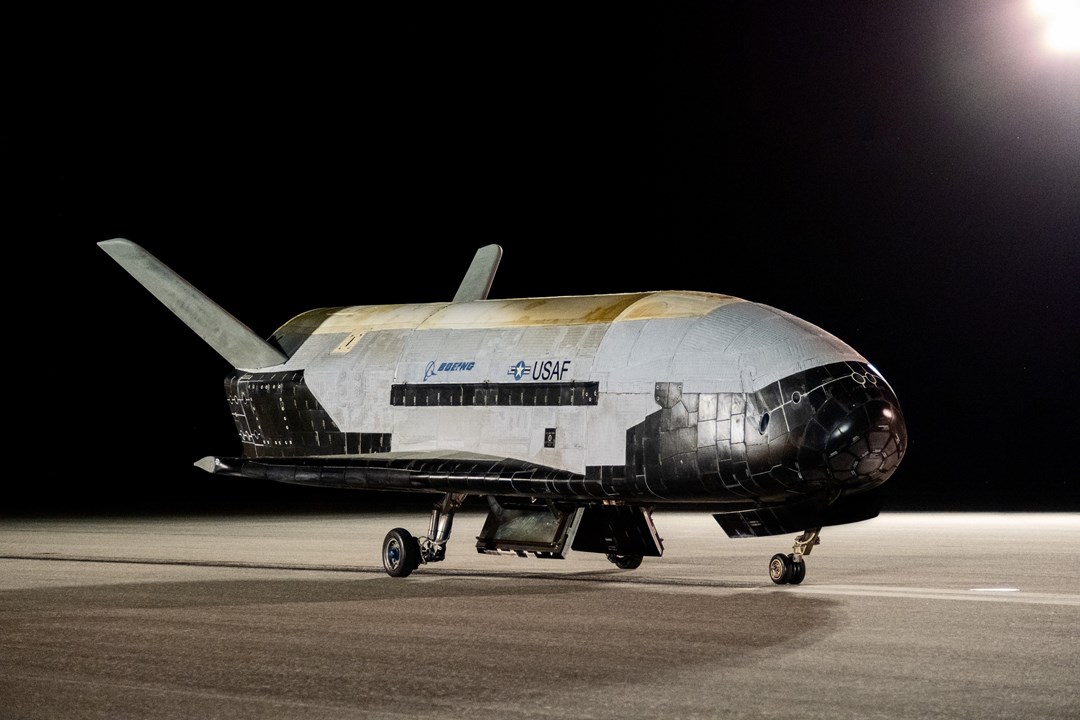
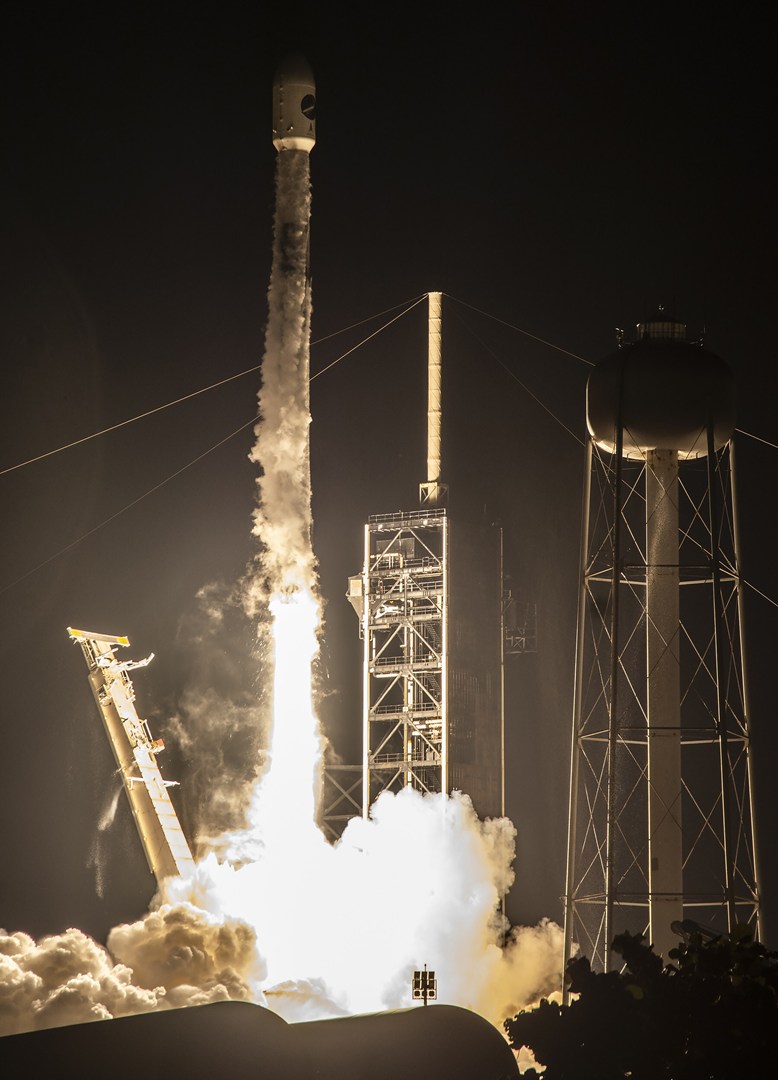
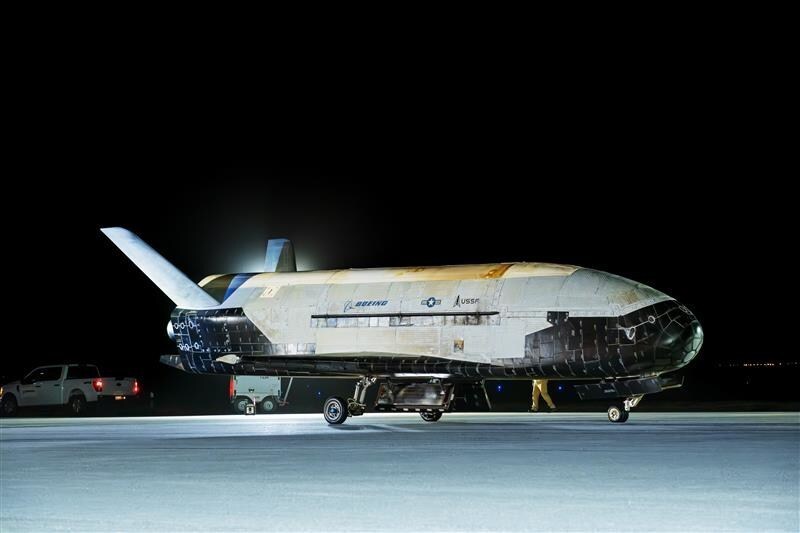
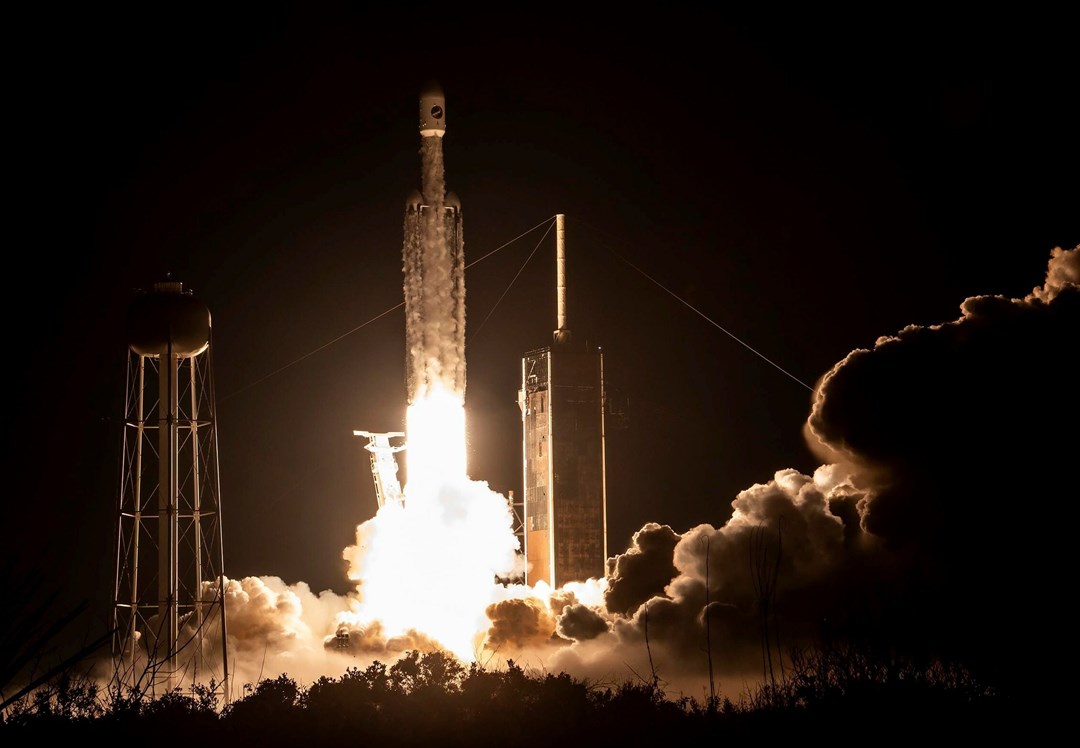
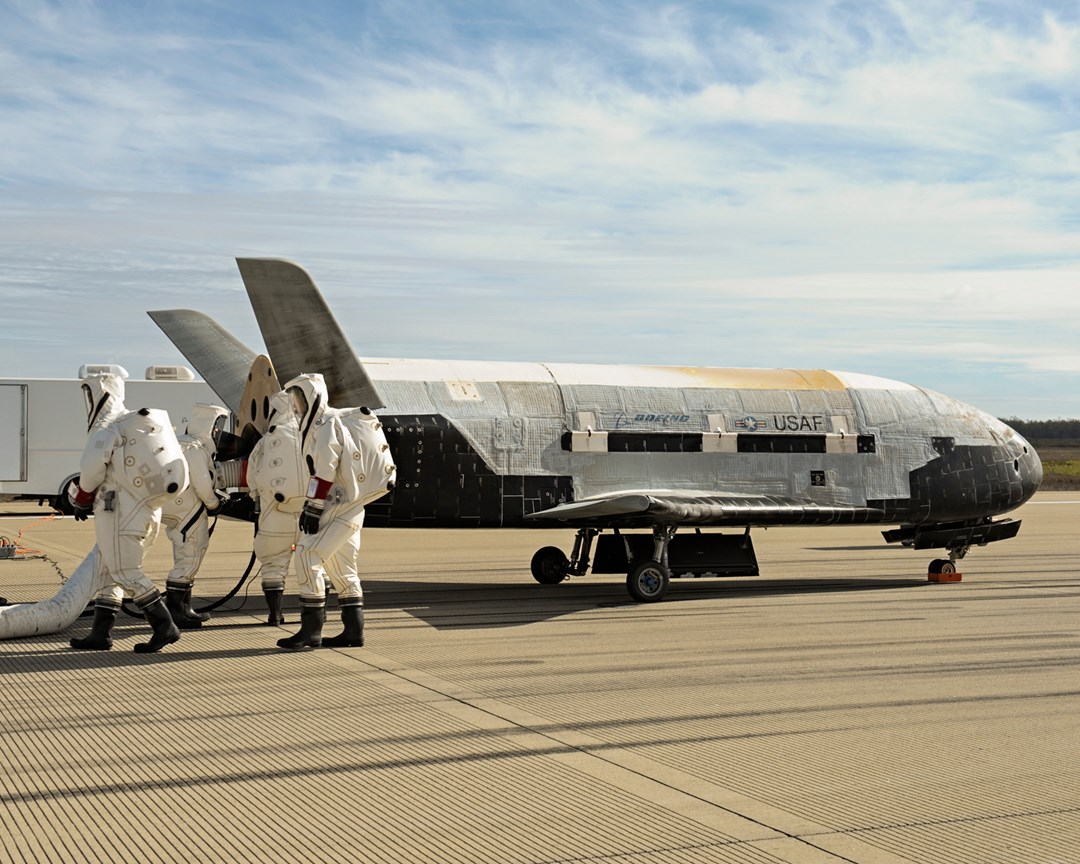
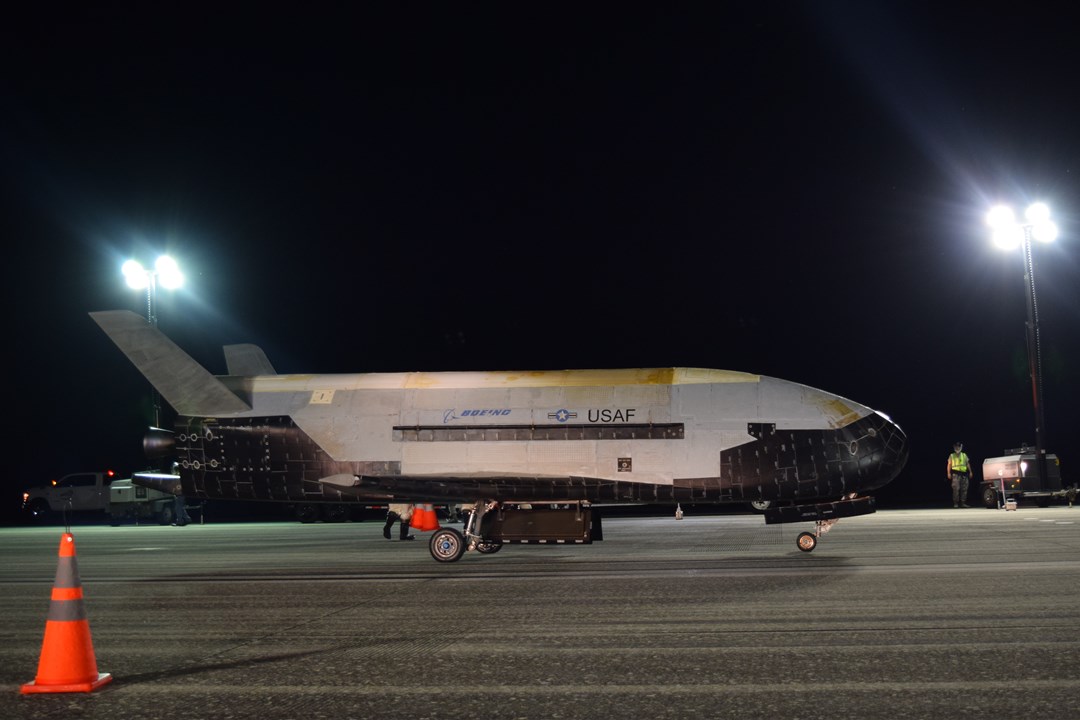
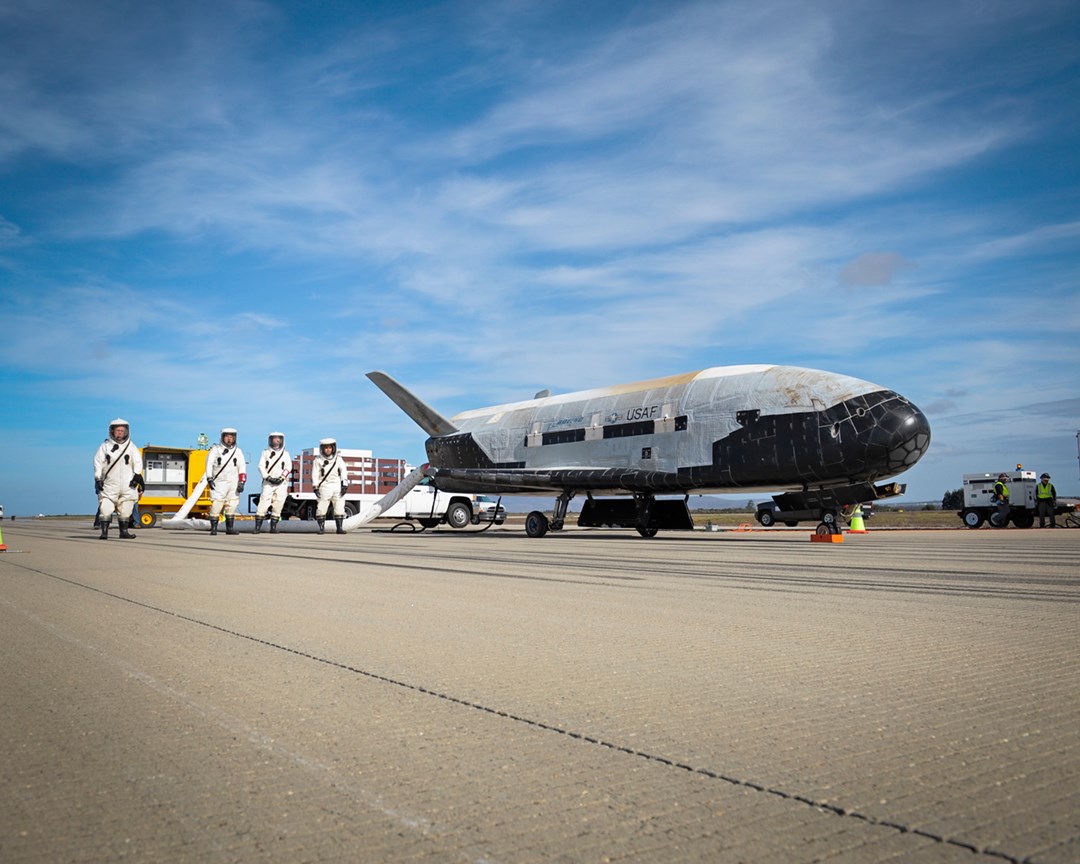
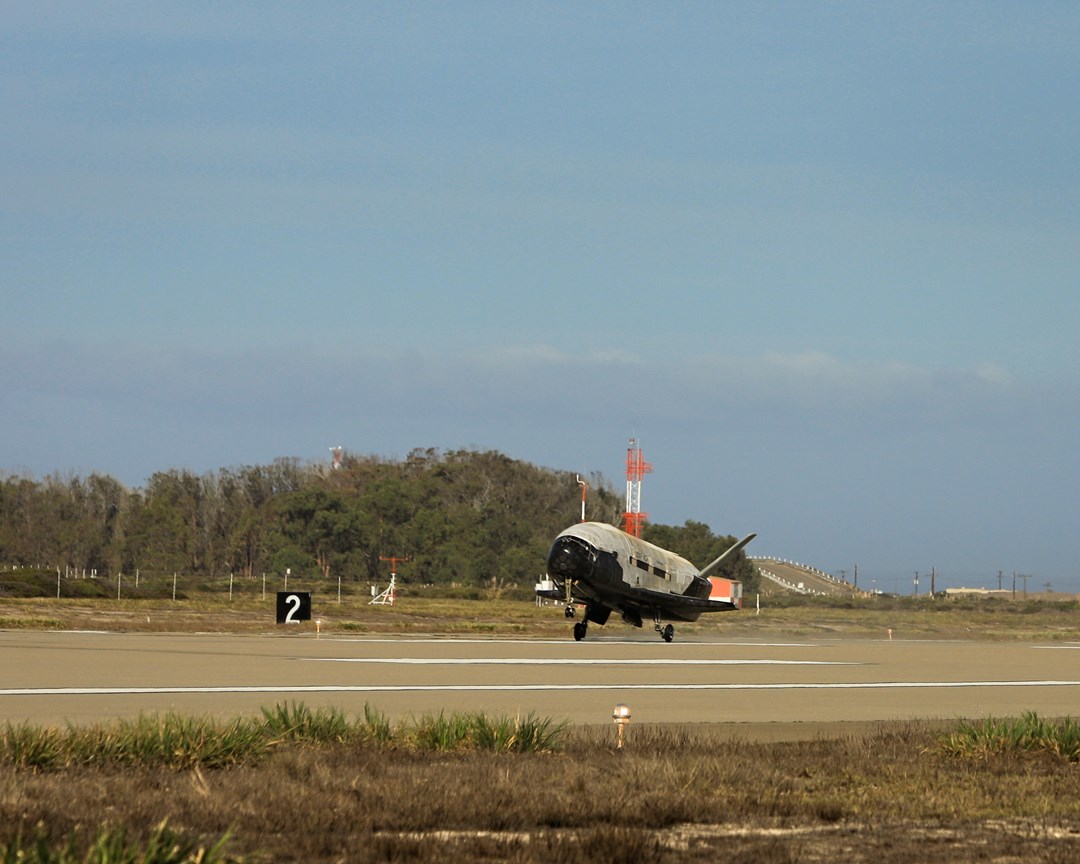
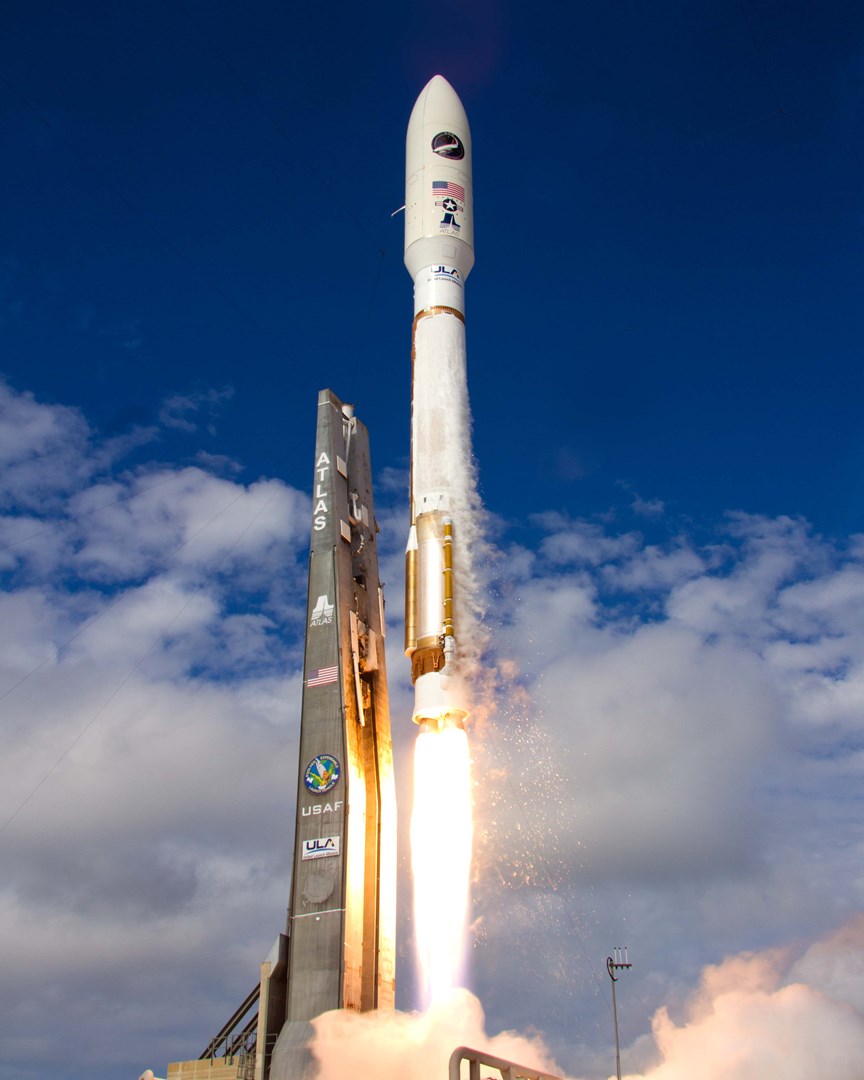
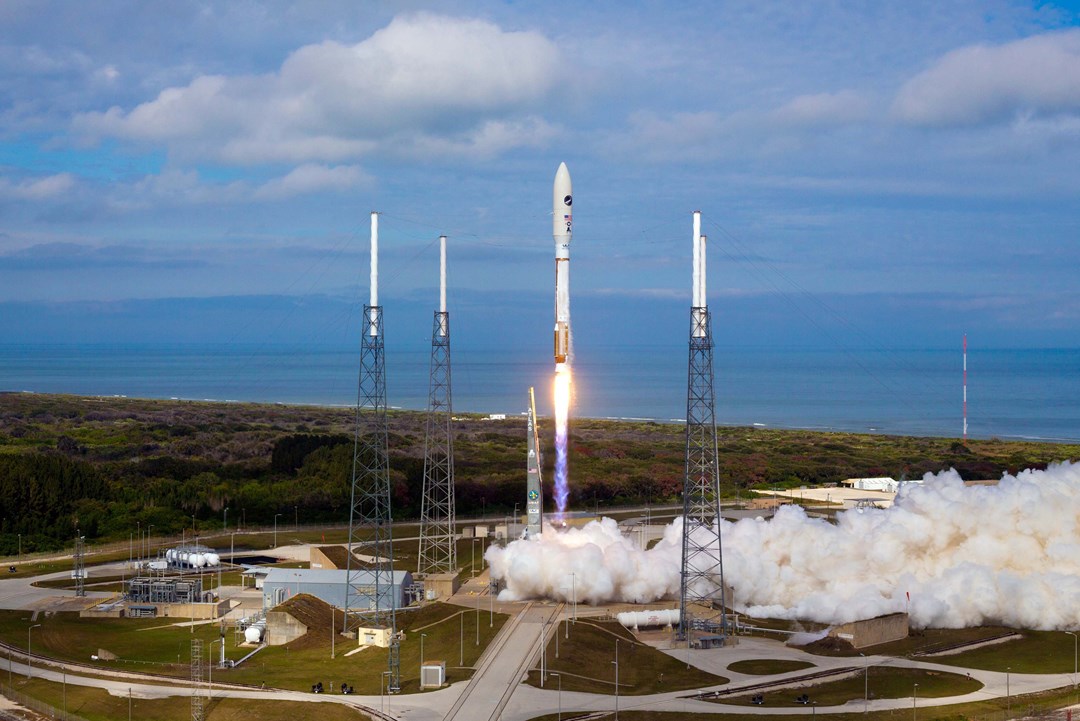
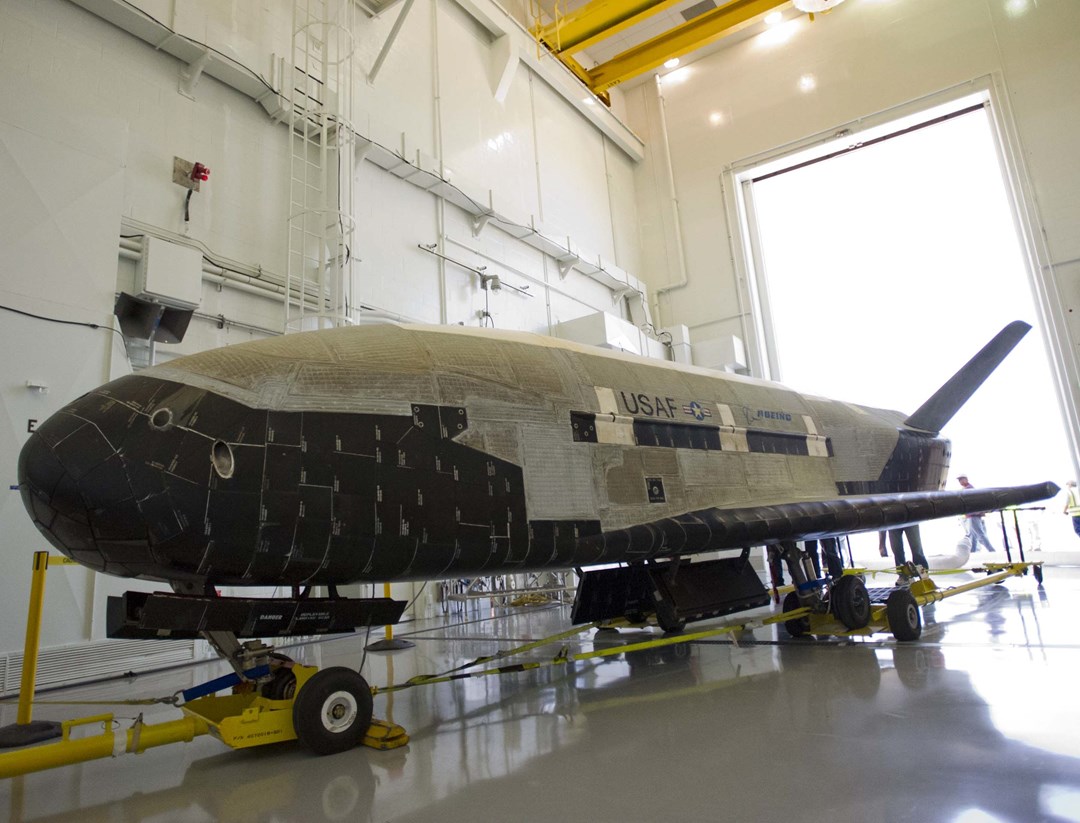
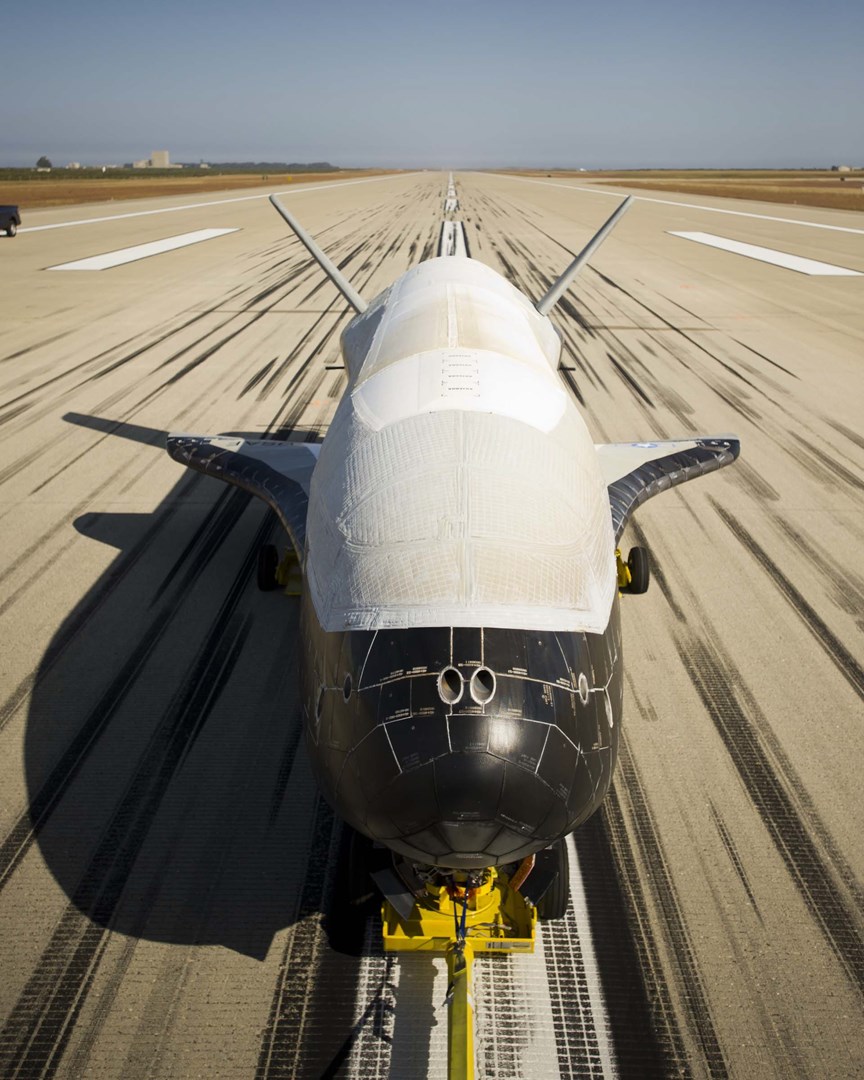
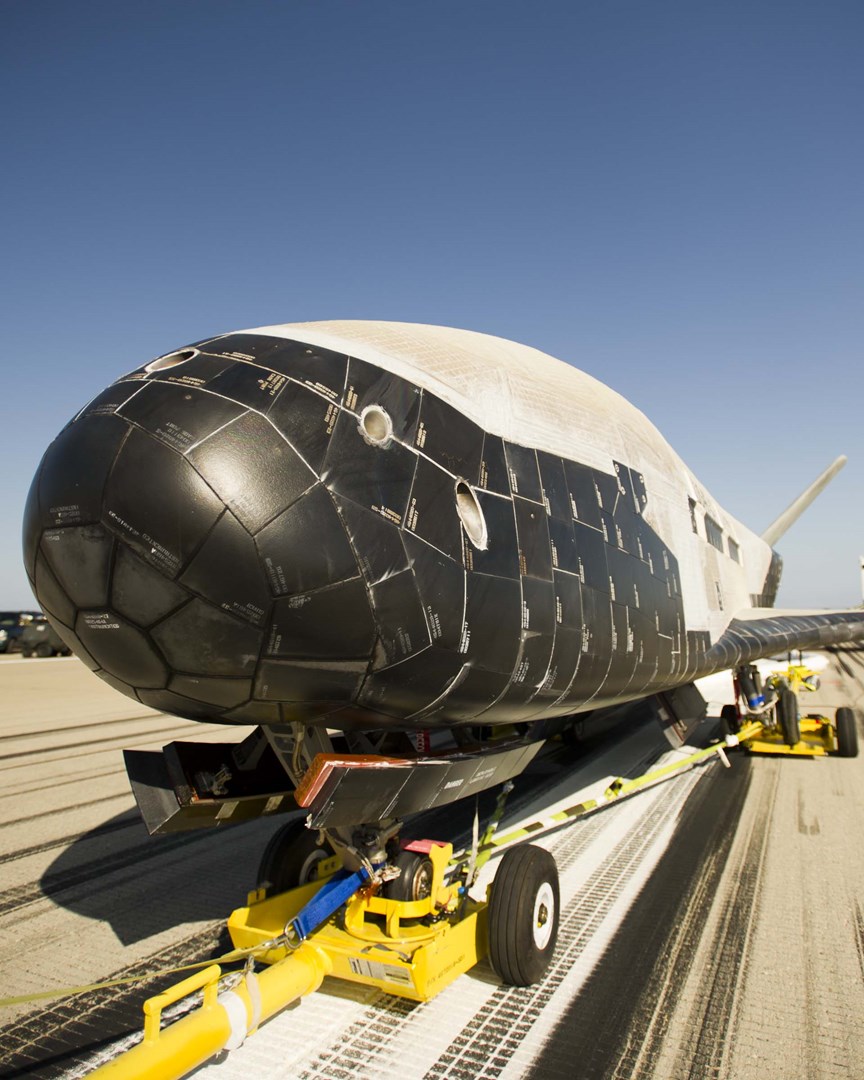
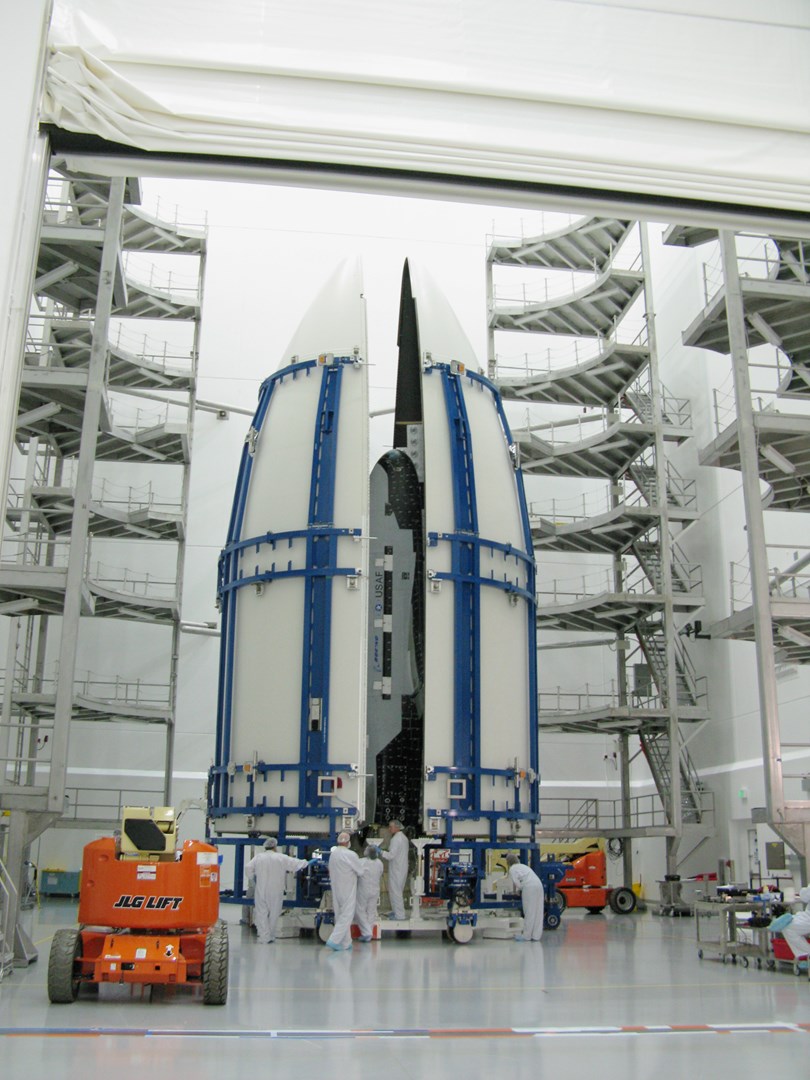
The X-37B Orbital Test Vehicle (OTV) is an experimental unmanned spaceship program started by NASA in 1999, transferred to DARPA in September 2004 and ultimately to the US Air Force in 2006. The resulting 30-ft craft unveiled in April 2010 is an unmanned mini-Space Shuttle incorporating a wealth of classified and innovative technologies such as new generation silica tile and the ability to de-orbit itself landing at either Vandenberg or Edwards Air Force bases in California. The X-37B can stay in orbit for up to 270 days and is expected to test sensors and other sensitive items such as lasers and weapons. The first OTV was successfully launched by an Atlas V rocket from Cape Canaveral on April 22, 2010. A second craft as planned for launch by the end of 2010. The third craft was launched in 2012 spending 675 days in orbit and the fourth in 2015 with 640 days in orbit so far. Each launch costs roughly $200 million.
deagel.com: https://www.deagel.com/x/x/a002485