UHSI32 MkII French Autonomous Surface Vehicle (ASV)
UHSI32 MkII
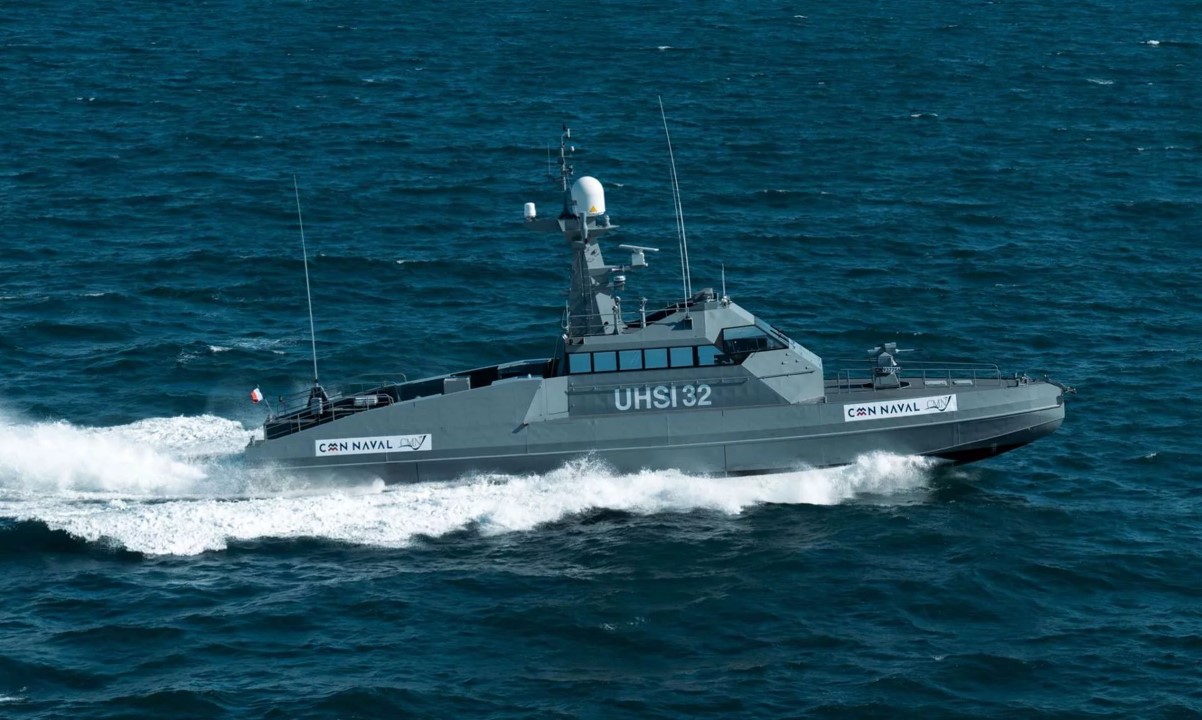
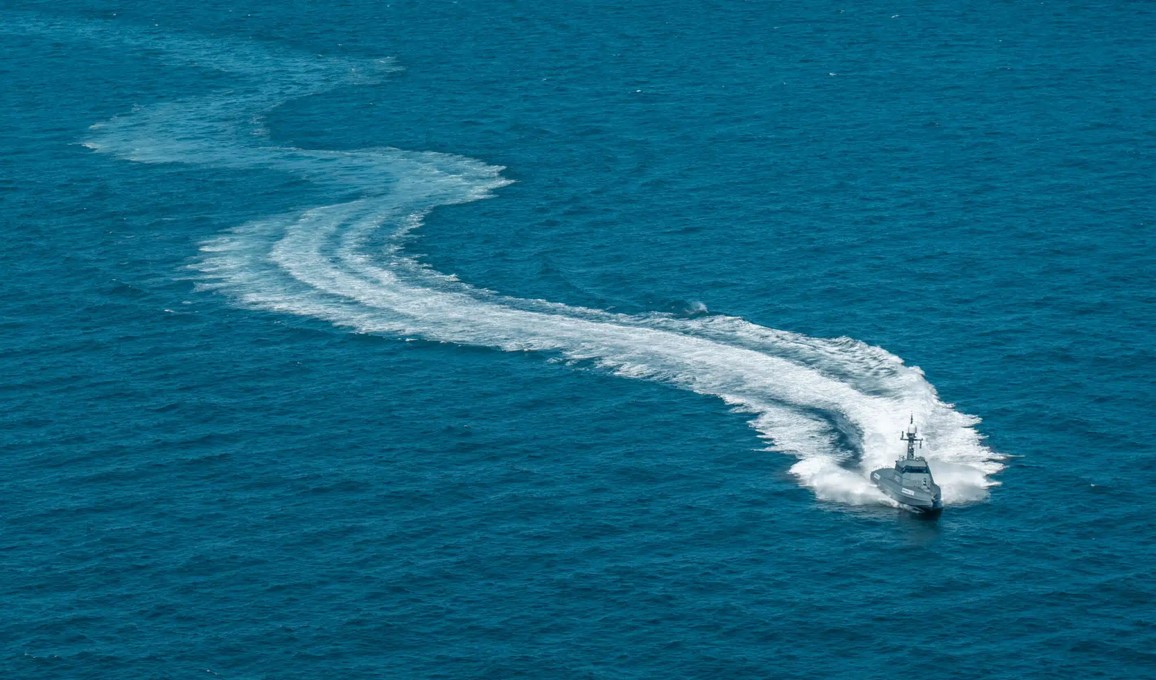
The UHSI32 MkII French Autonomous Surface Vehicle (ASV) is designed with autonomous navigation capabilities, including obstacle avoidance and interception of moving boats. It can be controlled remotely from a land-based command post, demonstrating its speed and maneuverability during at-sea operations. A fully unmanned variant of the combat-proven HSI32 MkII interceptor, the UHSI32 MkII features an advanced control suite that includes AI-assisted navigation, autonomous obstacle recognition, dynamic route planning, and machine learning algorithms. Its onboard system accommodates various sensors, such as electro-optical/infrared turrets, surface search radars, and optional weapon stations. Key advantages over its manned predecessor include reduced crew risk, increased mission endurance, and improved deployment flexibility. The absence of crew-related systems enables optimized internal layouts and increased payload capacity. Tactically, the unmanned UHSI32 MkII can function as a forward sensor, decoy, or interdiction asset, providing operational flexibility in contested waters. Overall, the UHSI32 MkII enhances naval presence and surveillance capabilities while keeping crews safe from high-risk environments, making it ideal for maritime surveillance, critical infrastructure protection, and anti-smuggling missions in vulnerable green-water and littoral zones. The UHSI32 MkII effectively operates in manned-unmanned teaming scenarios, serving as an escort or scout for larger surface combatants, thereby enhancing fleet effectiveness and operational tempo. It conducts persistent surveillance missions over extended periods, minimizing logistical needs while optimizing force allocation and budget efficiency. Equipped with advanced electro-optical and sonar systems, the UHSI32 MkII can identify and classify contacts and anomalies in real-time, creating a clear operational maritime picture. It autonomously searches large areas (e.g., harbors and shipping lanes) for underwater threats, ensuring the establishment of safe operating zones. The system is readily integrated into existing defense concepts and dynamically detects and responds to threats. It guides the unmanned vessel along predefined routes, ensuring compliance with maritime regulations while continuously monitoring the environment. Built on the proven SYNAPSIS navigation system, the Autonomous Navigation and Command System enhances maritime situational awareness, featuring improved target management and automatic collision avoidance. Extensive testing in the Kiel Fjord and a high-speed demonstration in Cherbourg, France, have validated its capabilities.