M67 American Anti-Personnel Grenade
M67
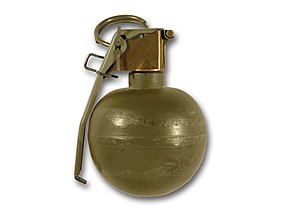
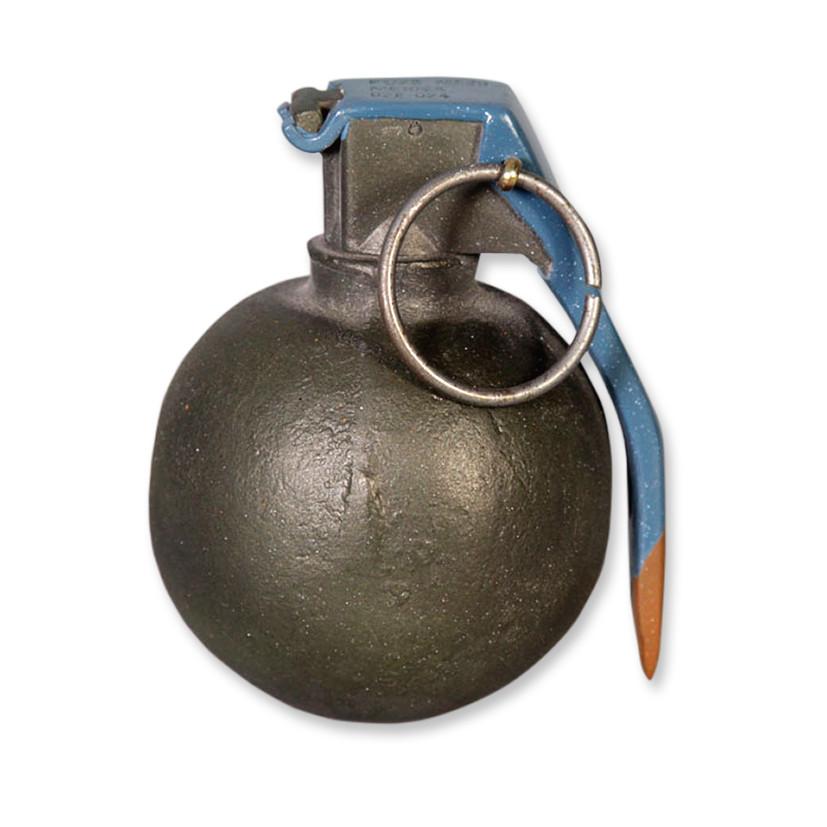
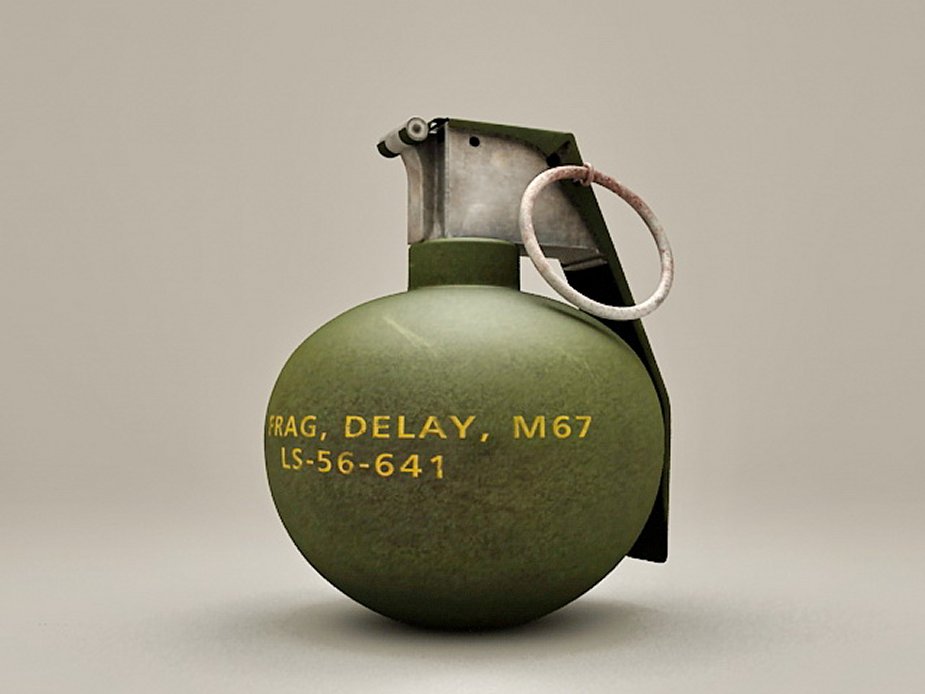
The M67 grenade is a fragmentation hand grenade used by the United States military. The M67 is a further development of the M33 grenade, itself a replacement for the M26-series grenades used during the Korean and Vietnam Wars, and the older Mk 2 "pineapple" grenade used since World War I. The current US issue grenade is the ‘baseball’ M67 Fragment Grenade. It is 14 oz in weight, containing 6.5 oz of Comp B explosive and using a pre-segmented body to produce an even and lethal spread of shrapnel. The fuse is designed for 4 seconds, +/- 1 sec. The stated kill radius is 5 meters, and wounding at 15 meters which can be confusing to those expecting a 100% result at those ranges. The 5/15 meter figure is actually rated as a 50% chance of. Don’t have it in your head that if you or a hostile are in those windows that it’s automatically lights out. Grenades aren’t a guarantee kill anymore than bullets are. Always assume the bad guy is still able to fight! The shrapnel spread from the M67 is very even, so the chances of an enemy coming out completely unscathed are low. The M67 grenade has a spherical steel body that contains 6.5 oz (180 g) of composition B explosive. It uses the M213 pyrotechnic delay fuze. The M67 grenade weighs 14 oz (400 g) in total and has a safety clip to prevent the safety pin on the grenade from being pulled accidentally. The safety pin prevents the safety lever, or "spoon" o the grenade from moving and releasing the spring-loaded striker which initiates the grenade's fuze assembly.The M67 is typically known as a "baseball" grenade, because it is shaped like a ball that can be easily thrown.Other variations include the "pineapple" grenade and the World War 2 era "stick" grenade. The M67 can be thrown 30 to 35 metres (98 to 115 ft) by the average male soldier.[citation needed] Its fuze delays detonation between 4 and 5 seconds after the spoon is released. Steel fragments (not to be confused with shrapnel) are provided by the grenade body and produce an injury radius of 15 metres (49 ft), with a fatality radius of 5 metres (16 ft), though some fragments can disperse as far out as 250 metres (820 ft). To deploy the M67 grenade, the user first removes the safety clip from the grenade. Next, the grenade's pull ring is grasped with the non-throwing hand while maintaining a firm grasp on the body of the grenade and safety lever (also referred to as the "spoon") with the throwing hand. The pull ring and safety pin assembly are fitted so that a right-handed thrower can grasp the grenade with the fuse assembly on top and the safety lever held down by the right thumb. A left-handed thrower should grasp the grenade with the fuse assembly on the bottom and the safety lever held down by the left thumb. The user then pulls the grenade and pull ring assembly apart, removing the safety pin from the fuse assembly. At this time, the fuse remains unfired, as the throwing hand's thumb is holding the safety lever down. The user then throws the grenade at the intended target, taking care that the grenade does not strike an obstacle that could deflect the grenade, bounce it back towards the thrower or allow it to roll towards the thrower or an unintended place. When the grenade is thrown, the safety lever will fly free (under pressure from the striker spring) and the striker will hit the cap, igniting the pyrotechnic delay element. When the delay element has burned approximately 4 to 5 seconds it will initiate the grenade's explosive filler, causing a large number of metal fragments to be projected at high velocities. The thrower and friendly personnel in the vicinity should take cover to protect themselves from unintended injury.