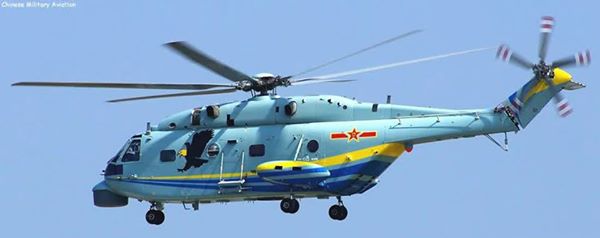
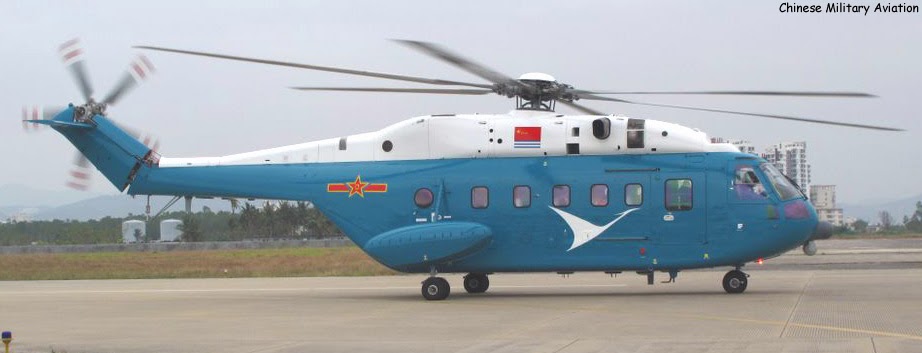
SA-321 Super Frelon (Super Hornet) French Multi-Role Helicopter
SA 321 Super Frelon
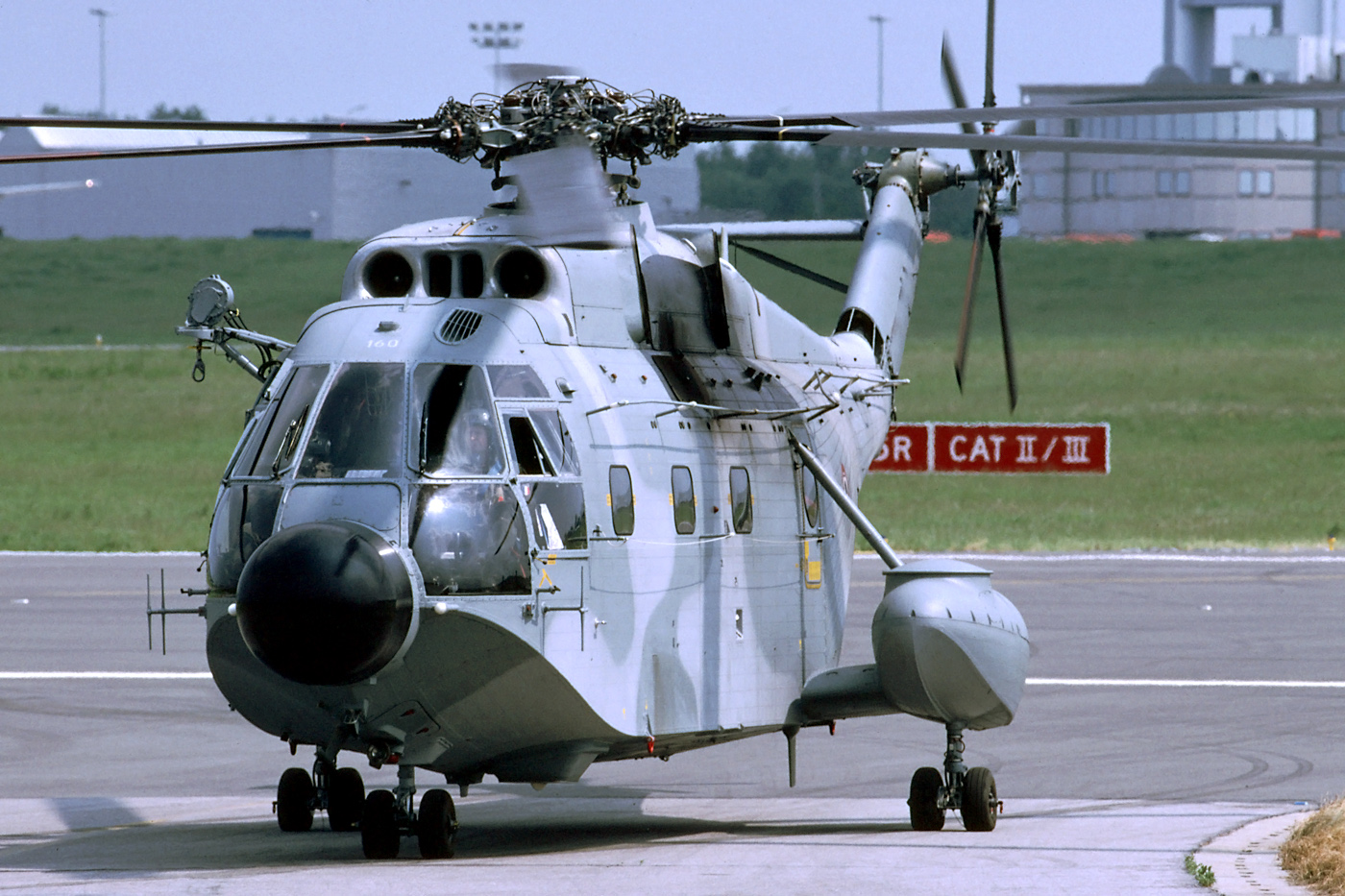
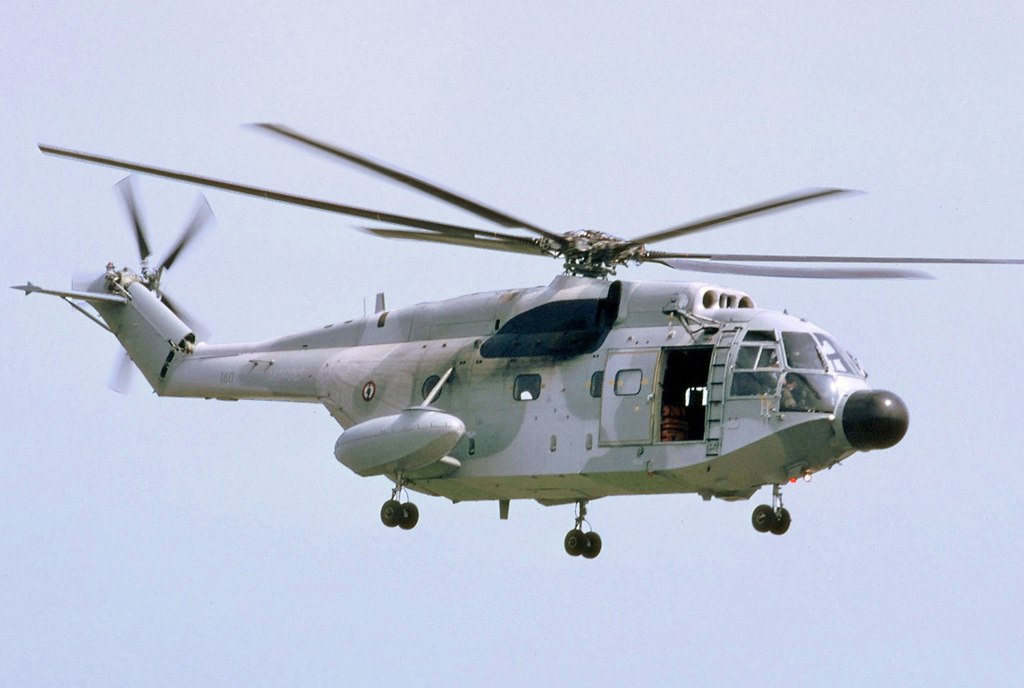
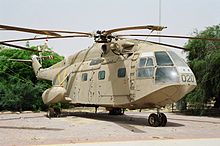
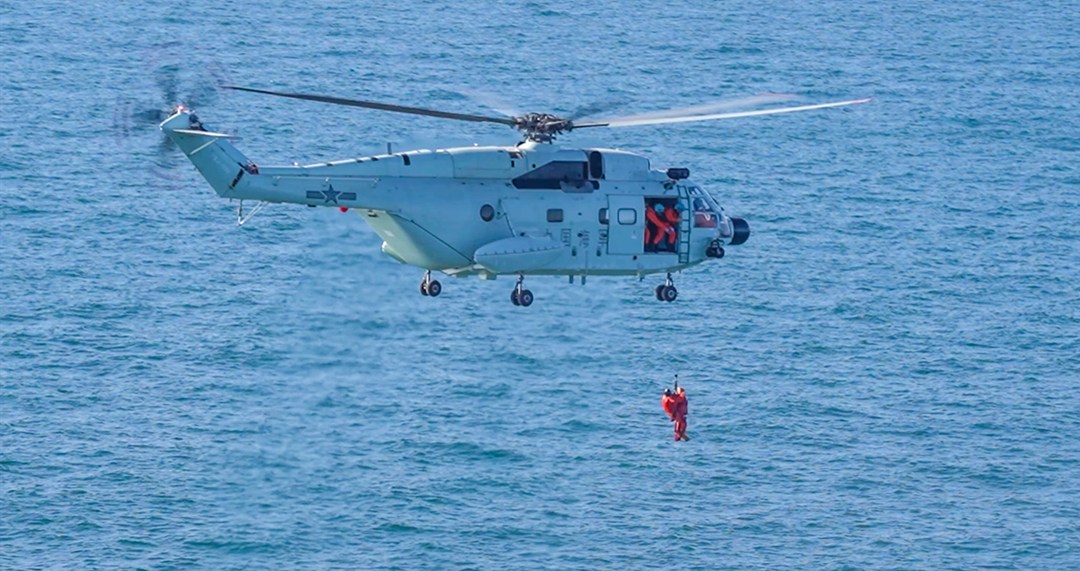
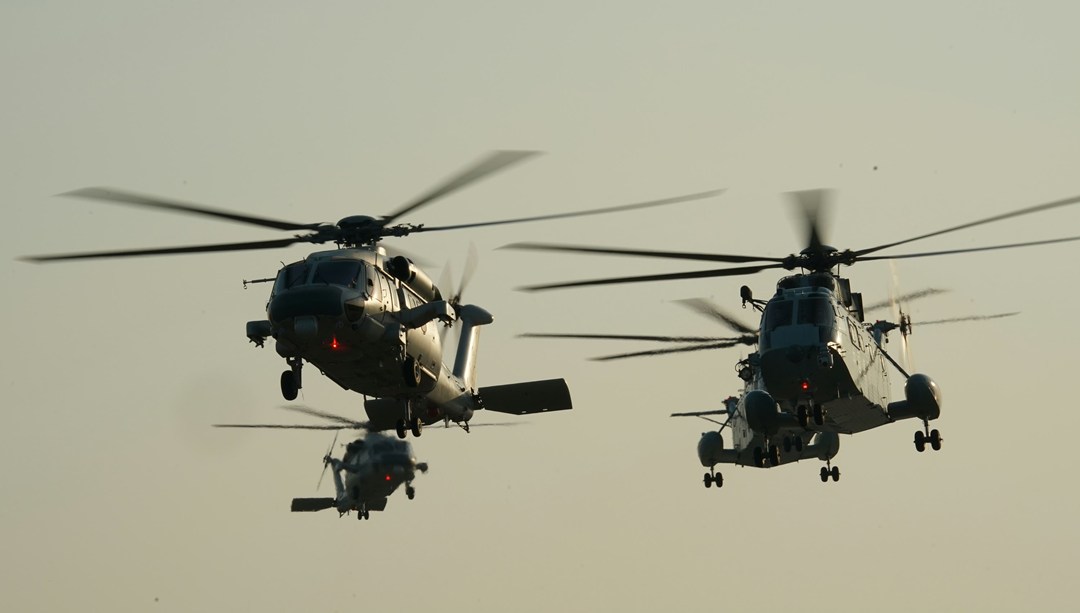
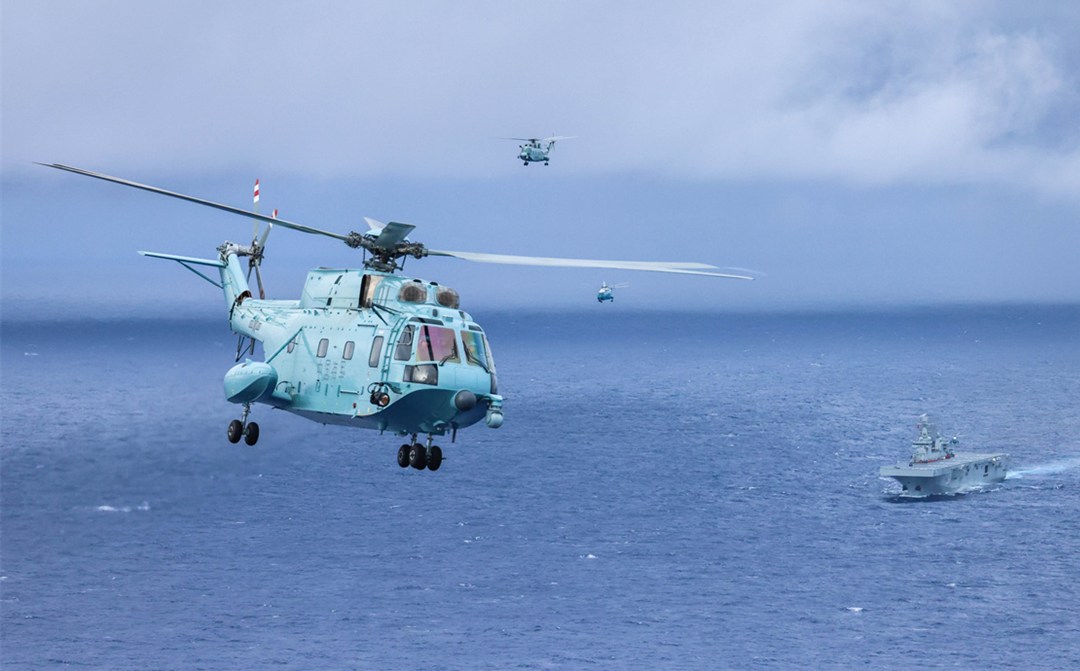
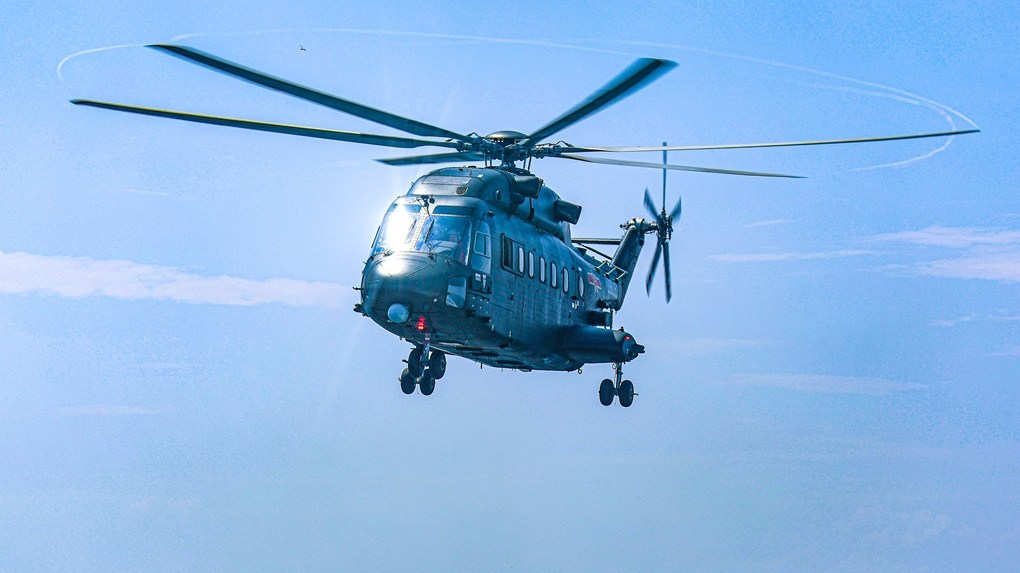
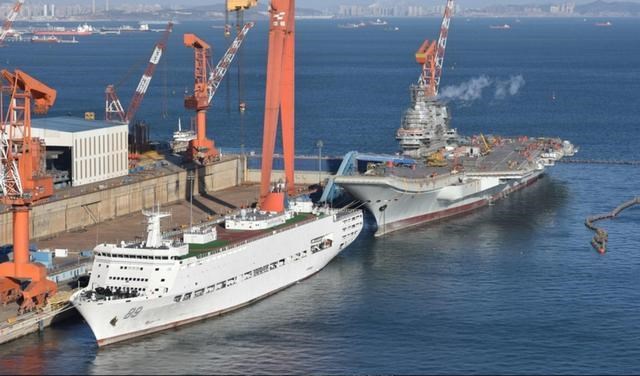
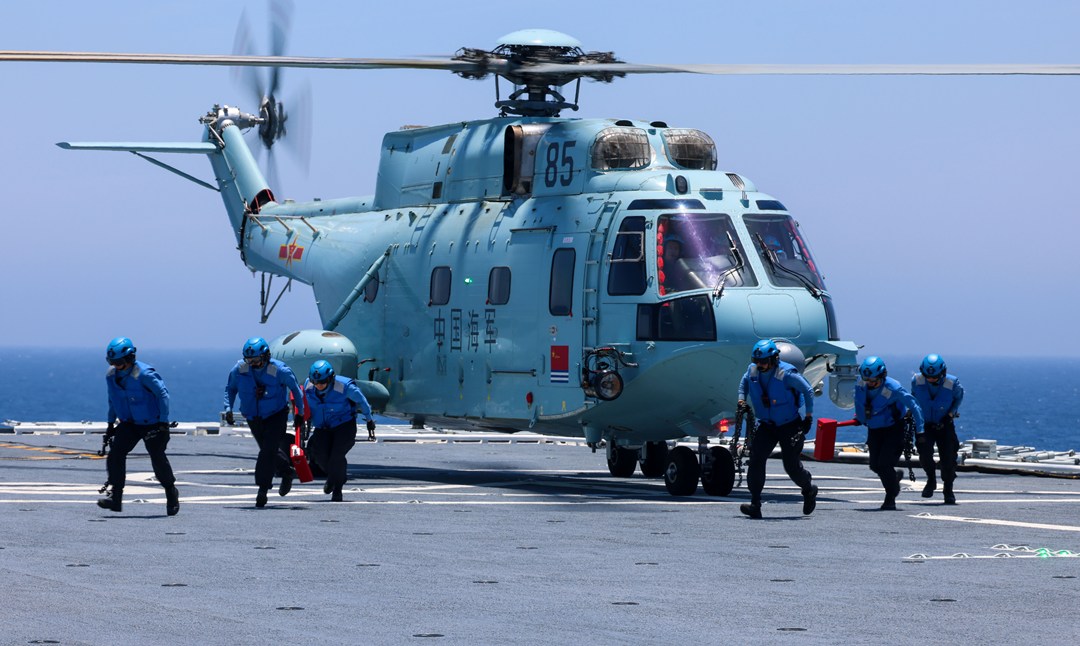
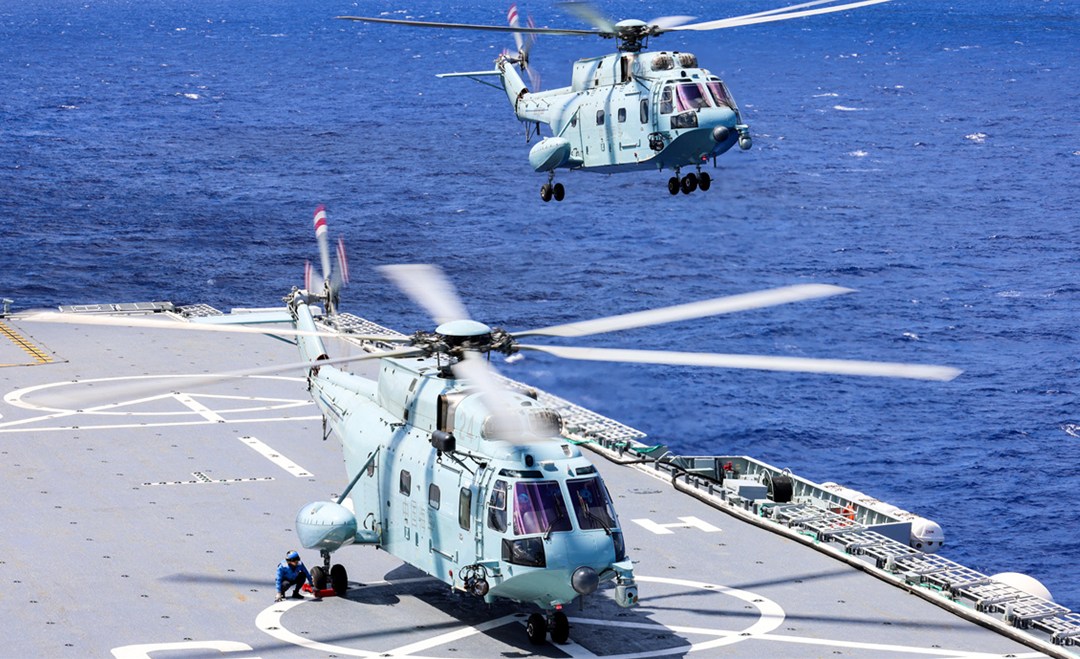
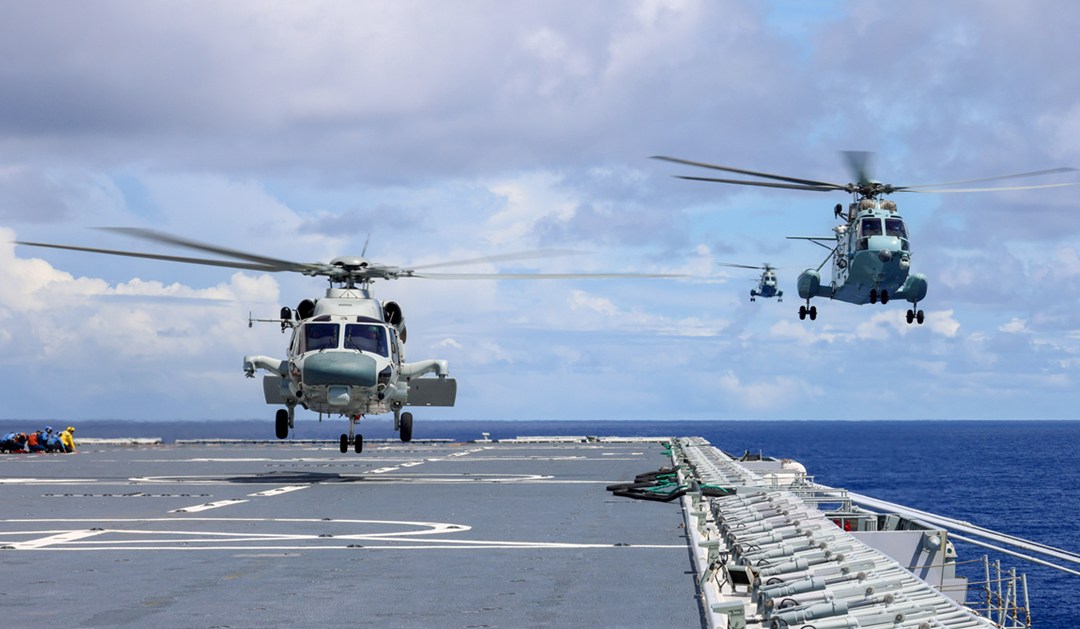
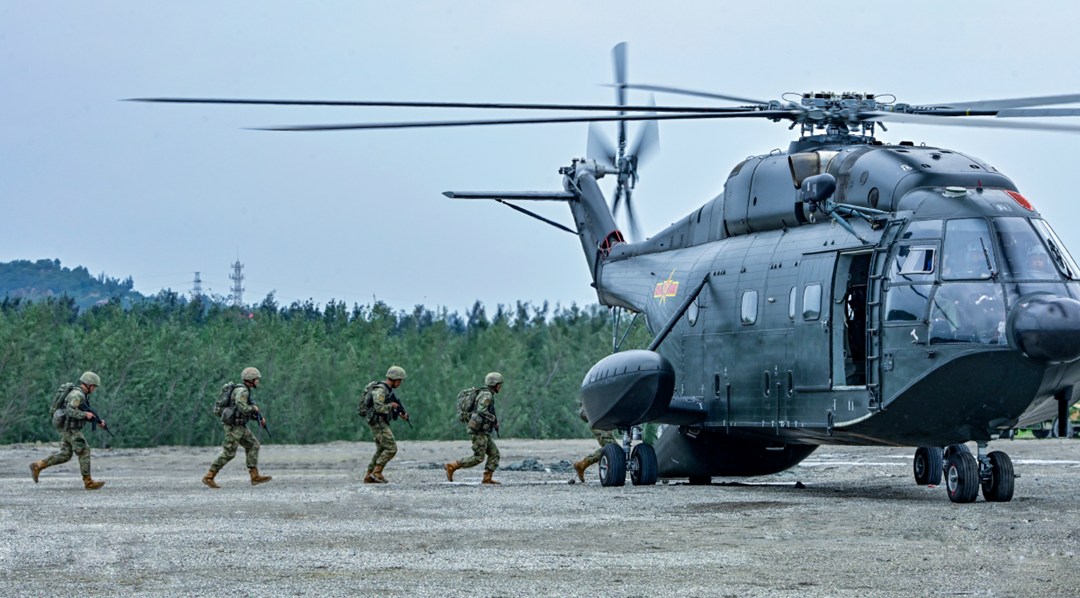
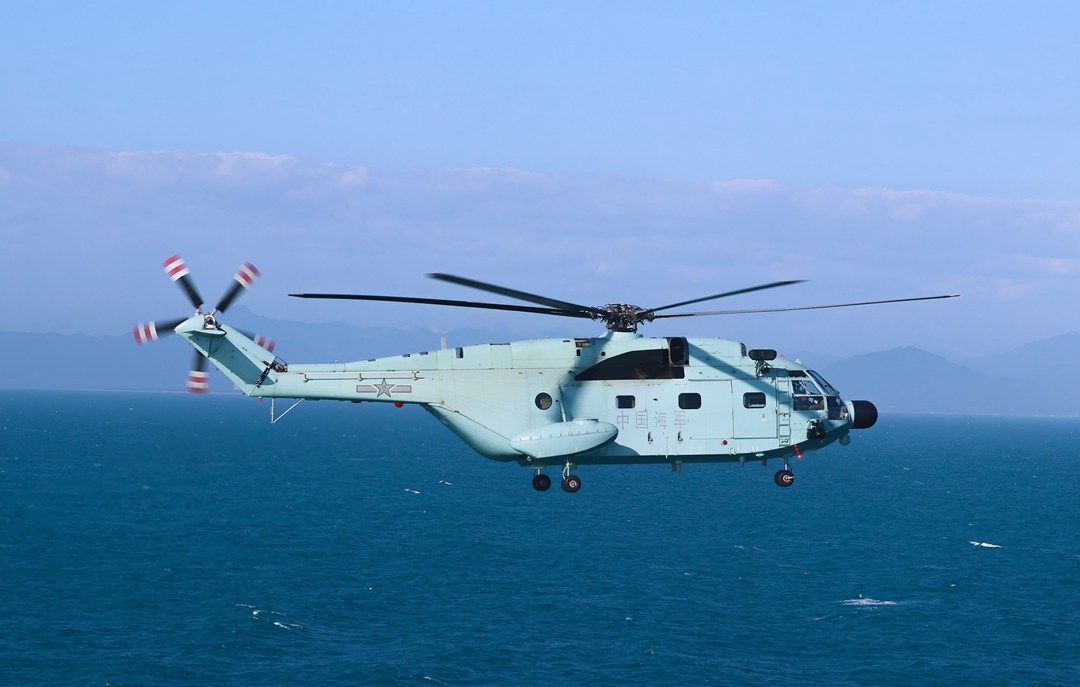
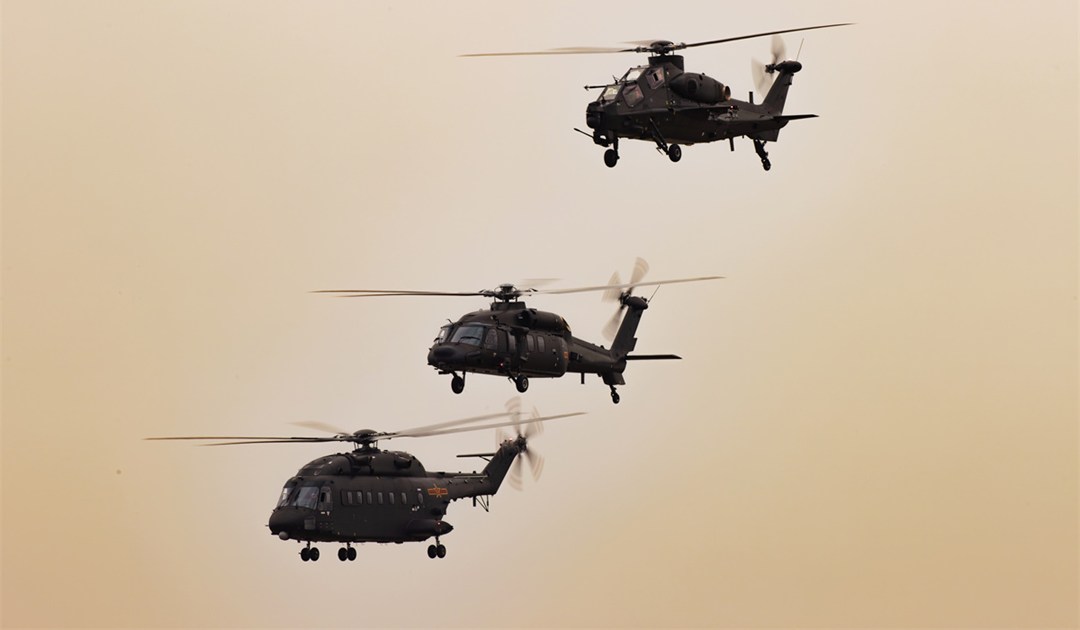
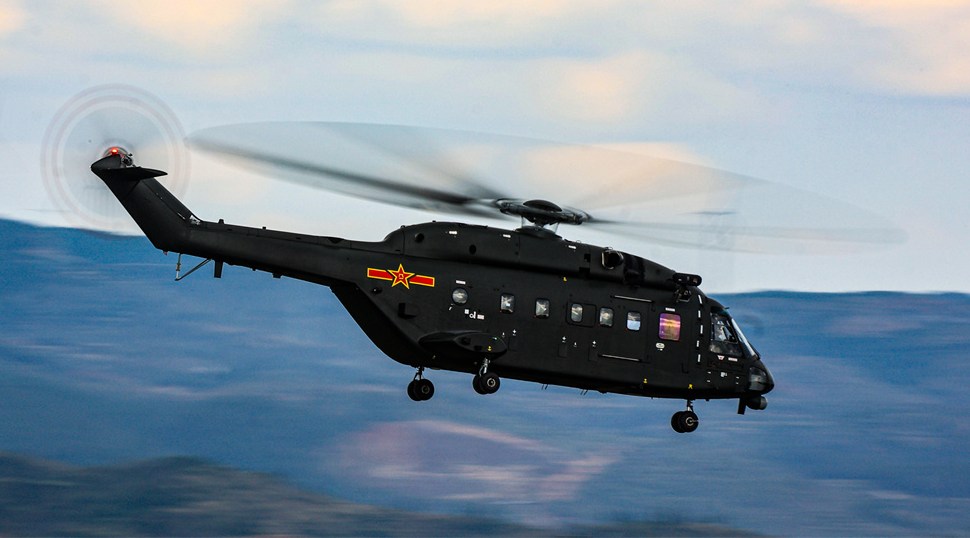
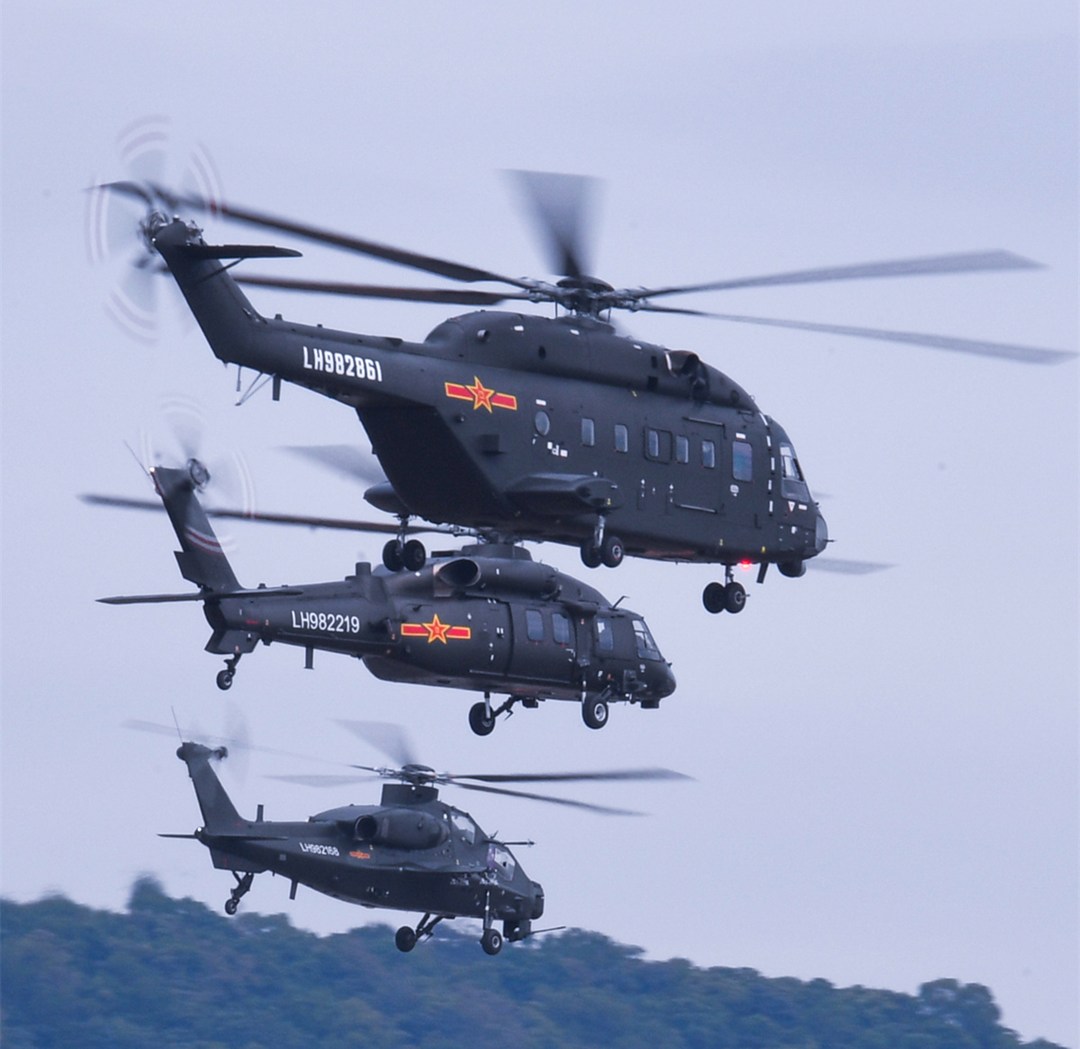
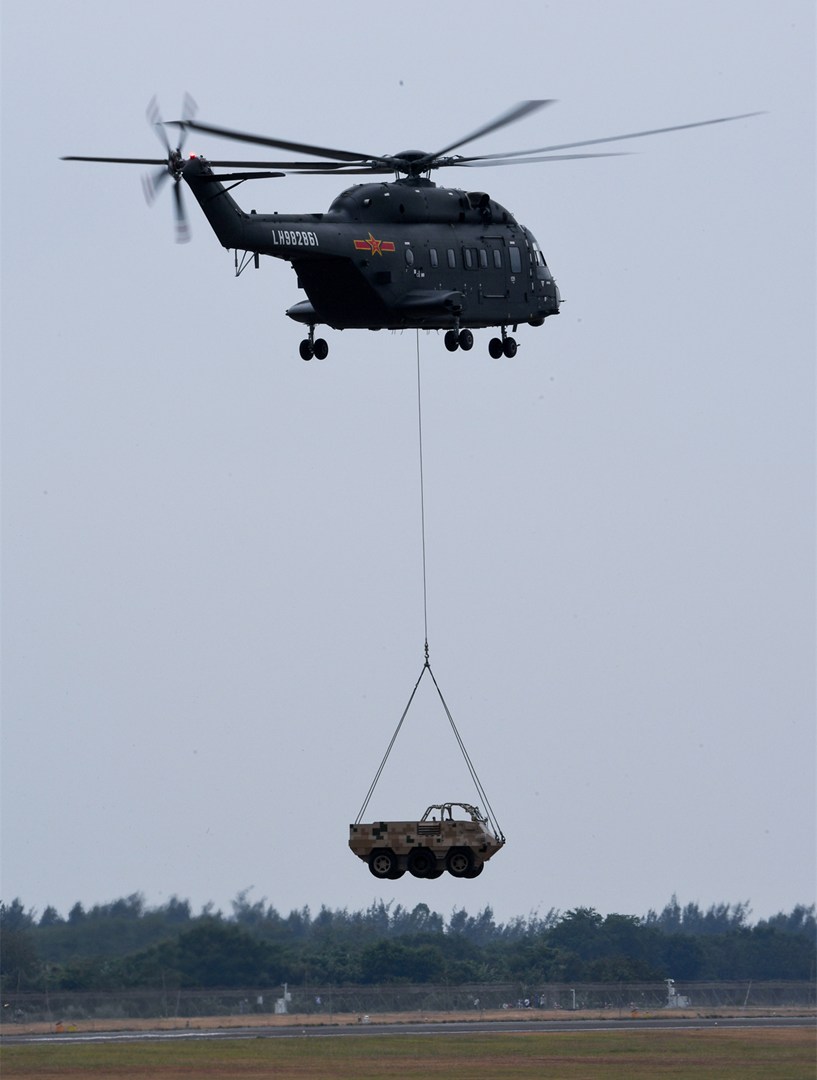
The Aérospatiale (formerly Sud Aviation) SA 321 Super Frelon ("Super Hornet") is a three-engined heavy transport helicopter produced by aerospace manufacturer Sud Aviation (later Aérospatiale) of France. It held the distinction of being the most powerful helicopter to be built in Europe at one point, as well as being the world's fastest helicopter. The Super Frelon was a more powerful development of the original SE.3200 Frelon, which had failed to enter production. On 7 December 1962, the first prototype conducted the type's maiden flight. On 23 July 1963, a modified Super Frelon flew a record-breaking flight, setting the new FAI absolute helicopter world speed record with a recorded speed of 217.7 mph (350.4 km/h). Both civilian and military versions of the Super Frelon were produced; the type was predominantly sold to military customers. In 1981, Aerospatiale, Sud Aviation's successor company, chose to terminate production due to a lack of orders. The Super Frelon was most heavily used by naval air arms, such as the French Navy and the People's Liberation Army Naval Air Force. On 30 April 2010, the type was retired by the French Navy, having been replaced by a pair of Eurocopter EC225 helicopters as a stopgap measure pending the availability of the NHIndustries NH90 helicopter. The Super Frelon was in use for an extended period within China, where it was manufactured under license and sold by the Harbin Aircraft Industry Group as the Harbin Z-8. A modernised derivative of the Z-8, marketed as the Avicopter AC313, performed its first flight on 18 March 2010. The Aérospatiale SA 321 Super Frelon is a large, heavy-lift single-rotor helicopter, furnished with a relatively atypical three-engine configuration; these are Turboméca Turmo IIIC turboshaft engines set on top of the fuselage, a pair of turbines positioned side by side at the front and one located aft of the main rotor. The naval anti-submarine and anti-ship variants are usually equipped with navigation and search radar (ORB-42), and a 50-metre rescue cable. They are most often fitted with a 20 mm cannon, countermeasures, night vision, a laser designator and a Personal Locator System. The Super Frelon can also be fitted for inflight refueling. The front engines have simple individual ram intakes, while the rear one is fitted with a semi-circular scoop to provide air; all three bifurcated exhausts are near to the rotor head. The three engines and the reduction gearbox are mounted on a horizontal bulkhead and firewall which forms the roof of the cabin and upper structural member of the fuselage. The engines are isolated by multiple firewalls, including transverse firewalls separating front and rear engines from the rotor gearbox, and zonal engine firewalls. Eight sturdy hinged doors provide access to the compact Turmo engines, which have ample space around them to enable ground crew to service them without using external platforms. The fuselage is actually a hull, which makes use of a semi-monocoque light alloy construction; according to aerospace publication Flight International, the hull design was "reminiscent of flying-boat engineering". The main cabin lacks any transverse bracing, except for a single bulkhead between the cockpit and cabin. Substantial built-up frames connect the strengthened roof structure with the floor/planing-bottom of transverse under-floor bulkheads and outer skin. A conventional exterior skin is used, employing longitudinal stiffeners as well as two lines of deep channel members, while the under-floor cross members are reinforced with vertical stiffeners. There is no keel, at the floor level there are horizontal members between frames which are stiffened by transverse shear angles. Flexible fuel cells are stored in four watertight under-floor compartments lying fore and aft of the rotor axis, while the floor itself is fitted with removable panels. A hatch set into the floor, positioned approximately underneath the rotor axis, is used for sling-load operations. At the rear of the cabin is a tapered section of simple semi-monocoque construction, which is closed by a robust hinged rear loading ramp, which serves as the main entrance for bulky loads or equipment. The loading ramp is jettisonable in emergency situations. Additionally, there is a sliding door located on the forward starboard side, while a small hinged emergency door is set on the aft port side. The tail boom uses conventional semi-monocoque construction, supported by closely spaced notched channel-section frames and continuous stringers, absent of any major longitudinal sections or longerons. The cranked section carrying the tail rotor and trim plane is more robust, strengthened by a solid-web spar, frames, and stiffeners. The juncture of the main boom and cranked section is hinged in order to reduce the rotorcraft's folded length to 58 ft. Along the top of the boom, the shaft for the tail rotor is covered by a fairing. The fixed landing gear has twin wheels on each of the three vertical shock absorber-equipped struts. The main leading gear units are mounted on triangulated tubular structures, while the nose gear is bracketed to the cockpit bulkhead via a watertight seal in the planing bottom. The main wheels have hydraulic brakes operated from the pedals, complete with a parking hand brake, while the nose unit is fully castoring. The nose, which is covered by large glazed panels, has a bow chine and planing bottom built as a unit with the flight deck, which is higher than the main cabin floor
Missile System (Option 1)
Missile System (Option 2)
Torpedo
deagel.com: https://www.deagel.com/x/x/a003096