F/A-18 Hornet
F/A-18 Hornet
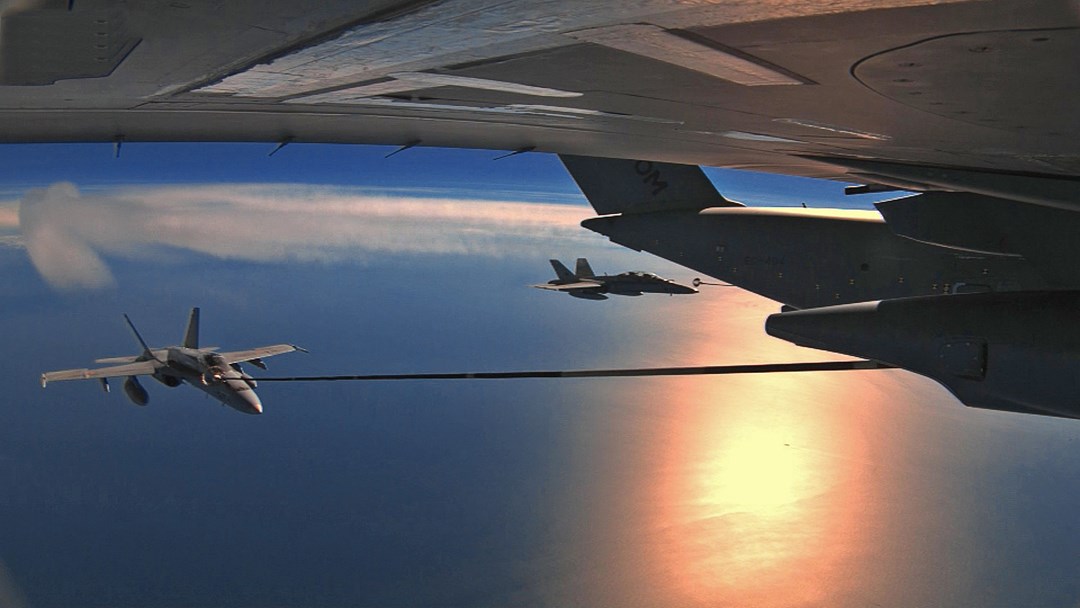
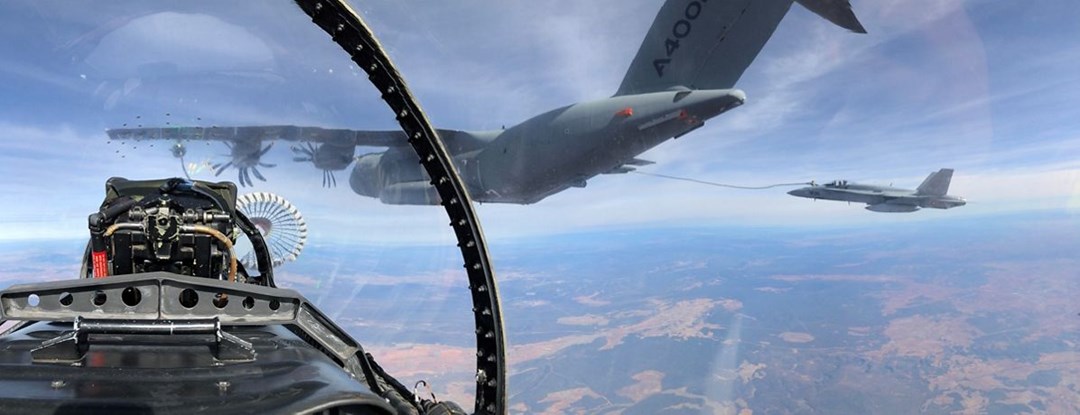
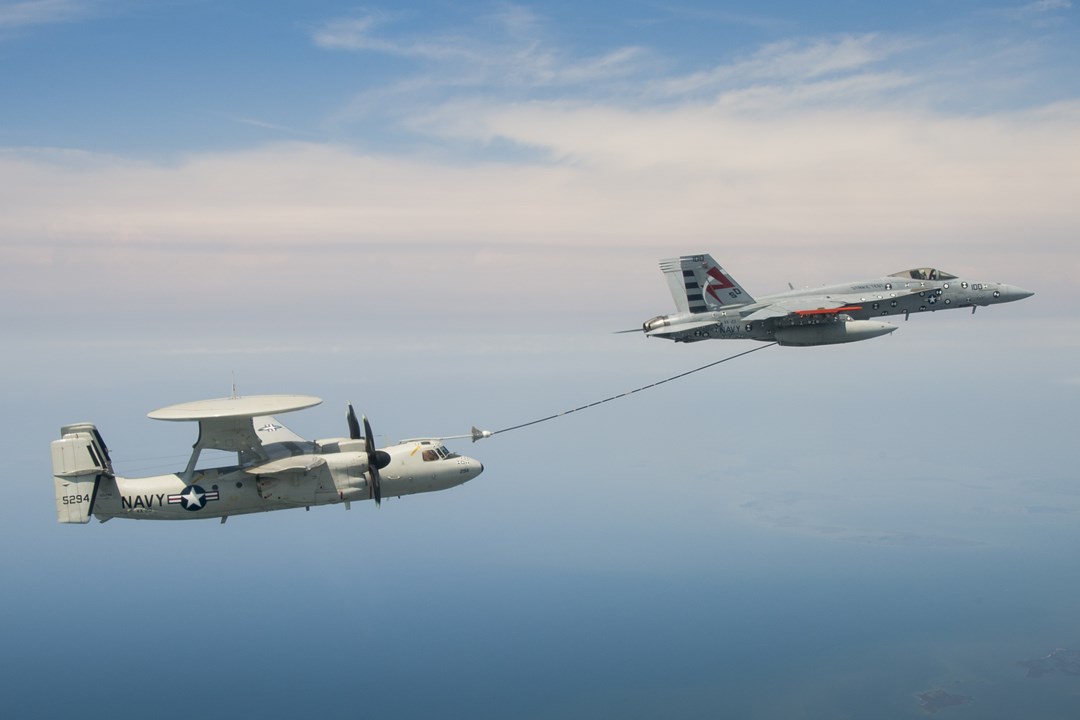
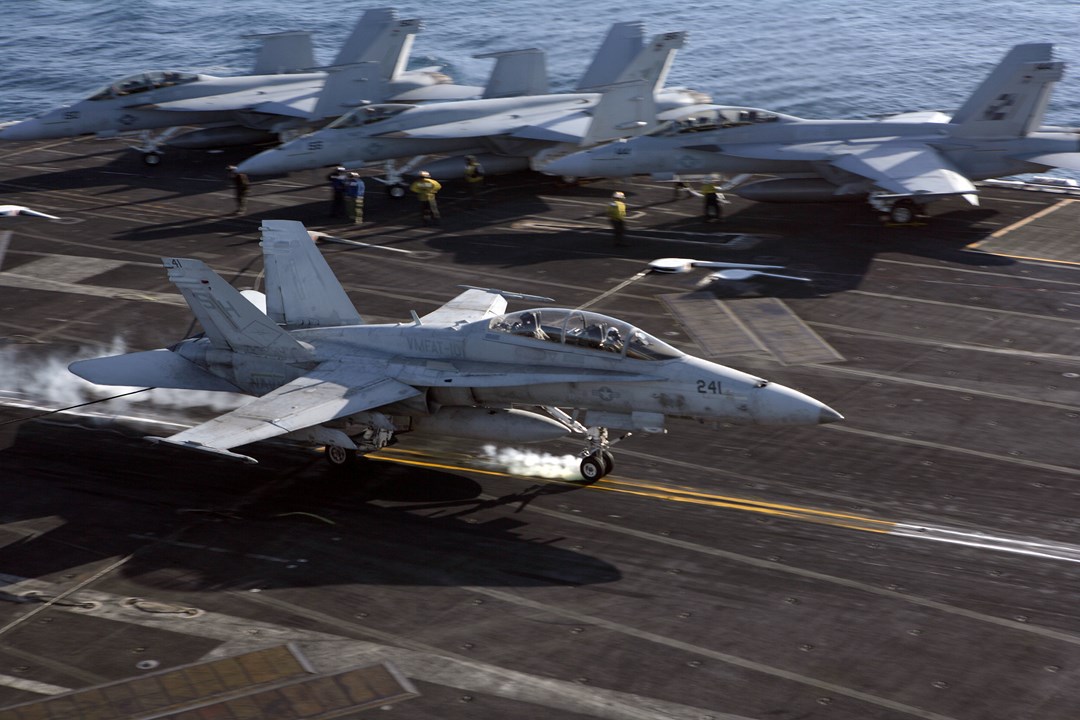
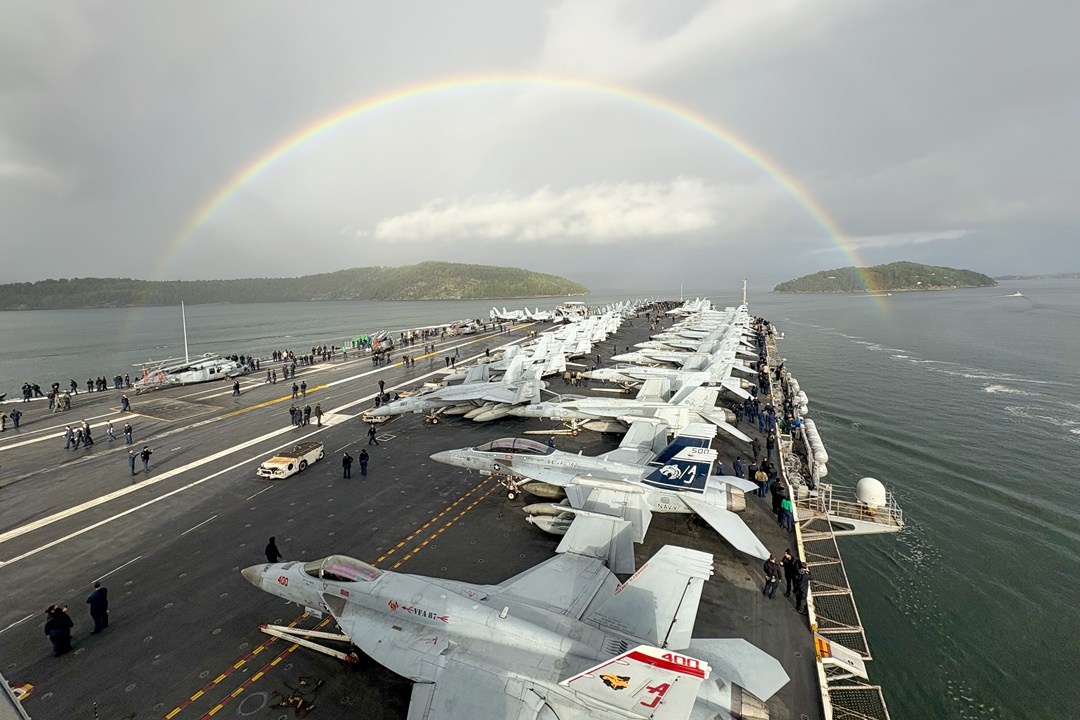
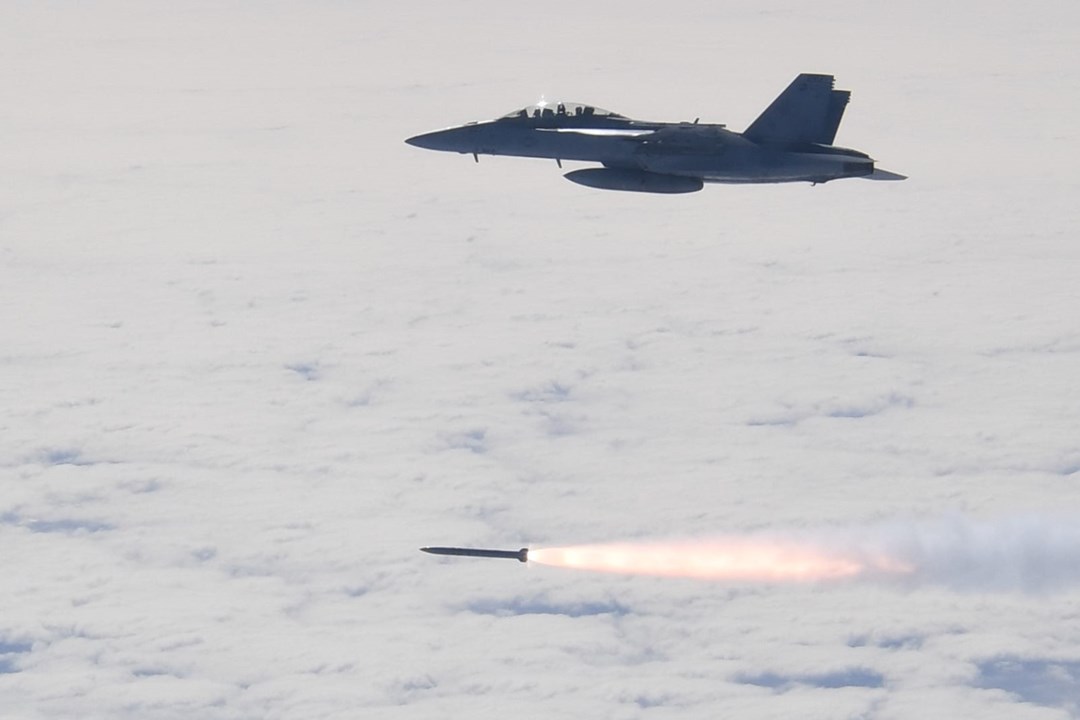
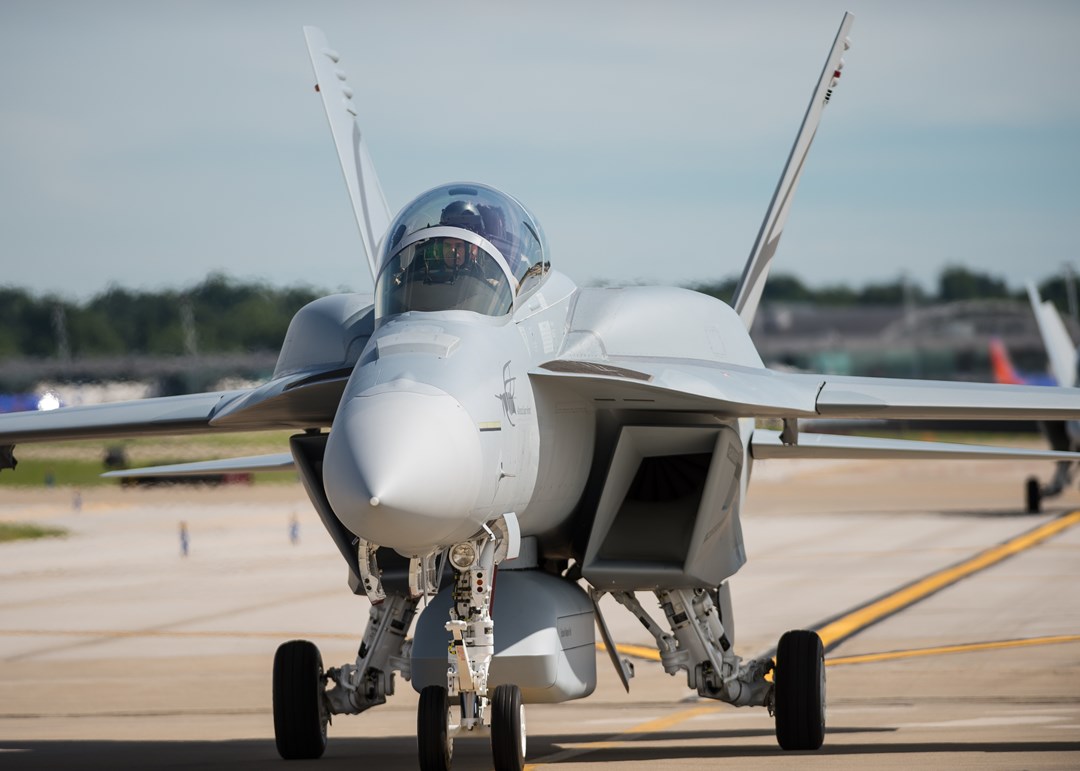
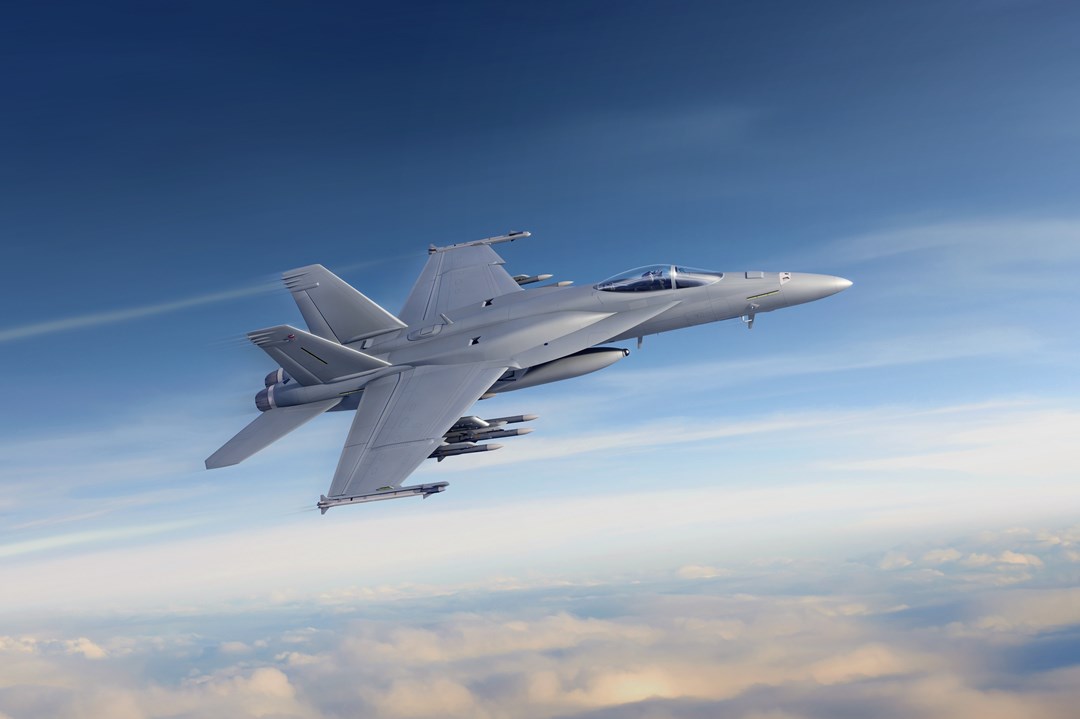
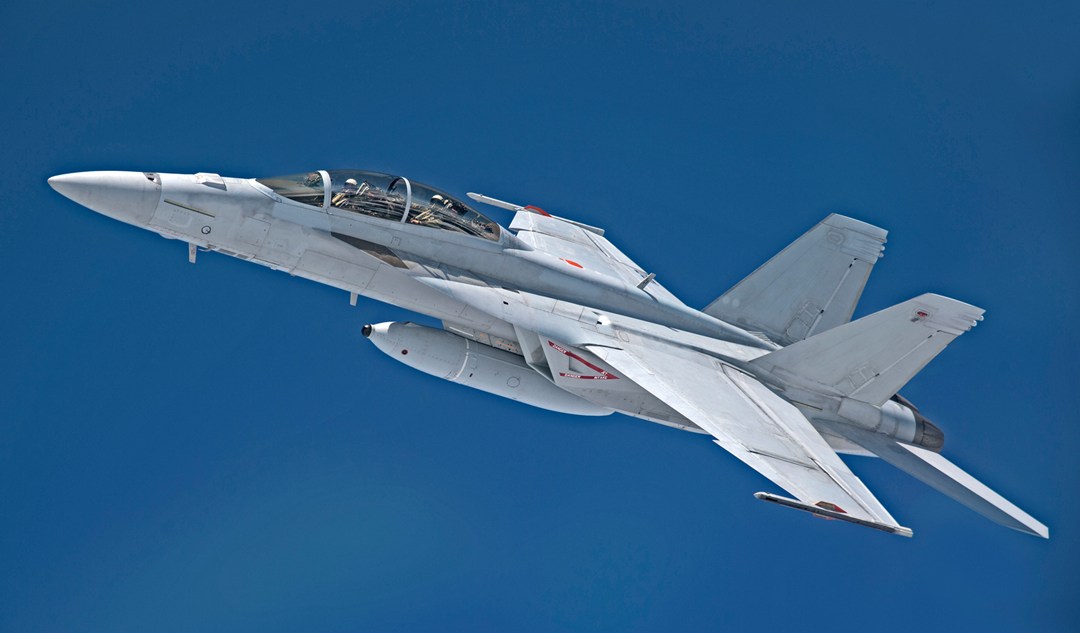
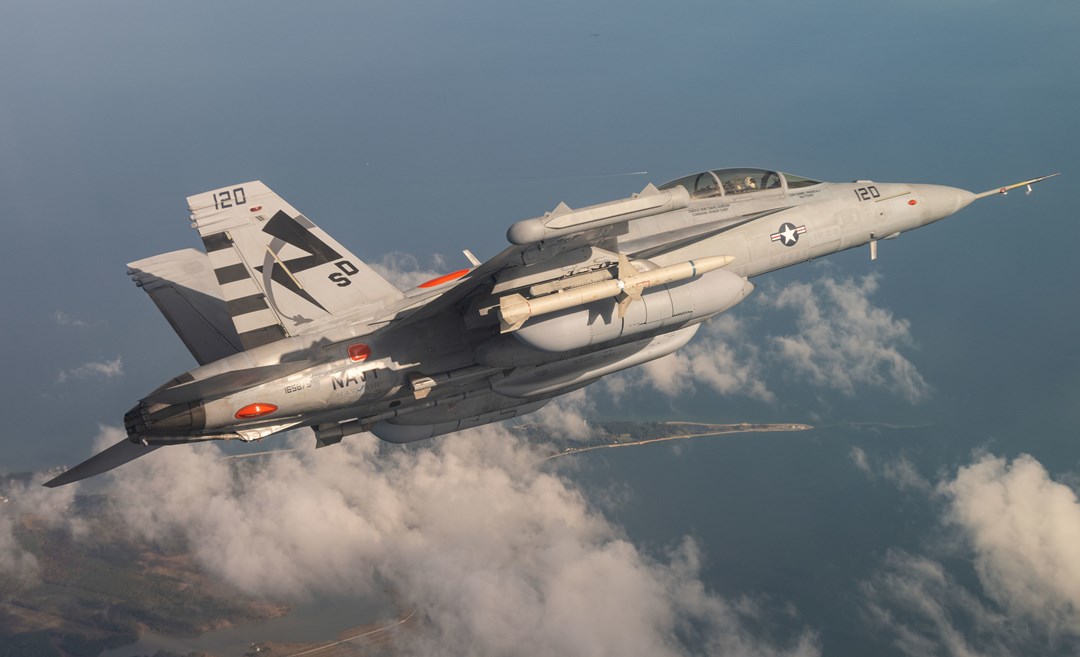
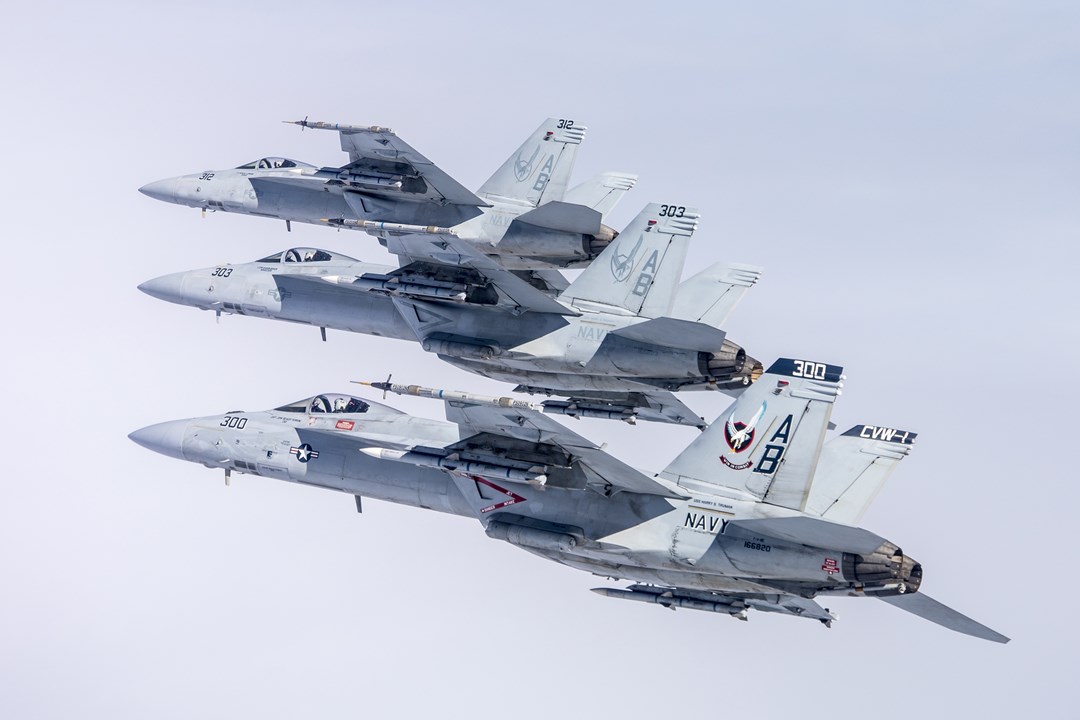
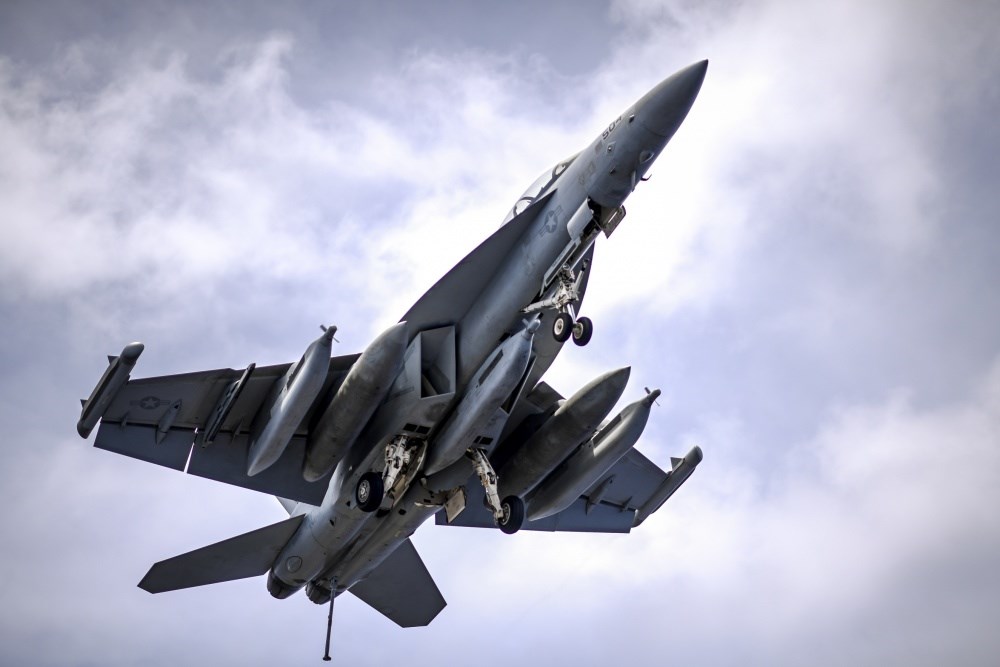
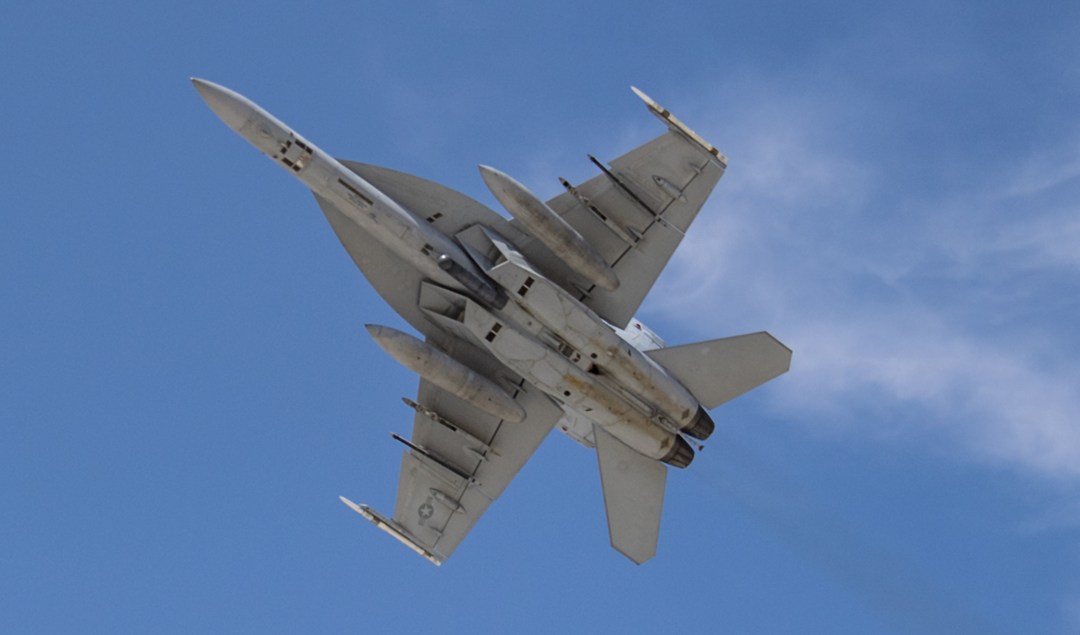
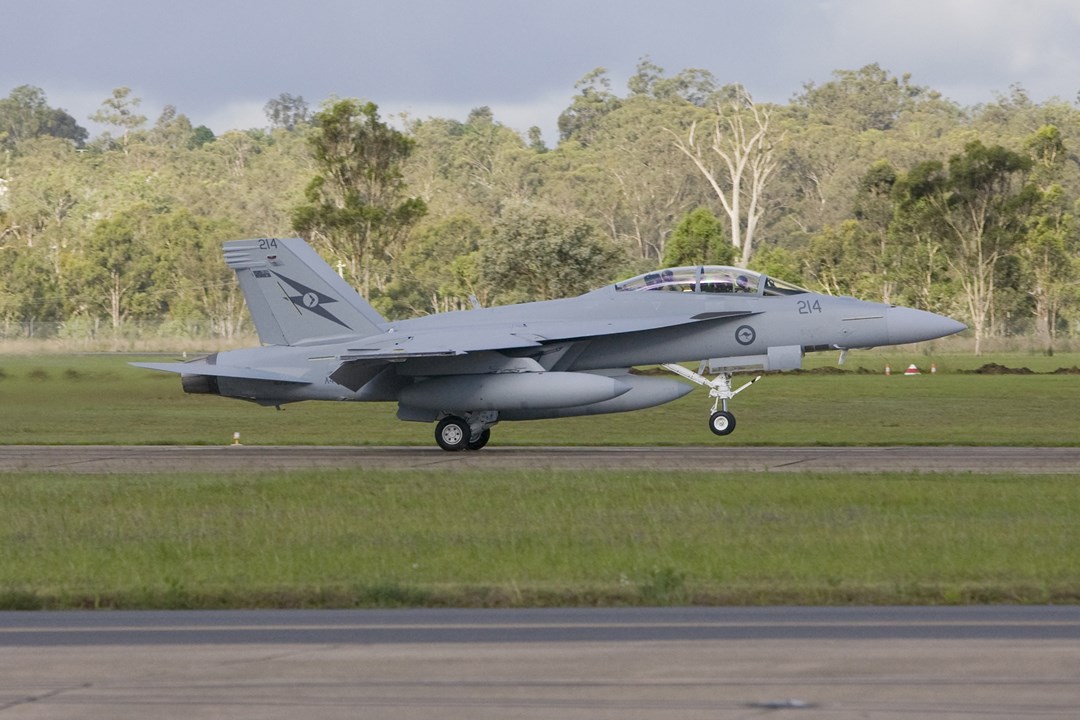
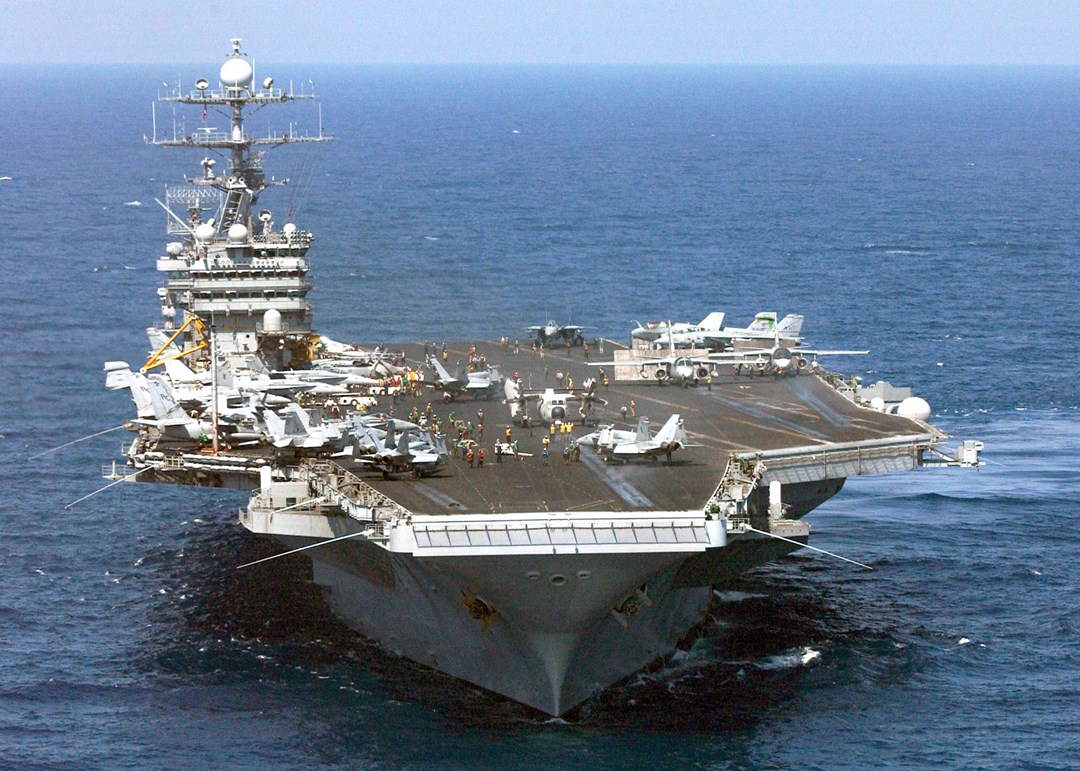
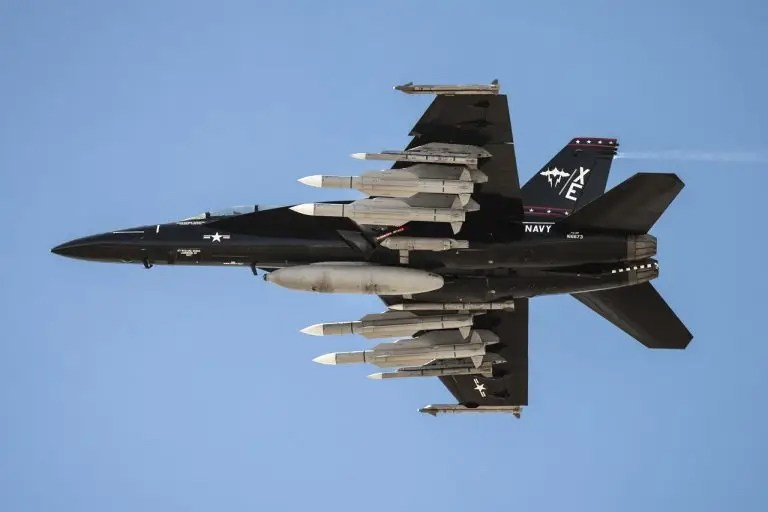
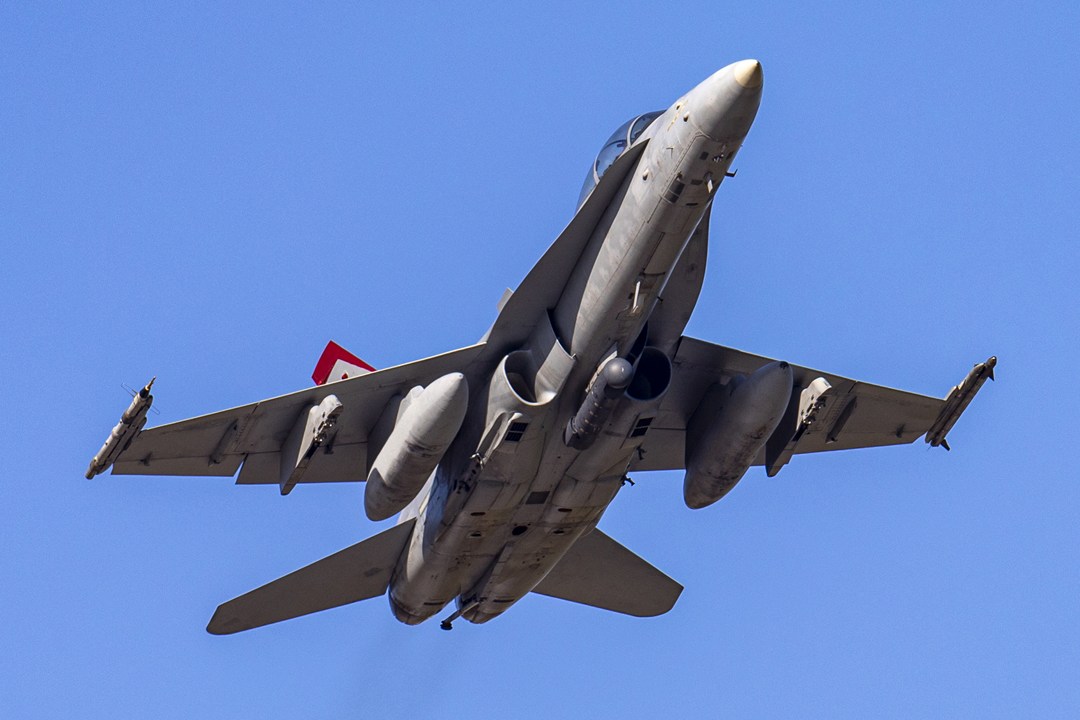
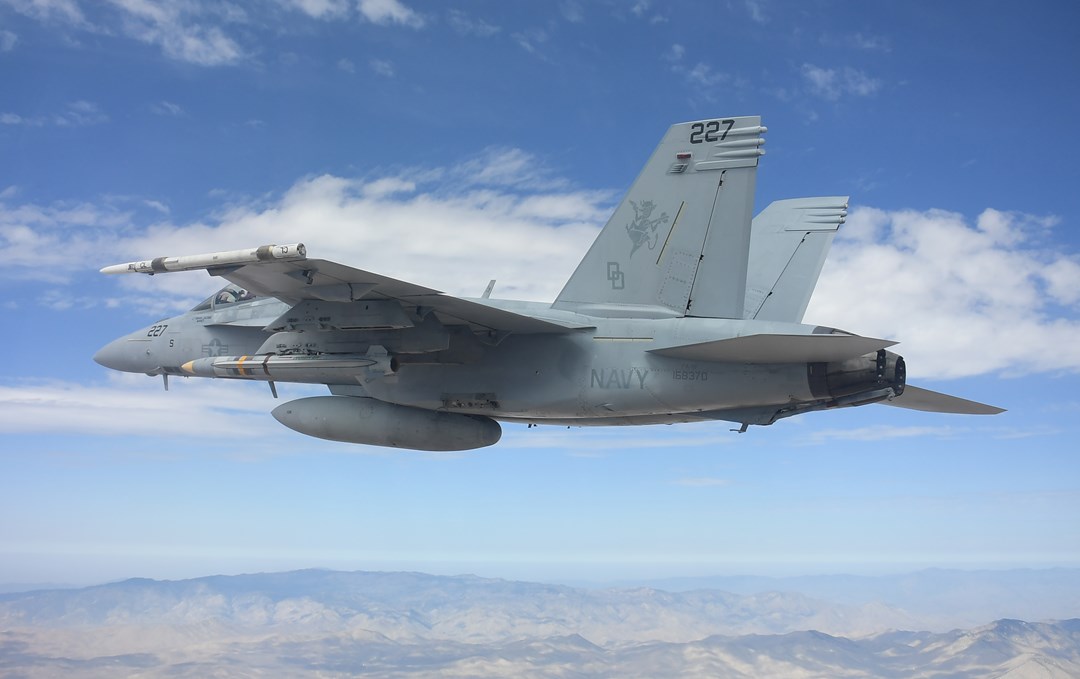
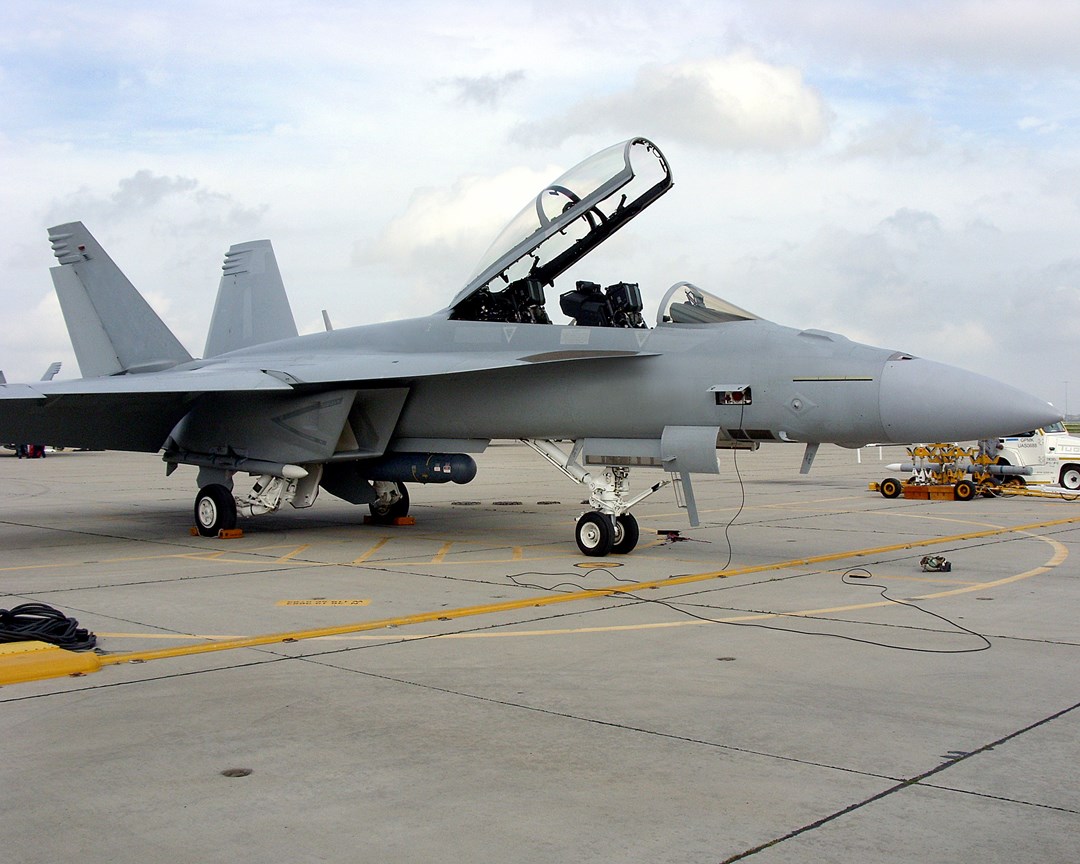
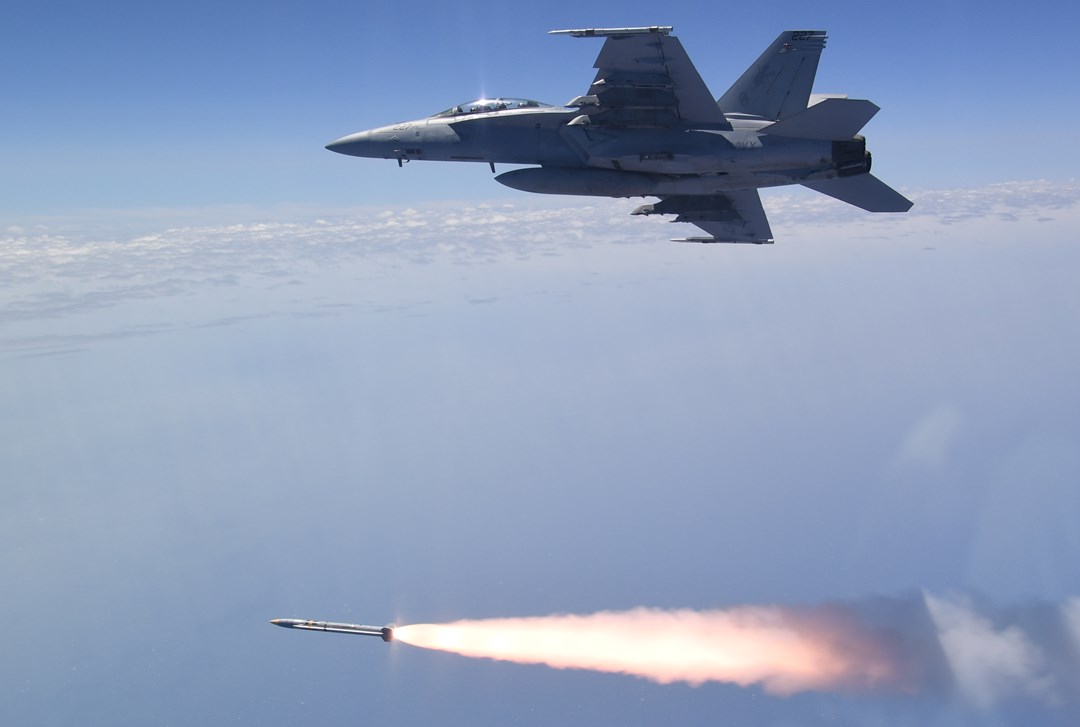
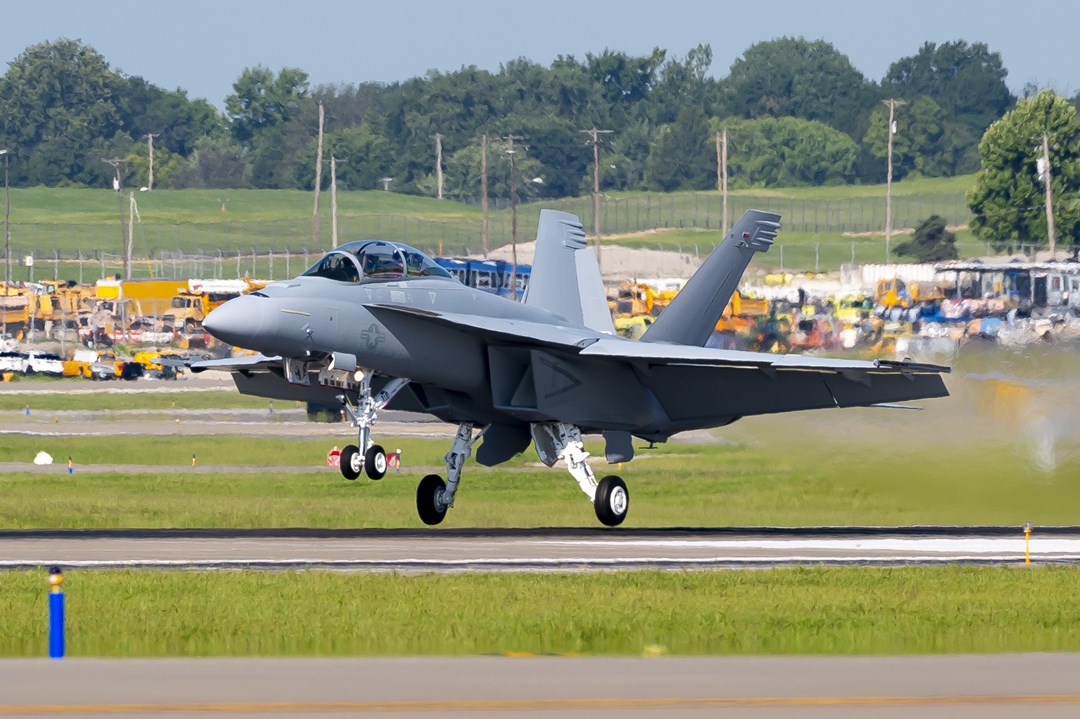
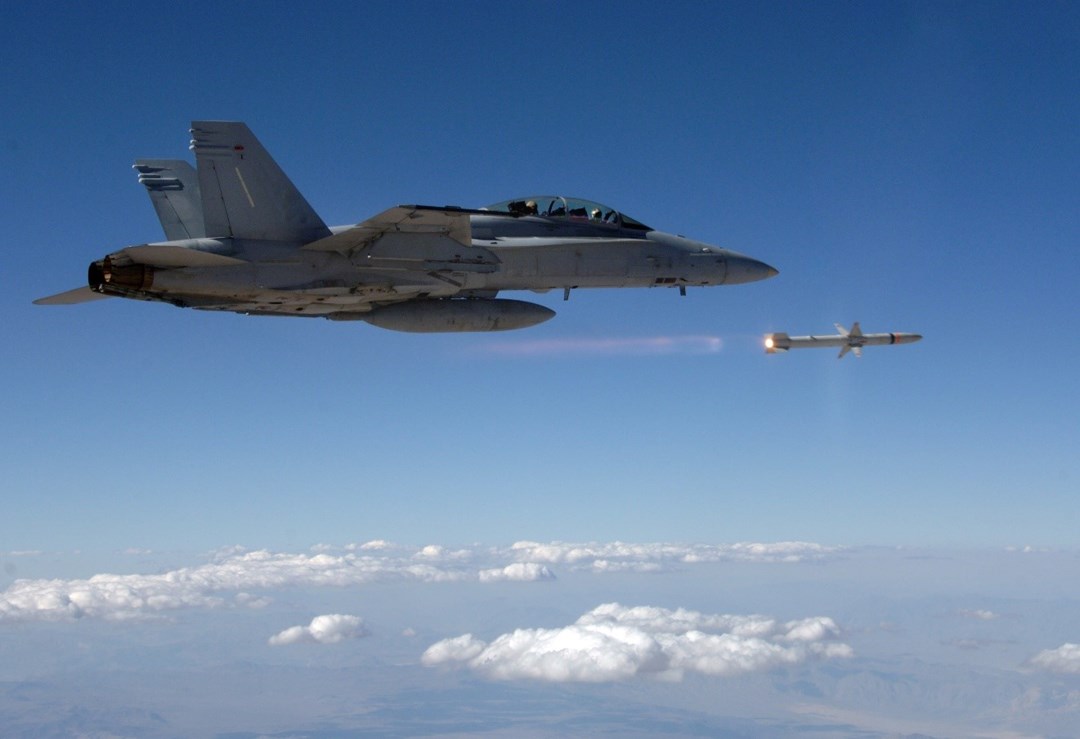
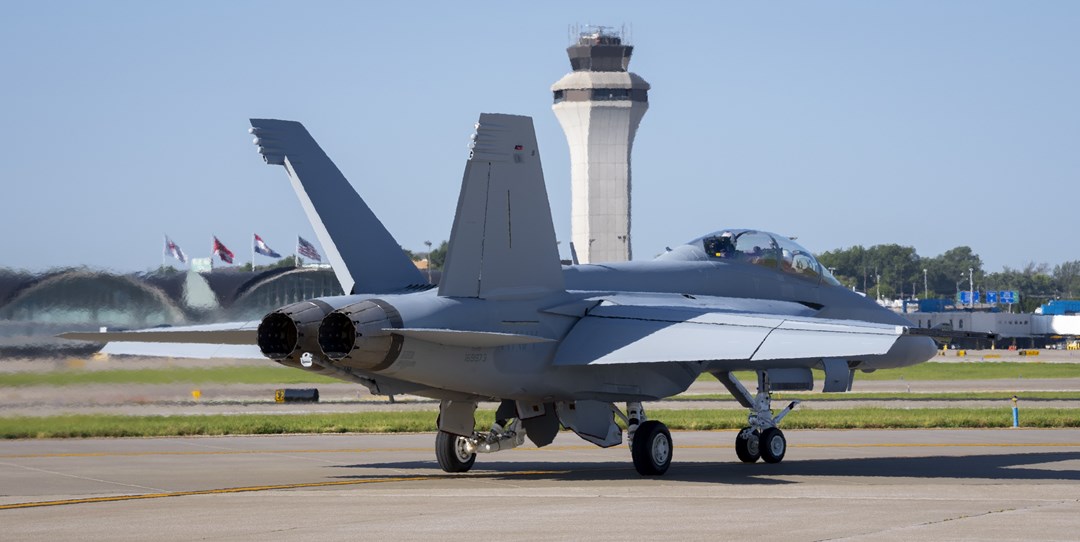
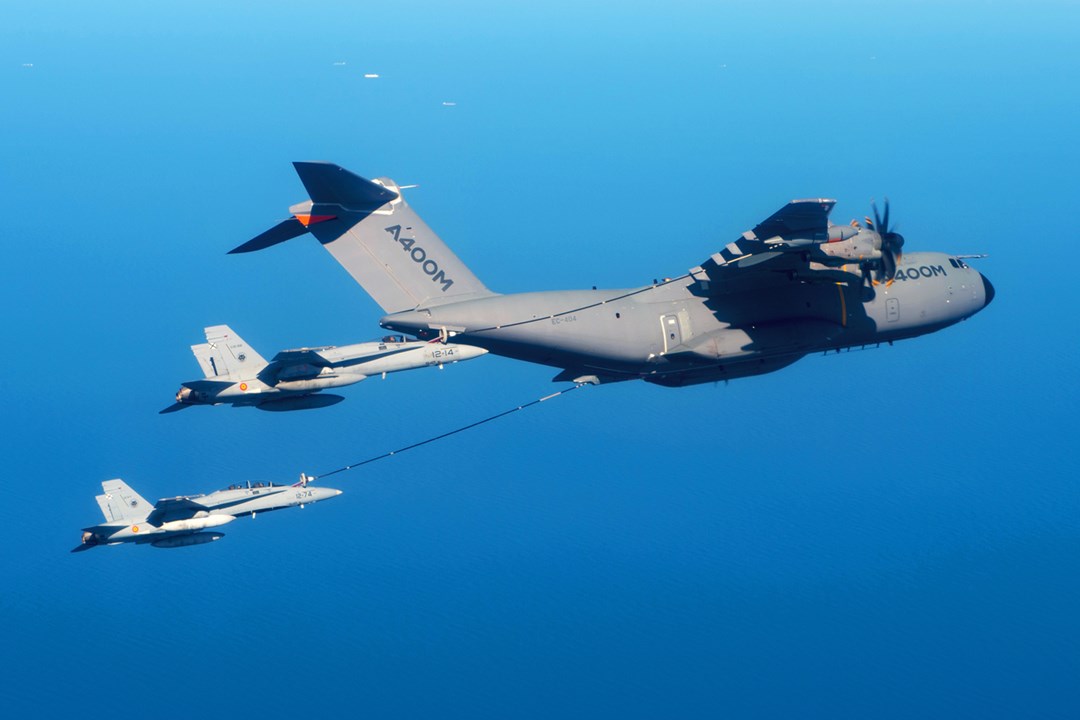
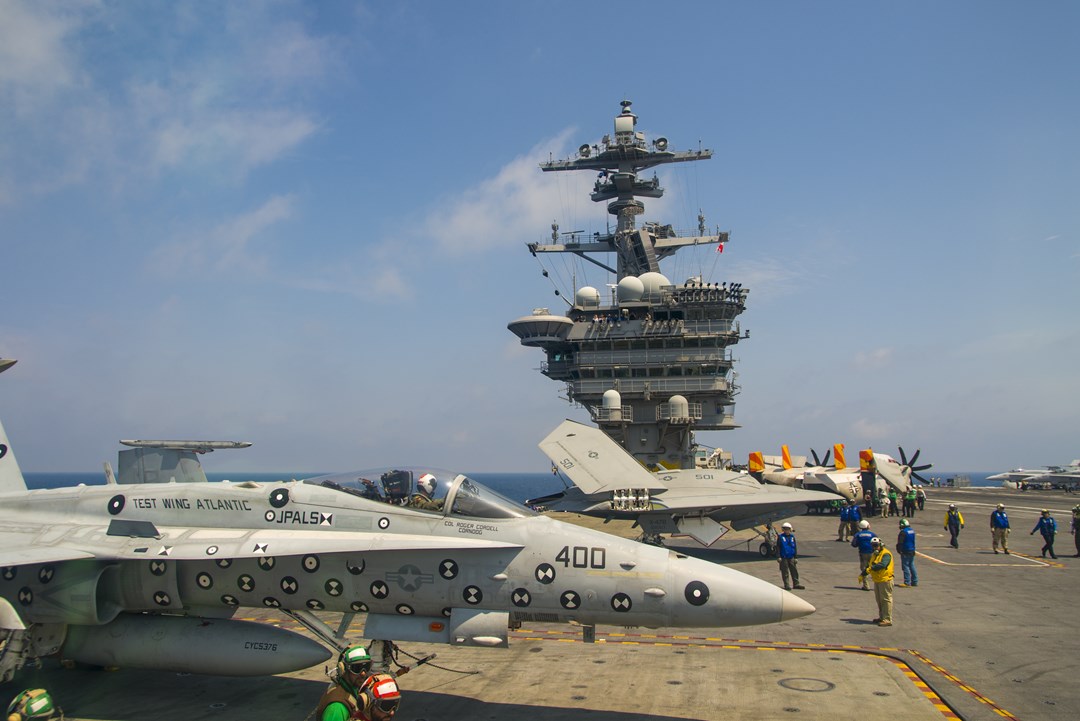
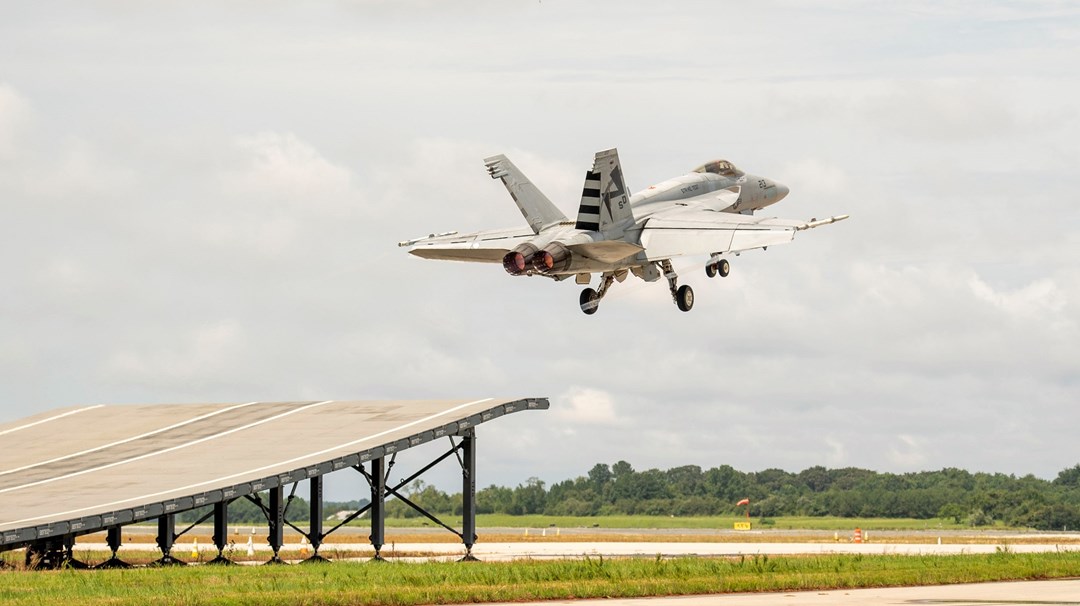
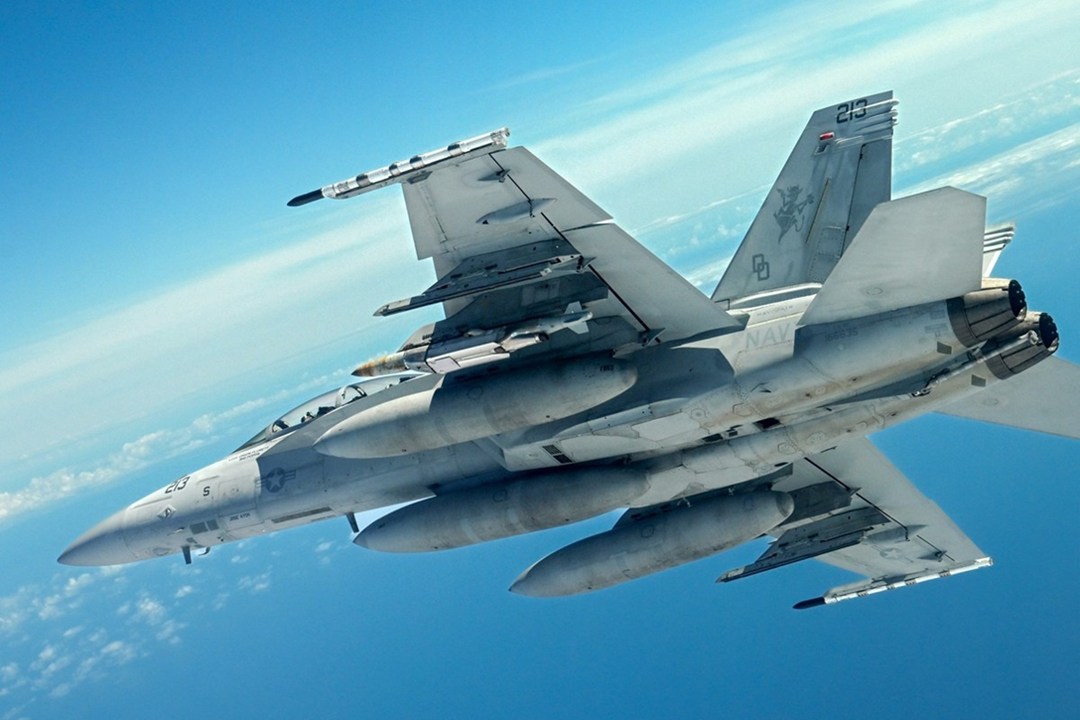
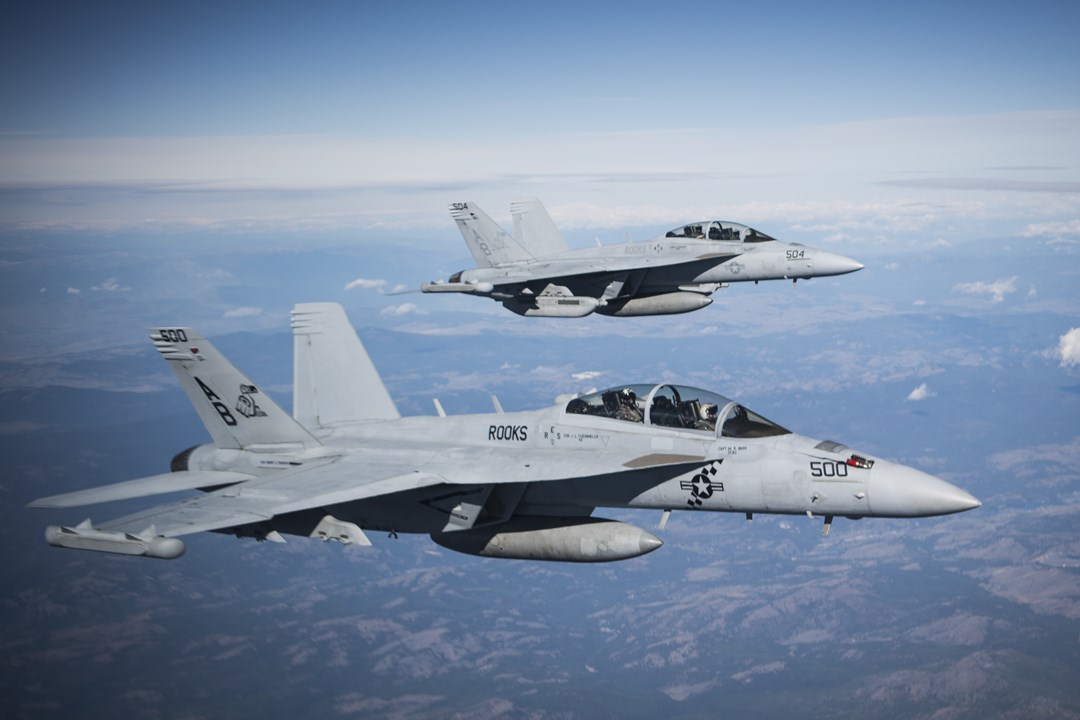
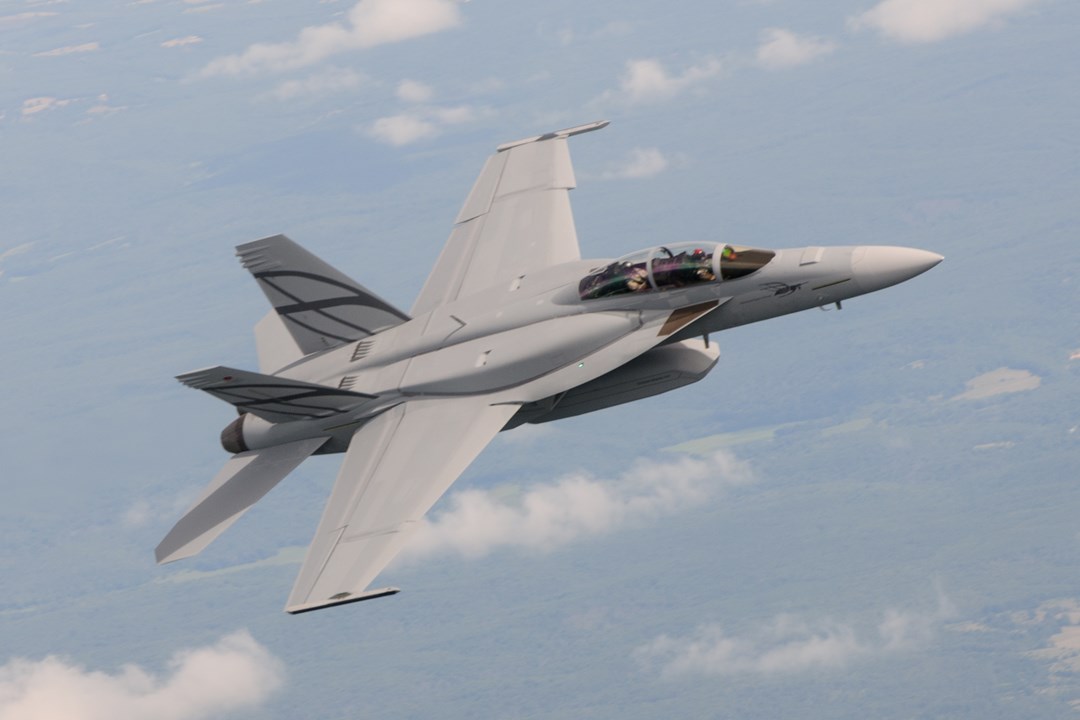
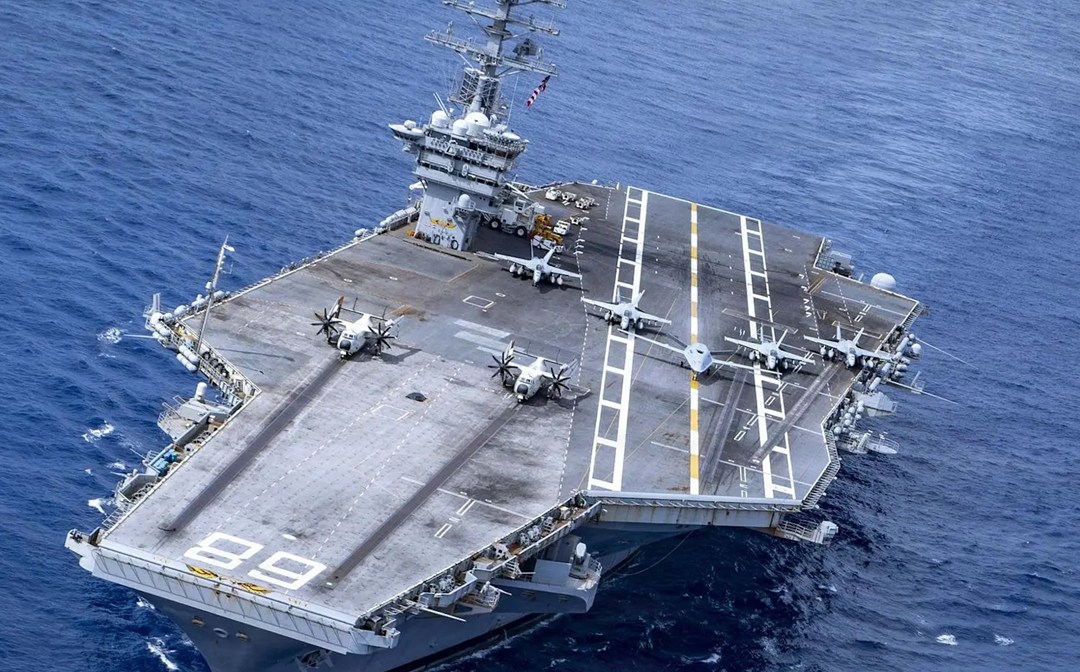
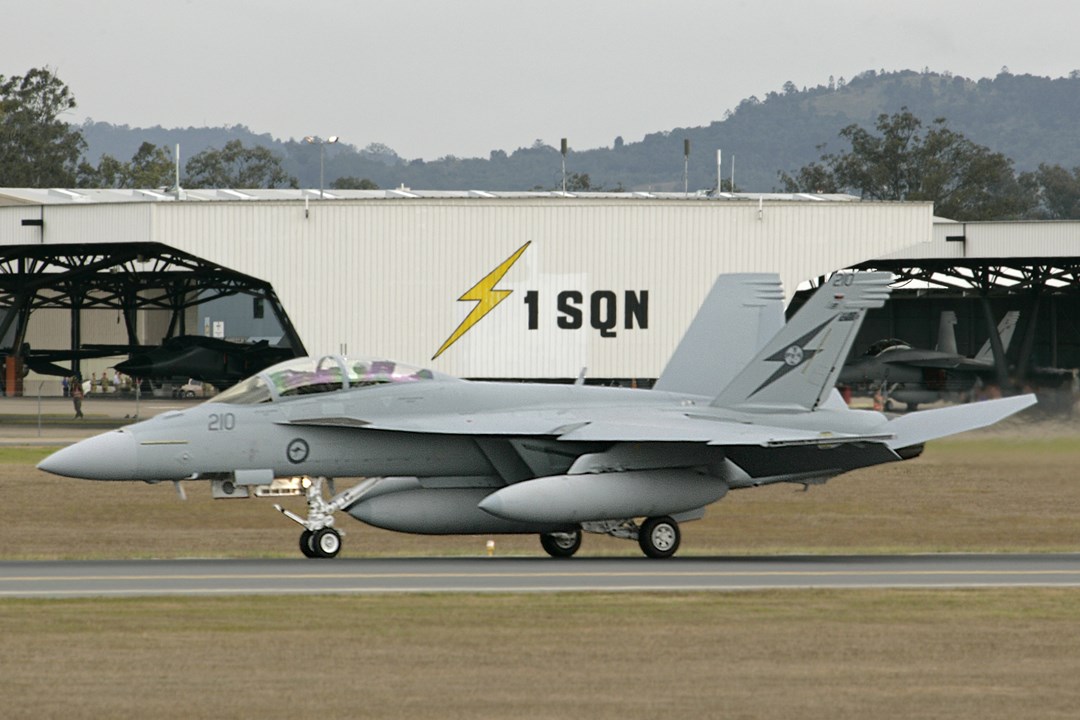
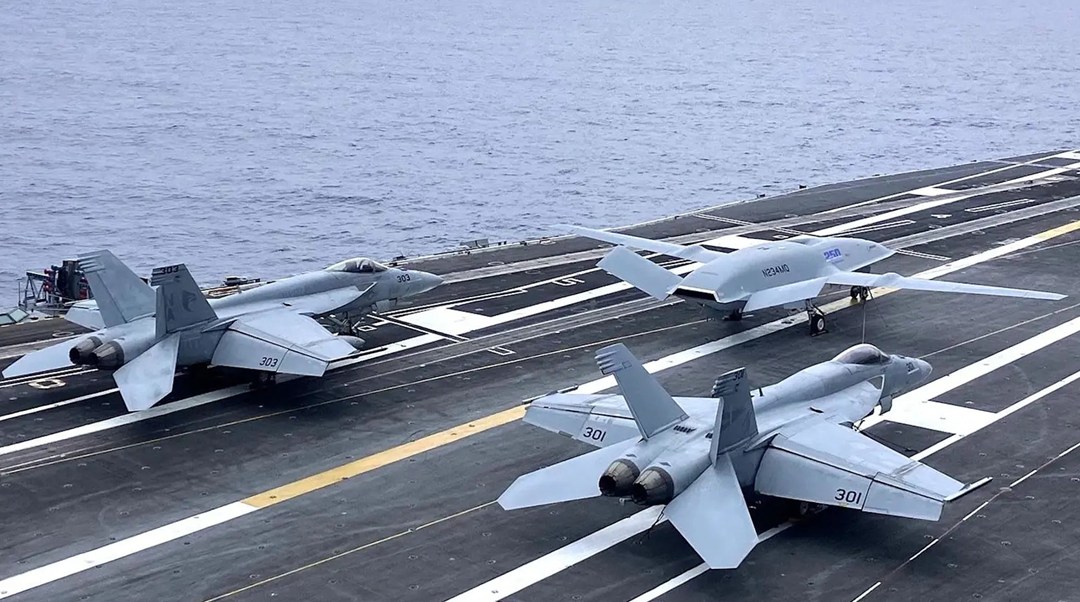
The twin-engine, carrier-based, supersonic F/A-18 Hornet was designed in the late 1970s and early 1980s to meet the US Navy requirements for an all-weather fighter and attack aircraft. This aircraft is able to perform an air strike mission deep inside enemy territory providing itself self-defense capability even beyond the visual range. It is also able to perform close air support missions. In its fighter role, the F/A-18 Hornet supplements the proven F-14 Tomcat in fleet air defense missions. The Hornet/Super Hornet multi-role aircraft is in service with the United States Marine Corps (USMC), the US Navy, and the Air Forces of Australia, Canada, Finland, Kuwait, Malaysia, Spain and Switzerland. More than 2,000 F/A-18s from the A, B, C, D, E, F and G models have been produced so far. The Hornet was deployed in early 1980s replacing the F-4 Phantom II and A-7 Corsair II, and the A-6E Intruder in the 1990s. The F/A-18 demonstrated its capabilities during Operation Desert Storm in 1991, shooting down enemy aircraft and performing precision air strikes during the same mission with unprecedented tactical aircraft levels of reliability, availability and maintainability. The US Navy and the USMC F/A-18s played an important role in the military campaigns over the former Yugoslavia, Afghanistan and Iraq in late 1990s and early 2000s. The Super Hornet introduced in the 2000s is a new generation of this aircraft incorporating the latest stealth and information technologies and are intended to serve until 2040.
deagel.com: https://www.deagel.com/x/x/a000542