Space Launch System
Space Launch System
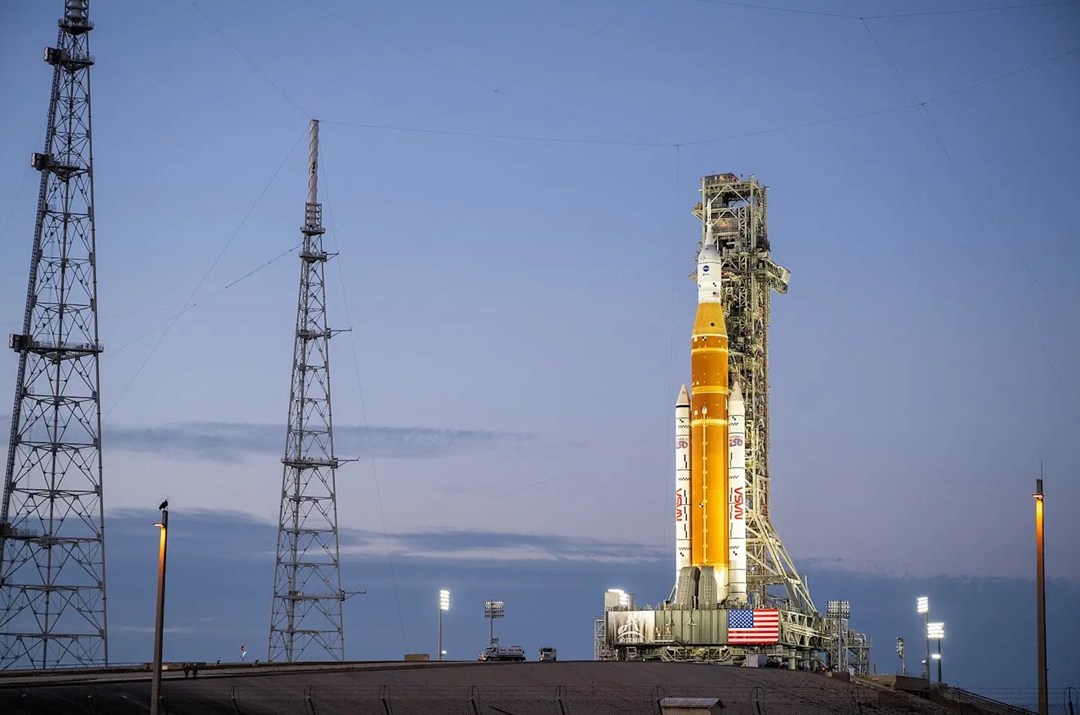
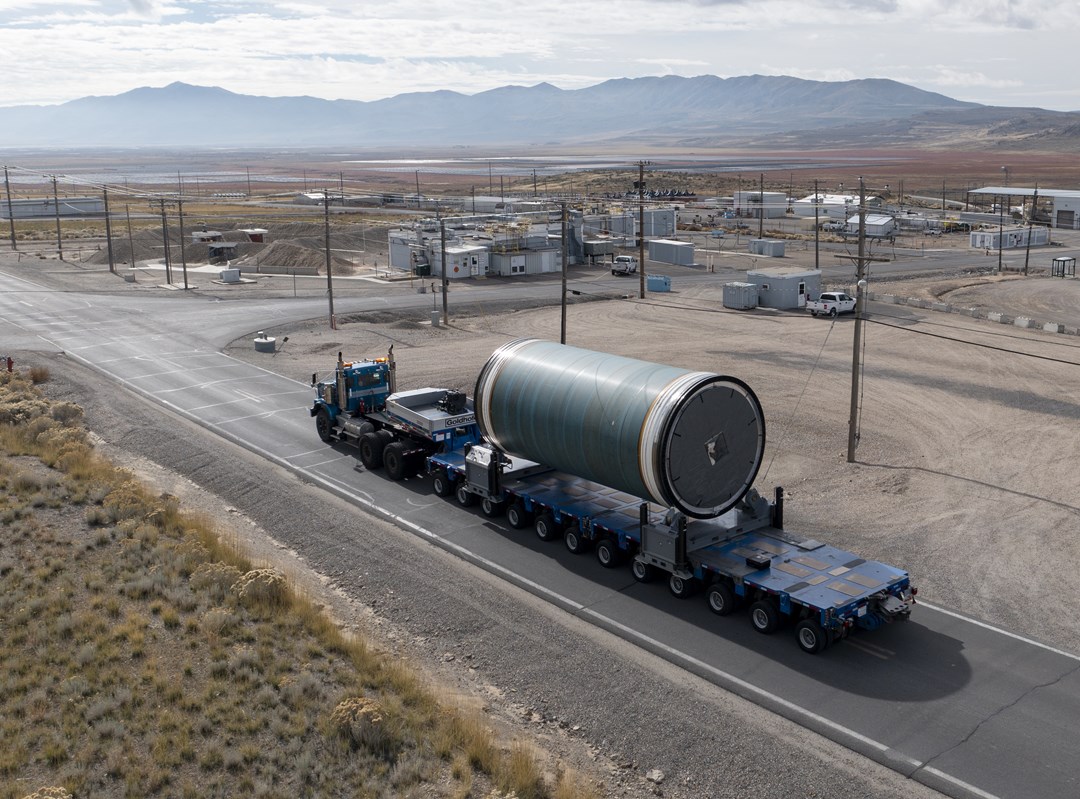
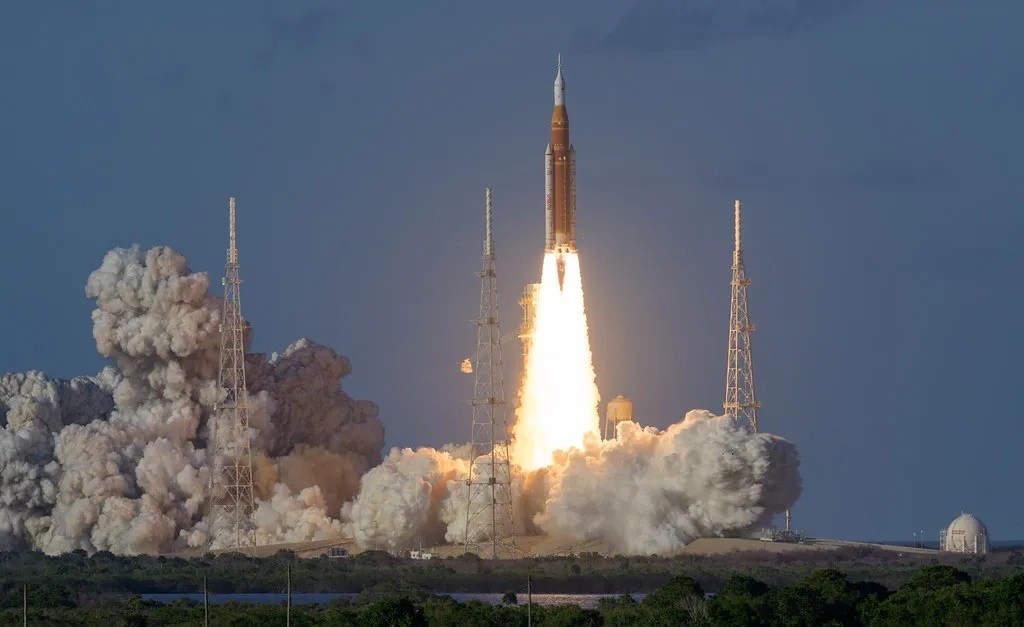
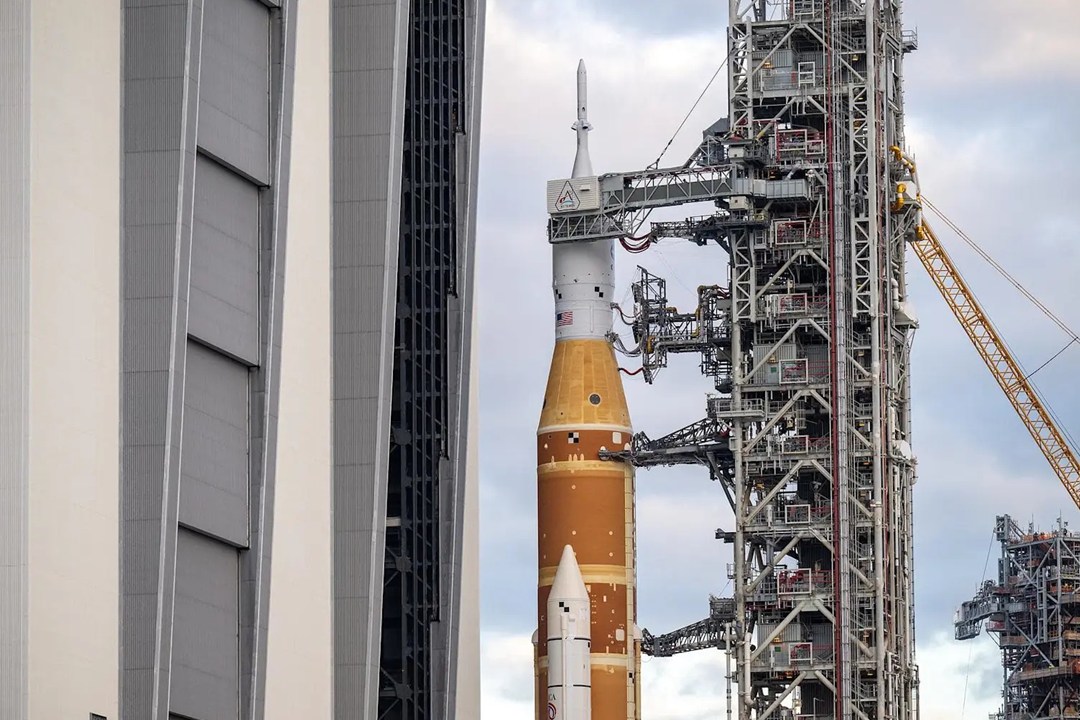
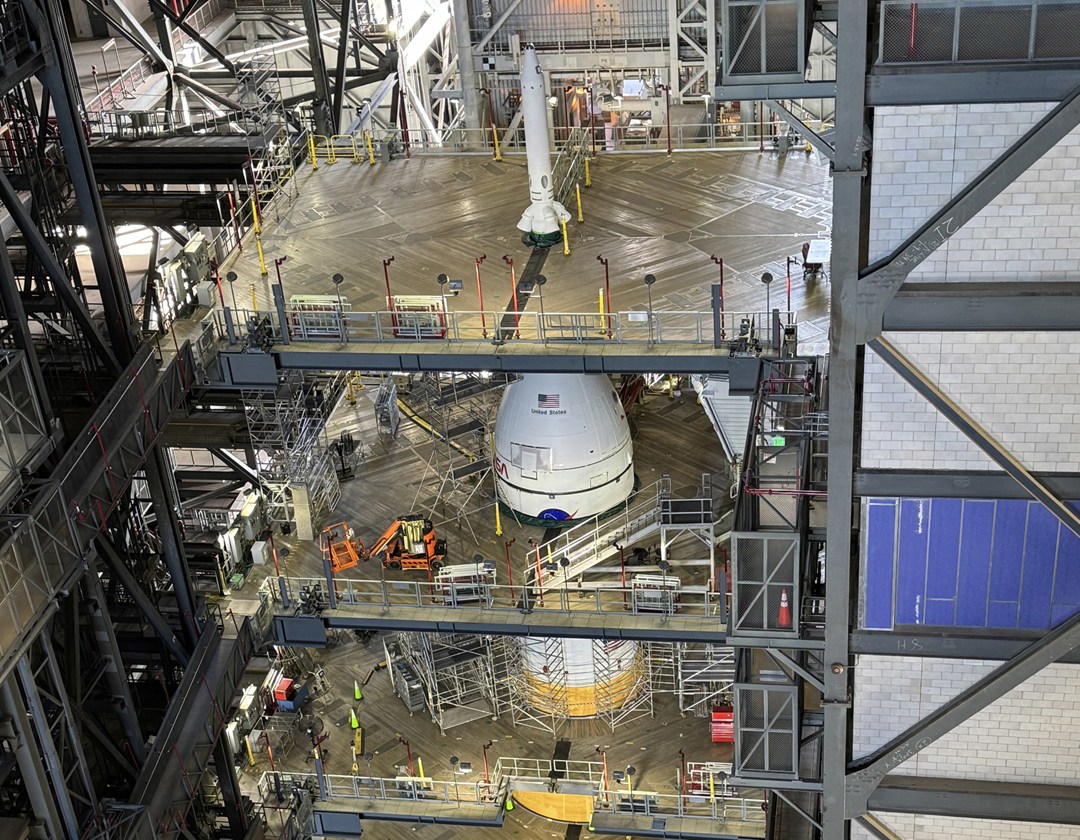
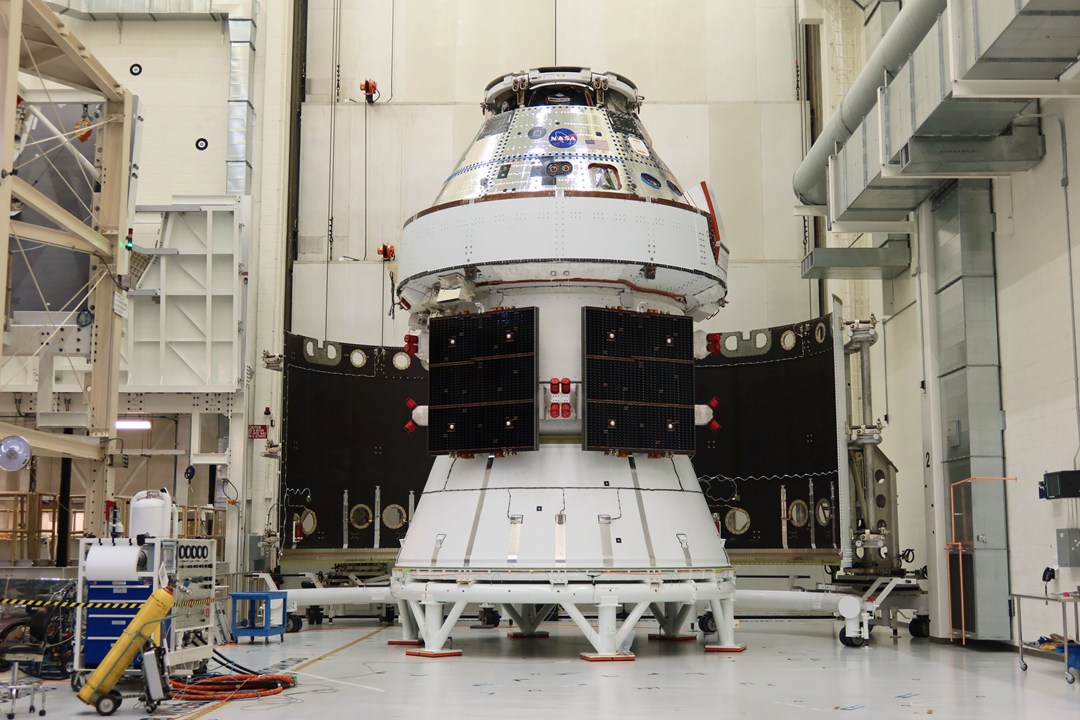
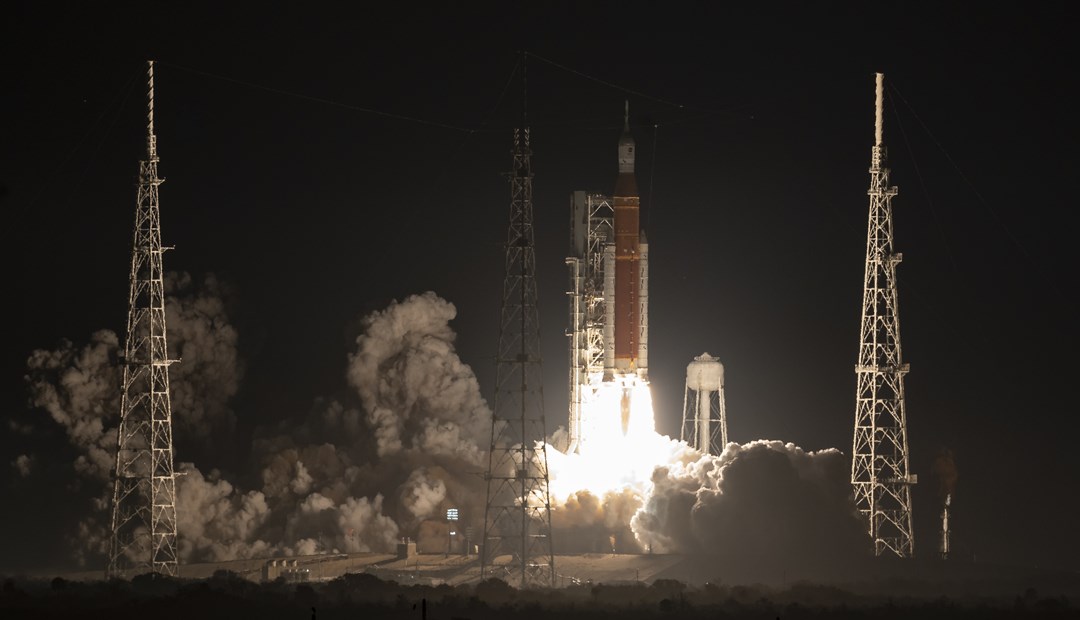
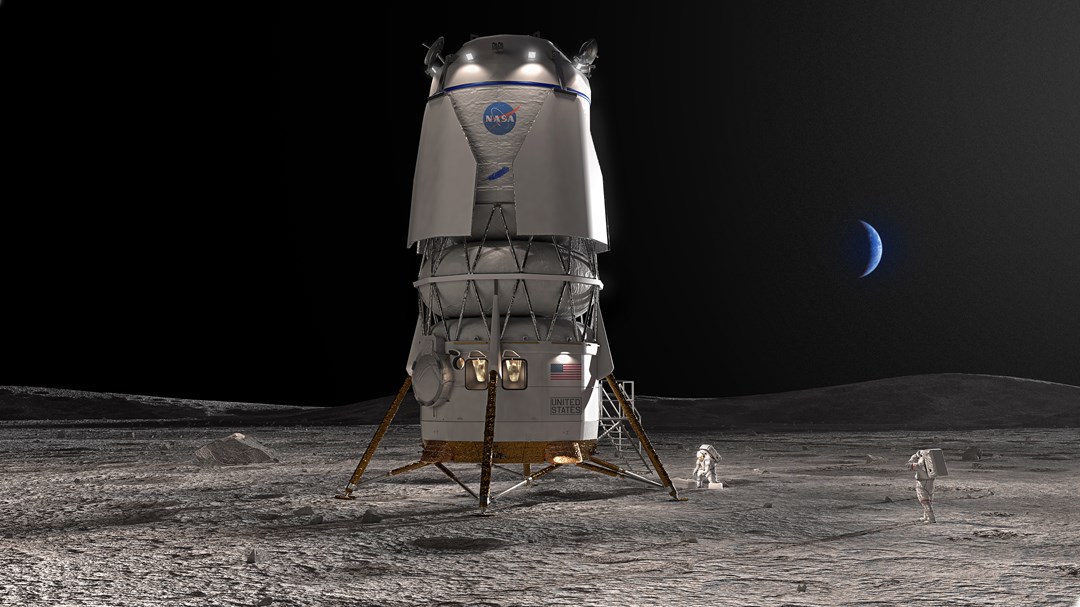
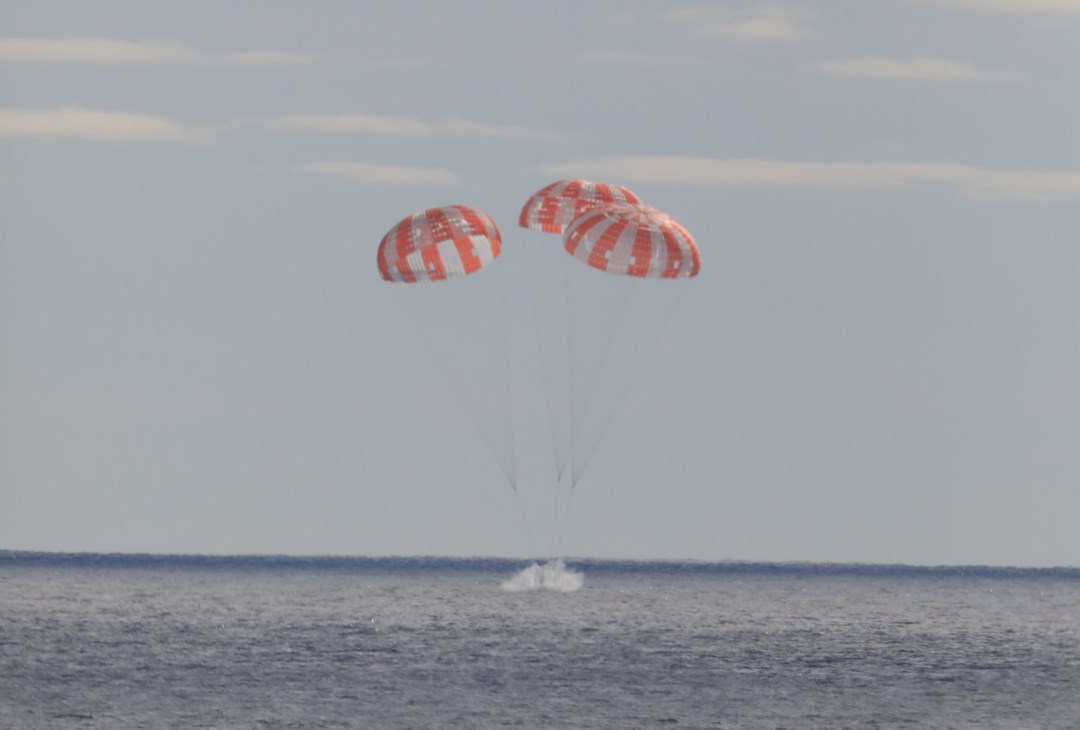
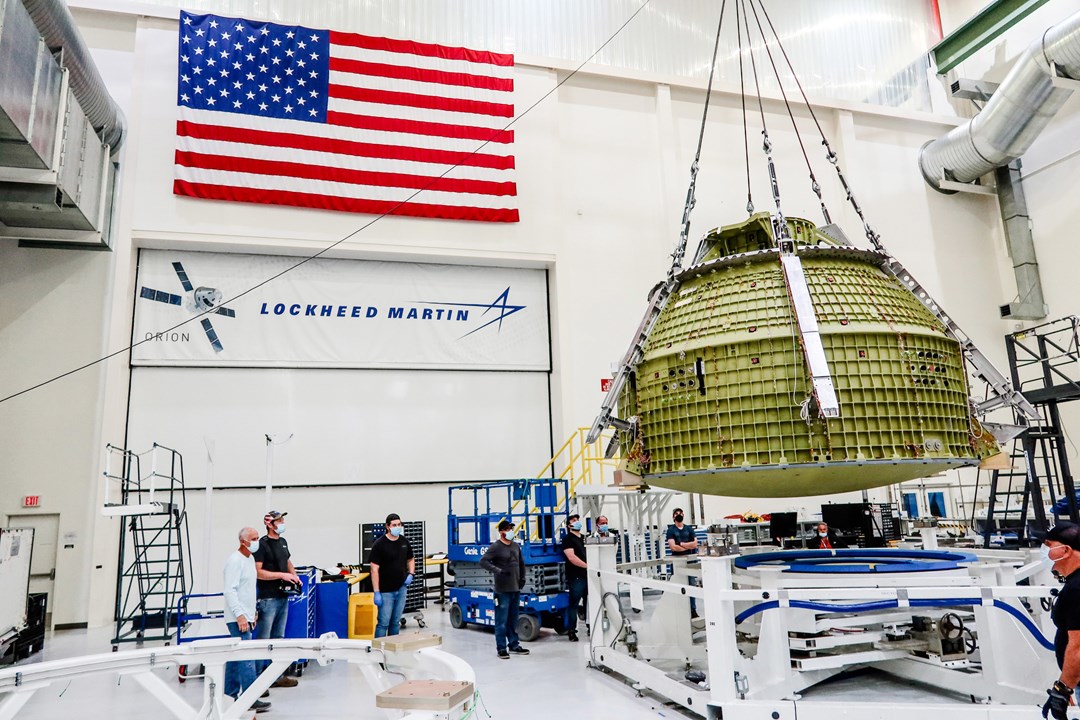
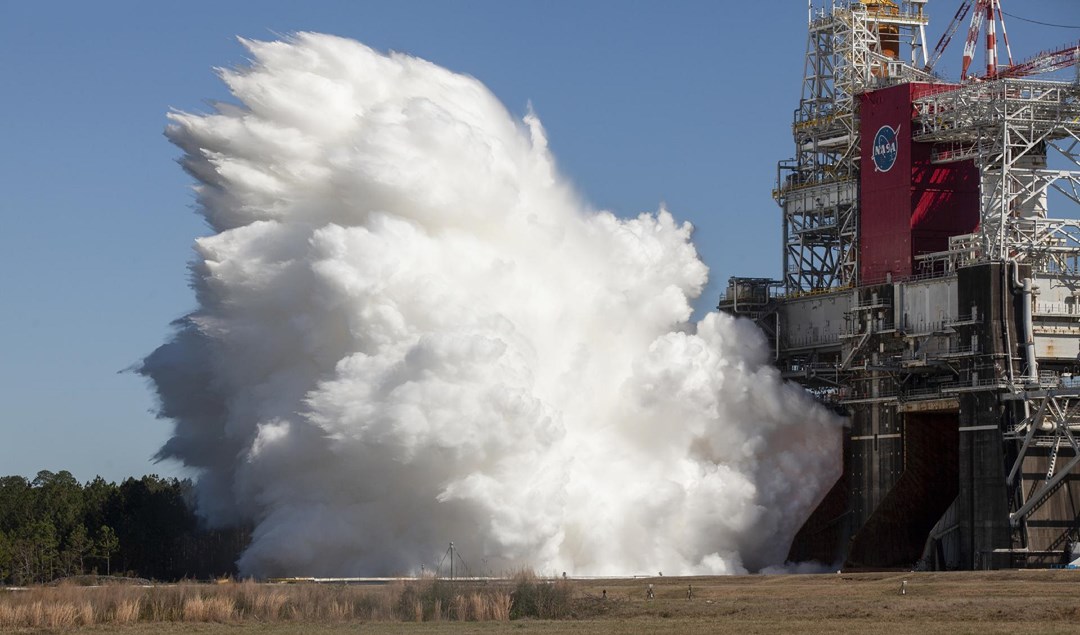
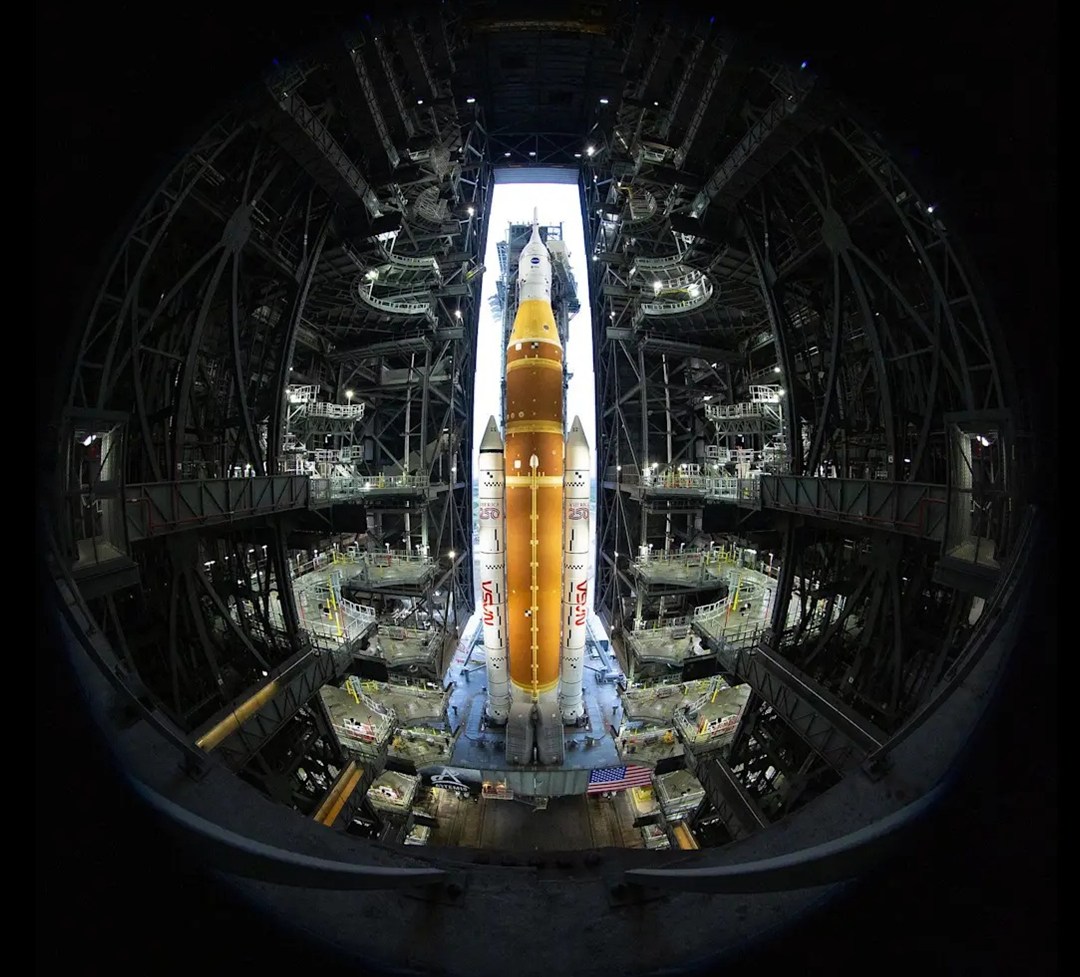
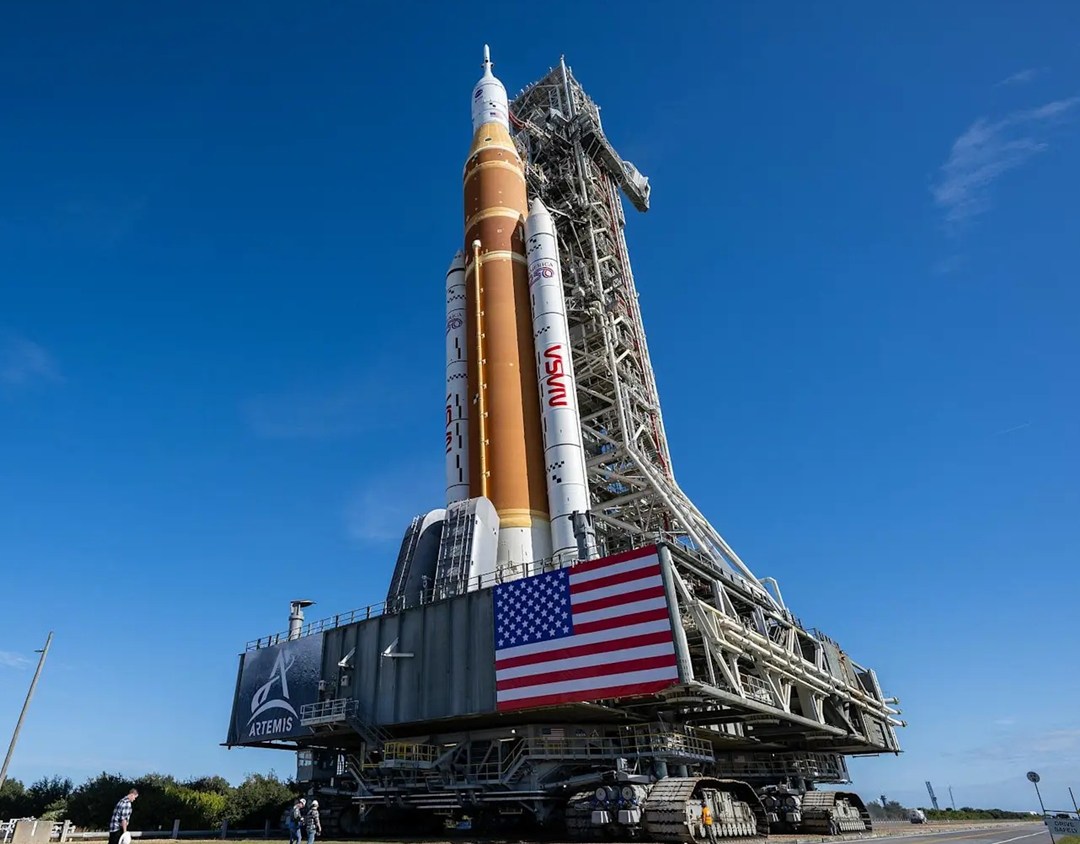
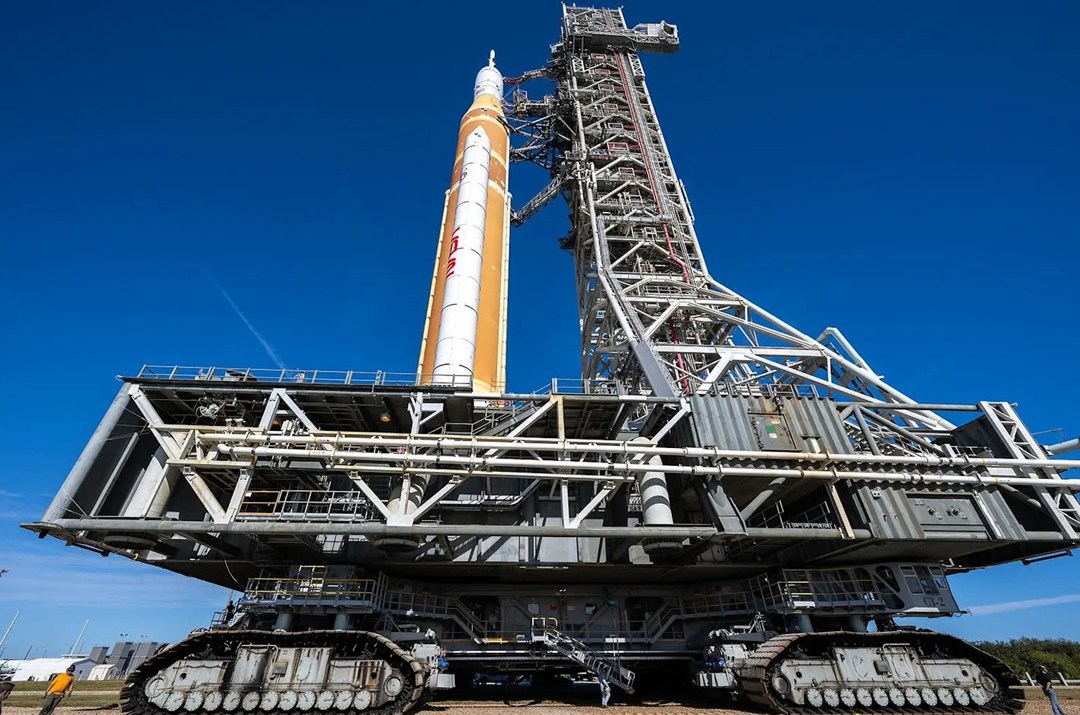

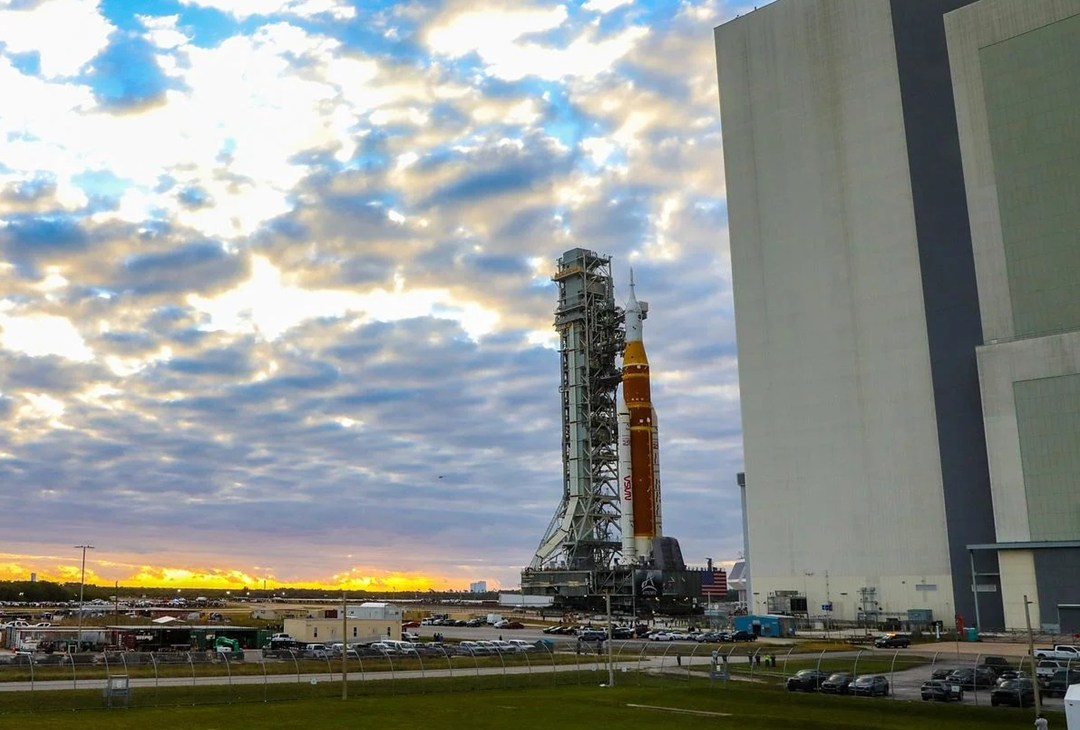
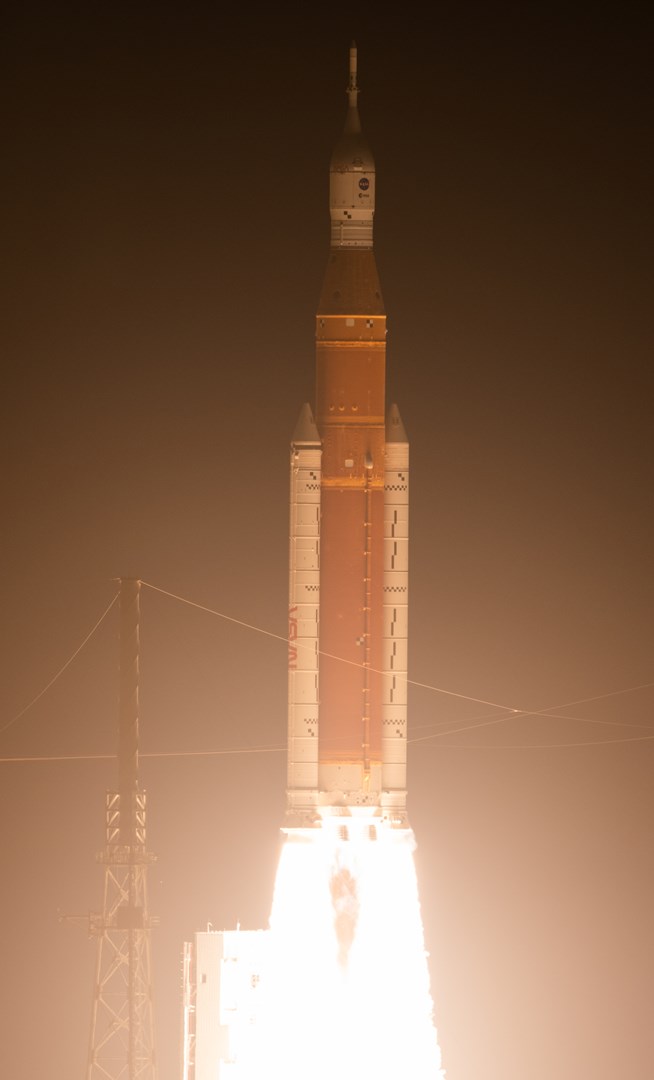
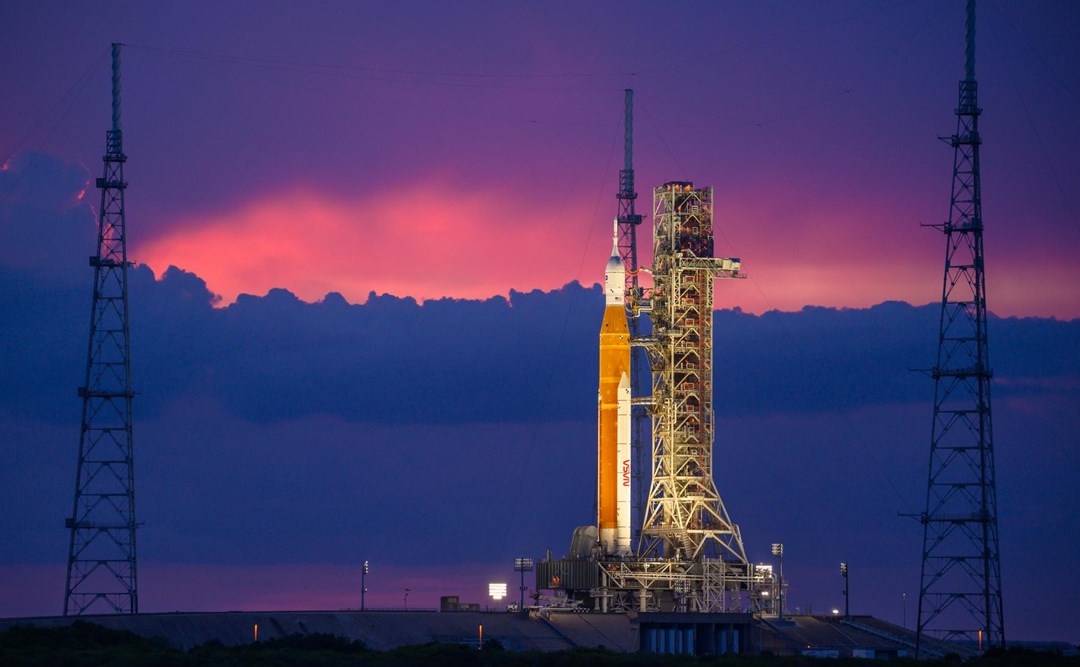
The NASA's Space Launch System (SLS) is a deep space exploration initiative aimed at developing a family of modular heavy-lift launch vehicles to transport spaceships and equipment. The SLS program has been designed to replace the failed Ares I and Ares V space rockets while delivering a more affordable and sustainable launch vehicles. The SLS rocket will incorporate technological investments from the Space Shuttle Program and the Constellation Program in order to take advantage of proven hardware and cutting-edge tooling and manufacturing technology that will significantly reduce development and operations costs. The core stage utilizes three to five RS-25D/E rocket engines that burns a mixture of liquid hydrogen and liquid oxygen. The J-2X rocket engine using liquid hydrogen and liquid oxygen has been selected for the upper stage. Besides, SLS will also use solid rocket boosters and follow-on boosters based on performance requirements. The first development flight is targeted for the end of 2017. The new exploration-class vehicle since the Saturn V that took the United States of America to the Moon should be operational by 2018. SLS should expand NASA's reach in the solar system and allow to explore the space around the Moon, near-Earth asteroids, Mars and its moons and beyond. Its modular architecture is aimed to configure each launch vehicle for specific mission needs using a variation of common elements to achieve a variety of payload volumes and weights.
deagel.com: https://www.deagel.com/x/x/a002712