E-9A
E-9A
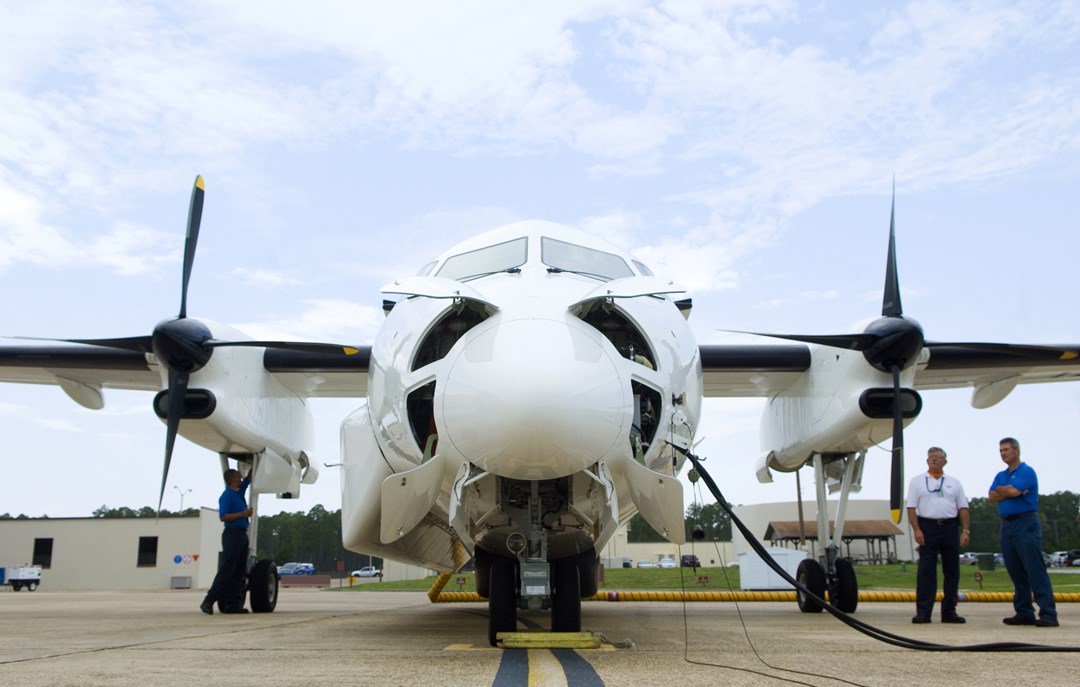
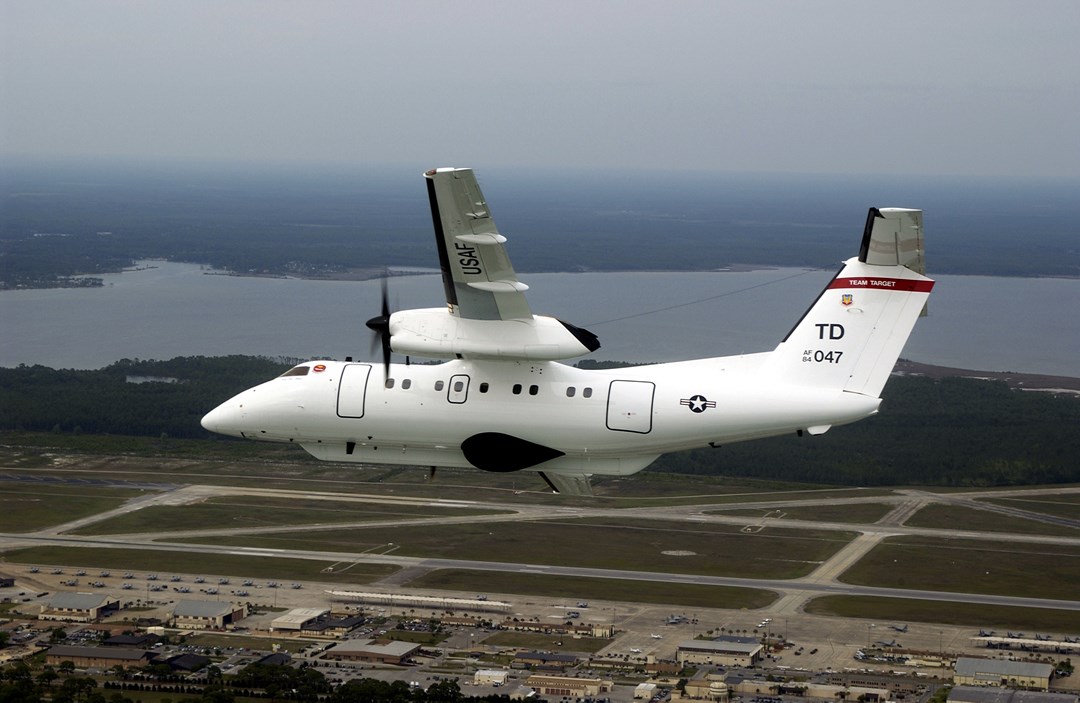
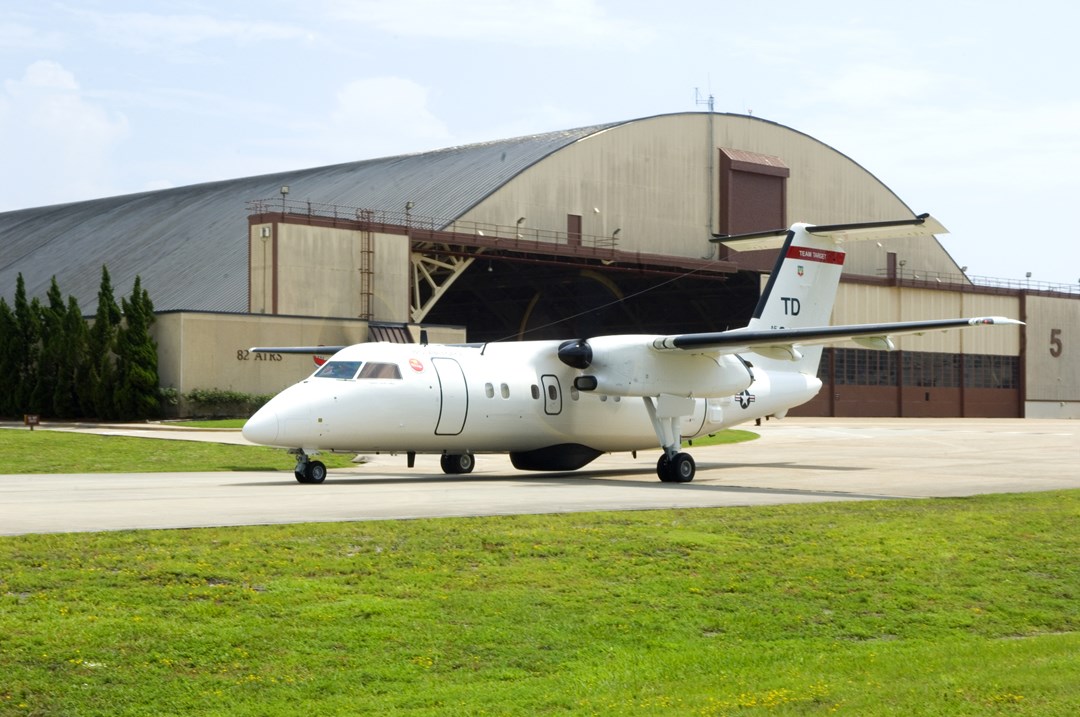
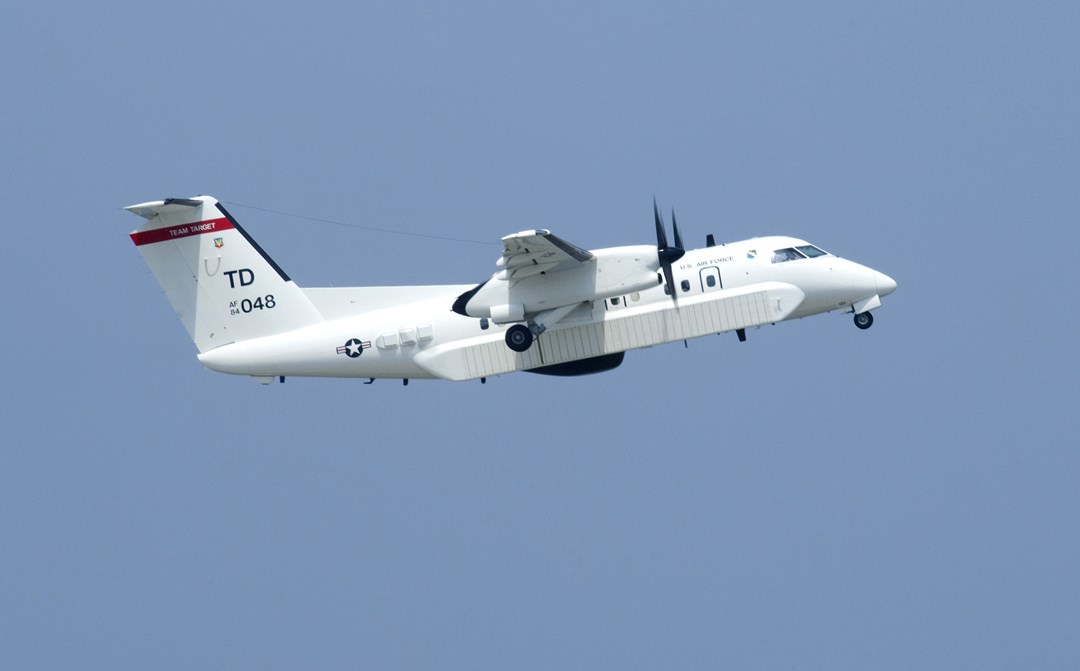
The United States Air Force E-9A is an airborne ocean surface surveillance and telemetry data recording and relay aircraft used as a surveillance platform to ensure the Gulf of Mexico waters are clear of civilian boaters and aircraft during live missile launches and other hazardous military activities. The twin turboprop is a derivative of the Q100 airliner fitted with the AN/APS-143(V)1 Airborne Sea Surveillance Radar to detect objects in the Gulf of Mexico. The aircraft was developed in the 1980s. Sierra Research carried out the modification work on the Q100 platform supplied by Bombardier. The E-9A also provides support for air-to-air weapons system evaluation, development and operational testing at Tyndall Air Force Base, Florida. Besides, this airplane can be used in short-haul regional airline operations in its civilian capacity. The first of two E-9As operated by the US Air Force was declared operational in June 1988. The E-9A aircraft can detect a person in a life raft up to 25 miles away in the water. It downlinks this telemetry data to the range safety officer who determines the shoot area for live-fire activity. The aircraft has a fixed antenna array that receives and records telemetry from test and drone vehicles flying over the Gulf of Mexico. It has the capability to relay two airborne UHF frequencies over the horizon to ground sites. The E-9A has a four-man crew, two pilots and two mission operators. So far, the 82nd Aerial Targets Squadron located at Tyndall Air Force Base (AFB) has supported proof of concept for the advanced cruise missile, the Navy Fjord missile program, and F-22 Raptor live missile testing.
deagel.com: https://www.deagel.com/x/x/a002717