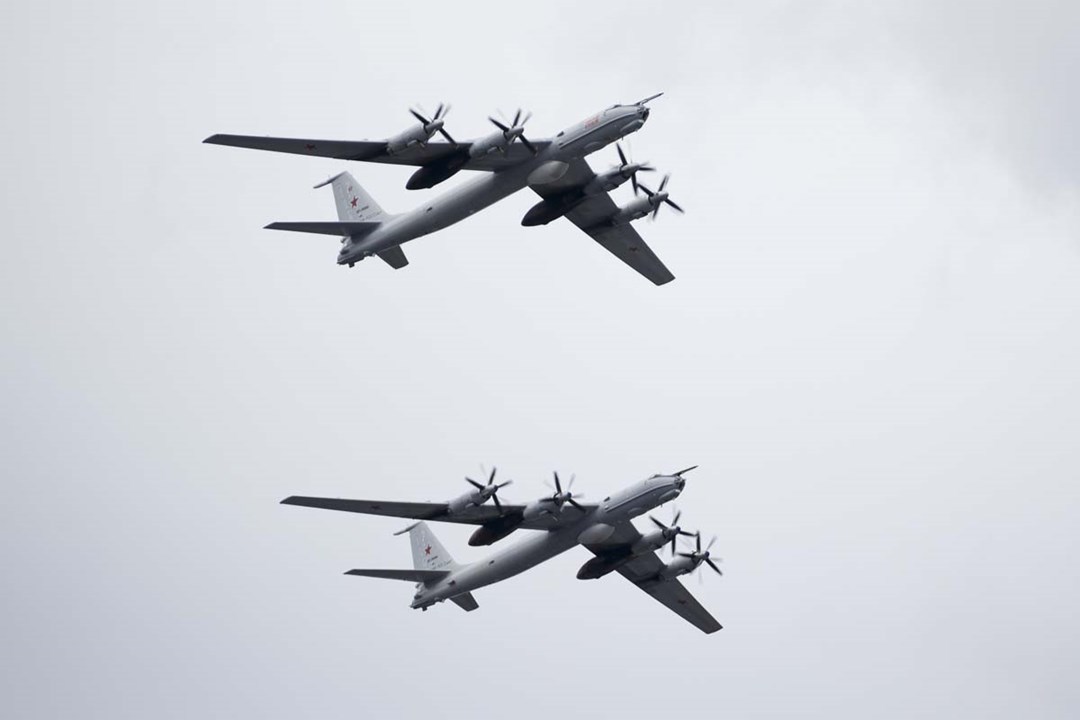
TU-142 (Bear F) Russian Long-Range Anti-Submarine Warfare (ASW) Aircraft
TU-142
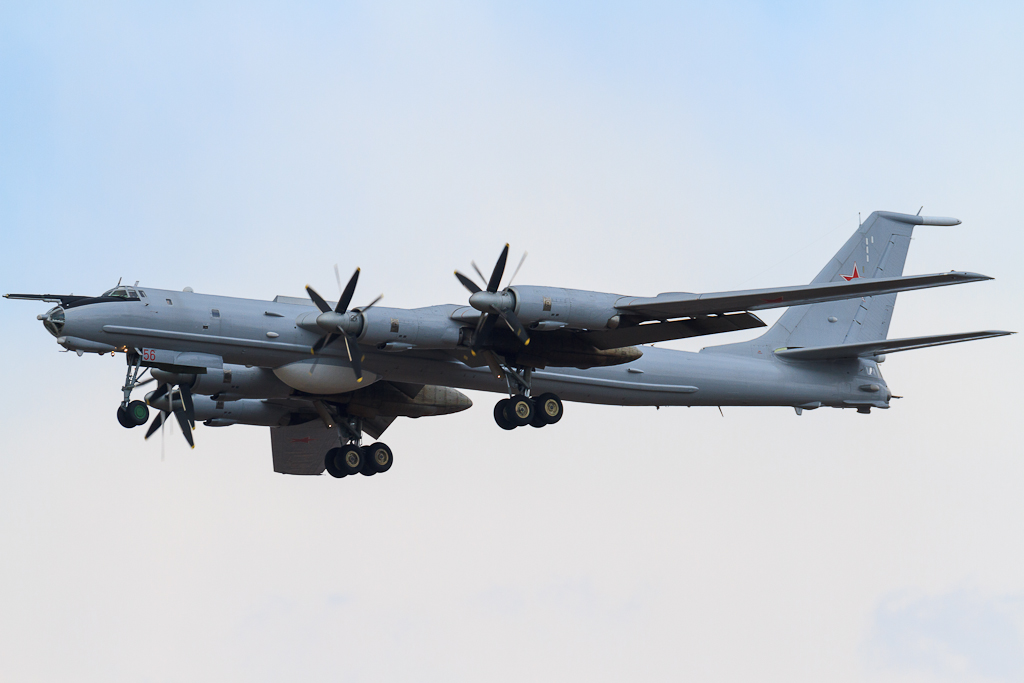
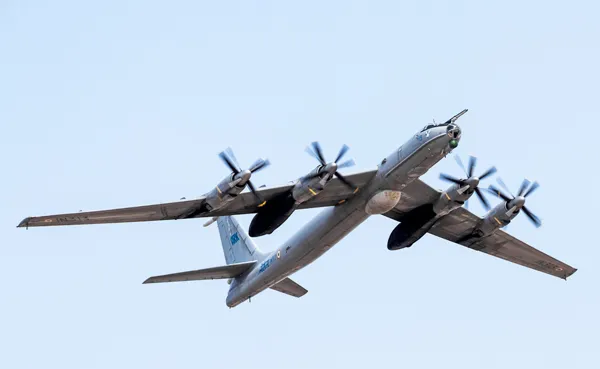
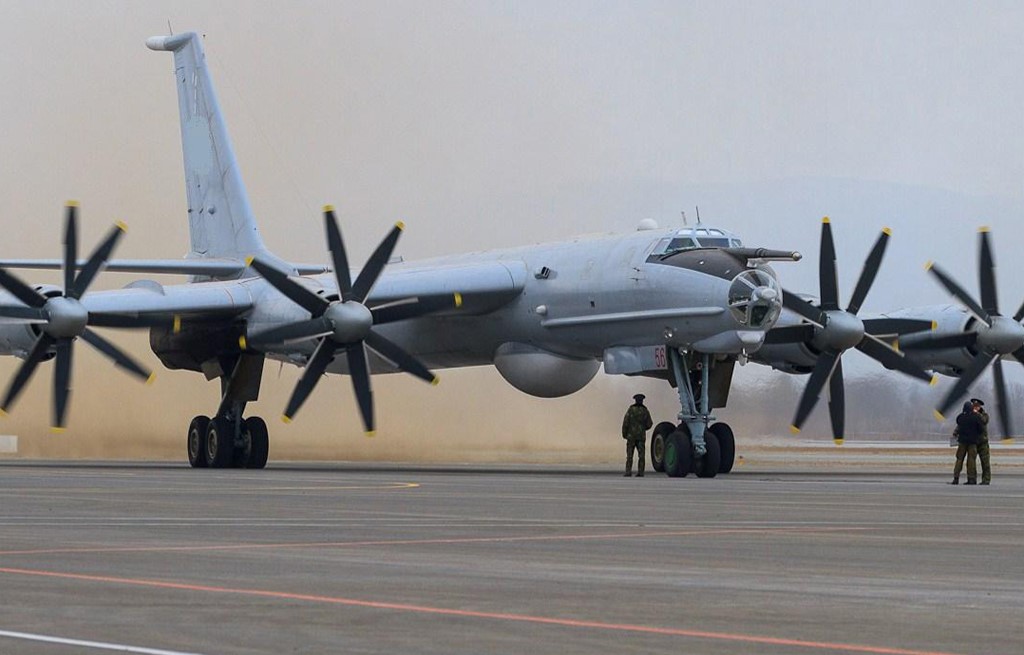
TU-142 (Bear F) Russian Long-Range Anti-Submarine Warfare (ASW) Aircraft is a Soviet/Russian maritime reconnaissance and anti-submarine warfare (ASW) aircraft derived from the Tu-95 turboprop strategic bomber. A specialized communications variant designated Tu-142MR was tasked with long-range communications duties with Soviet ballistic missile submarines. The Tu-142 was designed by the Tupolev design bureau and manufactured by the Kuibyshev Aviation and Taganrog Machinery Plants from 1968 to 1994. Formerly operated by the Soviet Navy and Ukrainian Air Force, the Tu-142 currently serves with the Russian Navy. Developed in response to the American Polaris program, the Tu-142 grew out of the need for a viable Soviet ASW platform. It succeeded the failed Tu-95PLO project, Tupolev's first attempt at modifying the Tu-95 for maritime use. The Tu-142 differed from the Tu-95 in having a stretched fuselage to accommodate specialized equipment for its ASW and surveillance roles, a reinforced undercarriage to support rough-field capability, improved avionics and weapons, and enhancements to general performance. The Tu-142's capability was incrementally improved while the type was in service, eventually resulting in the Tu-142MZ, the final long-range Tu-142 with highly sophisticated combat avionics and a large payload. Tupolev also converted a number of Tu-142s as avionics (Tu-142MP) and engine (Tu-142LL) testbeds.
System
Ammunition
deagel.com: https://www.deagel.com/x/x/a000690