MQ-28 Ghost Bat Australian Unmanned Aerial Vehicle (UAV)
MQ-28 Ghost Bat


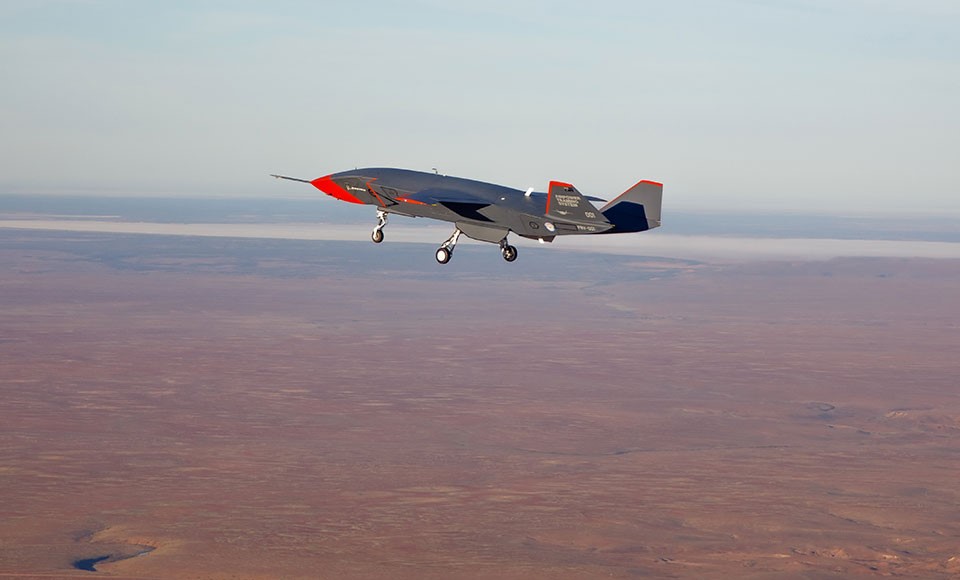

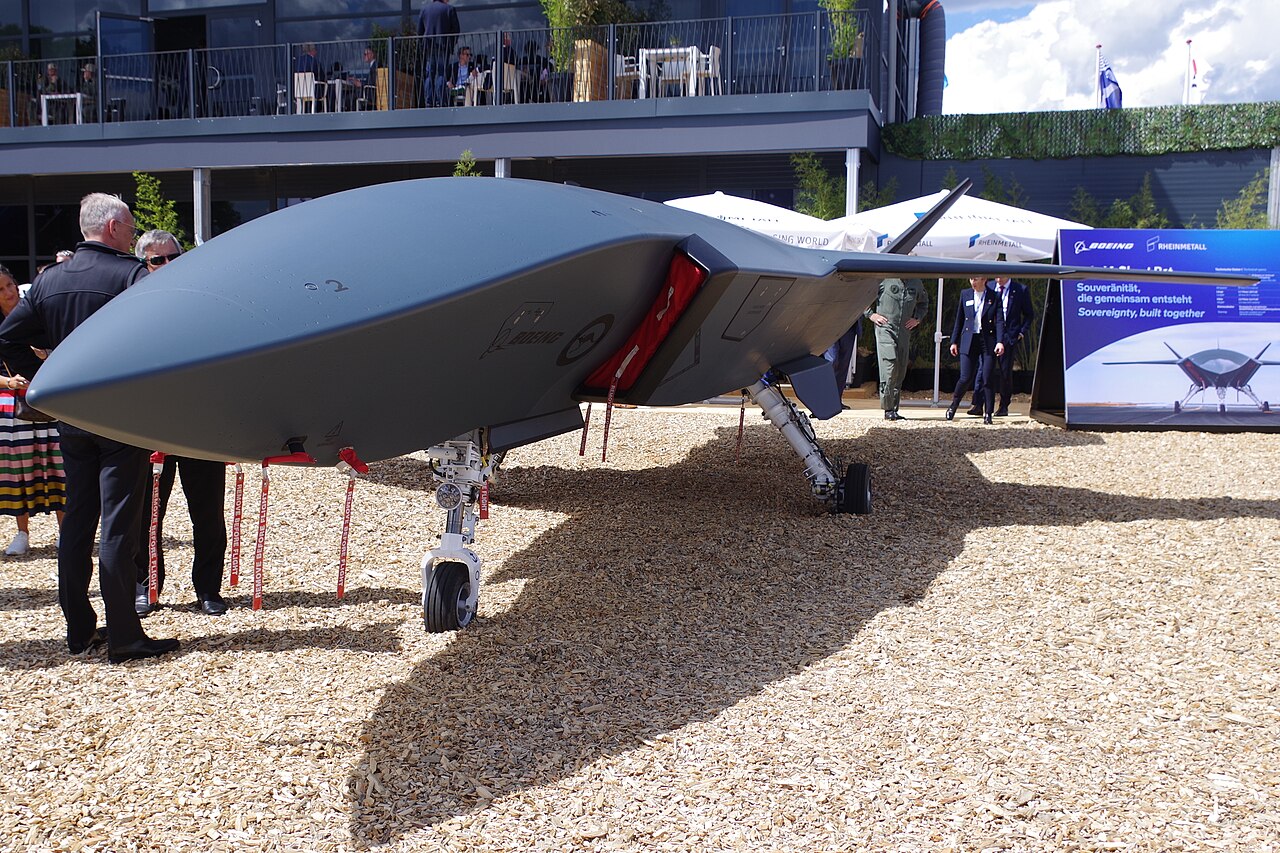
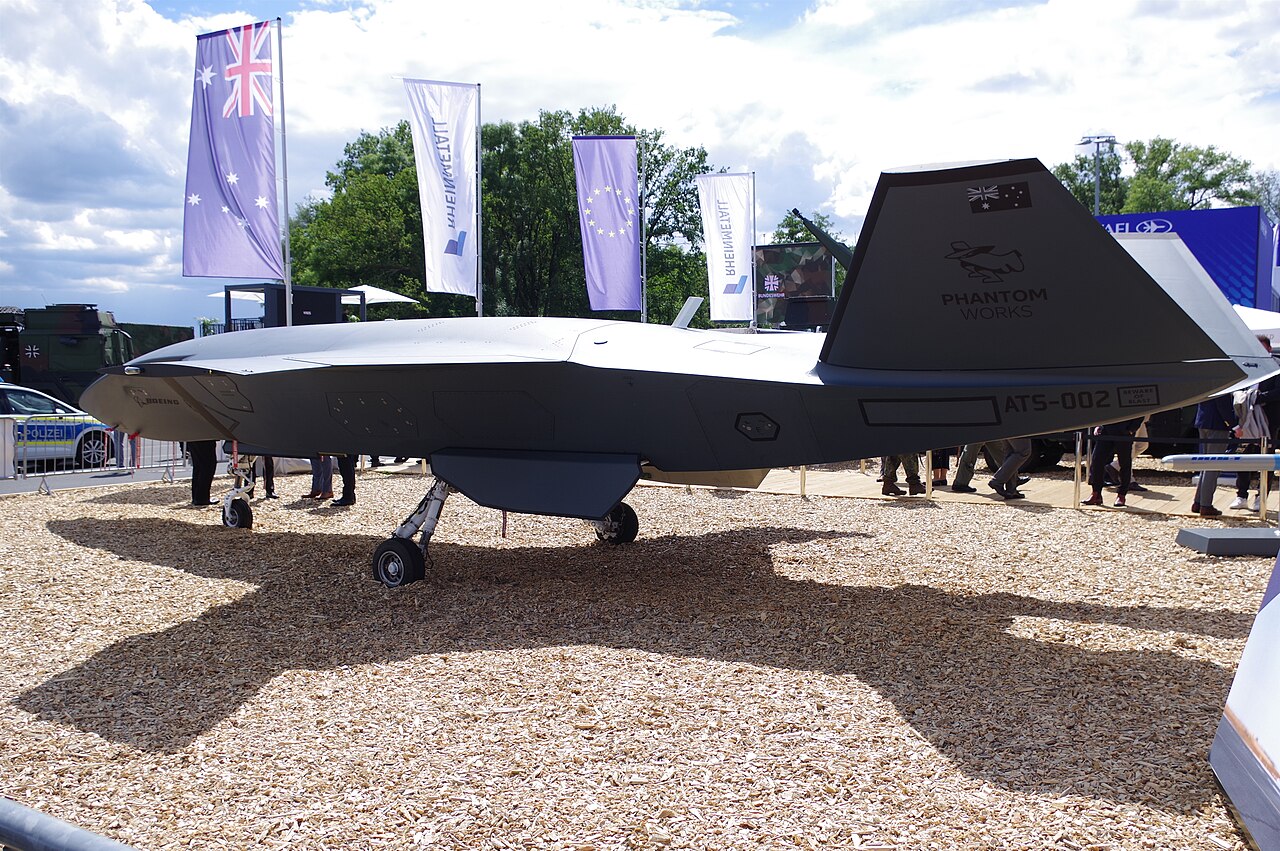
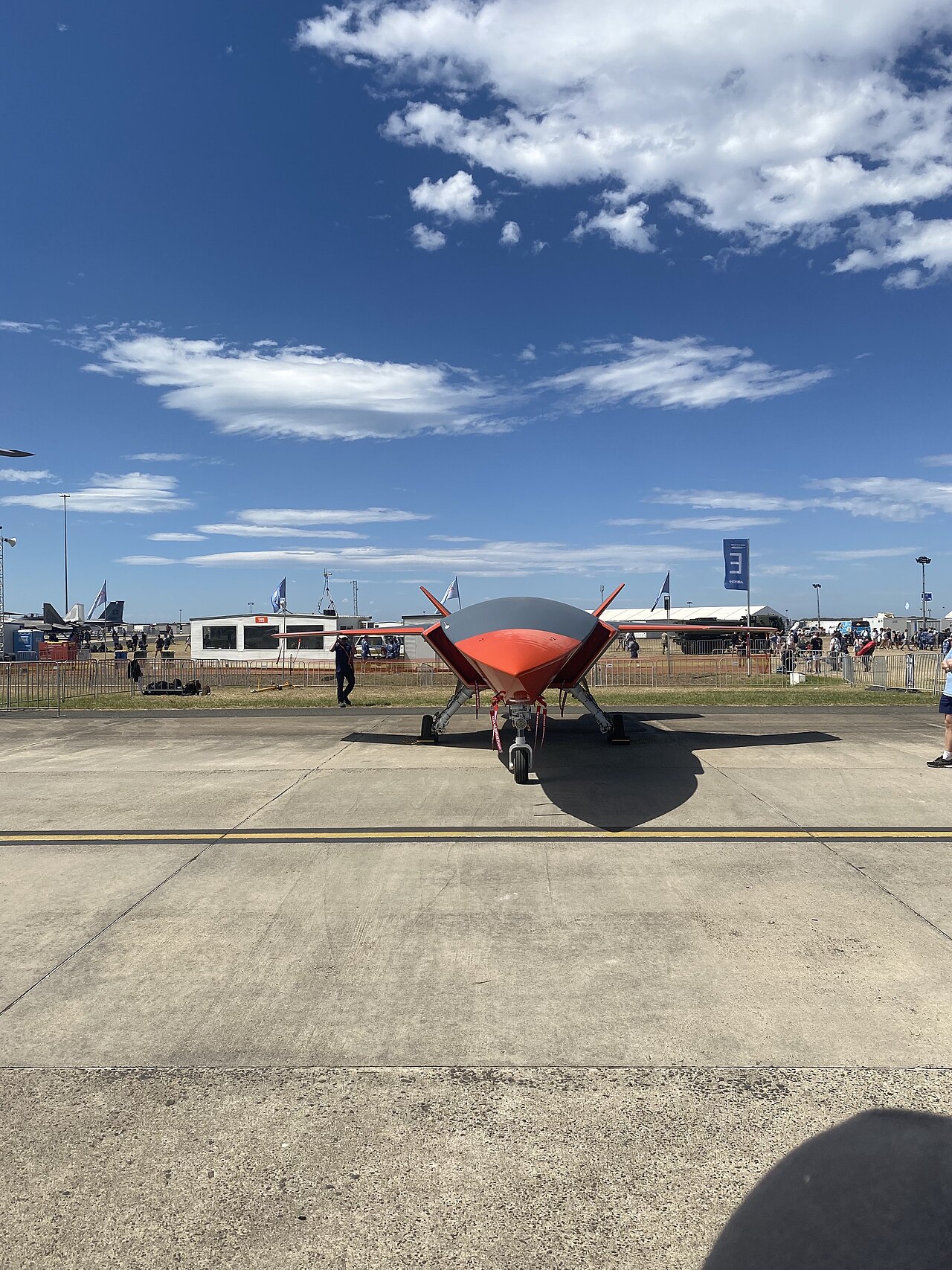
The MQ-28 Ghost Bat is an unmanned aerial vehicle (UAV) developed in Australia, designed as a collaborative combat aircraft that utilizes advanced human-machine technology to act as a force multiplier. This aircraft is intended to work alongside existing military aircraft, enhancing operational relevance, persistence, and survivability in highly contested environments. Equipped with autonomous systems and cutting-edge technology, the MQ-28 delivers significant advancements in speed, affordability, and quantity while minimizing risks to crewed assets. The Boeing MQ-28 provides affordable combat capabilities that complement and enhance both crewed and uncrewed air missions. Key features of the MQ-28 include: - **Extended Mission Capabilities**: It integrates sensor and payload information from multiple aircraft, thereby enhancing intelligence, surveillance, reconnaissance, and tactical early warning missions. - **Rapid Capability Insertion**: With an open-source architecture, the MQ-28 offers mission flexibility, allowing for quick reconfiguration and customization of onboard systems. This responsiveness is crucial in adapting to rapidly changing threat environments. - **Affordable and Intelligent Combat Mass**: The MQ-28 improves the operational effectiveness of existing platforms by providing additional capabilities at a reduced cost. - **Fighter-like Performance**: Measuring 38 feet (11.7 meters) in length, the MQ-28 can fly more than 2,000 nautical miles, supporting both crewed and uncrewed assets. Developed by Boeing in Australia, this aircraft aims to deliver transformative capabilities for global defense customers. It acts as a force multiplier for allied militaries and can be tailored to meet specific national requirements. Additional features include: - **Open System Architecture**: This platform-agnostic design allows for rapid capability insertion and supports third-party payloads. - **Modular Nose Design**: The aircraft's nose can be easily modified to quickly swap out payloads. - **Trusted Autonomy**: The MQ-28 can execute mission elements with minimal additional workload for crewed platforms. - **Cost Efficiency**: Designed to operate at one-tenth the cost of a crewed platform. - **Purpose-Built System**: It leverages advanced manufacturing and digital production capabilities. - **Global Support and R&D**: The MQ-28 benefits from Boeing's extensive research and development expertise, as well as a robust network of agile global suppliers, which helps support national prosperity and sovereignty goals.
Wikidata (https://www.wikidata.org/wiki/Q63994866)