AngryCat Ukrainian Unmanned Aerial Vehicle (UAV)
AngryCat
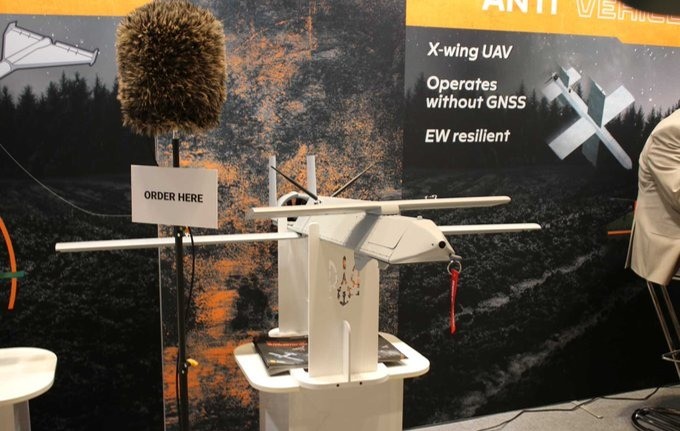
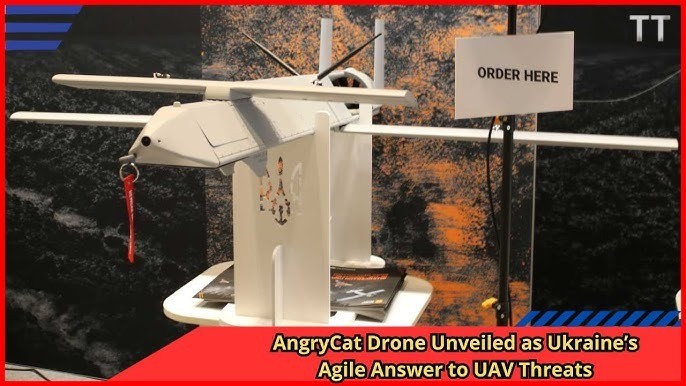
The AngryCat Ukrainian Unmanned Aerial Vehicle (UAV) operates effectively both day and night with fully automated capabilities, reducing reliance on human operators. Since the onset of the war in Ukraine in 2022, interceptor drones, like the AngryCat, have gained significant attention. The deployment of UAV swarms for reconnaissance and strikes has become commonplace, creating an urgent need for more effective countermeasures. Traditional air defense systems have struggled to address this new type of threat, as expensive missile systems are not cost-effective against low-cost drones. The AngryCat meets this challenge by providing a high-speed, cost-efficient means of neutralizing these UAVs. Today, interceptor drones are regarded as a crucial component of modern air defense strategies, offering a practical alternative to costly and often impractical missile systems. However, the AngryCat is not without its limitations. The primary challenges facing interceptor drones are their range and operational ceiling. Most interceptor drones are effective at lower altitudes and for short-range engagements, making them unsuitable for intercepting high-altitude or long-range threats. Furthermore, their reliance on external guidance systems renders these drones vulnerable to electronic warfare tactics, such as jamming, which can disrupt their communications or targeting capabilities. Despite these limitations, the AngryCat and other interceptor drones are considered essential components of air defense, complementing existing systems like surface-to-air missiles and anti-aircraft guns. As technology advances, these drones are expected to become more capable, boasting improved range, speed, and targeting precision. The development of interceptor drones, including the AngryCat, highlights a shift in defense strategies toward countering low-cost, high-volume drone threats. Interceptor drones fill a crucial gap in defense systems by providing a cost-effective solution for neutralizing UAVs without the need for expensive missile systems. Their ability to operate autonomously, combined with the rapid scalability of their production, has made them an attractive option for militaries around the world. As the threat posed by drones continues to evolve, the demand for interceptor drones is anticipated to grow, along with further innovations in speed, autonomy, and sensor capabilities to address the changing needs of modern air defense.