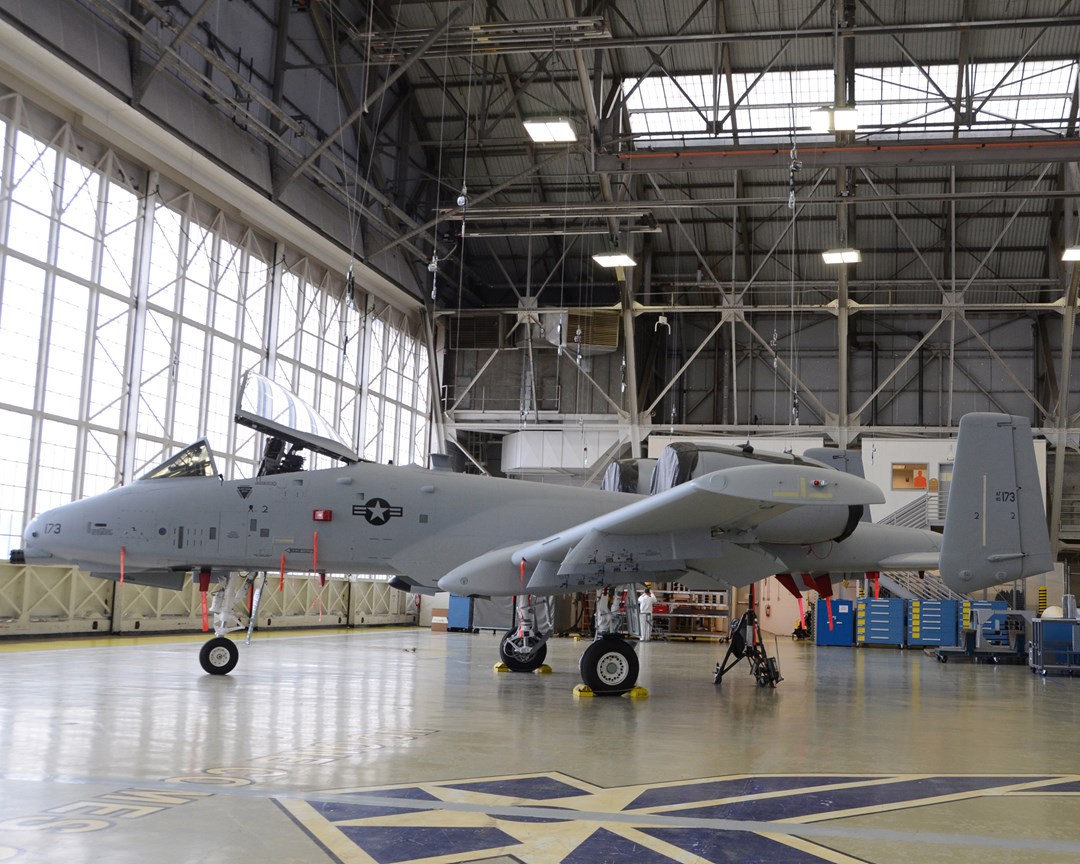
A-10A Thunderbolt II
A-10A Thunderbolt II
The A-10A can accommodate a wide range of bombs and missiles as well as a nose built-in 30mm 7-barrel GAU-8/A anti-armor gun or other weapons. The gun fires PGU 15/B TP cartridges to train aircrews. During the Gulf War in 1991, this aircraft demonstrated its capabilities providing long endurance close air support to ground forces. In the former Yugoslavia in the 1990s it flew providing close air support during NATO military campaigns. During operation Iraqi Freedom in 2003 it played a vital role neutralizing buildings occupied by Iraqi forces during the battle of Baghdad. In March 2005, the US Air Force officially launched the precision engagement capability program for the entire A/OA-10 fleet. Lockheed-Martin was awarded a $38 million contract for precision engagement upgrade kits with a total estimated value of $168 million over the five years of the program. Precision engagement capability enables A-10 to use JDAMs and WCMDs as well as advanced targeting pods, which means adding the benefits of digital technology to an aging aircraft. In February 2014, the Pentagon due to budget cuts decided to put an end to the A-10 aircraft program. As of September 2016, the US Air Force expects to keep the A-10 flying until 2028.
deagel.com: https://www.deagel.com/x/x/a000537