J-10A (Firebird) Chinese Multirole Combat Aircraft
J-10A
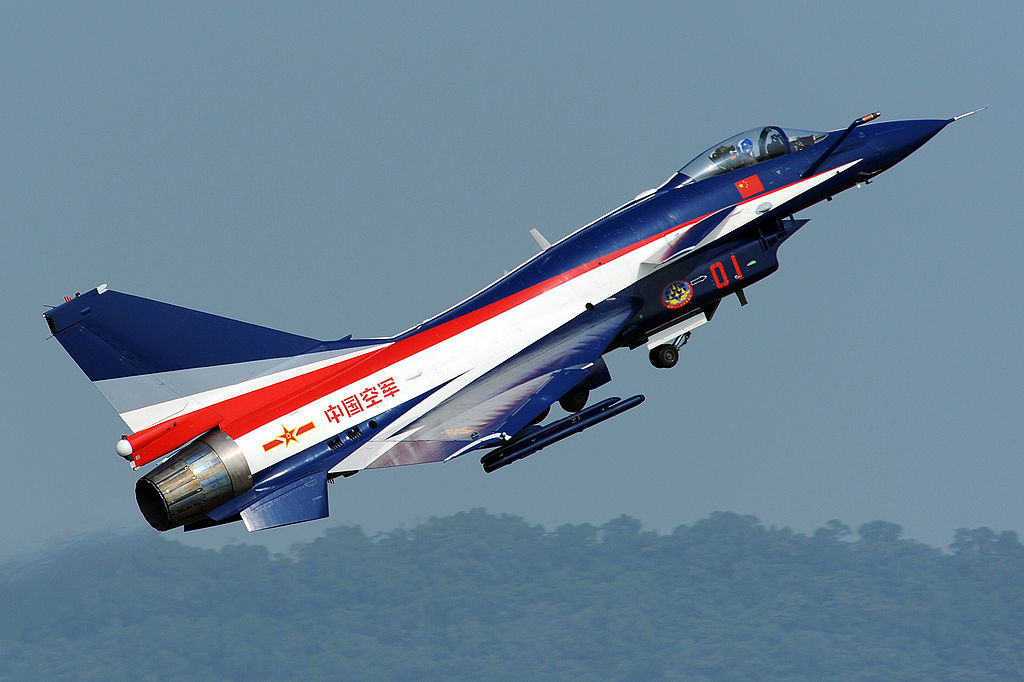

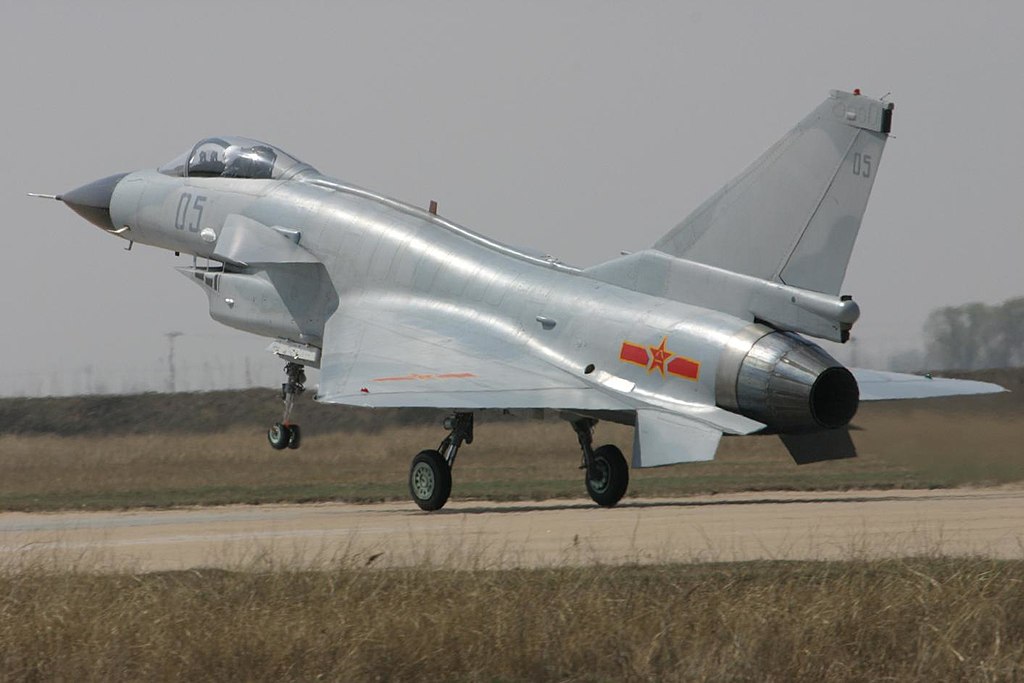
The Chengdu J-10, known by its NATO reporting name "Firebird" and also referred to as "Vigorous Dragon," is a single-engine, lightweight multirole fighter aircraft designed for all-weather operations. It features a delta wing and canard configuration, is equipped with fly-by-wire flight controls, and is produced by the Chengdu Aircraft Corporation (CAC) for the People's Liberation Army Air Force (PLAAF). The J-10 was developed by the Chengdu Aircraft Design Institute (CADI), a subsidiary of CAC. The airframe is made from metal alloys and composite materials, ensuring high strength while keeping weight low. Its aerodynamic layout employs a "tailless canard delta" wing configuration, where a large delta wing is mid-mounted towards the rear of the fuselage, and a pair of canards (or foreplanes) are positioned higher up and towards the front, just behind and below the cockpit. This design offers exceptional agility, especially at low speeds, and lowers stall speed, enabling safer instrument approaches. A large vertical tail is integrated on top of the fuselage, complemented by small ventral fins under the fuselage that enhance stability. Beneath the fuselage, a rectangular air intake ramp and a splitter plate (found only on the J-10A variant) supply air to the engine. Newer variants utilize a diverterless intake that eliminates the need for a splitter plate and may also reduce the aircraft’s radar cross-section. Additionally, the J-10 has 11 hardpoints located under the fuselage and wings, which allow for the attachment of various types of weaponry and drop tanks for extra fuel. The retractable landing gear includes a steerable pair of nose wheels positioned under the air intake and two main wheels located towards the rear of the fuselage. The cockpit is covered by a two-piece bubble canopy that provides the pilot with 360-degree visibility. The canopy lifts upward for easy access to the cockpit. The control system consists of a conventional center stick and a throttle stick positioned to the left of the pilot, both of which feature "hands on throttle and stick" (HOTAS) controls. In case of an emergency, the aircraft is equipped with a zero-zero ejection seat, allowing the pilot to safely eject even at zero altitude and zero speed. Due to the J-10's inherently unstable aerodynamic design, it features a digital quadruplex-redundant fly-by-wire (FBW) flight control system (FCS) that assists the pilot in managing the aircraft's flight. The FCS closely monitors pilot inputs, preventing the accidental exit from the flight envelope that could result from excessive control inputs during high-performance maneuvers. This safety feature is crucial for canard-wing aircraft, which are capable of executing tight turns compared to conventional designs. The aircraft's large control surfaces can move to extremes, potentially leading to in-flight structural failure at high airspeeds if not properly regulated by the FCS.
System
Ammunition
Missile System #1
Missile System #2
Missile System #3
deagel.com: https://www.deagel.com/x/x/a001826
