BTR-4 Ukrainian 8x8 Amphibious Armored Personnel Carrier (APC)
BTR-4
Amphibious Armored Personnel Carrier (APC)
Spotted an error? Sign in to suggest an edit.

Other
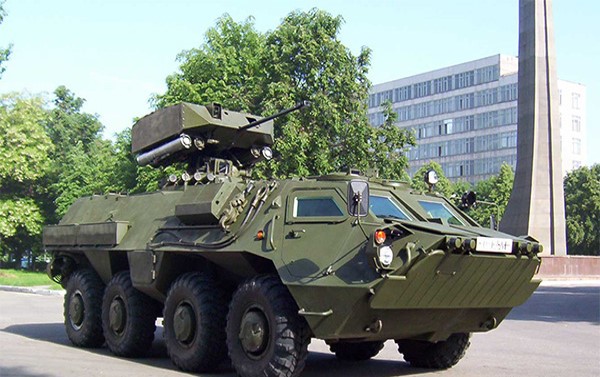
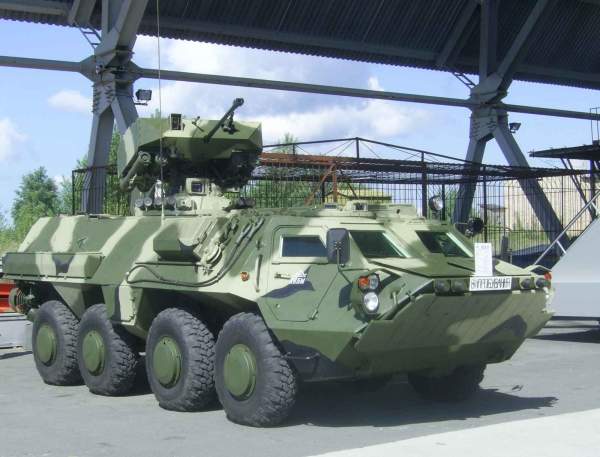
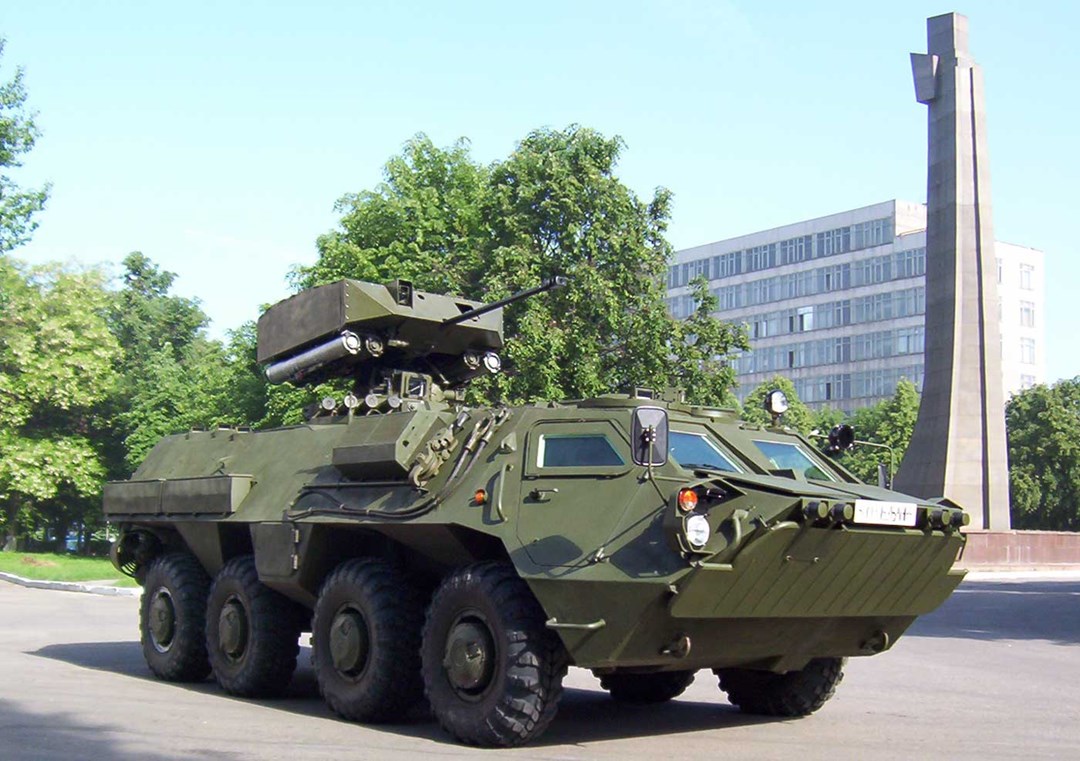
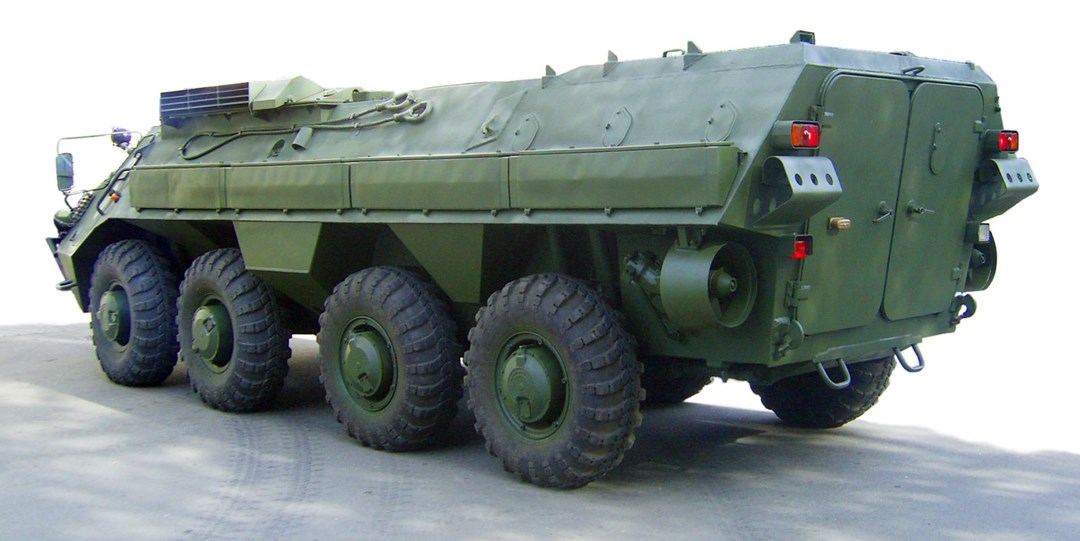
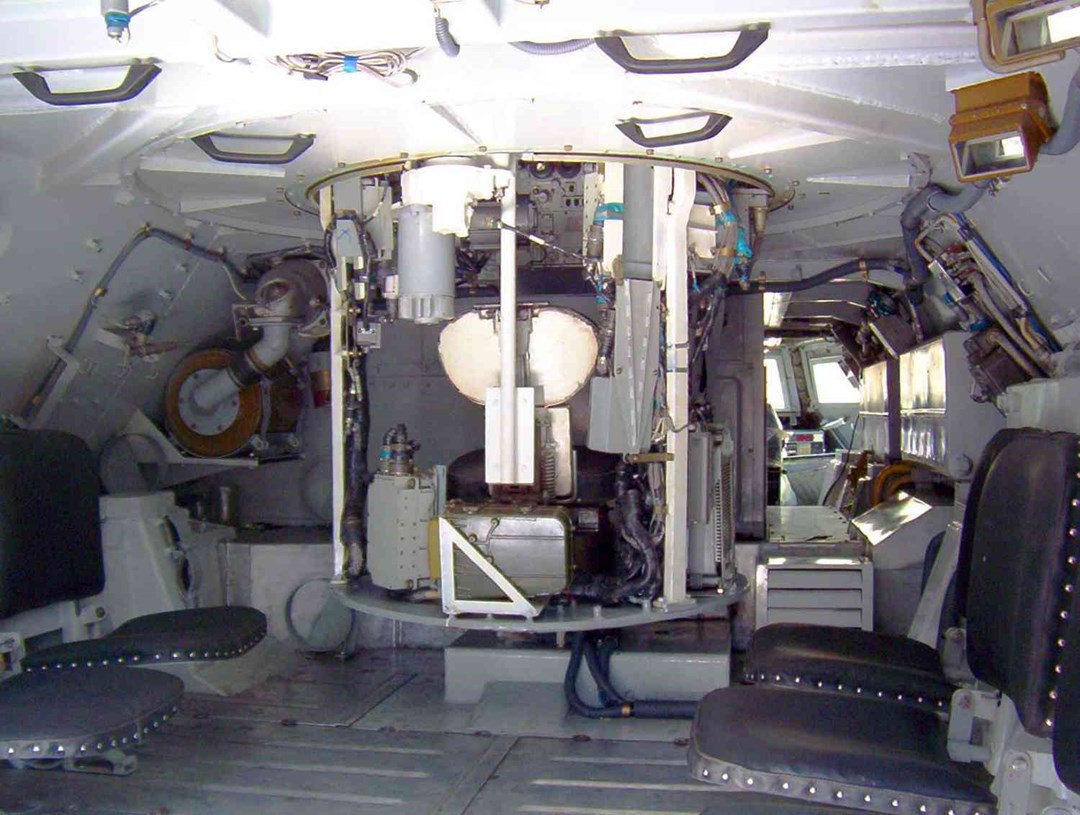


Basic Information
Name
BTR-4 Ukrainian 8x8 Amphibious Armored Personnel Carrier (APC)
Designation
BTR-4
Alternate Designation
BTR-4
Equipment Type
Amphibious Armored Personnel Carrier (APC)
Manufacturer
Kharkiv Morozov Machine Building Design Bureau
Date of Introduction
2011
Description
The BTR-4 family is built around a standard hull with an 8x8 drive. The vehicles represent a mix of Western and Soviet AFV designs with the power pack towards the front of the vehicle (representing the former) but a very low silhouette and hull profile (the latter). The vehicles can be adapted to perform a variety of roles and provide a user with a single common platform to reduce logistics challenges.
Ground Specifications
Crew
3
Troop Capacity
9
Mobility Type
Wheeled (8x8)
Main Weapon
1 x ZTM-1 Autocannon (30mm)
Engine
Diesel (500 hp)
Active Protection
None
NBC Protection
Yes
Max Speed
100.0 km/h
Range
690.0 km
Variants
BTR-4
The BTR-4 is an IFV, designed to transport a section of infantry into combat and support their movements with direct fire. It is the standard vehicle of the family and is the most widely used variant.
BTR-4E
The BTR-4E is an upgraded version of the standard BTR-4 designed to improve the mobility and protection of the standard vehicle. The differences between the BTR-4 and the BTR-4E are minor and include an auxiliary power unit installed on the right of the hull and just below the remote weapon station.
BTR-4M
The BTR-4M is a variant of the BTR-4 adapted for use with marine forces.
BTR-4KSh
The BTR-4KSH is a C2 vehicle designed to provide command functions for armored formations at a removed distance from the battlespace.
BREM-4K
The BREM-4K is an armored repair and recovery vehicle (ARRV) designed to support armored vehicles on battlefields where small-arms fire and infantry sections are the primary threats.
BTR-4K
The BTR-4K is a C2 vehicle based on the BTR-4. It is armed with the same weapon system and designed to transport a unit commander with three staff officers into combat to support the operations of BTR-4 formations.
BTR-4MV1
The BTR-4MV1 is a Ukrainian Armored Personnel Carrier (APC).
System
Alternative Designation
BTR-4
Type
Amphibious Armored Personnel Carrier (APC)
Manufacturer
Kharkiv Morozov Machine Building Design Bureau
Family
BTR Series
Configuration
8x8
Crew
3 ea
Passenger Capacity
9 ea
Dimensions
Length
7.76 m
Width
2.932 m
Height
3.17 m
Weight, Combat
19,300 kg
Ground Clearance
0.46 m
Automotive
Engine Name
3TDA-3A
Engine Type
Diesel
Engine Power
500 hp
Power-to-Weight Ratio
25.90 hp/t
Fuel Capacity
INA
Electrical System
24V
Steering
power-assisted on front four wheels
Maximum Land Speed
100 km/h
Maximum Water Speed
10 km/h
Range
690 km
Gradient
60%
Side Slope
40%
Vertical Obstacle
0.70 m
Trench
1.80 m
Main Weapon System
System
Name
1 x ZTM-1 Autocannon
Type
Autocannon
Caliber
30 mm
Length
INA
Barrel Length
INA
Weight
INA
Rate of FIre
330 rds/min in single-shot, burst, or automatic modes
Maximum Range
4,000 m with HE Rounds
Penetration
22 mm of steel set at 40° from a range of 500 m, which is reduced to 14 mm at 1,500 m and so could be considered the maximum effective combat range against armored targets.
Ammunition
Type
Rifle
Caliber
30 mm
Cartridge
30mm x 165 mm
Basic Load
300 rounds
Coaxial Weapon System
Note
1 x 7.62 mm machine gun
Anti-Tank Guided Missile (ATGM)
System
Name
2 x Baryer Missile
Type
Anti-Tank Guided Missile (ATGM)
Mission
The anti-tank long-range guided missile system BARYER, a design by the Kyiv-based State Design Bureau Luch, is intended to defeat armored targets at distances from 100 to 5,000 meters.
Manufacturer
Luchs Design Bureau
Length
1.27 m
Diameter
0.13m
Weight
16 kg
Warhead Type
The missiles can be fitted with a tandem HEAT warhead or a HE fragmentation warhead with percussion core penetration.
Guidance System
The BARYER missile employs semiautomatic laser (SAL) guidance to enable the target, after being designated and lock-on, to be tracked automatically without further operator’s intervention (no man-in-the-loop scheme). For tracking the target, the operator employs a telescope sight, with the missile in flight being controlled and guided from a ground fi ring post. The target is designated and locked on using an optical tracker and a thermal-imaging sight, which allows 24-h operation in all weathers.
Penetration
The missile defeats armored infantry fighting vehicle (AIFV) protection systems of all kinds – be it a composite armor, active protection system, spaced armor or explosive reactive armor (ERA), and is capable of penetrating 800mm of Rolled Homogenous Armor (RHA) behind ERA.
Range
5,000 m
Fire Control
Name
INA
Computerized FCS
Yes
Thermal Sight Vehicle Commander
Yes
Thermal Sight Gunner
Yes
Main Gun Stabilization
stabilized by the SBU-500-4Ts system and uses an electrical feed system.
Protection
Hull Armor
A baseline version of the BTR-4 provides all-round protection against 7.62 mm ball rounds and artillery shell splinters. It seems that the front arc withstands 12.7 mm rounds. Vehicle also withstands 6 kg anti-tank mine blasts.
Turret Armor
INA
Applique Armor
Add-on armor can be fitted for a higher level of protection.
Explosive Reactive Armor
No
Active Protection System
No
Mine Clearing
No
Self-Entrenching Blade
No
NBC Protection
Yes
Smoke Equipment
INA
Details
Country of Origin
Ukraine
Category
Land
Land
Filter Label
B
Sources
deagel.com: https://www.deagel.com/x/x/a002132
Classification
Domain
Ground
Equipment Status
Active
Dimensions
Length
7.76 m
Width
2.93 m
Height
3.17 m
Weight
19300 kg
Operators (6)
United States
Ukraine
Indonesia
Iraq
Nigeria
CFE Treaty
Something went wrong. Please reload the page.
Reload