Otter X Norwegian Autonomous Surface Vehicle (ASV)
Otter X
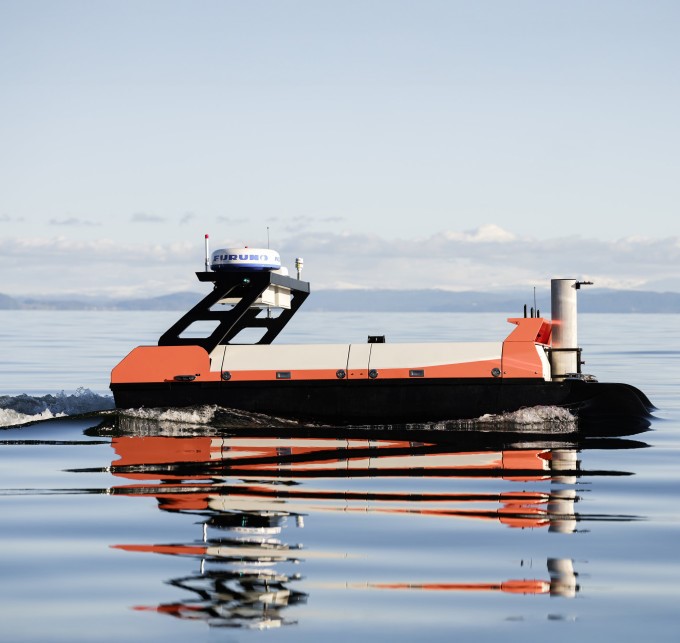


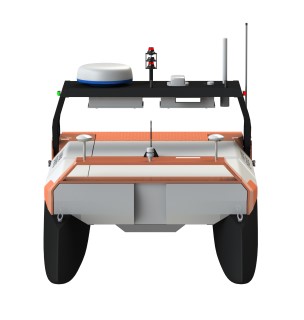
The Otter X Norwegian Autonomous Surface Vehicle (ASV) is specifically designed for operations in coastal and river environments. It is known for its robustness and effectiveness, tailored for precise data acquisition, environmental monitoring, and surveillance activities. The modular design of the Otter X features two spacious dry chambers, facilitating easy customization and diverse payload integration. This adaptability ensures it can meet the specific requirements of a variety of missions. Four lithium-ion battery packs power the Otter X and utilizes twin electric thrusters for propulsion, thus avoiding CO2 emissions. This all-electric operational framework significantly reduces noise, minimizes the risk of oil spills, and plays a crucial role in decreasing the carbon footprint, promoting environmentally sustainable maritime practices. Positioned as the most powerful electric catamaran on the market, the Otter X is engineered to navigate challenging nearshore conditions. Its wide hull, dual 11kW steerable electric thrusters, and ample payload capacity empower it to operate effectively in scenarios where other electric vessels may be limited. The Otter X USV utilizes Maritime Robotics' advanced autonomous technology, establishing itself as a versatile and customizable platform that supports a broad spectrum of operational requirements. It represents a superior solution for conducting bathymetric surveys, addressing the needs of professionals in this field by providing exceptional stability, enduring performance, precise navigation, and a shallow draft. The wide catamaran hull design effectively reduces both roll and pitch, facilitating accurate sonar readings even in turbulent water conditions. Its extended endurance allows for prolonged data collection runs, enabling coverage of larger areas with minimal operational effort. Equipped with an autonomous navigation system, the Otter X follows pre-planned routes, ensuring complete and consistent survey coverage throughout its operations. Utilizing multibeam sonar systems, it generates detailed three-dimensional models of the seabed, which are critical for applications such as nautical charting, pipeline routing, and offshore construction planning. The shallow draft of the Otter X permits access to coastal zones and rivers that are often difficult to navigate, significantly broadening the range of bathymetric surveys. Moreover, the Otter X features zero-emission electric propulsion, ensuring quiet operation while minimizing environmental impact, making it particularly suitable for environmental monitoring and scientific research. Its modular design accommodates various environmental sensors, including water quality sensors, nutrient analyzers, pollutant detectors, and acoustic monitoring systems, enhancing the scope and thoroughness of data collection. Real-time data transmission capabilities allow for rapid analysis and prompt responses to changing environmental conditions, facilitating timely decision-making and targeted actions. The autonomous features and substantial endurance of the Otter X position it as an ideal platform for long-term data collection in fields such as oceanography, marine biology, and climate change research, providing valuable insights into trends and patterns in remote and challenging environments that are inaccessible to human surveyors. Additionally, the Otter X serves as a versatile platform for maritime surveillance and inspection, enhancing safety in coastal and inland waterways. Its autonomous capabilities enable regular patrols and monitoring of specific regions, freeing human resources for other tasks. Equipped with high-resolution cameras, including infrared and low-light options, as well as radar and an Automatic Identification System (AIS), the Otter X can effectively detect, identify, and track vessels while monitoring for suspicious activities. For underwater inspections, the vessel can deploy remotely operated vehicles (ROVs) or integrate sonar systems to assess underwater infrastructure, including pipelines, bridges, and harbors. Its robust communication links ensure reliable data transmission and remote control capabilities, even in challenging environmental conditions.