Charles De Gaulle Class French Nuclear-Powered Aircraft Carrier
Charles de Gaulle

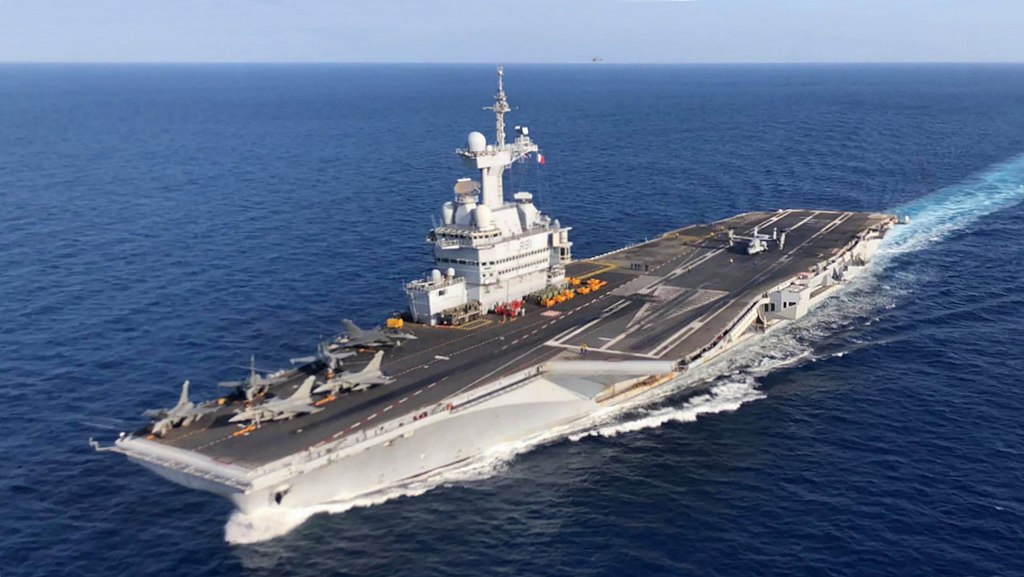
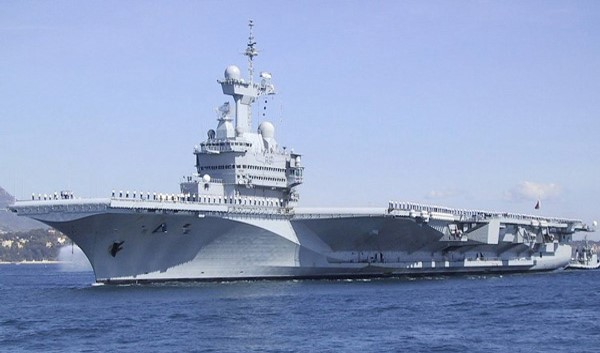
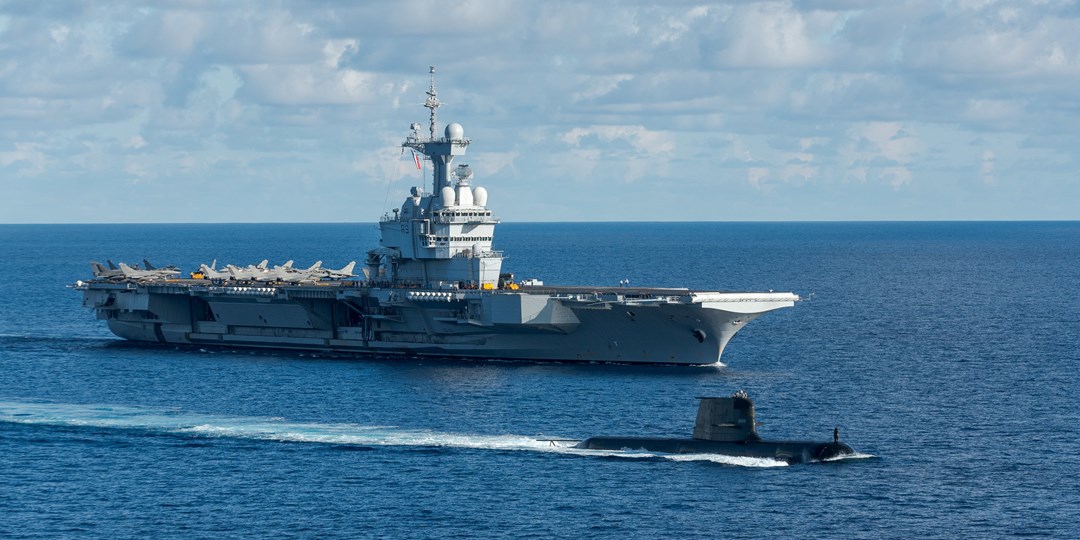

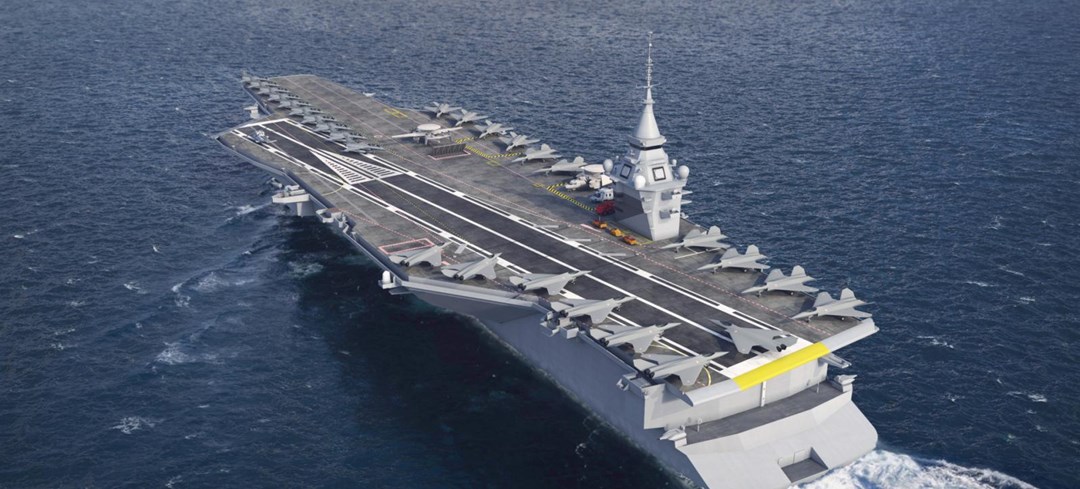
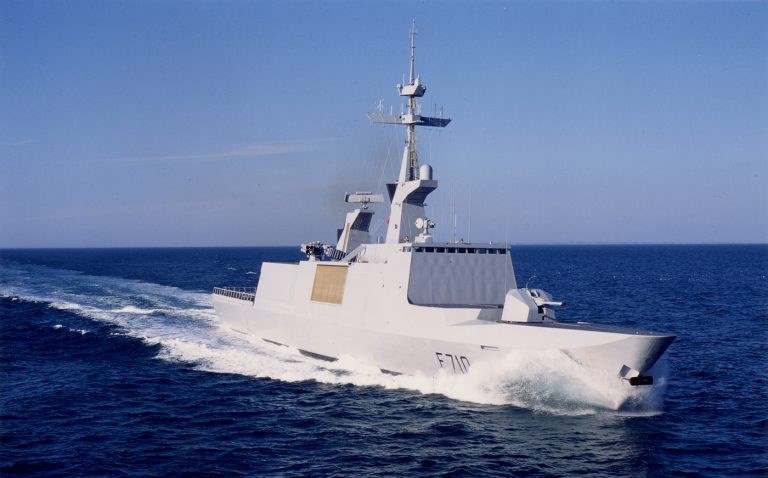
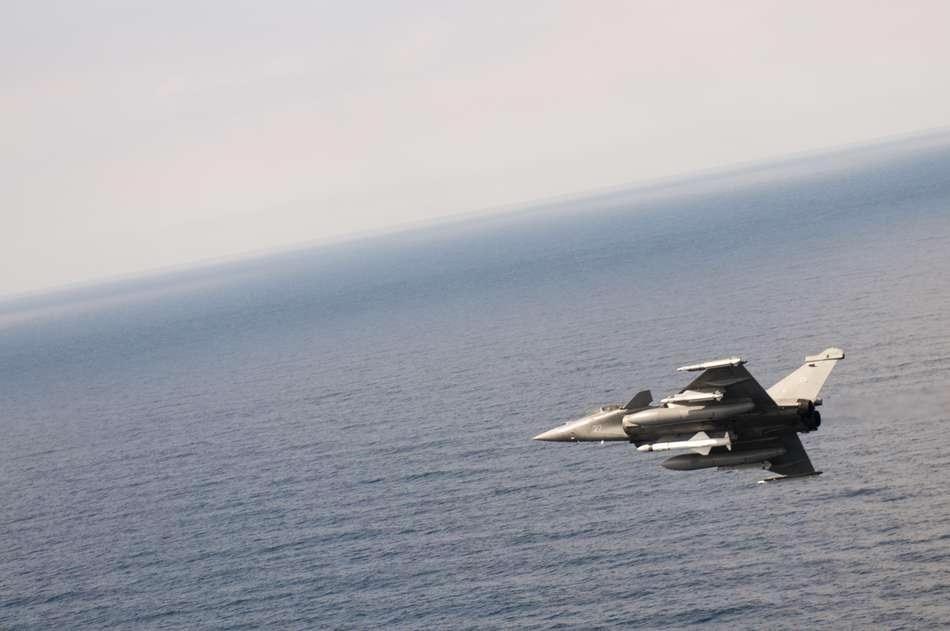

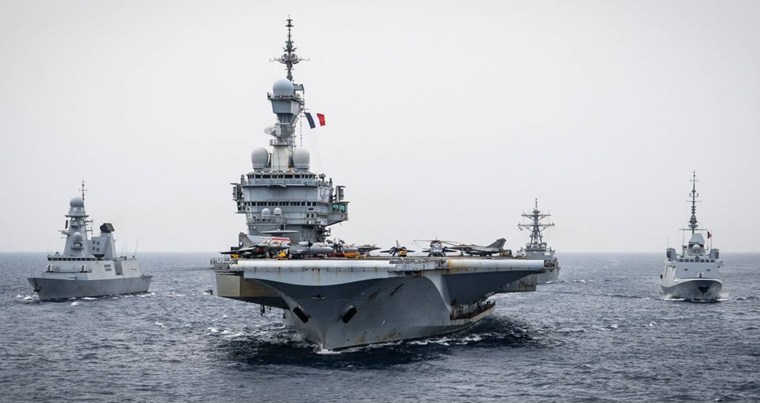

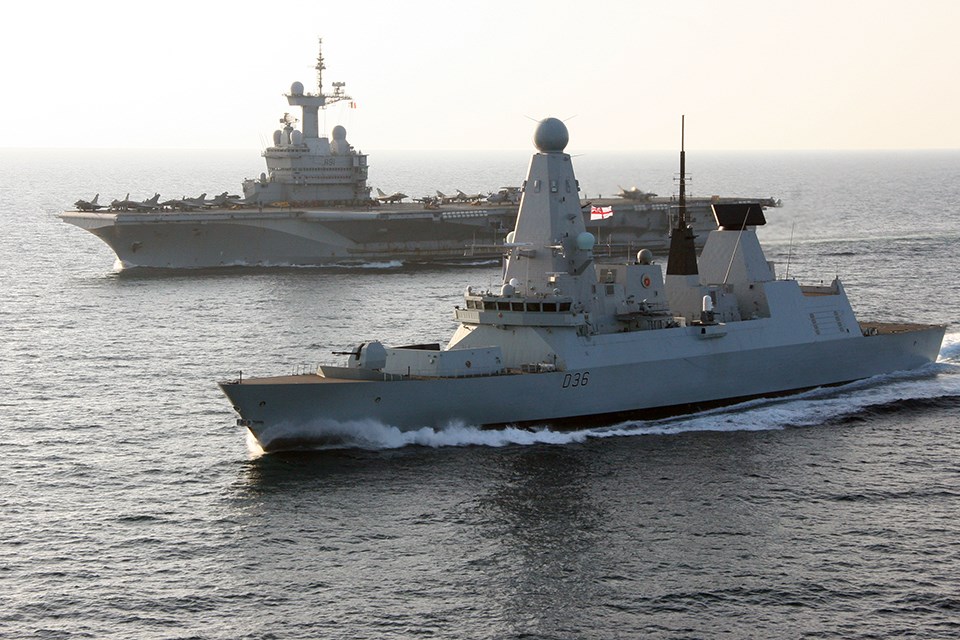

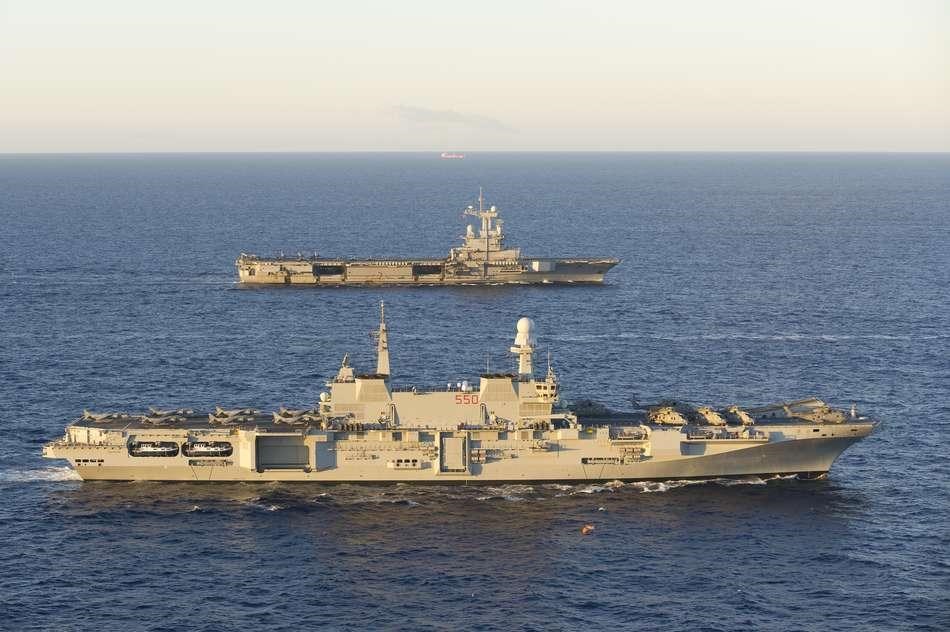

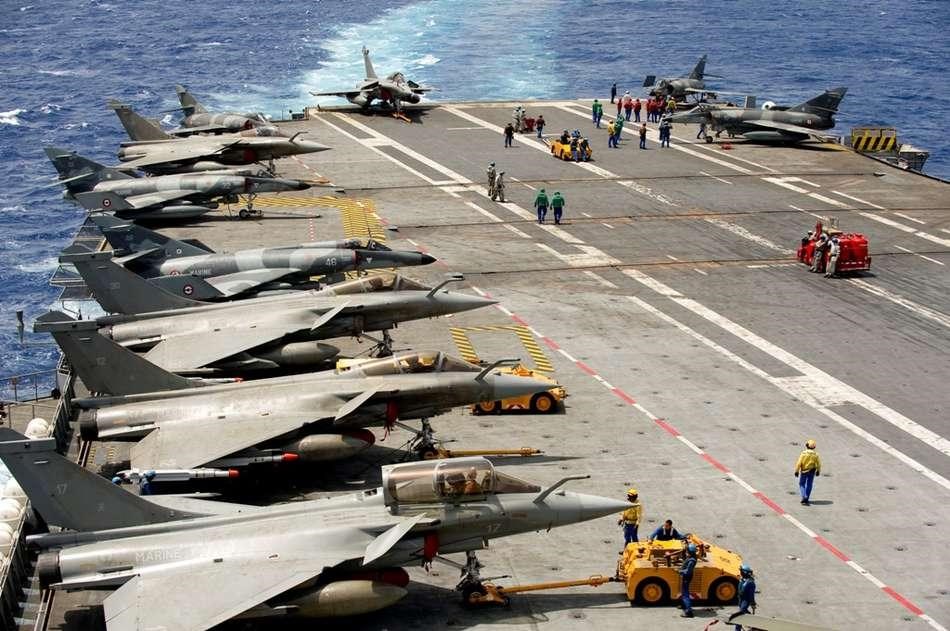

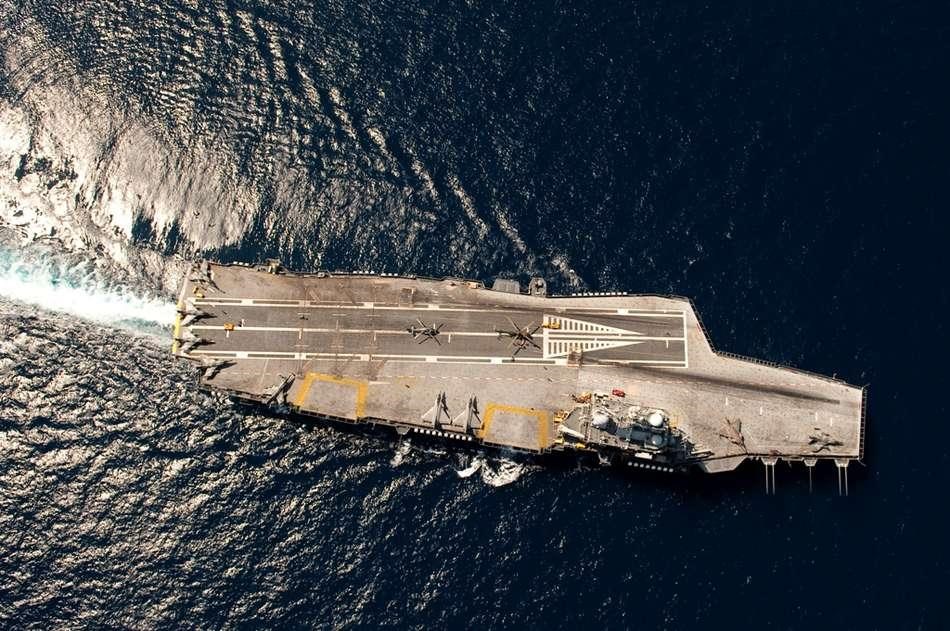


The 38,000 ton, nuclear-powered aircraft carrier Charles De Gaulle was constructed at the DCN Brest naval shipyard in Brittany. The ship was launched in May 1994 and commissioned in September 2000, following sea trials that began in January 1999. As a result of trials, the landing deck has been lengthened by 4.4m to enable the E-2C to land and clear the deck quickly. The carrier was due to enter service in December 2000, but, following the breakage of a propeller blade during long-distance trials, this was delayed to April 2001. In June 2001, the carrier took part in exercises in the Mediterranean and in December 2001 left to take part in Operation Enduring Freedom where it was stationed in the Arabian Gulf. It returned to its home port of Toulon in July 2002. Super Etendard and Hawkeye E-2C aircraft carried out a number of sorties but the ship’s F1 standard Rafale M fighters did not take part in operations, although they were included in exercises with the US Navy. In April 2007, DCN became DCNS. This followed an agreement in which Thales became a 25% shareholder in the new company and DCN acquired the naval business of Thales France (excluding naval equipment). In September 2007, Charles de Gaulle began a refit, which included overhaul and refuelling of the nuclear propulsion system and installing a new SYTEX command and control system with Syracuse III satellite communications system. The combat system has also been adapted for operations with the Rafale F3 equipped with AASM, ASMPA and Scalp-EG missiles. The refit was completed and the carrier returned to the French Navy in December 2008. DCNS completed an intermediate refit of Charles de Gaulle in July 2013 and works included painting of the ship, systems inspection, refurbishing of galley, and 35km of cabling and replacement of stabilisation computer. DCNS performed second major technical shutdown and mid-life refit of Charles de Gaulle from February 2017 to November 2018 to extend the life of the vessel for an additional 25 years. The maintenance works included overall replacement of the control room, modernisation of tactical system, refurbishment of telecommunication systems, replacement of radars, as well as the renovation and recalibration of the steering control system. The aviation installations and spaces were also modernised as part of the refit. The French Navy’s plans of a second carrier have been put on hold. The new carrier will not be the same class as the Charles de Gaulle, but will be a conventionally powered carrier. It will be built by DCNS. The design phase for the carrier programme (PA2) was launched in January 2005. In December 2005, following discussions between the French and UK governments on the possibility of a joint development with the UK’s CVF carrier project, which Thales UK is designing, it was agreed that France would pay one-third of the costs of the demonstration phase of the baseline CVF design. The ship can operate a fleet of up to 40 aircraft: Rafale M (range 3,340km), Super Etendard (range 1,682km) and three E-2C Hawkeye airborne early warning aircraft. The ship also supports Dolphin PEDRO, AS 565 Panther or NH 90 helicopters. The main deck consists of a main runway angled at 8.5° to the ship’s axis and an aircraft launch area forward of the island. These are each equipped with a USN-type C13 catapult, capable of launching one aircraft a minute. The runway is 195m long and the whole deck measures 260m x 64m. The carrier is fitted with the Sagem Defense Sécurité (formerly EADS Defence and Electronics) DALAS laser landing aid. The carrier is fitted with the SATRAP computerised, integrated stabilisation system designed to maintain stabilisation to within 0.5° of horizontal, allowing aircraft to be operated up to sea state 5/6. As well as the carrier’s two pairs of active stabilising fins and twin rudders, the system has two computer-controlled compensation units consisting of two rail tracks for trains carrying 22t of deadweight. These tracks run transversely below the flight deck. This system is designed to compensate for wind and heel and control roll, yaw and surge. The ship’s weapons are managed by a Senit combat management system, which has the capacity to track up to 2,000 targets. The weapon control system consists of two Vigy 105 optronic directors supplied by Sagem. The ship also has two Sagem Vampir search and track systems. In February 2004, Thales was awarded a contract for a new command and control system for the French Navy. The new SYTEX system is being fitted on the Charles de Gaulle as well as other vessels and shore locations and allows the vessel to access national or coalition command networks. The ship is armed with two surface anti-air missile (SAAM) () system, developed by Eurosam (set up by MBDA and Thales) for defence against hostile aircraft and anti-ship missiles. The system uses the Aster 15 surface-to-air missile and entered operational service in November 2002, with the first firing of the missile from the Charles de Gaulle. The Aster missile has a 13kg warhead and a range of 30km. The missile’s guidance is inertial with data uplink and active radar terminal homing. For increased manoeuvrability in the terminal phase, the missile uses a ‘PIF-PAF’ direct thrust control system with gas jets. Two eight-cell Sylver vertical launch systems are installed on the starboard side forward of the bridge and two on the port side aft of the bridge. The system uses the Thales (formerly Thomson-CSF) Arabel radar, which is a multi-function three-dimensional radar with a range of 70km for a target area of 2m². The ship has two six-cell Sadral launching systems for the MBDA (formerly Matra BAe Dynamics) Mistral anti-aircraft and anti-missile missile. Mistral has an infra-red seeker and a range of 4km.
System
Ammunition
System
Aircraft
Helicopters
Radars
EO
EW
deagel.com: https://www.deagel.com/x/x/a000421