E-3 Sentry
E-3 Sentry

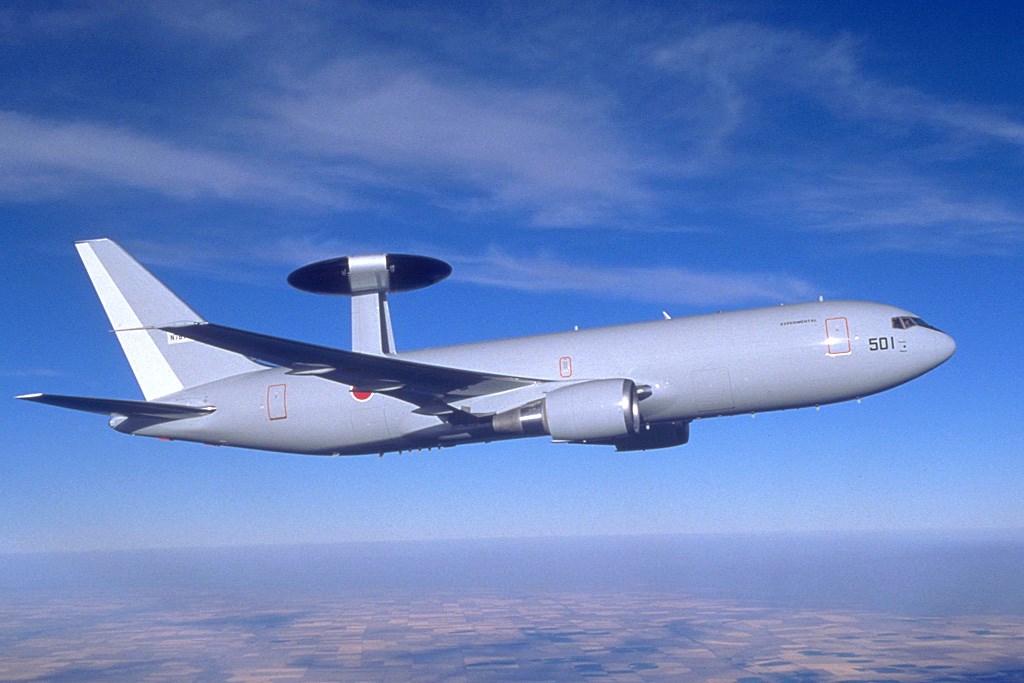
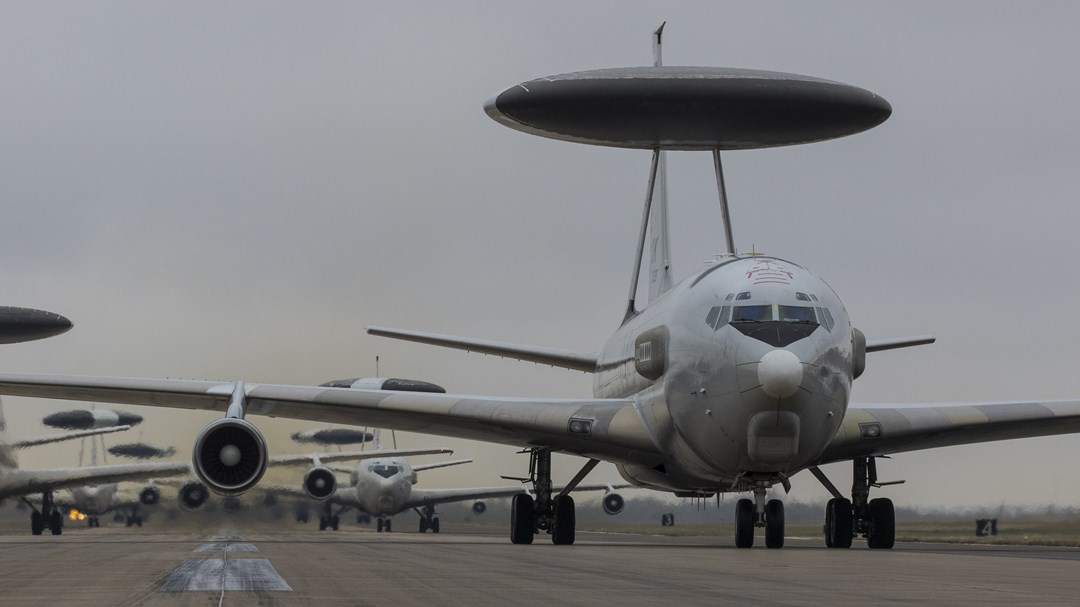
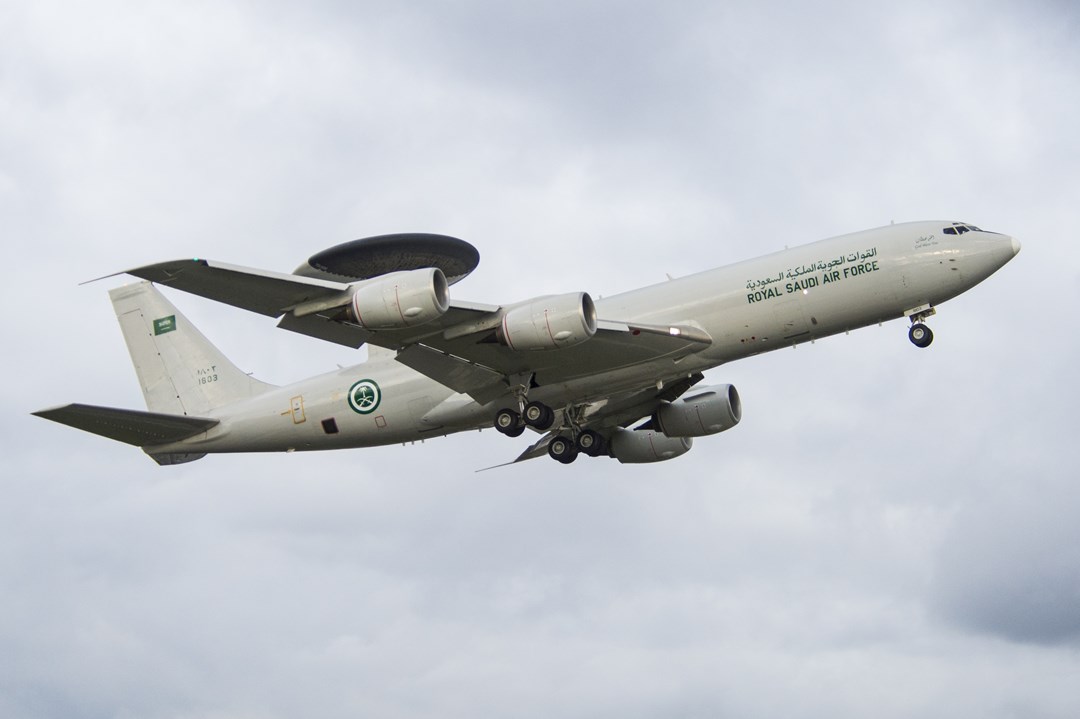
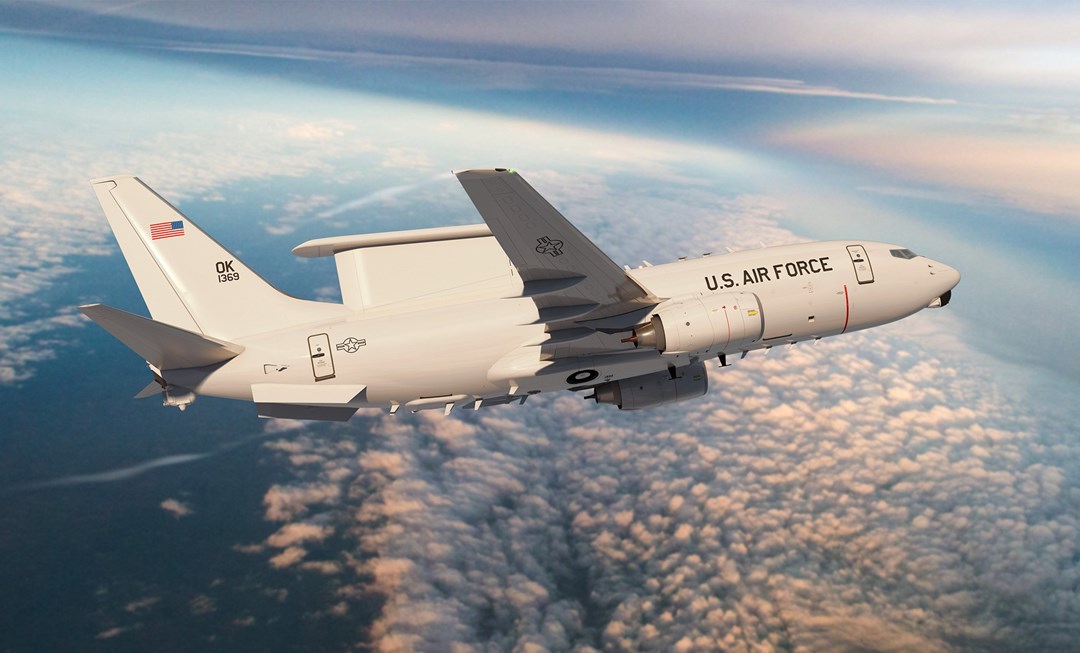
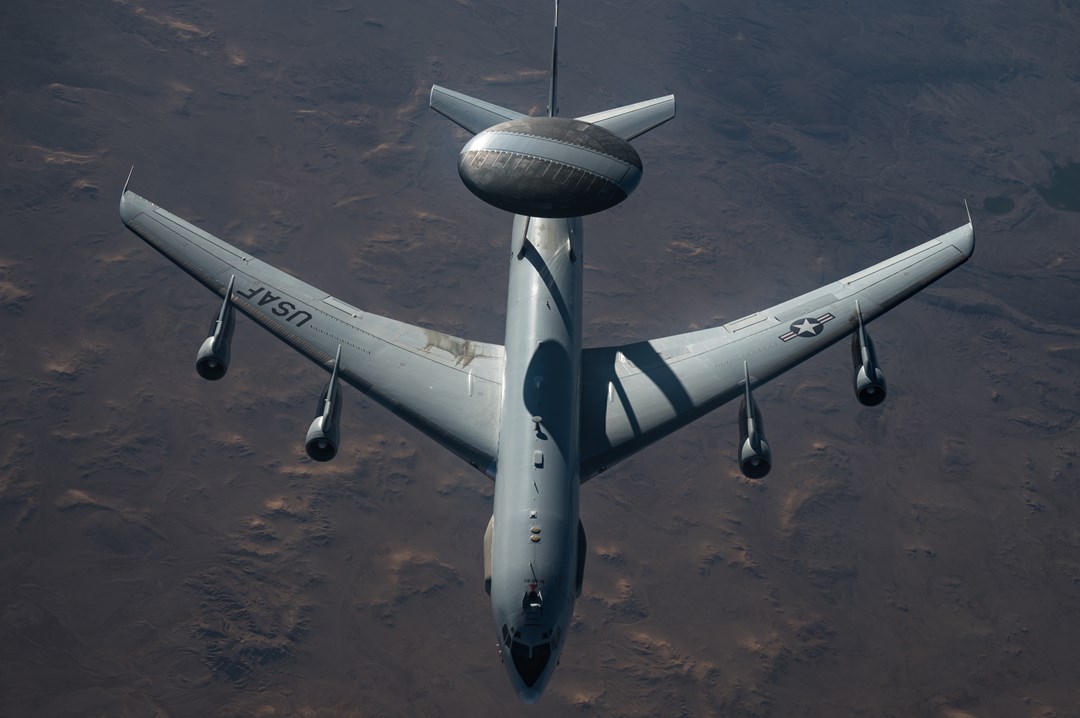
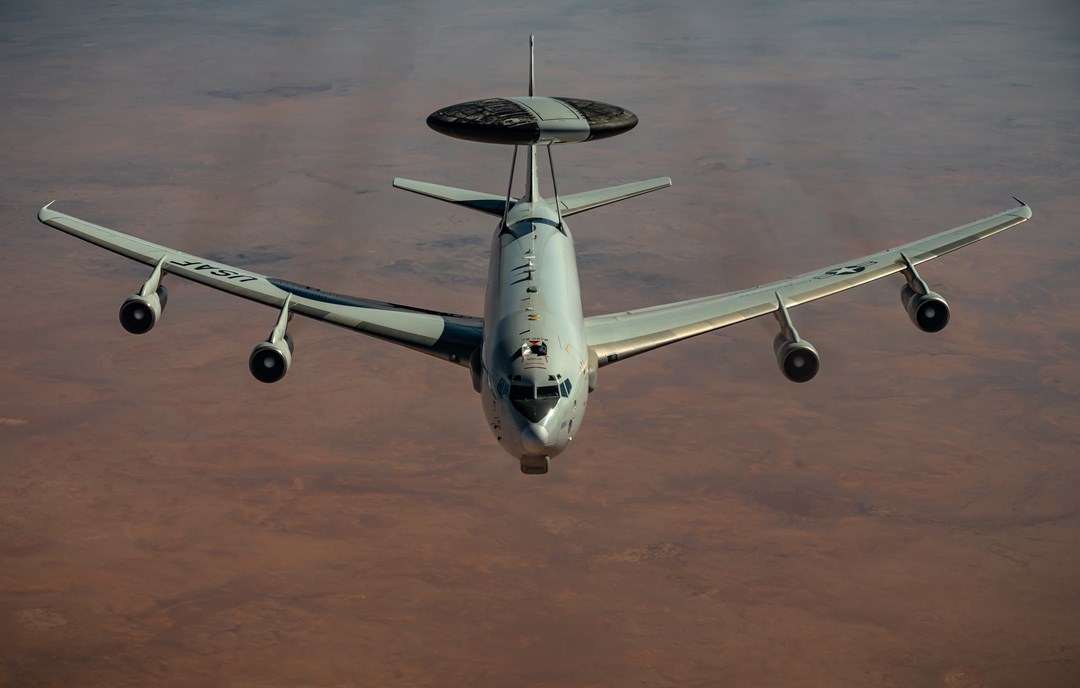
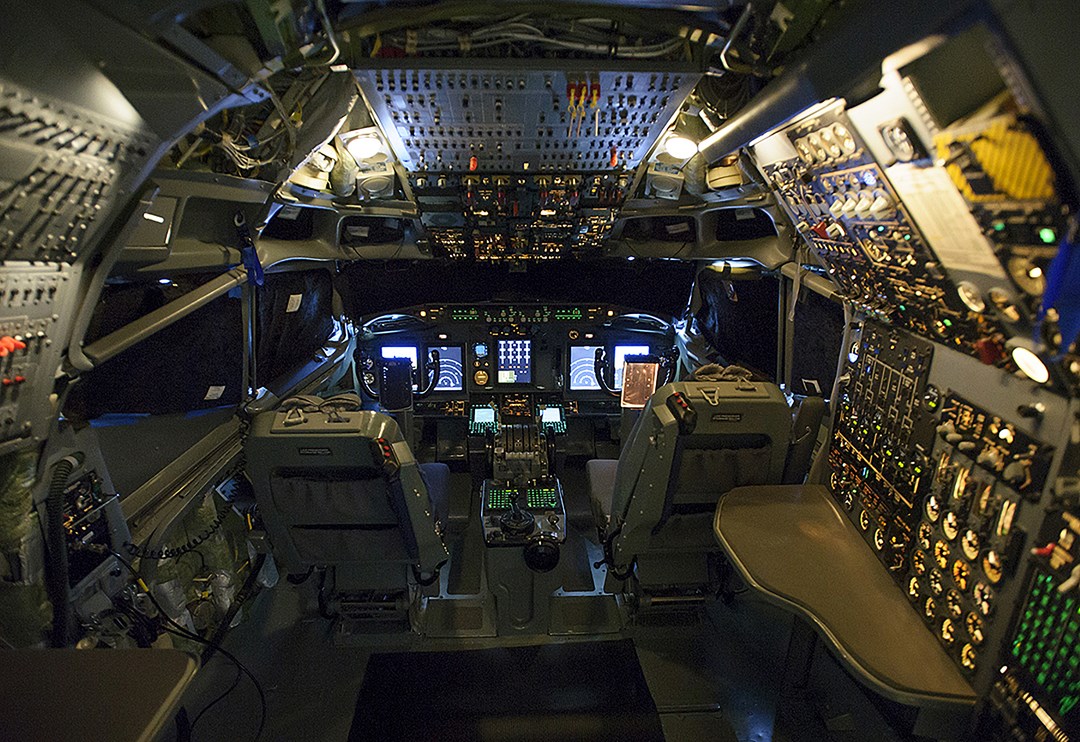
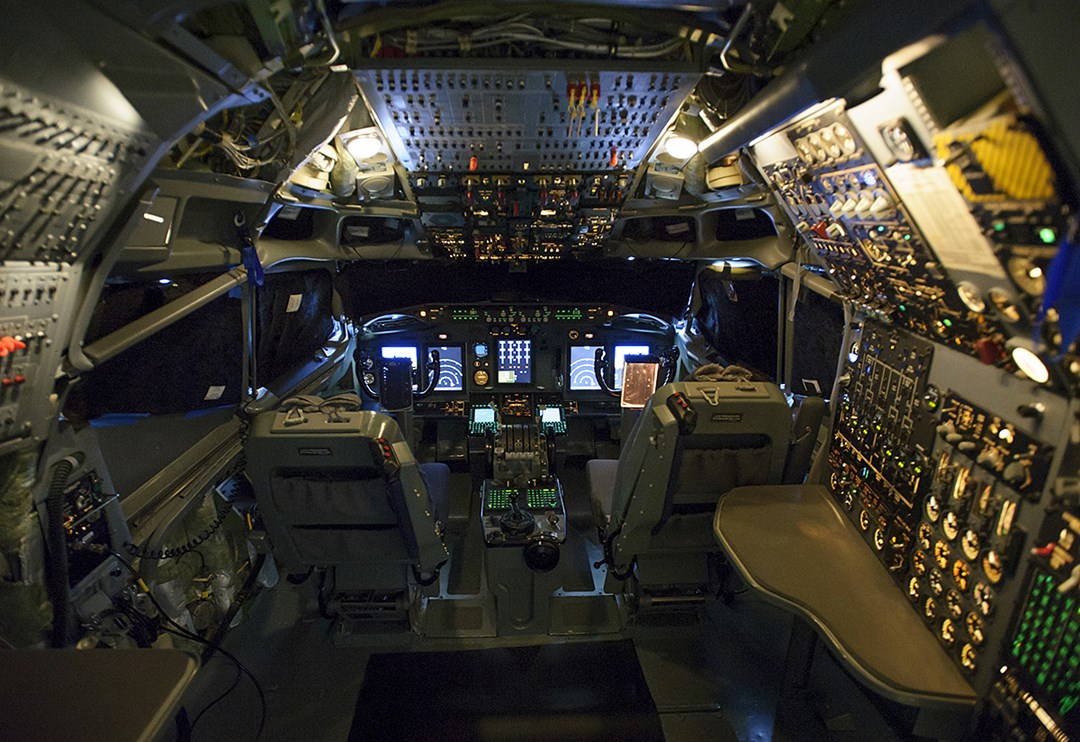
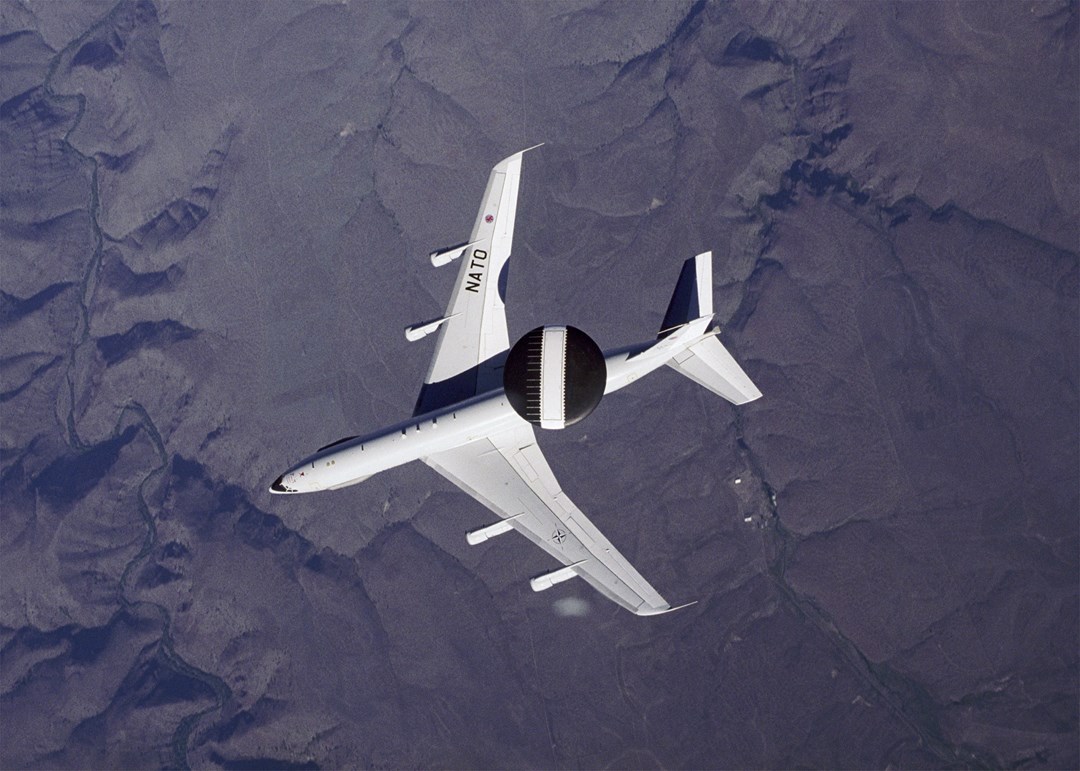
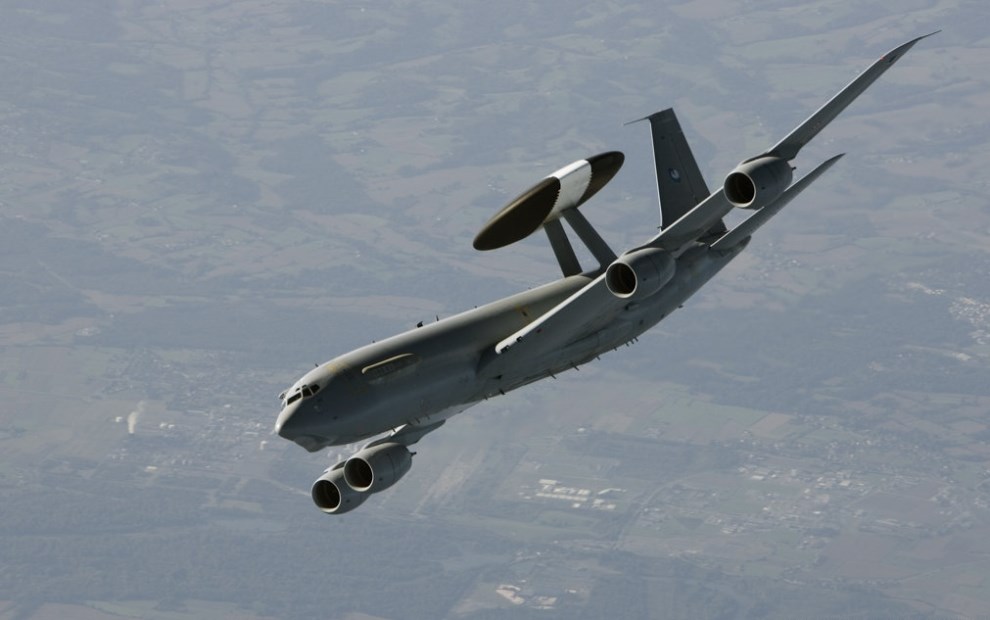
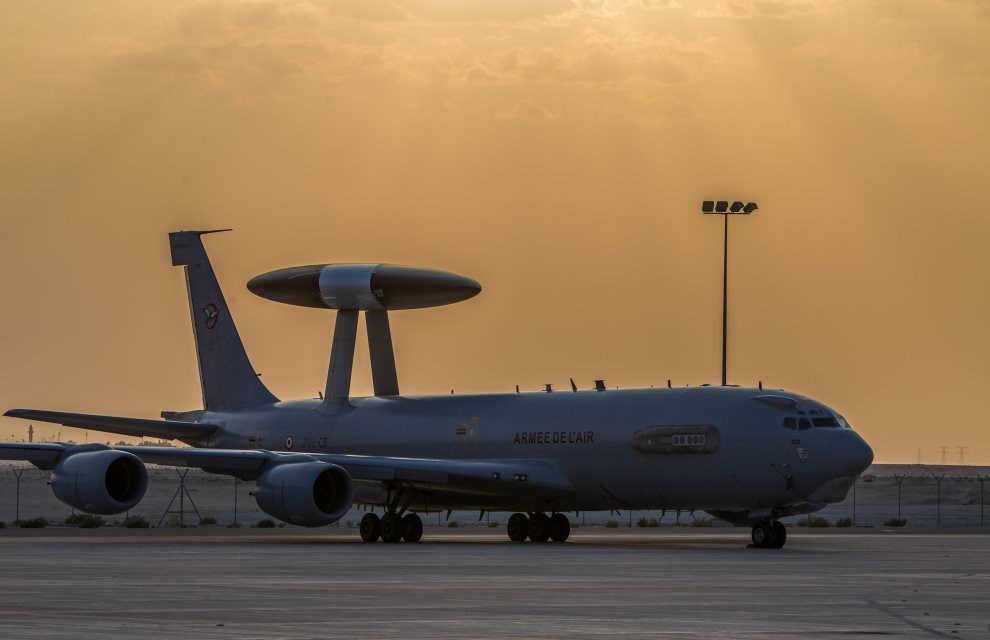
The E-3 Sentry is an airborne warning and control system (AWACS) that provides all weather surveillance, command, control and communications needed for modern air warfare. The E-3 is in fact a modified Boeing 707-320 commercial airframe fitted with a rotating radar dome. The dome is 9.1 meters in diameter, 1.8 meters thick, and is held 4.2 meters above the fuselage by two struts. It contains a radar capable of detecting airborne or surface (land or water) targets. The E-3 Sentry aircraft can detect targets at a maximum range of 400 km identifying them through a built-in IFF. Its look-down radar allows separation of airborne targets from the ground and sea clutter returns that usually confuse many radar systems. It provides 360-degree full coverage. During operation Desert Storm, in 1991, the E-3s from the United States assisted to 38 of the 40 air-to-air kills logged by the international coalition. Since then, the E-3 Sentry performed successfully during military conflicts over the former Yugoslavia and Iraq. Following the September 11 terrorist attacks, NATO E-3s were deployed over the United States performing homeland security missions. Under the Radar System Improvement Program (RSIP) program, carried out by Northrop-Grumman Electronic Systems, the pulse Doppler radar system was upgraded increasing its sensitivity to detect and track smaller targets such as stealthy targets and cruise missiles. The upgrade improved the radar's electronic counter-countermeasures capability to better counter electronic jamming. In addition, radar system availability, maintainability, efficiency and reliability will be enhanced. RSIP kits replaced radar's early computer with a new high-reliability multi-processor. New radar software is easier to maintain and enhance in the future. The modification also upgraded the radar's antenna, receivers and transmitters. The E-3 Sentry are operated by the Armed Forces of the United States(34-1 crash), United Kingdom, NATO (18-1 crash), France (E-3F), Japan and Saudi Arabia, providing vital information about enemy aircraft, cruise missiles and other air threats. The AWACS provided to Japan, known as the 767 AWACS, were built using a Boeing 767-200 airframe instead of the 707-320. In 1997, 17 NATO E-3A aircraft were scheduled to undergo a $1.3 billion Mid-Term Modernization Program which was aimed at allowing them to receive mission orders via software from a remote location and updates via satellite data links. Another features of the modernization program is an improved picture of the battlespace provided by onboard/offboard sensors; higher target-to-track capacity; five additional consoles; and an increased interoperability with other assets. The modernization program focused on hardware enhancements to be available for the entire fleet. The first improved NATO E-3 AWACS aircraft flew in October 2004 after seven years of engineering, manufacturing and design. Testing was scheduled to be completed in 2005 and the retrofit of the entire fleet is expected to be completed in 2008. The NATO AWACS fleet is expected to remain operational until at least 2025. On 5 August 2004, UK MoD selected Northrop-Grumman as preferred bidder to provide Royal Air Force's E-3D Sentry aircraft with maintenance and design engineering support services to improve availability and reduce through-life ownership costs. The final contract is expected in January 2005. The UK E-3D support contract is valued at approximately $1.19 billion (£650 million) over 21 years. Northrop-Grumman will ensure that only one E-3, out of a fleet of seven, is scheduled for maintenance in any given time as well as spares and repair parts availability. In early 2005, Boeing announced that the first French E-3F RSIP upgraded under a $133 million Foreign Military Sales agreement was completed successfully ahead of schedule. The other three E-3Fs were scheduled to undergo RSIP upgrade by mid-2006. France took delivery of a four-member E-3F fleet in the early 1990s. Modification work was performed by Air France Industries, under subcontract to Boeing, at its facility in Le Bourget, France. On April 5, 2005, Boeing announced the completion of installation of Radar System Improvement Program (RSIP) on the 32th US Air Force E-3 AWACS. The E-3 fleet underwent RSIP upgrade beginning in 1998, since then 32 aircraft have received the upgrade kit that enables them to detect and track smaller targets among other features. In July 2005, Boeing started installing satellite communications and air traffic management upgrades on the US Air Force E-3 Sentry fleet. In addition, a collision avoidance system was included in this modernization program. The 32 AWACS aircraft were expected to complete modification under this program by the end 2010. The first aircraft with such enhancements was expected to be delivered back to the US Air Force by January 2006. On 11 August 2005, the United Kingdom Ministry of Defense awarded Northrop-Grumman a £665 million ($1.3 billion) over 20-plus years. The contract was for aircraft-maintenance and design-engineering support services to improve availability and reduce through-life ownership costs for the United Kingdom's Royal Air Force fleet of E-3D Sentry aircraft. In June 2006, Boeing announced the completion of RSIP kits installation on France's E-3F AWACS fleet (4 aircraft). This upgrade was done through a $143 million Foreign Military Sales (FMS) program.
deagel.com: https://www.deagel.com/x/x/a000541