SBIRS-high
SBIRS-high

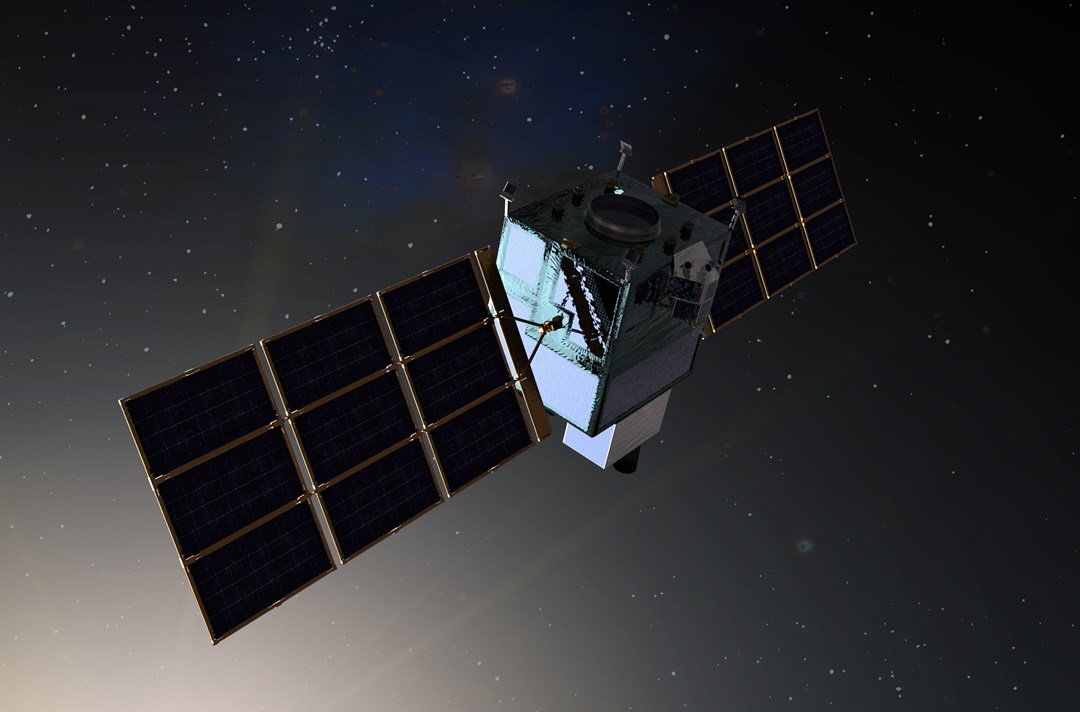

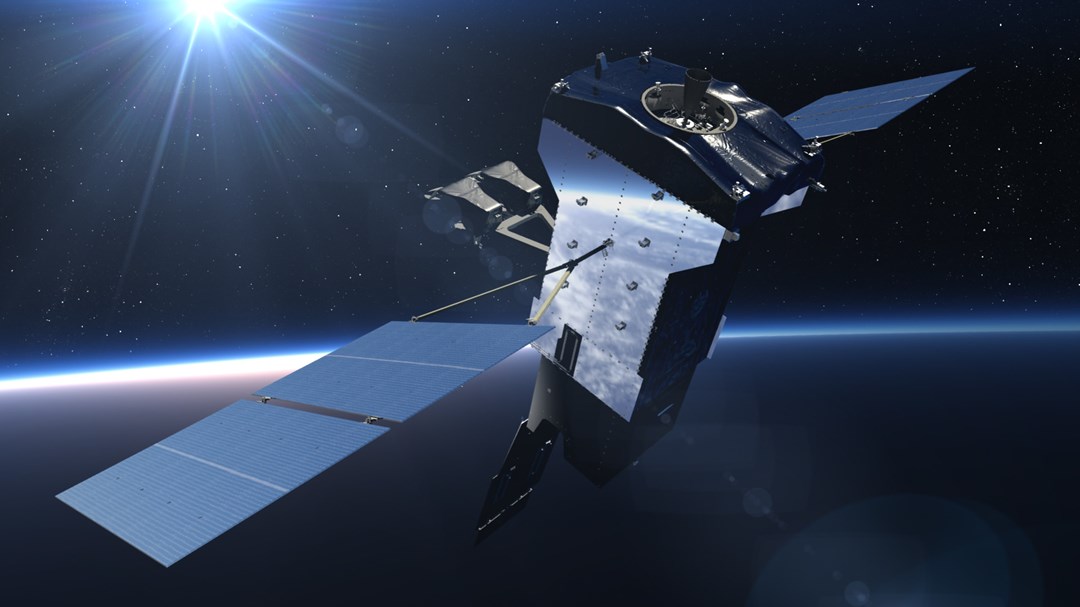
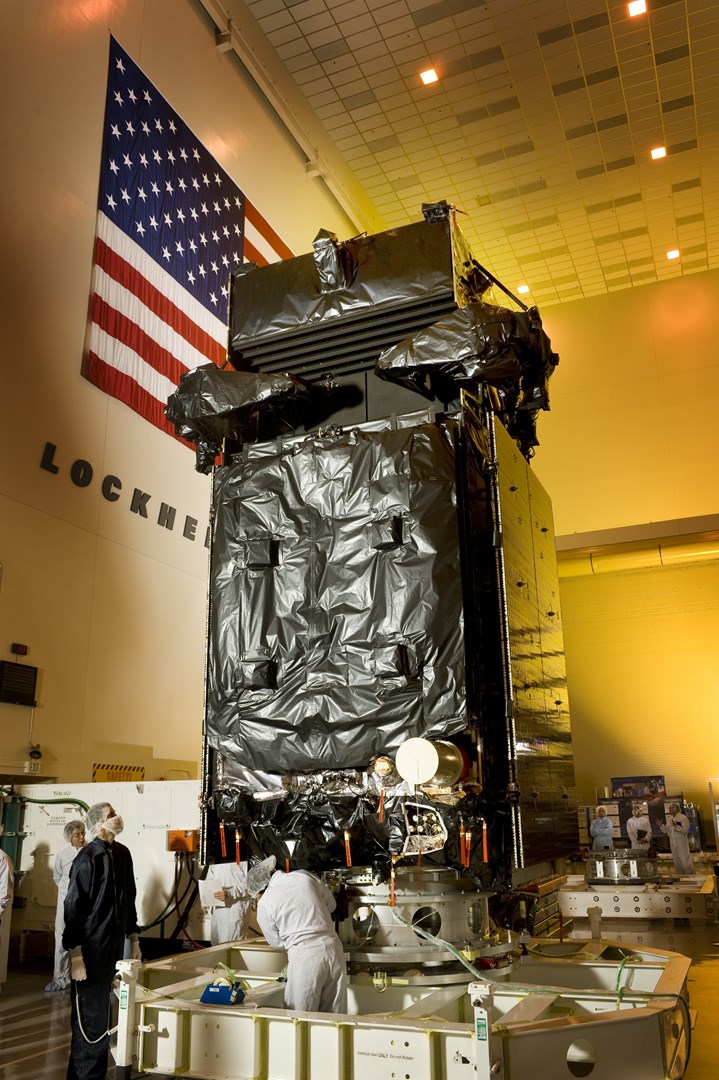
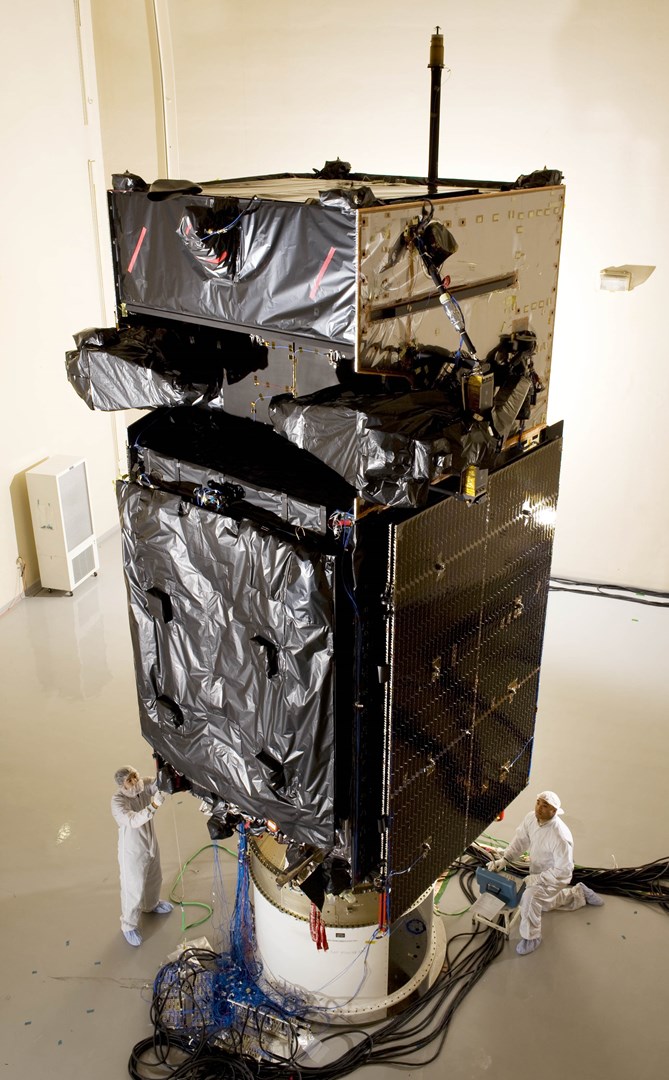


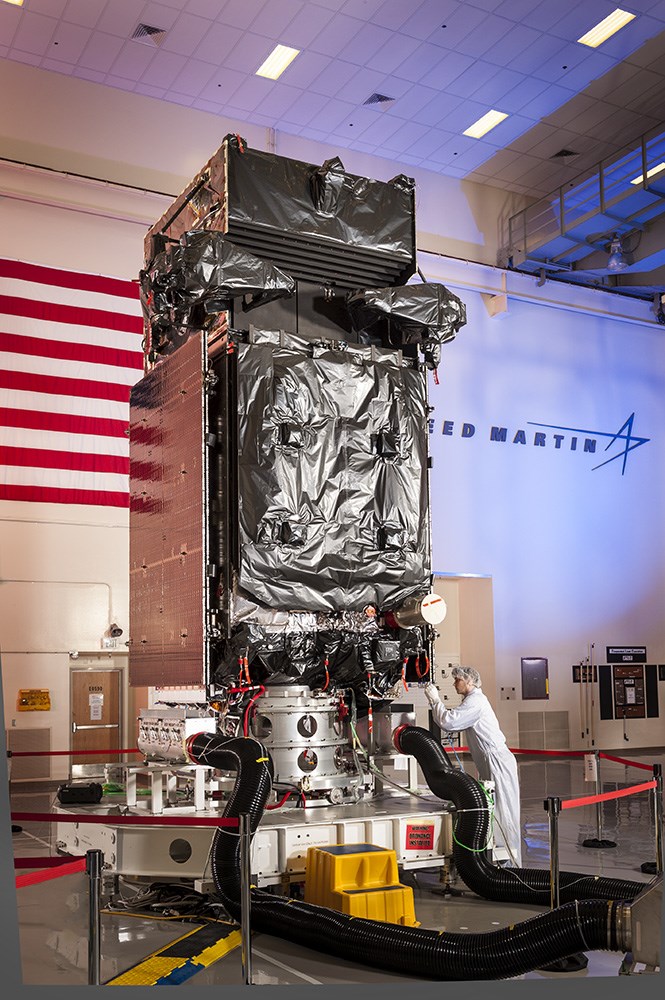
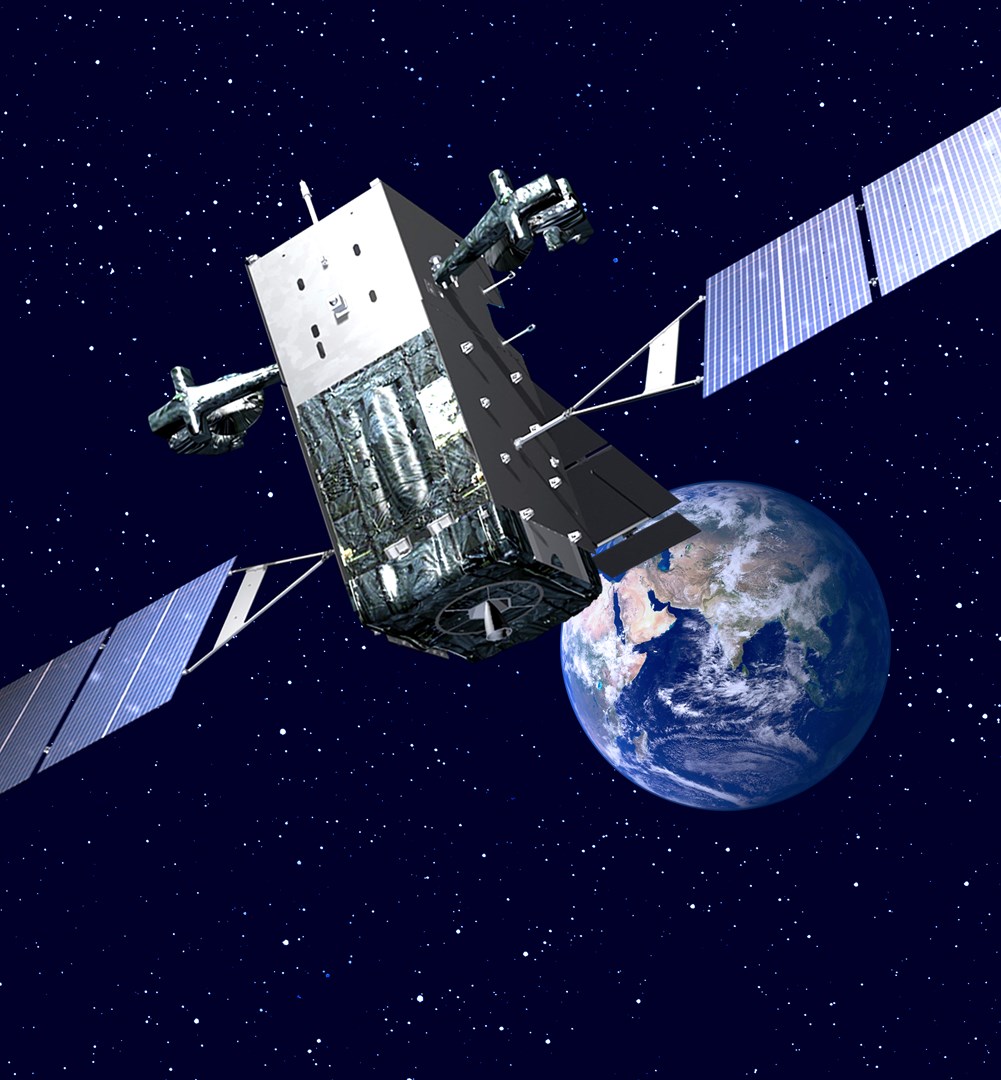
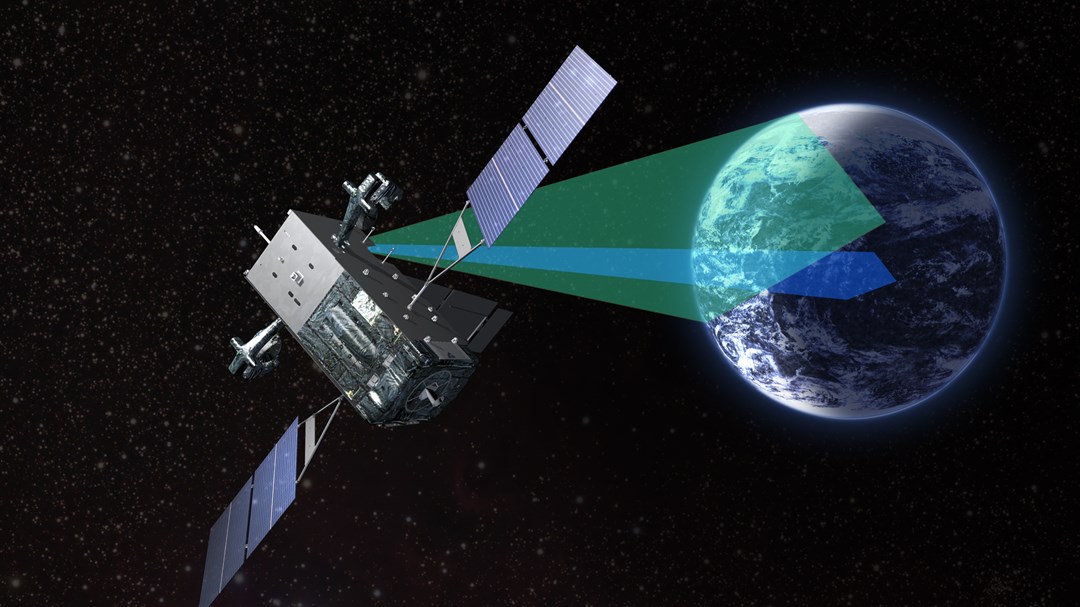


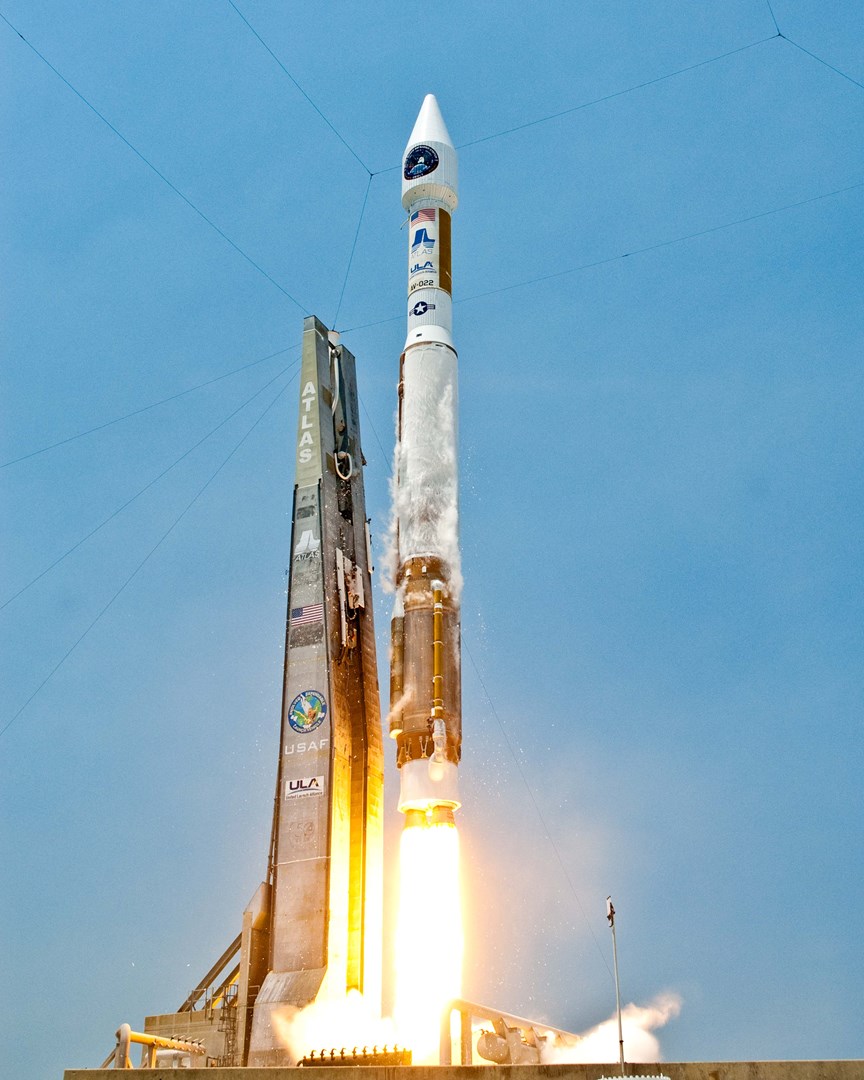
The SBIRS high (Space-Based InfraRed System) is an early warning, space-based system developed to provide early detection of ballistic missile launches worldwide. The SBIRS-high detects and tracks both strategic and tactical, also known as theater, ballistic missiles around the globe. The high orbit satellite network will provide data for the technical intelligence community, combat forces and decision makers. The US Air Force will replace strategic DSP satellite constellation by both SBIRS-high and STSS (formerly SBIRS-low). SBIRS-high also provides expanded Intelligence, Surveillance and Reconnaissance (ISR) capabilities. On August 6, 2004, Lockheed-Martin delivered the first space payload for SBIRS-High program to be integrated with a host satellite scheduled to be put into a highly elliptical orbit. Lockheed-Martin's payload will scan for ballistic missile launches, moreover detecting and reporting other infrared events of military interest. The SBIRS-high ground segment was declared operational in 2001 consolidating DSP constellation ground functions at four different ground locations into one centralized ground station. The system space segment will consists of two satellites on highly elliptical orbits (HEO) and four spacecraft into geosynchronous orbits (GEO). Finally, fixed and mobile ground assets will be responsible for receiving and processing infrared data. Following program delays, the first GEO satellite is scheduled for delivery one year later than originally planned (September 2006) in September 2007. The second GEO satellite will follow in September 2008. SBIRS High IOC is expected in 2008. In early 2010 the program was modified with two more Geosynchronous Earth Orbit (GEO) satellites being added to the SBIRS constellation. The program cost increased from $11.55 billion to $15.11 billion.
deagel.com: https://www.deagel.com/x/x/a000491